Mixed into cereal for infants
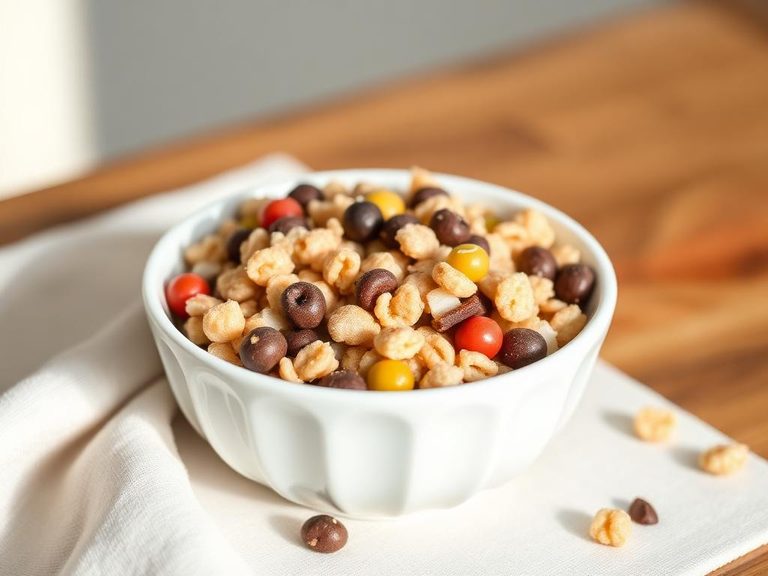
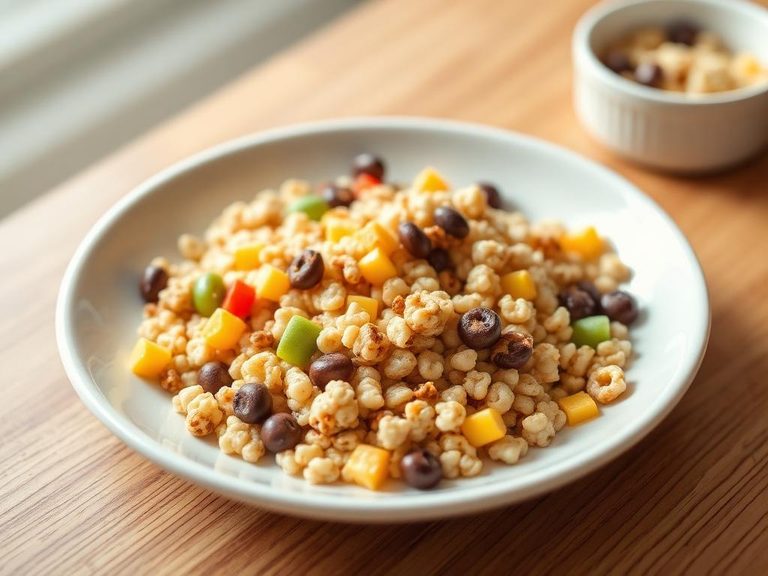
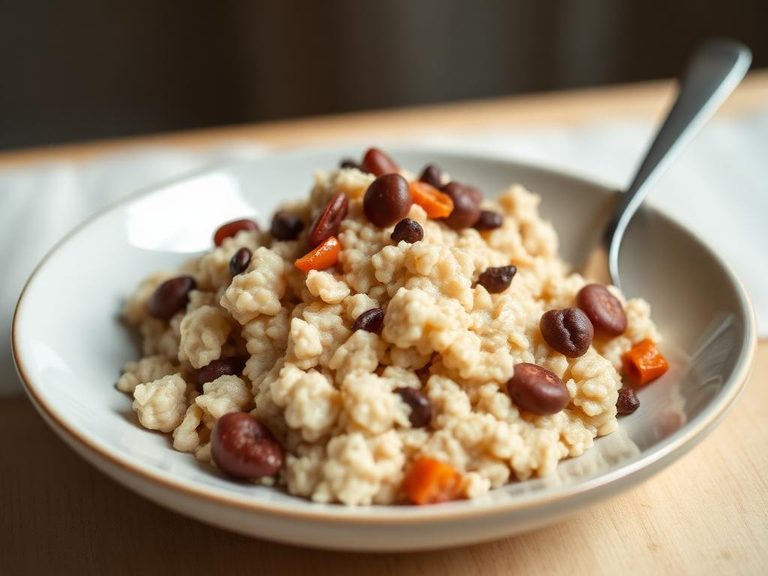
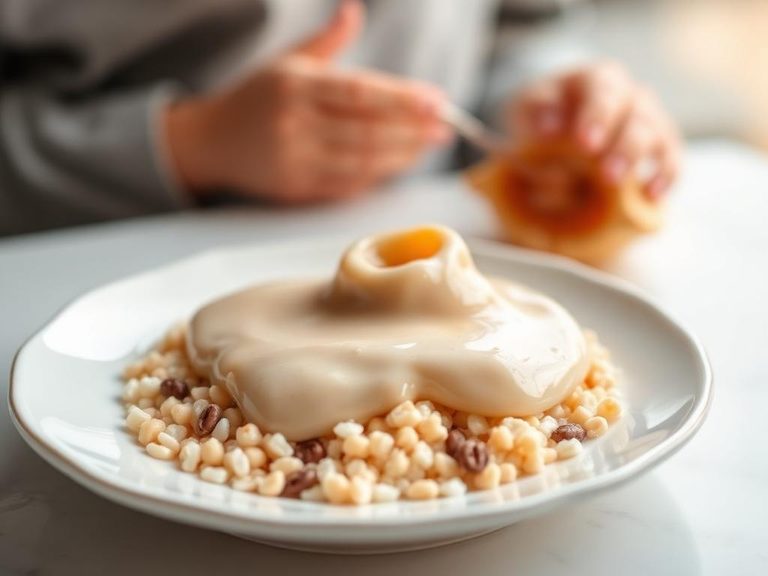
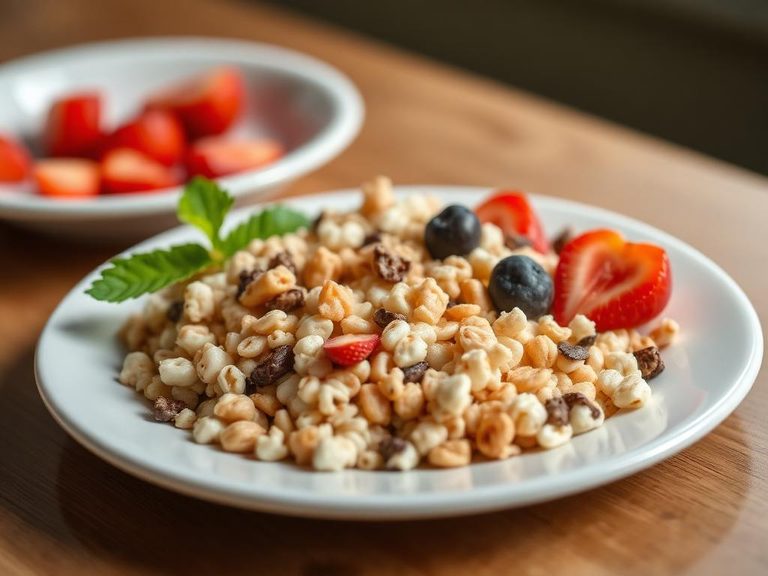
This isn't a specific dish, but a common feeding practice where a nutrient-rich puree or soft food is mixed into an infant's cereal, typically iron-fortified baby rice or oat cereal. The added ingredient is usually a single-ingredient fruit, vegetable, or meat puree like mashed banana, sweet potato, or chicken. This method is a global staple in infant feeding, used to introduce new flavors and textures while boosting the nutritional profile of the plain cereal base.
🍽️ Nutrition at a glance
The base cereal is high in carbohydrates and often fortified with iron, while the added puree contributes vitamins, minerals, and sometimes natural sugars. The overall meal provides a balanced mix of energy and key nutrients like iron, zinc, and vitamin C (if fruit is added), with a calorie range of 80-150 kcal per serving depending on the additions.
Nutrition breakdown
| Calories | 120 kcal |
| Protein | 3 g |
| Carbs | 22 g |
| Fat | 2 g |
| Fiber | 2 g |
| Sugar | 5 g |
| Sodium | 30 mg |
| Iron | 4 mg |
| Zinc | 2 mg |
| Vitamin C | 15 mg |
| Calcium | 100 mg |
| Potassium | 180 mg |
| Vitamin A | 90 mcg |
| Thiamin (B1) | 0.3 mg |
| Niacin (B3) | 2 mg |
Per 1 cup (240 g) of prepared infant cereal mixed with fruit puree · estimated, varies by recipe
💡 What's interesting
This practice is a foundational step in many cultures for transitioning infants from an all-liquid diet to solids, often called 'complementary feeding.' Nutritionally, pairing iron-fortified cereal with a vitamin C-rich fruit puree (like pear or mango) can enhance the absorption of the added iron.