Mixed into iron-fortified cereal
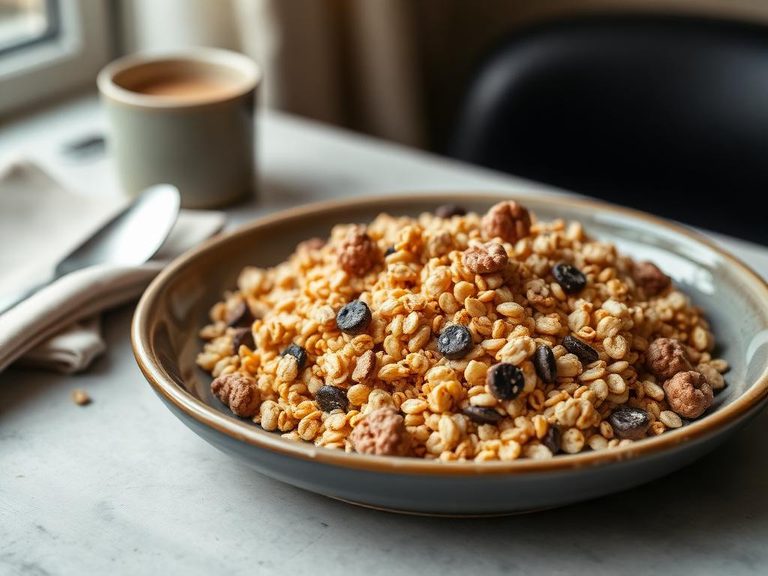
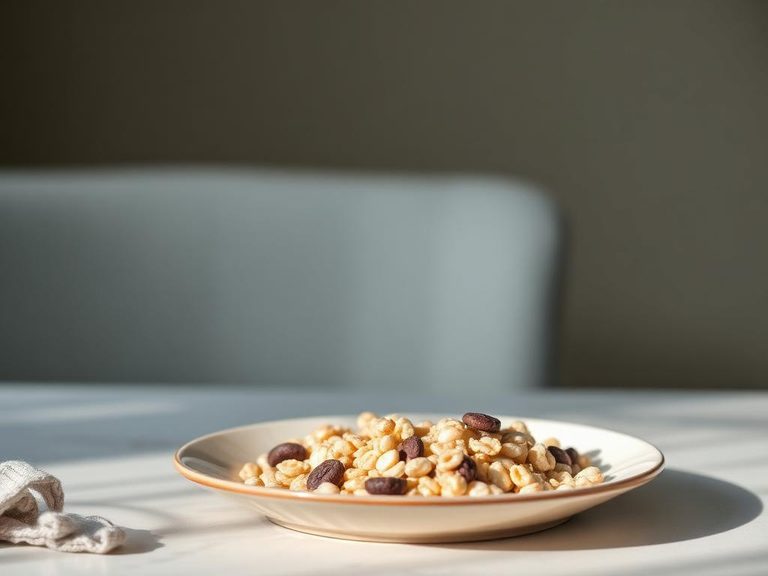
Mixed into iron-fortified cereal is a simple, nutritious breakfast dish where a variety of ingredients—typically milk or a milk alternative, fresh or dried fruits, nuts, and seeds—are combined with a bowl of cereal that has been fortified with iron. It is a common and quick meal prepared in households worldwide, particularly popular in North America, Europe, and other regions where fortified breakfast cereals are a staple.
🍽️ Nutrition at a glance
This dish is primarily a source of carbohydrates for energy, with moderate protein from the milk and cereal, and low fat unless high-fat toppings are added. It provides key nutrients like iron, B vitamins (from fortification), calcium, and fiber, with a typical serving ranging from 200 to 350 calories depending on the specific cereal and additions.
Nutrition breakdown
| Calories | 220 kcal |
| Protein | 12 g |
| Carbs | 40 g |
| Fat | 1.5 g |
| Fiber | 3 g |
| Sugar | 12 g |
| Sodium | 200 mg |
| Iron | 8 mg (45% DV) |
| Calcium | 300 mg (23% DV) |
| Vitamin D | 2.5 mcg (12% DV) |
| Potassium | 350 mg |
| Vitamin B12 | 1.5 mcg (63% DV) |
| Folate | 200 mcg (50% DV) |
| Zinc | 3.8 mg (35% DV) |
| Magnesium | 50 mg (12% DV) |
Per 1 cup (40 g) iron-fortified cereal mixed with 1 cup (240 ml) skim milk · estimated, varies by recipe
💡 What's interesting
The concept of fortifying cereal with iron was a public health innovation in the 20th century to combat widespread iron deficiency anemia, making this simple dish a nutritionally engineered tool for improving population health. Culturally, it represents a modern, convenient approach to breakfast, blending industrial food science with personal customization.