Mixed into yogurt for older infants
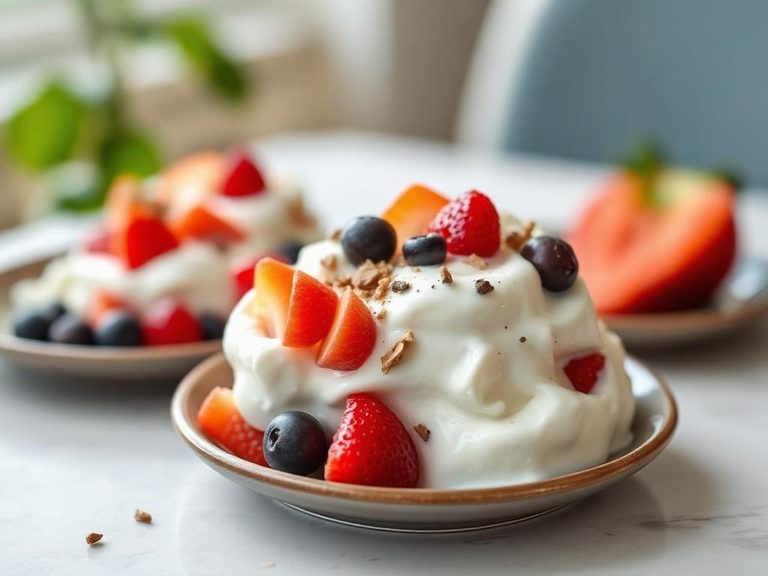
This is a simple, nutritious dish where mashed or finely chopped fruits, vegetables, or grains are stirred into plain yogurt to create a smooth, creamy meal for older infants (typically 8-12 months). Common ingredients include ripe banana, steamed sweet potato, or avocado mixed with full-fat plain yogurt. It's a common first food preparation in many cultures worldwide, valued for its simplicity and adaptability.
🍽️ Nutrition at a glance
This dish is balanced, providing a good mix of carbohydrates for energy, protein for growth, and healthy fats for brain development from the yogurt. Key nutrients include calcium, probiotics, vitamin C (if fruit is added), and potassium, with a typical serving ranging from 100-150 calories.
Nutrition breakdown
| Calories | 120 kcal |
| Protein | 5 g |
| Carbs | 18 g |
| Fat | 3.5 g |
| Fiber | 1.5 g |
| Sugar | 13 g |
| Sodium | 60 mg |
| Calcium | 150 mg |
| Potassium | 300 mg |
| Phosphorus | 120 mg |
| Vitamin B12 | 0.4 mcg |
| Riboflavin (B2) | 0.2 mg |
| Magnesium | 25 mg |
| Vitamin C | 5 mg |
| Probiotics | Live active cultures |
Per 1/2 cup (120 g) of plain full-fat yogurt mixed with 1/4 mashed ripe banana · estimated, varies by recipe
💡 What's interesting
Nutritionally, the live cultures (probiotics) in yogurt support developing gut health, while the added ingredient introduces new flavors and textures. Culturally, it's a universal concept—similar to Indian 'lassi' for babies or European fruit-yogurt blends—showing how caregivers globally use yogurt as a versatile, nutrient-dense base for infant food.
🍽️ Related dishes
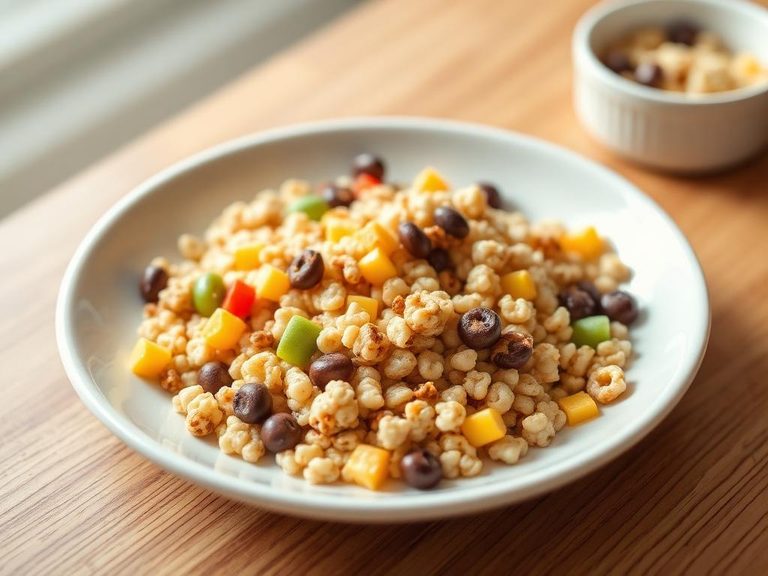 Mixed into cereal for older infants
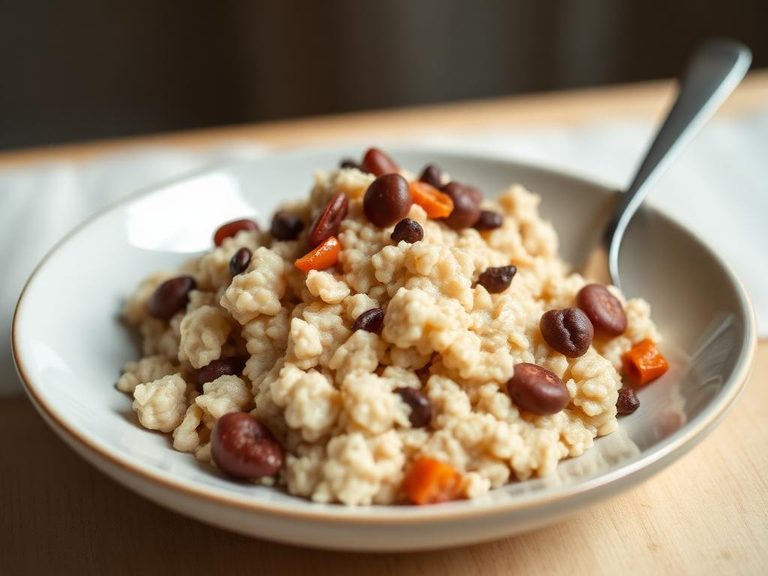 Mixed into oatmeal for older infants
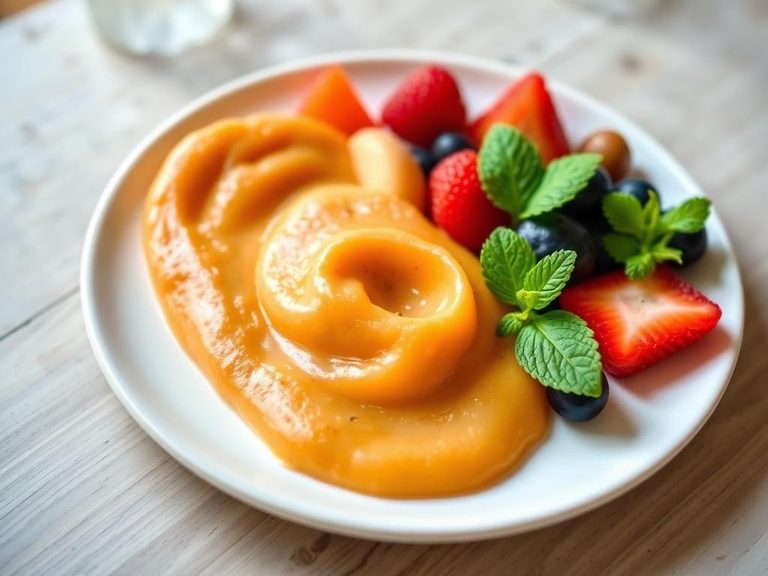 Added to calorie-boosting purees for older infants
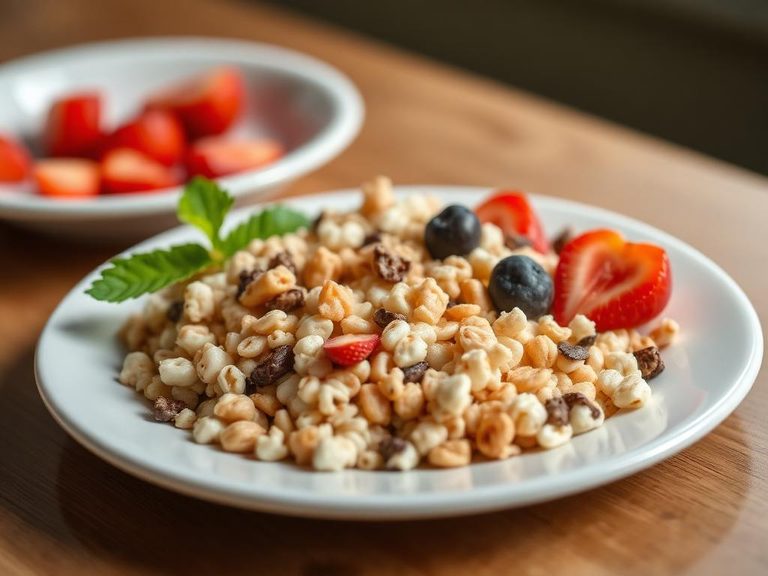 Mixed with Cereal for Older Infants
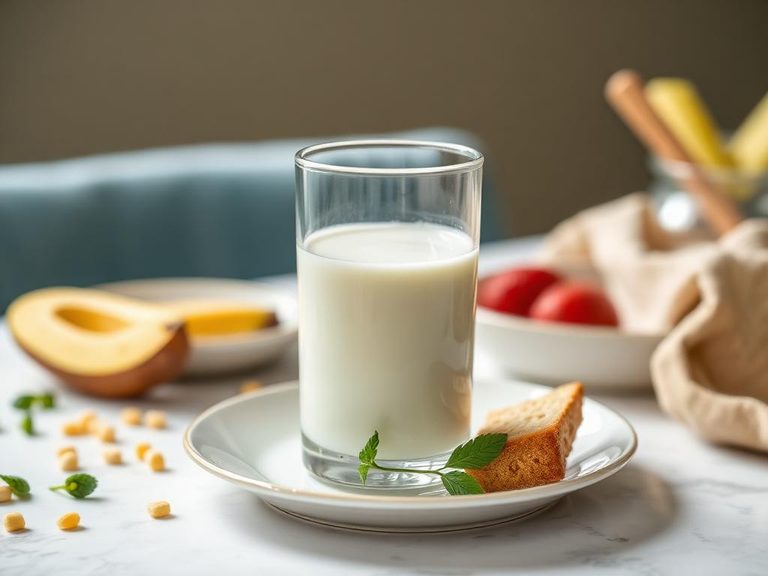 Soy milk alternative for older infants
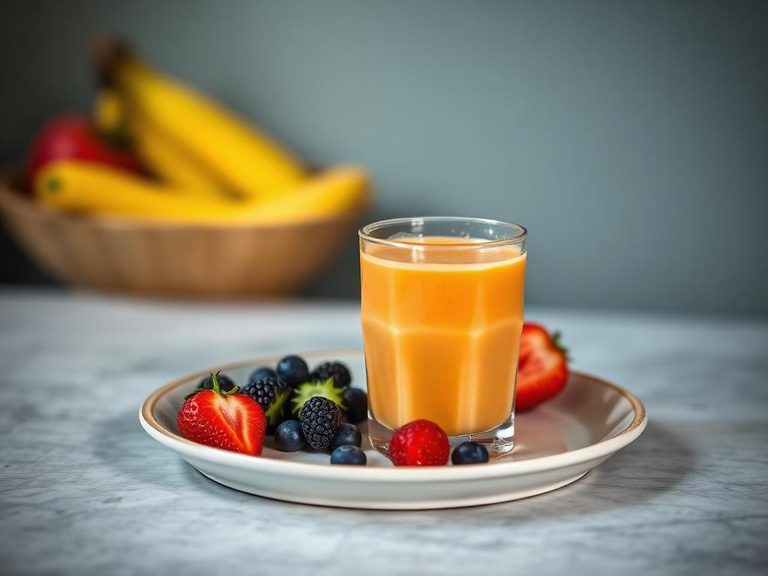 Formula-based smoothie for older toddlers
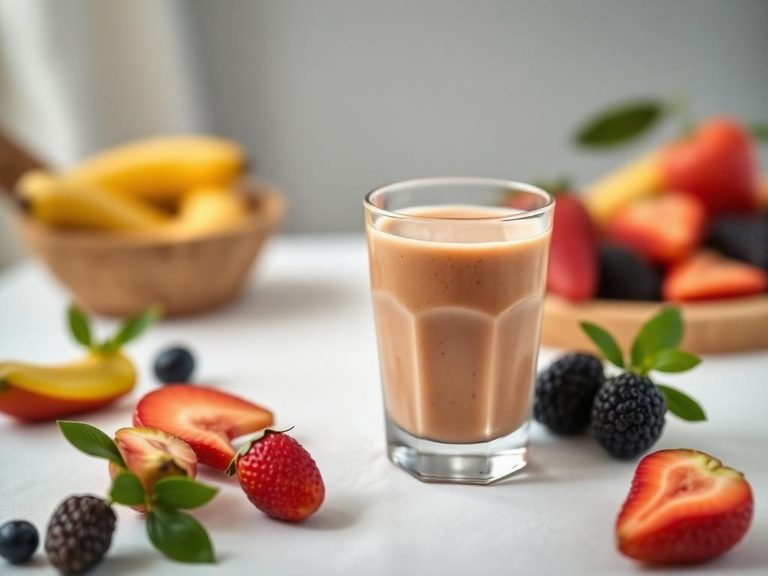 Formula-based fruit smoothie for older babies
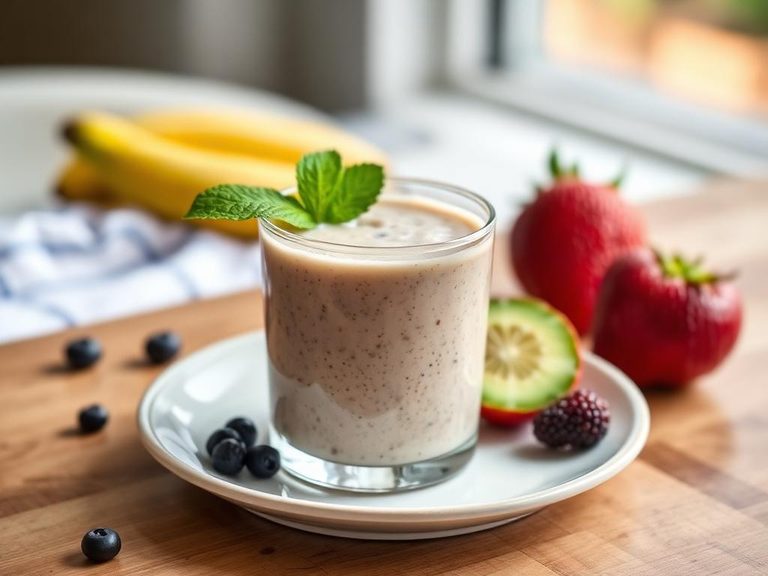 Formula-based smoothie for older babies