Mixed into cereal for older infants
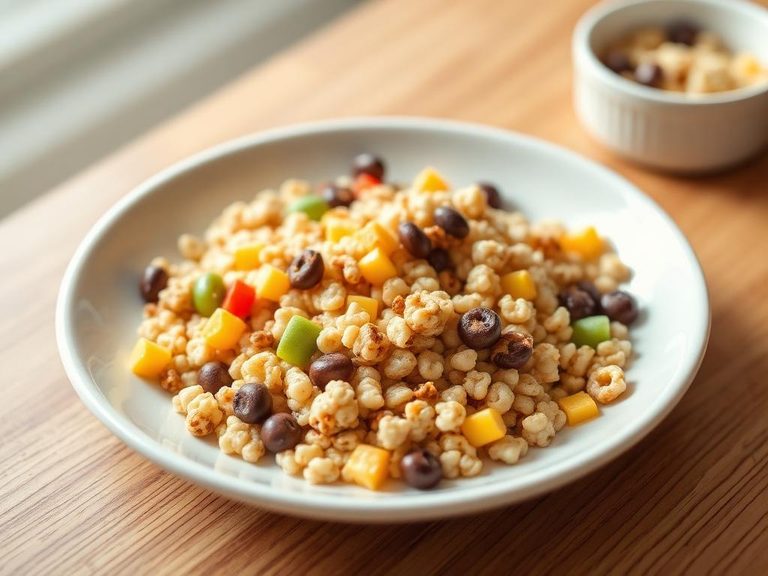
This isn't a single, fixed dish, but a common feeding practice for older infants (around 6-12 months) transitioning to solids. It involves mixing a variety of soft, mashed, or finely chopped foods directly into a base of infant cereal, such as iron-fortified rice, oat, or multigrain cereal. The practice is a global staple in infant nutrition, used universally to introduce new flavors and textures while ensuring a nutrient-dense meal.
🍽️ Nutrition at a glance
The nutritional profile is highly variable and depends entirely on what is mixed in, but the cereal base provides a strong foundation of carbohydrates for energy and is typically fortified with iron, a critical nutrient for infants. Adding ingredients like mashed fruits, vegetables, or pureed meats/fish significantly boosts the vitamin, mineral, and protein content, creating a balanced, calorie-appropriate meal.
Nutrition breakdown
| Calories | 180 kcal |
| Protein | 5 g |
| Carbs | 32 g |
| Fat | 3 g |
| Fiber | 3 g |
| Sugar | 8 g |
| Sodium | 50 mg |
| Iron | 4 mg |
| Potassium | 320 mg |
| Vitamin C | 8 mg |
| Calcium | 150 mg |
| Vitamin B6 | 0.2 mg |
| Zinc | 1.5 mg |
| Folate | 40 mcg |
| Phosphorus | 120 mg |
Per 1 cup (240 g) of prepared cereal mixed with mashed banana and a spoonful of pureed chicken · estimated, varies by recipe
💡 What's interesting
This method is a brilliant cultural and practical adaptation, allowing caregivers to use locally available, seasonal ingredients to customize a baby's diet. Nutritionally, it's a key strategy for preventing iron deficiency, as the fortified cereal provides bioavailable iron, which can be further enhanced by mixing in vitamin C-rich foods like mashed peas or sweet potato.
🍽️ Related dishes
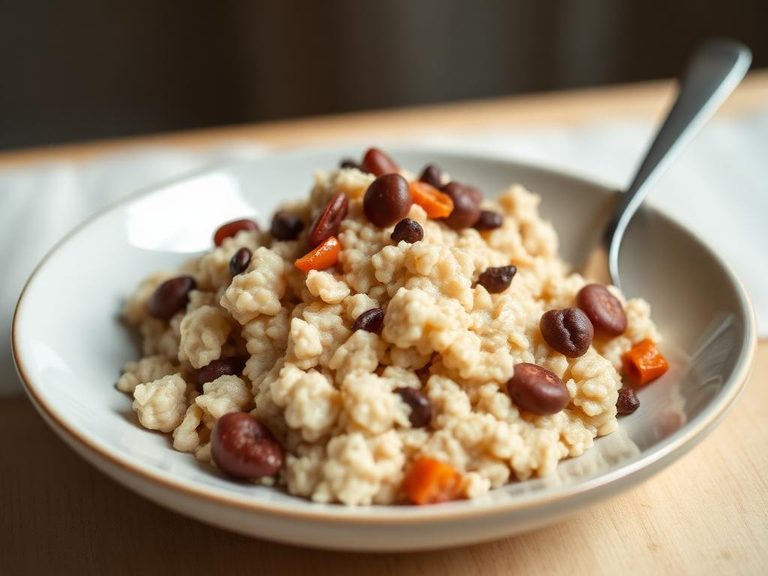 Mixed into oatmeal for older infants
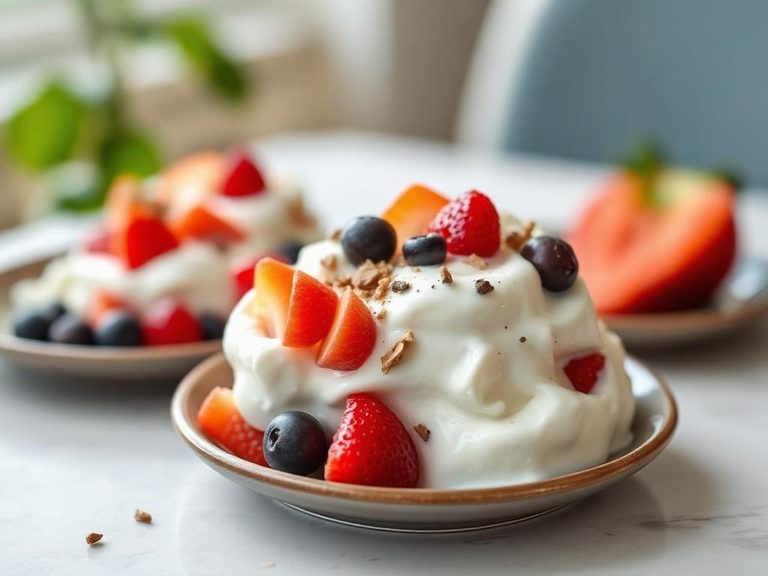 Mixed into yogurt for older infants
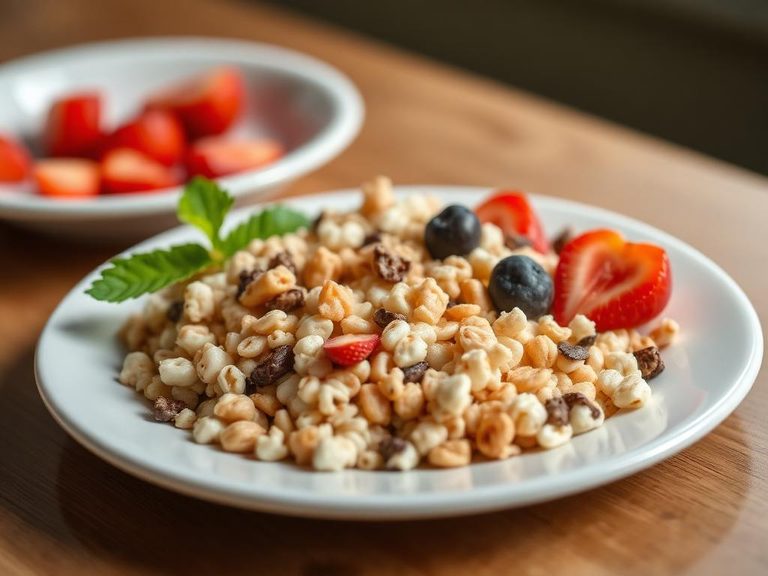 Mixed with Cereal for Older Infants
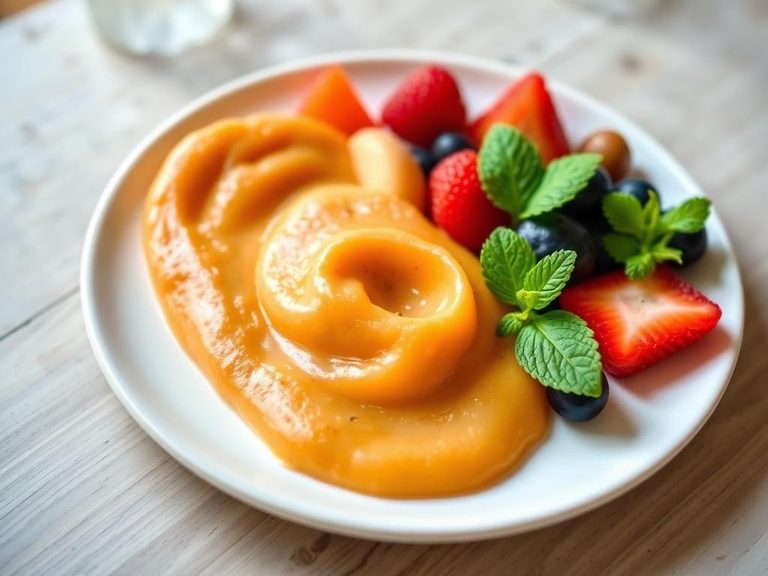 Added to calorie-boosting purees for older infants
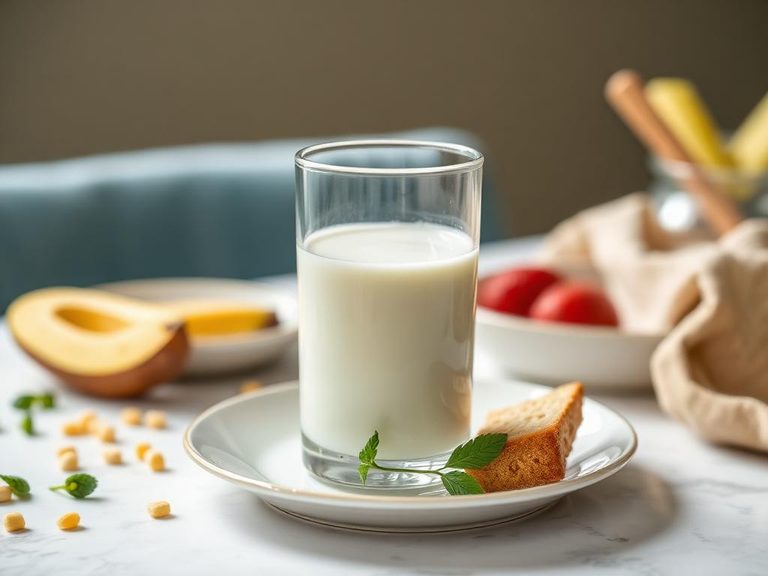 Soy milk alternative for older infants
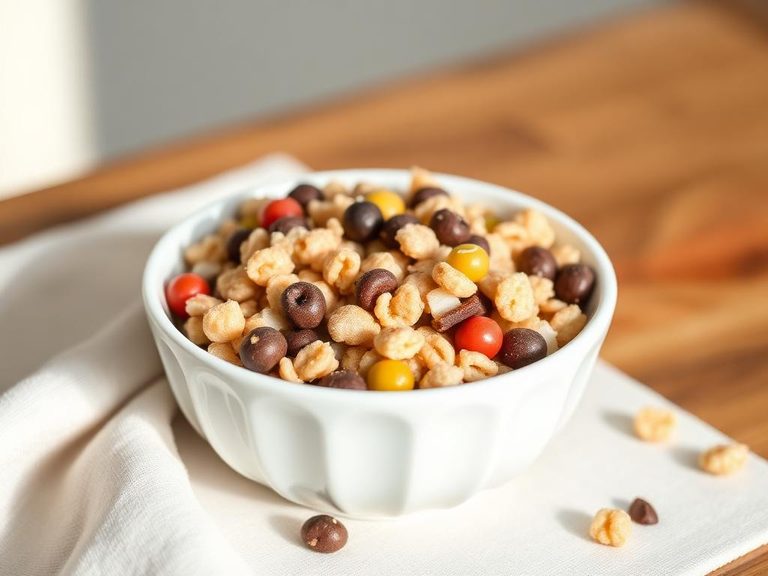 Mixed into cereal for infants
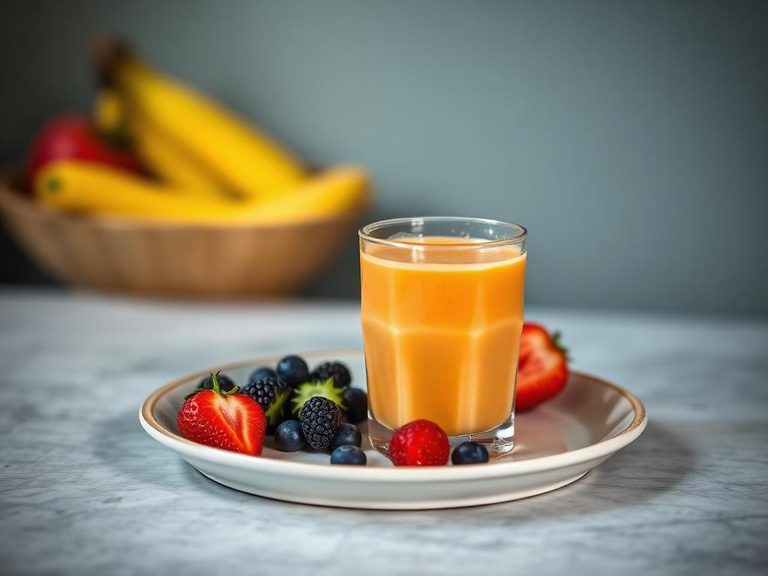 Formula-based smoothie for older toddlers
 Formula-based smoothie for older babies