

Avocado, raw
Common food
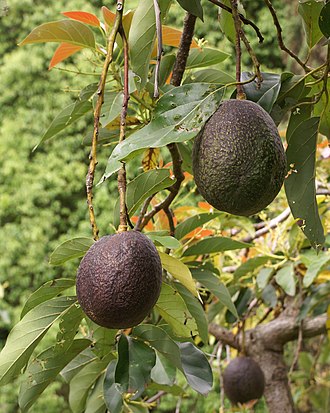
Photo: Wikipedia
The avocado is a creamy, pear-shaped fruit with a rich, buttery flesh that ranges from pale yellow to vibrant green. Its flavor is mild and nutty, making it a versatile canvas for both sweet and savory dishes. Nutritionally, it's a powerhouse of healthy monounsaturated fats and dietary fiber.
Calorie split: 5% protein · 20% carbs · 76% fat
↓ Full nutrition💚 Why it's loved
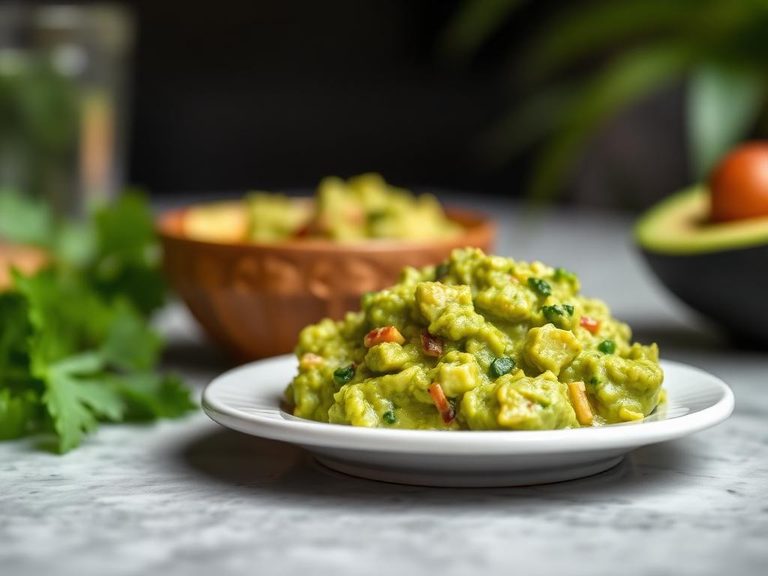
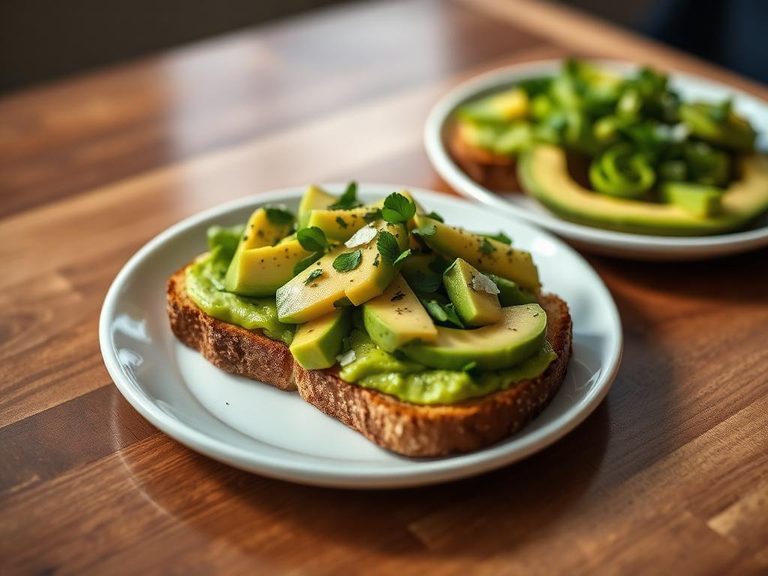
People love its uniquely creamy texture and subtle, rich flavor that enhances other ingredients without overpowering them. Its incredible versatility—from guacamole to smoothies to toast—makes it a beloved staple in many cuisines.
⚠️ Watch-outs & how to enjoy it better
Due to its high calorie and fat content, overconsumption can lead to excess calorie intake; portion control is key. Some individuals may have an avocado allergy, which is related to latex allergy. To counteract the calorie density, pair it with high-volume, low-calorie foods like leafy greens in a salad or use it as a replacement for less healthy fats like mayonnaise.
Key benefits
- Excellent source of heart-healthy monounsaturated fats
- High in dietary fiber for digestive health
- Rich in potassium, more than a banana
- Contains antioxidants like lutein and zeaxanthin
- Provides nearly 20 different vitamins and minerals
🍽️ Popular dishes
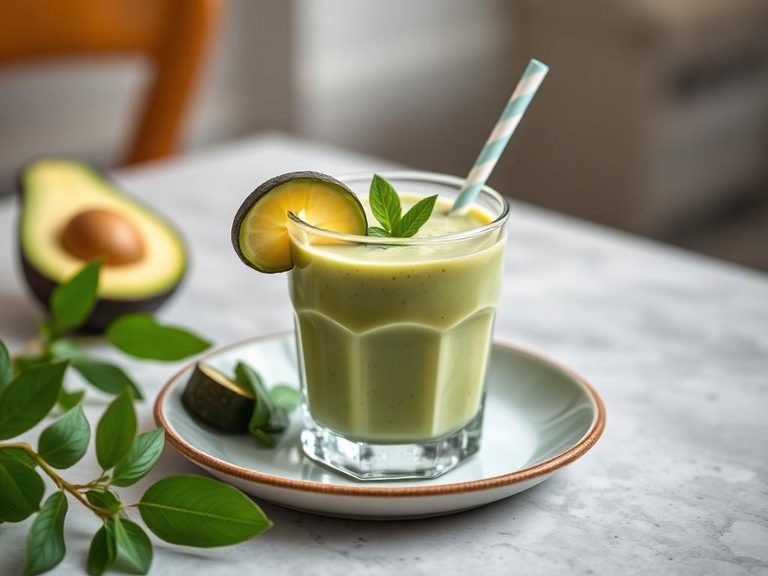
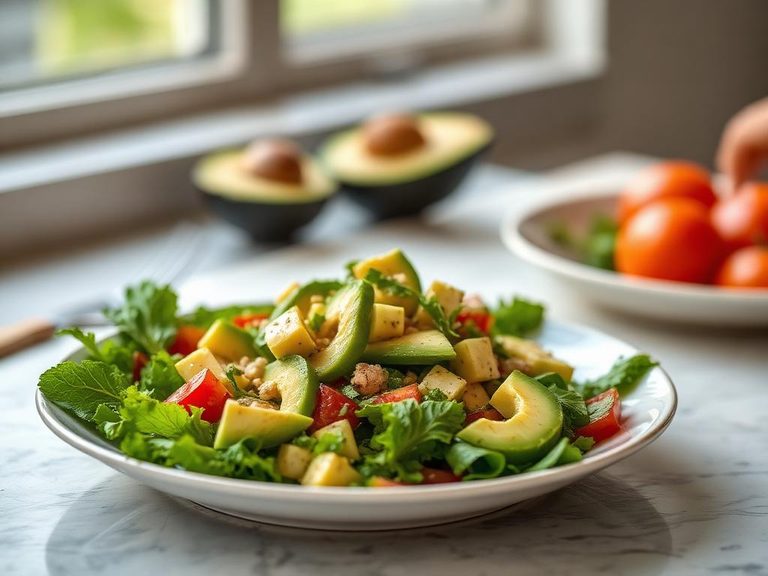
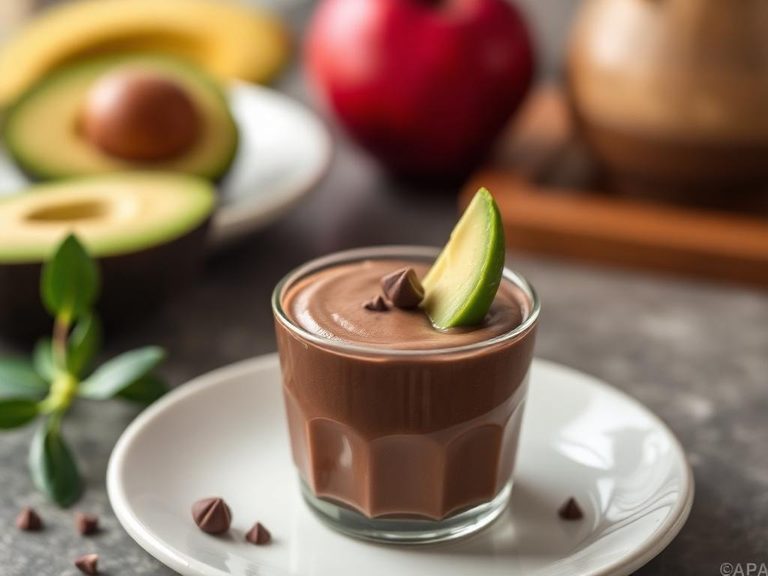
🌍 Where it's eaten
💡 Did you know?
The largest avocado ever grown weighed over 2.5 kilograms (5.6 pounds), roughly the weight of a small chihuahua.
Full nutrition (USDA data · scales with serving)
| Water | 73.2 g |
| Energy | 160 kcal |
| Protein | 2.0 g |
| Total lipid (fat) | 14.7 g |
| Carbohydrate, by difference | 8.5 g |
| Fiber, total dietary | 6.7 g |
| Total Sugars | 0.66 g |
| Calcium, Ca | 12.0 mg |
| Iron, Fe | 0.55 mg |
| Magnesium, Mg | 29.0 mg |
| Phosphorus, P | 52.0 mg |
| Potassium, K | 485 mg |
| Sodium, Na | 7.0 mg |
| Zinc, Zn | 0.64 mg |
| Copper, Cu | 0.19 mg |
| Selenium, Se | 0.40 ug |
| Vitamin C, total ascorbic acid | 10.0 mg |
| Thiamin | 0.07 mg |
| Riboflavin | 0.13 mg |
| Niacin | 1.7 mg |
| Vitamin B-6 | 0.26 mg |
| Folate, total | 81.0 ug |
| Folic acid | 0.00 ug |
| Folate, food | 81.0 ug |
| Folate, DFE | 81.0 ug |
| Choline, total | 14.2 mg |
| Vitamin B-12 | 0.00 ug |
| Vitamin B-12, added | 0.00 ug |
| Vitamin A, RAE | 7.0 ug |
| Retinol | 0.00 ug |
| Carotene, beta | 62.0 ug |
| Carotene, alpha | 24.0 ug |
| Cryptoxanthin, beta | 28.0 ug |
| Lycopene | 0.00 ug |
| Lutein + zeaxanthin | 271 ug |
| Vitamin E (alpha-tocopherol) | 2.1 mg |
| Vitamin E, added | 0.00 mg |
| Vitamin D (D2 + D3) | 0.00 ug |
| Vitamin K (phylloquinone) | 21.0 ug |
| Alcohol, ethyl | 0.00 g |
| Caffeine | 0.00 mg |
| Theobromine | 0.00 mg |
Fat & fatty acid profile (per 100g)
| Fatty acids, total saturated | 2.1 g |
| SFA 4:0 | 0.00 g |
| SFA 6:0 | 0.00 g |
| SFA 8:0 | 0.00 g |
| SFA 10:0 | 0.00 g |
| SFA 12:0 | 0.00 g |
| SFA 14:0 | 0.00 g |
| SFA 16:0 | 2.1 g |
| SFA 18:0 | 0.05 g |
| Fatty acids, total monounsaturated | 9.8 g |
| MUFA 16:1 | 0.70 g |
| MUFA 18:1 | 9.1 g |
| MUFA 20:1 | 0.03 g |
| MUFA 22:1 | 0.00 g |
| Fatty acids, total polyunsaturated | 1.8 g |
| PUFA 18:2 | 1.7 g |
| PUFA 18:3 | 0.13 g |
| PUFA 18:4 | 0.00 g |
| PUFA 20:4 | 0.00 g |
| PUFA 20:5 n-3 (EPA) | 0.00 g |
| PUFA 22:5 n-3 (DPA) | 0.00 g |
| PUFA 22:6 n-3 (DHA) | 0.00 g |
| Cholesterol | 0.00 mg |
Amino acid profile (per 100g)
Estimated from Avocados, raw, all commercial varieties — USDA does not publish this profile for Avocado.
| Tryptophan | 0.03 g |
| Threonine | 0.07 g |
| Isoleucine | 0.08 g |
| Leucine | 0.14 g |
| Lysine | 0.13 g |
| Methionine | 0.04 g |
| Cystine | 0.03 g |
| Phenylalanine | 0.10 g |
| Tyrosine | 0.05 g |
| Valine | 0.11 g |
| Arginine | 0.09 g |
| Histidine | 0.05 g |
| Alanine | 0.11 g |
| Aspartic acid | 0.24 g |
| Glutamic acid | 0.29 g |
| Glycine | 0.10 g |
| Proline | 0.10 g |
| Serine | 0.11 g |
FAQ
How do I pick a ripe avocado?
Gently squeeze the avocado in the palm of your hand. A ripe one will yield to gentle pressure but not feel mushy. You can also check under the stem; if it's green underneath, it's ripe. If it's brown, it's overripe.
How can I prevent an avocado from browning?
To slow oxidation, squeeze lemon or lime juice over the cut surface, press plastic wrap directly onto the flesh to eliminate air, or store the pit-in half in an airtight container in the refrigerator for up to a day.
Is avocado a fruit or a vegetable?
Botanically, it's a single-seeded berry, making it a fruit. In culinary contexts, it's often treated as a vegetable due to its savory flavor profile and use in salads and main dishes.
Nutrient density (calculated · NRF9.3)
Nutrient Rich Foods index: beneficial nutrients (protein, fiber, vitamins, minerals) minus saturated fat, added sugar & sodium, per 100 kcal.
NRF9.3 index — Fulgoni, Keast & Drewnowski, 2009. Computed from USDA nutrients.
Weight-loss friendliness (composite index)
Energy density 1.60 kcal/g · 5% calories from protein · 6.7 g fiber · 0.7 g sugar per 100 g.
Composite of energy density (Rolls et al., 1999), protein & fiber satiety, minus sugar. A calculated heuristic — ranks satiety-per-calorie, not a clinical measure.
Dietary load (calculated from USDA values)
Potential renal acid load. Positive = acid-forming, negative = alkaline-forming.
Sodium-to-potassium ratio: 0.01 (lower is better — aim for ≤ 1)
Sodium:potassium per WHO potassium guidance. Computed from USDA nutrients.