

Avocado, Hass, peeled, raw
Whole food · Fruits and Fruit Juices
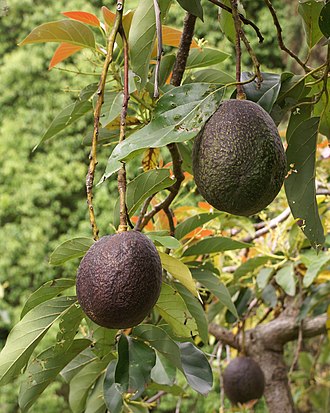
Photo: Wikipedia
The Hass avocado, when peeled and eaten raw, is a creamy, nutrient-dense fruit with a rich, buttery texture and a mild, nutty flavor. It is exceptionally high in monounsaturated fats, providing a substantial 20.31g of healthy fats per 100g, which contribute to its smooth mouthfeel. Its low carbohydrate content (8.324g) and absence of fiber in this specific peeled form make it a unique, energy-dense food choice.
Calorie split: 3% protein · 15% carbs · 82% fat
↓ Full nutrition💚 Why it's loved
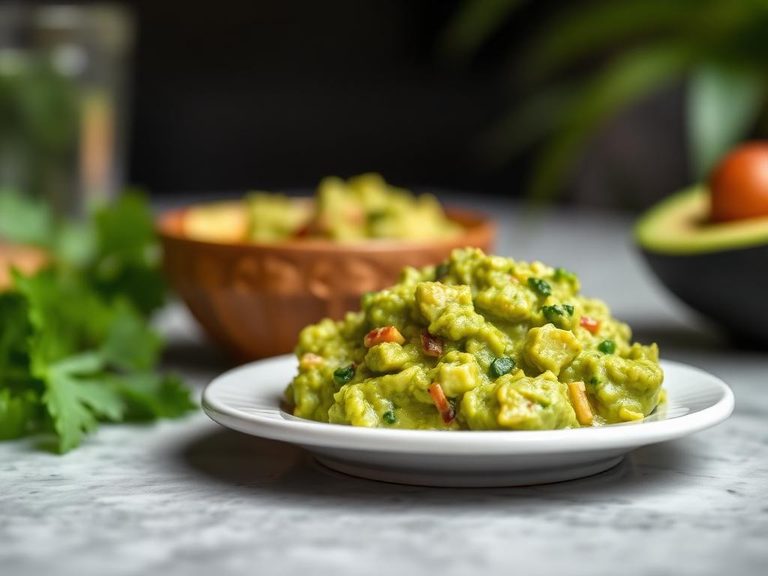
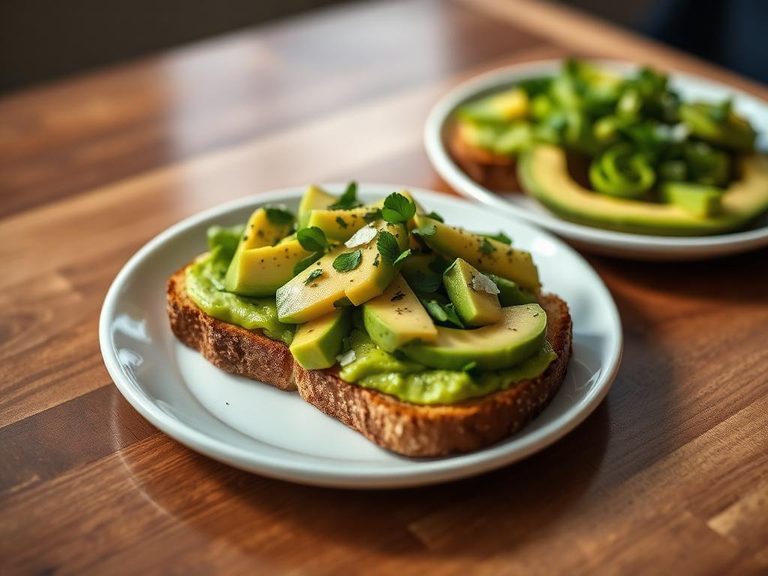
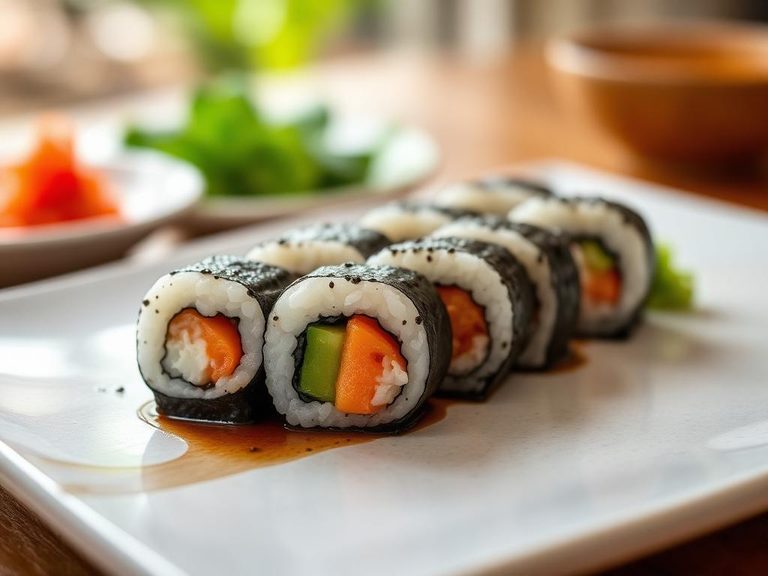
People adore it for its incredibly creamy, almost decadent texture that can transform salads, toast, and smoothies. Its mild, buttery flavor acts as a perfect canvas for a wide range of seasonings and cuisines, from Mexican guacamole to Japanese sushi.
⚠️ Watch-outs & how to enjoy it better
While nutritious, its high fat and calorie density (223 kcal per 100g) can be a concern for those monitoring calorie intake, and its low fiber content in this peeled form may not promote satiety as well as whole fruit. To counteract this, practice portion control and pair it with high-fiber foods like whole-grain toast or leafy greens to enhance fullness.
Key benefits
- Rich source of heart-healthy monounsaturated fats
- Provides a good amount of potassium (more than bananas per serving)
- Contains vitamins K, C, E, and B-6
- Supports nutrient absorption of fat-soluble vitamins
- High in calories, making it an efficient energy source
🍽️ Popular dishes
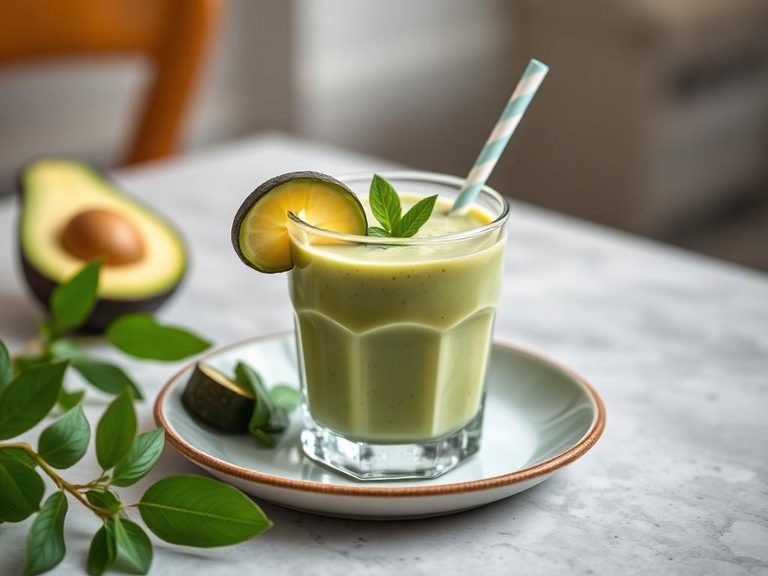
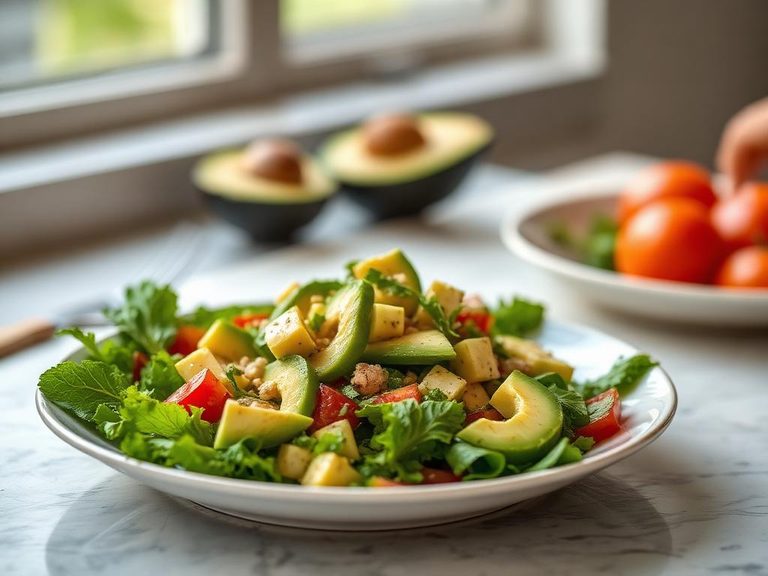
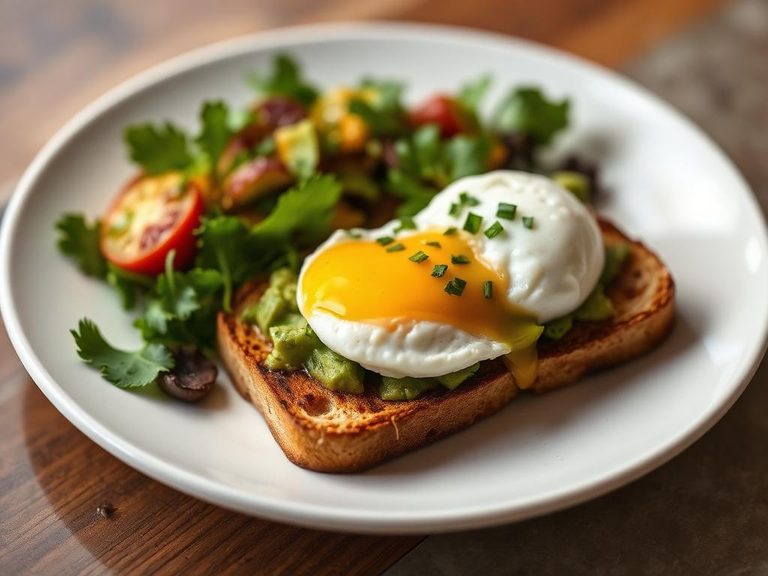
🌍 Where it's eaten
💡 Did you know?
The Hass avocado variety was discovered as a single, accidental seedling in a California backyard in the 1920s and now accounts for over 80% of the world's avocado production.
Full nutrition (USDA data · scales with serving)
| Water | 67.0 g |
| Energy (Atwater General Factors) | 223 kcal |
| Energy (Atwater Specific Factors) | 206 kcal |
| Nitrogen | 0.29 g |
| Protein | 1.8 g |
| Total lipid (fat) | 20.3 g |
| Ash | 2.6 g |
| Carbohydrate, by difference | 8.3 g |
| Calcium, Ca | 14.5 mg |
| Iron, Fe | 0.61 mg |
| Magnesium, Mg | 32.8 mg |
| Phosphorus, P | 42.4 mg |
| Potassium, K | 576 mg |
| Sodium, Na | 0.00 mg |
| Zinc, Zn | 0.46 mg |
| Copper, Cu | 0.28 mg |
| Manganese, Mn | 0.20 mg |
| Vitamin C, total ascorbic acid | 0.00 mg |
| Vitamin B-6 | 0.17 mg |
| Folate, total | 129 ug |
Fat & fatty acid profile (per 100g)
Estimated from Avocados, raw, all commercial varieties — USDA does not publish this profile for Avocado.
| Fatty acids, total saturated | 2.1 g |
| SFA 4:0 | 0.00 g |
| SFA 6:0 | 0.00 g |
| SFA 8:0 | 0.00 g |
| SFA 10:0 | 0.00 g |
| SFA 12:0 | 0.00 g |
| SFA 14:0 | 0.00 g |
| SFA 15:0 | 0.00 g |
| SFA 16:0 | 2.1 g |
| SFA 17:0 | 0.00 g |
| SFA 18:0 | 0.05 g |
| SFA 20:0 | 0.00 g |
| SFA 22:0 | 0.00 g |
| SFA 24:0 | 0.00 g |
| Fatty acids, total monounsaturated | 9.8 g |
| MUFA 14:1 | 0.00 g |
| MUFA 15:1 | 0.00 g |
| MUFA 16:1 | 0.70 g |
| MUFA 17:1 | 0.01 g |
| MUFA 18:1 | 9.1 g |
| MUFA 20:1 | 0.03 g |
| MUFA 22:1 | 0.00 g |
| Fatty acids, total polyunsaturated | 1.8 g |
| PUFA 18:2 | 1.7 g |
| PUFA 18:3 | 0.13 g |
| PUFA 18:3 n-3 c,c,c (ALA) | 0.11 g |
| PUFA 18:3 n-6 c,c,c | 0.01 g |
| PUFA 18:4 | 0.00 g |
| PUFA 20:2 n-6 c,c | 0.00 g |
| PUFA 20:3 | 0.02 g |
| PUFA 20:4 | 0.00 g |
| PUFA 20:5 n-3 (EPA) | 0.00 g |
| PUFA 22:5 n-3 (DPA) | 0.00 g |
| PUFA 22:6 n-3 (DHA) | 0.00 g |
| Fatty acids, total trans | 0.00 g |
| Cholesterol | 0.00 mg |
| Stigmasterol | 2.0 mg |
| Campesterol | 5.0 mg |
| Beta-sitosterol | 76.0 mg |
Amino acid profile (per 100g)
Estimated from Avocados, raw, all commercial varieties — USDA does not publish this profile for Avocado.
| Tryptophan | 0.03 g |
| Threonine | 0.07 g |
| Isoleucine | 0.08 g |
| Leucine | 0.14 g |
| Lysine | 0.13 g |
| Methionine | 0.04 g |
| Cystine | 0.03 g |
| Phenylalanine | 0.10 g |
| Tyrosine | 0.05 g |
| Valine | 0.11 g |
| Arginine | 0.09 g |
| Histidine | 0.05 g |
| Alanine | 0.11 g |
| Aspartic acid | 0.24 g |
| Glutamic acid | 0.29 g |
| Glycine | 0.10 g |
| Proline | 0.10 g |
| Serine | 0.11 g |
FAQ
Is the avocado a fruit or a vegetable?
Botanically, the avocado is a single-seeded berry, making it a fruit. However, it is often treated as a vegetable in culinary contexts due to its savory flavor profile.
Why does the avocado have so much fat?
The high fat content is primarily composed of monounsaturated oleic acid, the same heart-healthy fat found in olive oil. This fat is what gives the avocado its characteristic creamy texture and rich mouthfeel.
How can I tell if an avocado is ripe?
A ripe Hass avocado will yield to gentle pressure when squeezed, and its skin will be dark green to nearly black. The stem should come off easily, revealing a green interior.
Nutrient density (calculated · NRF9.3)
Nutrient Rich Foods index: beneficial nutrients (protein, fiber, vitamins, minerals) minus saturated fat, added sugar & sodium, per 100 kcal.
NRF9.3 index — Fulgoni, Keast & Drewnowski, 2009. Computed from USDA nutrients.
Weight-loss friendliness (composite index)
Energy density 2.23 kcal/g · 3% calories from protein · 0.0 g fiber · 0.0 g sugar per 100 g.
Composite of energy density (Rolls et al., 1999), protein & fiber satiety, minus sugar. A calculated heuristic — ranks satiety-per-calorie, not a clinical measure.
Dietary load (calculated from USDA values)
Potential renal acid load. Positive = acid-forming, negative = alkaline-forming.
Sodium-to-potassium ratio: 0.00 (lower is better — aim for ≤ 1)
Sodium:potassium per WHO potassium guidance. Computed from USDA nutrients.