Mixed into infant cereals
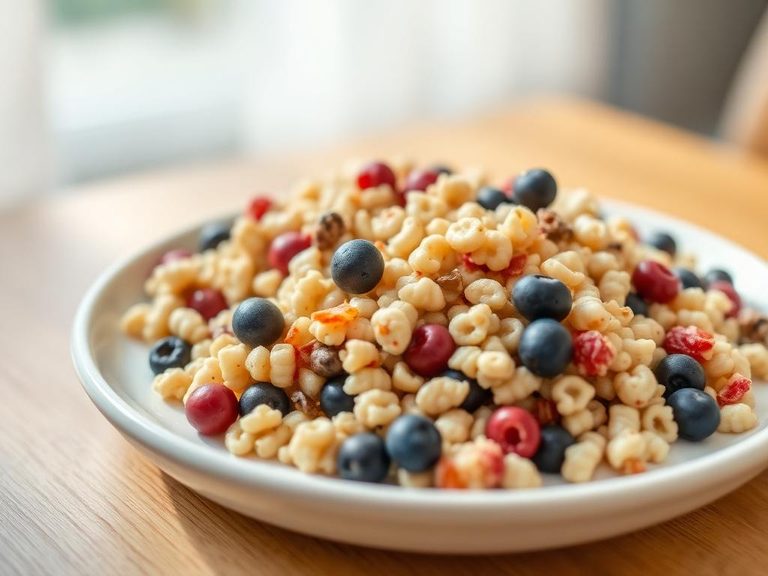
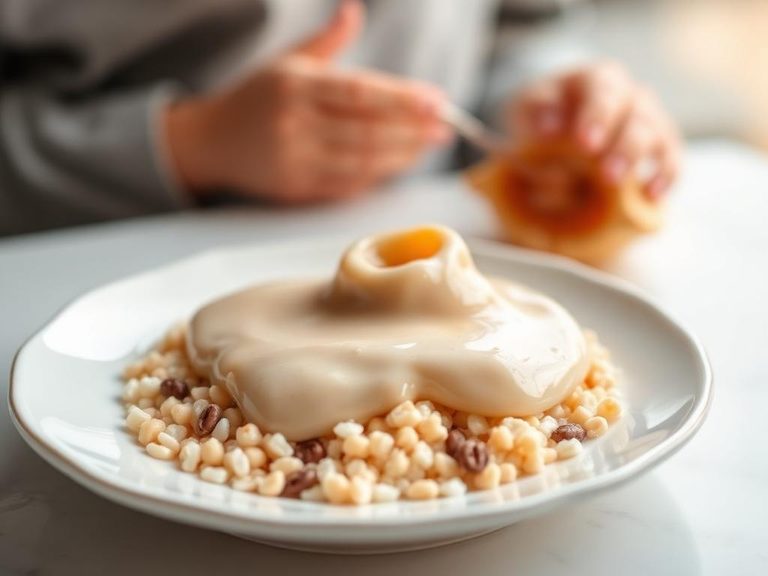
Mixed into infant cereals is not a standalone dish but a common feeding practice where pureed fruits, vegetables, or other nutrient-rich foods are blended into a base of commercially prepared infant cereal. The base cereal is typically made from single grains like rice, oat, or barley, and the mixed-in ingredients vary widely based on the baby's age, dietary needs, and family preferences. This method is a global practice used to introduce new flavors and textures during the weaning stage.
🍽️ Nutrition at a glance
The nutritional profile depends heavily on the base cereal and added ingredients, but it is generally a carbohydrate-rich food designed for easy digestion. It provides essential nutrients like iron, zinc, and B vitamins from the fortified cereal, with added vitamins, minerals, and fiber from the mixed-in fruits or vegetables. A typical serving (cereal plus mixed-in food) might range from 100 to 150 calories.
Nutrition breakdown
| Calories | 120 kcal |
| Protein | 3 g |
| Carbs | 22 g |
| Fat | 2 g |
| Fiber | 2 g |
| Sugar | 6 g |
| Sodium | 60 mg |
| Iron | 10 mg |
| Zinc | 3 mg |
| Vitamin B1 (Thiamin) | 0.3 mg |
| Vitamin B6 | 0.2 mg |
| Folate | 50 mcg |
| Potassium | 180 mg |
| Calcium | 100 mg |
| Phosphorus | 80 mg |
Per 1 cup (about 120 g) of prepared infant cereal mixed with pureed fruit · estimated, varies by recipe
💡 What's interesting
Culturally, this practice reflects a universal approach to infant nutrition, adapting local staple grains and available produce. Nutritionally, it's a key strategy for preventing iron deficiency in infants, as fortified cereals are often the first solid food introduced and are specifically designed to complement breast milk or formula.
🍽️ Related dishes
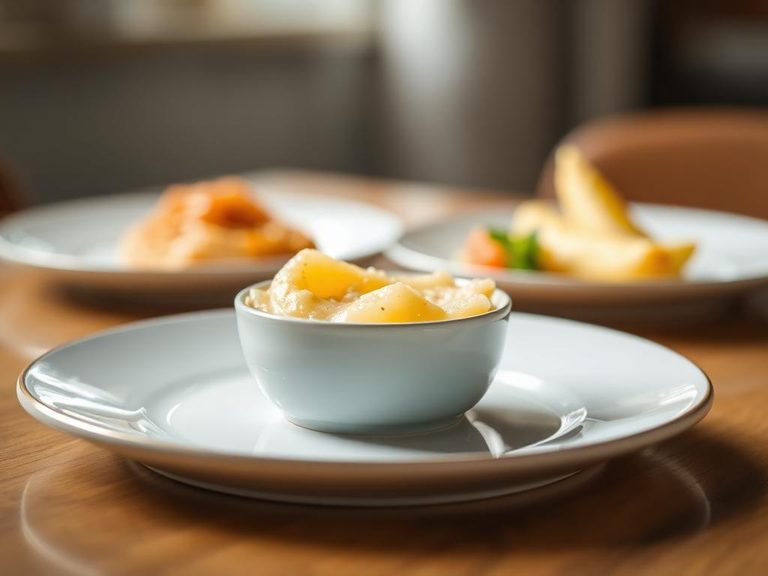 Incorporated into specialized infant purees
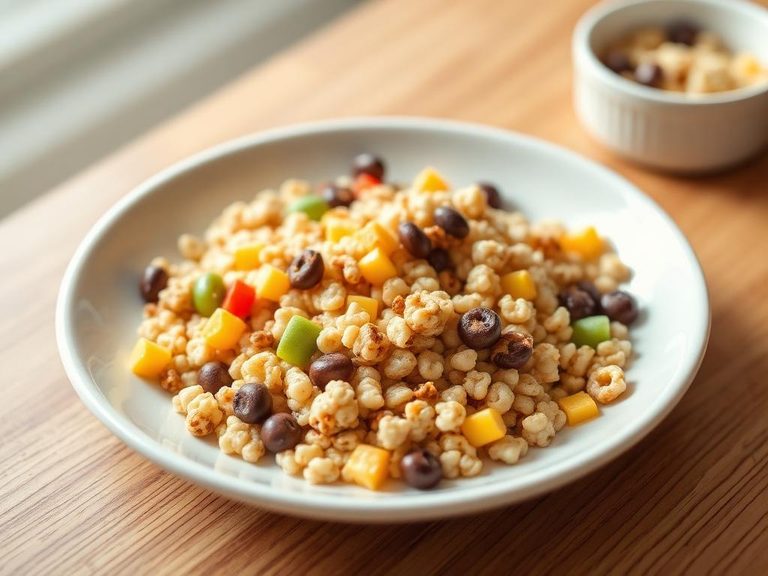 Mixed into cereal for older infants
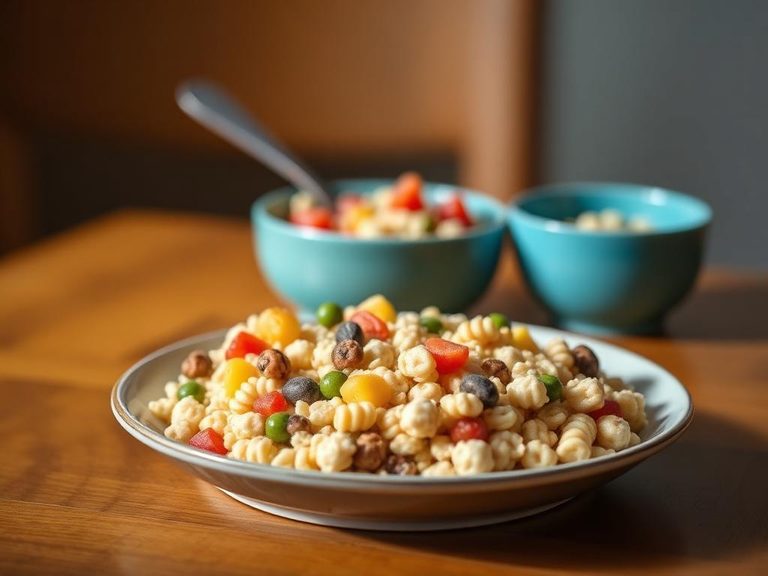 Mixed into specialized premature infant cereal
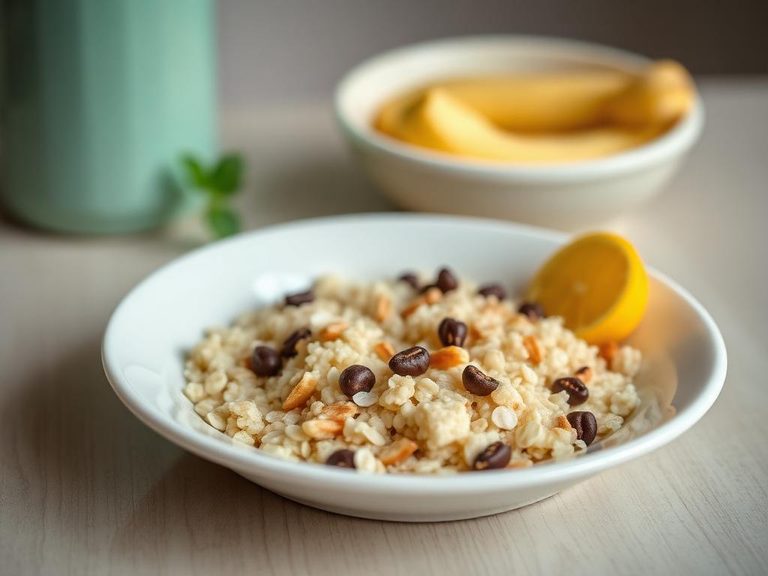 Mixed into infant oatmeal or cereal
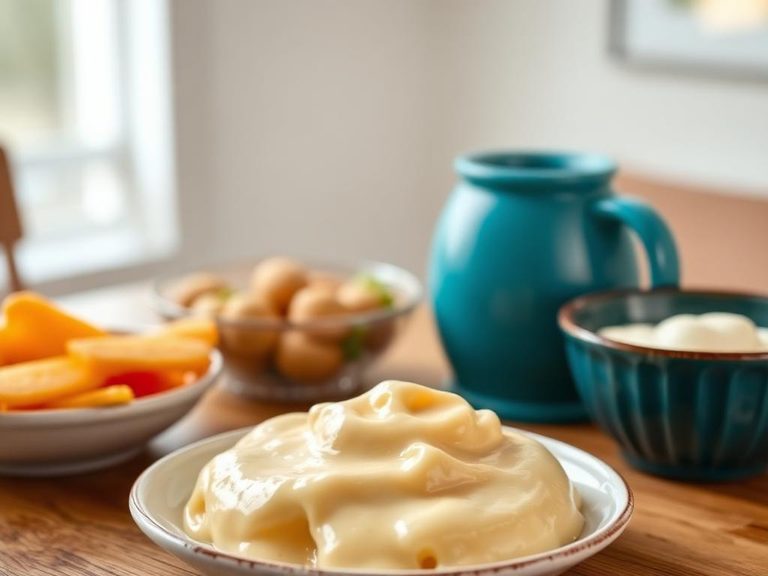 Incorporated into homemade infant formula recipes
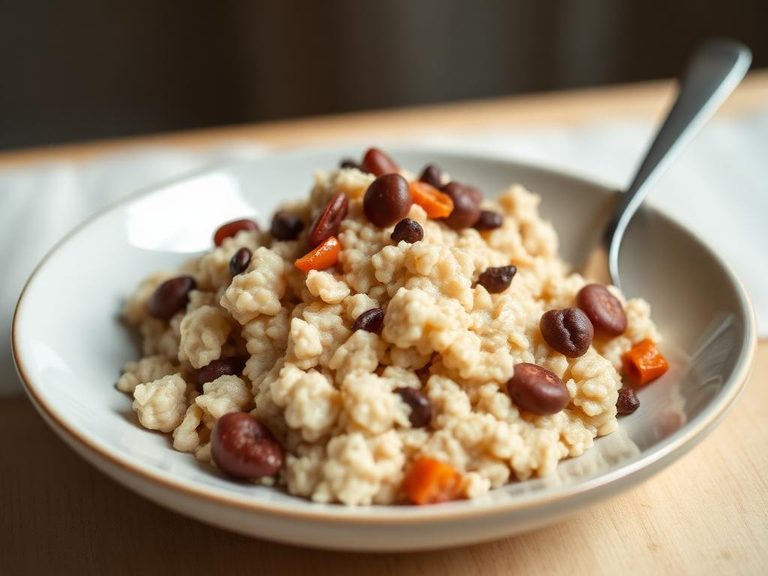 Mixed into oatmeal for older infants
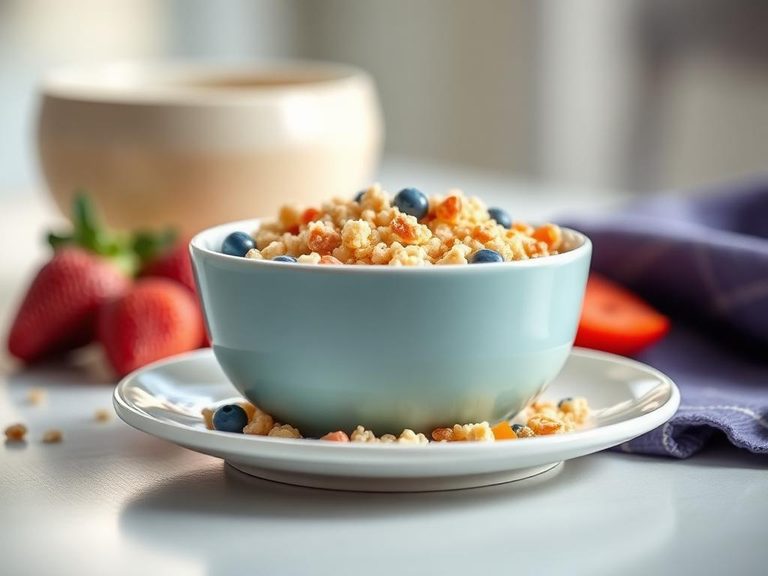 Mixed into infant cereal
 Formula mixed into infant cereal