Mixed into infant cereal for added nutrition
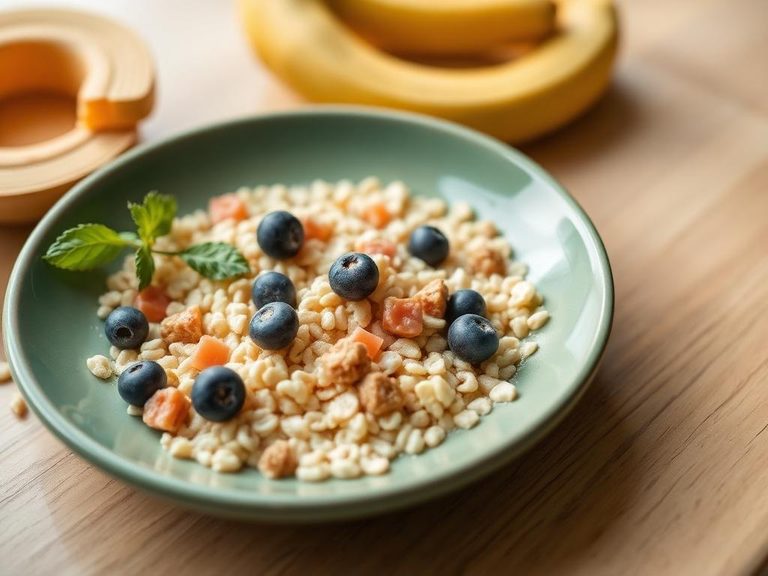
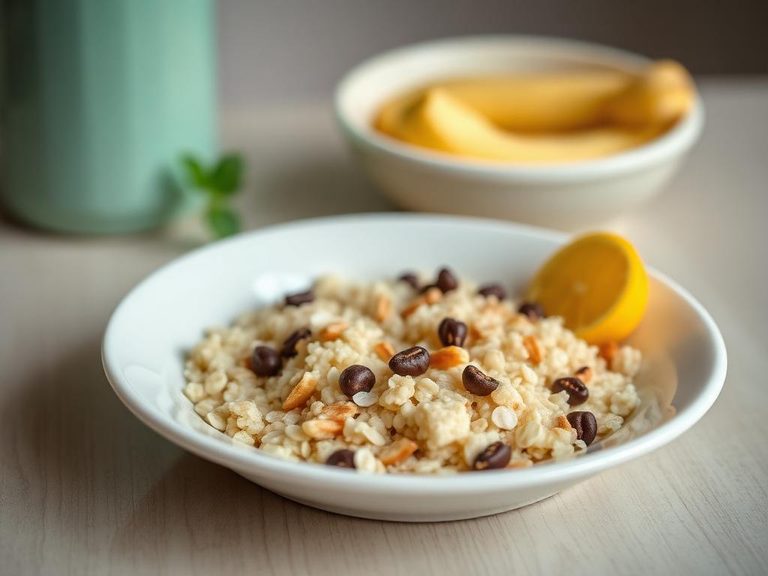
This is not a standalone dish but a common method of enhancing infant cereal by mixing in nutrient-dense foods like pureed fruits, vegetables, or iron-fortified powders. The base is typically a single-grain cereal like rice or oat, which is then combined with additional ingredients to boost its nutritional profile. This practice is widespread in many cultures as a way to introduce solids and ensure babies receive essential nutrients during weaning.
🍽️ Nutrition at a glance
The base cereal is primarily a source of carbohydrates for energy, but the added ingredients can significantly increase the protein, vitamin, and mineral content. A typical serving provides a balanced mix of macronutrients and is often fortified with iron, zinc, and B vitamins, with a calorie range of 100-150 kcal per serving depending on the additions.
Nutrition breakdown
| Calories | 120 kcal |
| Protein | 3 g |
| Carbs | 22 g |
| Fat | 2 g |
| Fiber | 2.5 g |
| Sugar | 5 g |
| Sodium | 50 mg |
| Iron | 4 mg |
| Zinc | 2 mg |
| Vitamin B1 (Thiamin) | 0.3 mg |
| Vitamin B2 (Riboflavin) | 0.3 mg |
| Niacin (B3) | 4 mg |
| Vitamin B6 | 0.2 mg |
| Folate | 50 mcg |
| Potassium | 150 mg |
Per 1 prepared serving (approx. 120 g) · estimated, varies by recipe
💡 What's interesting
Culturally, this practice reflects a universal caregiving instinct to provide the best start in life, with the specific mix-ins often reflecting local agricultural staples and traditional beliefs about infant nutrition. Nutritionally, it's a practical strategy to increase the nutrient density of a simple, easily digestible food during a critical developmental window.
🍽️ Related dishes
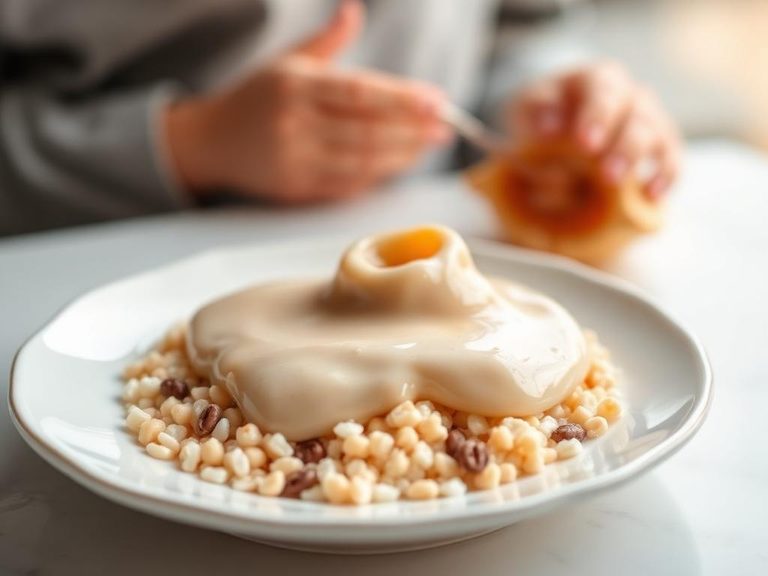 Formula mixed into infant cereal
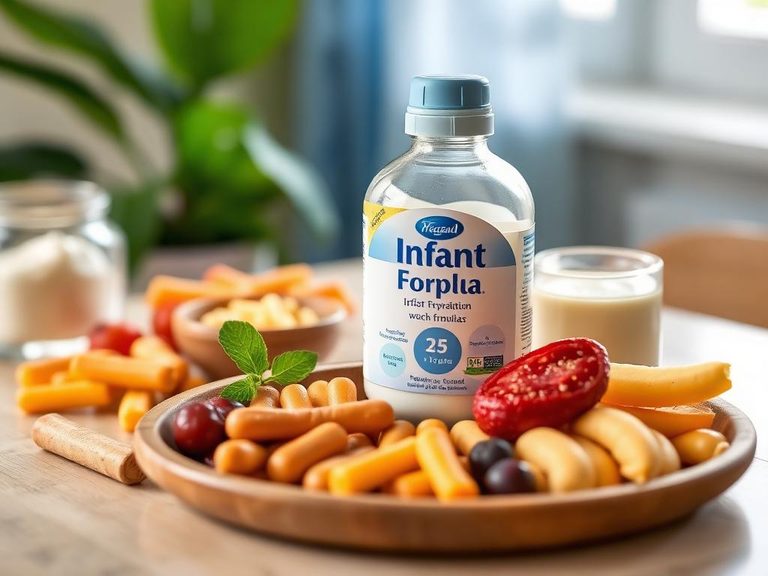 Infant formula and nutritional supplements
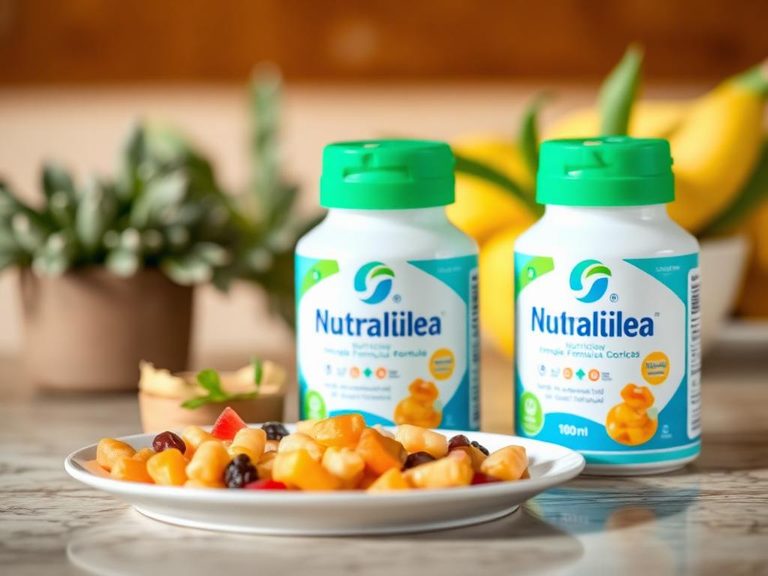 Nutritional Supplement in Infant Formulas
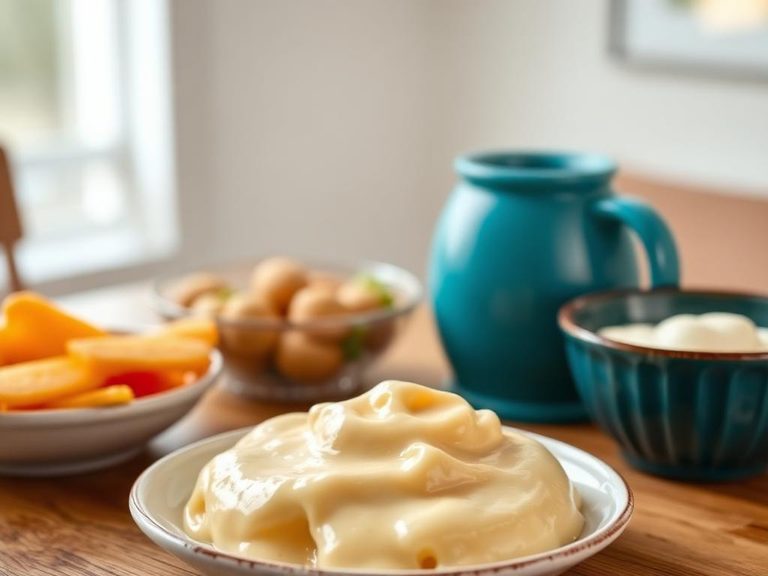 Incorporated into homemade infant formula recipes
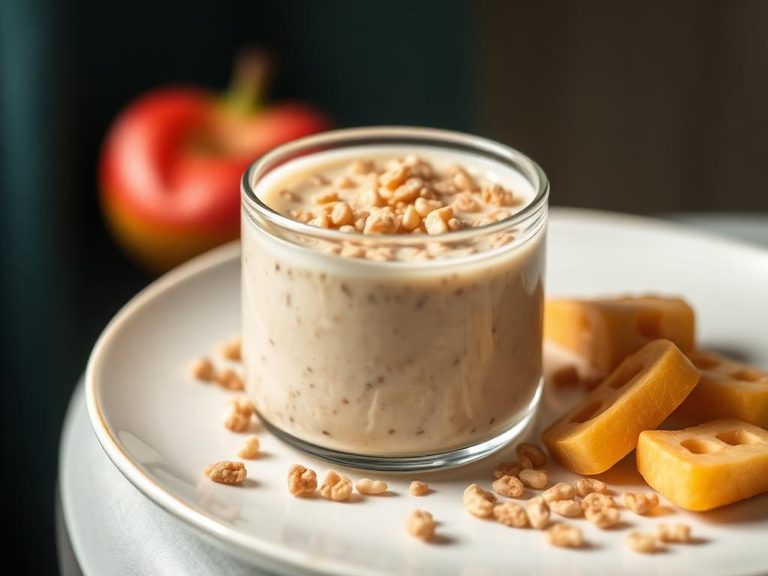 Homemade infant cereal fortifier
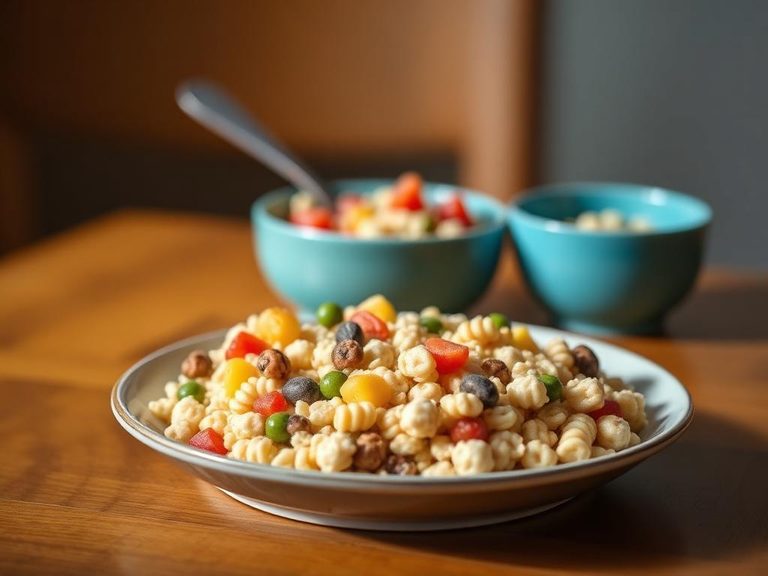 Mixed into specialized premature infant cereal
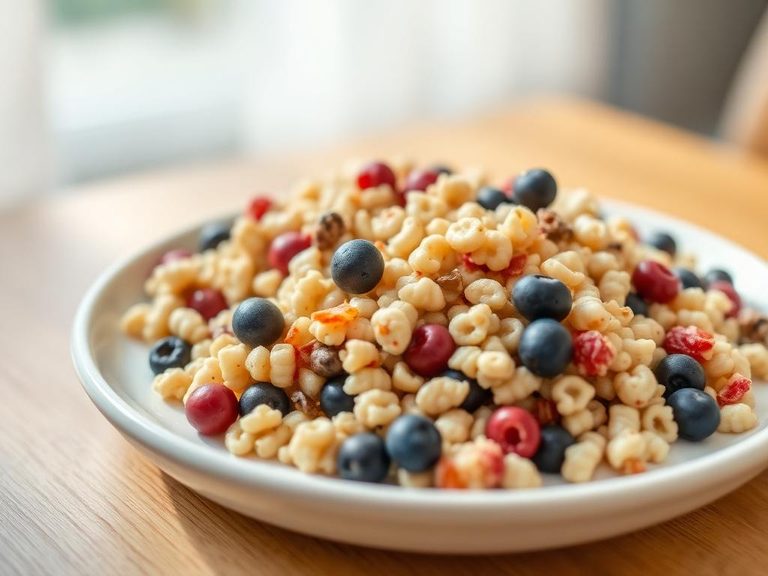 Mixed into infant cereals
 Mixed into infant oatmeal or cereal