Homemade infant cereal fortifier
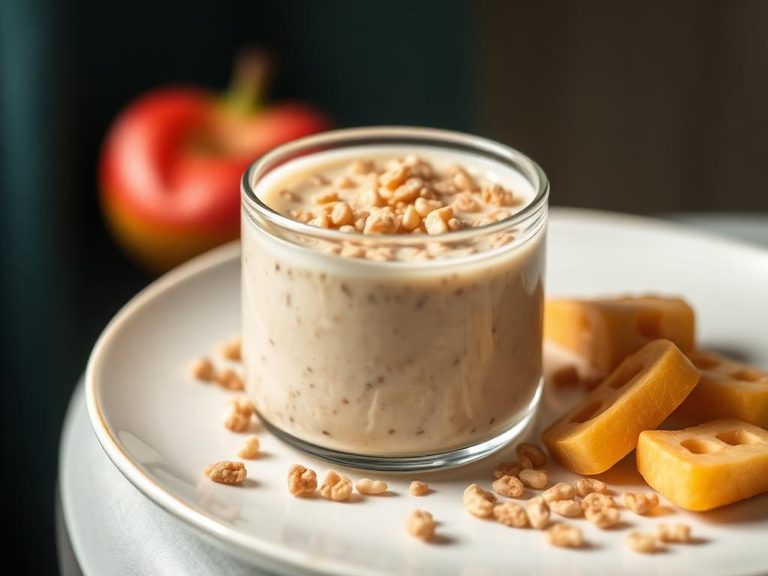
Homemade infant cereal fortifier is a nutrient-dense, customizable blend of finely ground grains, legumes, seeds, and dried foods designed to boost the nutritional value of an infant's diet. It is typically made by roasting and grinding ingredients like oats, lentils, quinoa, flaxseed, and dried fruits into a powder, which is then mixed into porridge, yogurt, or purees. This practice is common in many cultures, particularly in South Asia and parts of Africa, where it's known as 'Sathu Maavu' or 'Cerelac' alternatives.
🍽️ Nutrition at a glance
This fortifier is primarily a carbohydrate-rich energy source, but its true value lies in being a balanced blend of plant-based protein, healthy fats, and essential micronutrients. A single tablespoon serving (about 10g) provides a calorie-dense boost of approximately 40-45 kcal, along with key nutrients like iron, zinc, and B vitamins crucial for infant growth.
Nutrition breakdown
| Calories | 42 kcal |
| Protein | 1.5 g |
| Carbs | 6.5 g |
| Fat | 1.2 g |
| Fiber | 0.8 g |
| Sugar | 0.3 g |
| Sodium | 5 mg |
| Iron | 1.2 mg |
| Zinc | 0.4 mg |
| Thiamin (B1) | 0.05 mg |
| Folate | 15 µg |
| Magnesium | 15 mg |
| Phosphorus | 30 mg |
| Potassium | 45 mg |
| Manganese | 0.3 mg |
Per 1 tablespoon (10 g) · estimated, varies by recipe
💡 What's interesting
What makes this dish unique is its role as a 'food as medicine' tradition, allowing caregivers to address specific nutritional gaps (like iron or protein) with locally available ingredients. It represents a practical, cultural adaptation to support infant nutrition before the widespread availability of commercial fortified cereals.
🍽️ Related dishes
 Fortifier for premature infant diets
 Mixed with fortifier for higher calorie density
 Mixed with fortifier for higher-calorie feeds.
 Cottonseed protein fortifier in baked goods
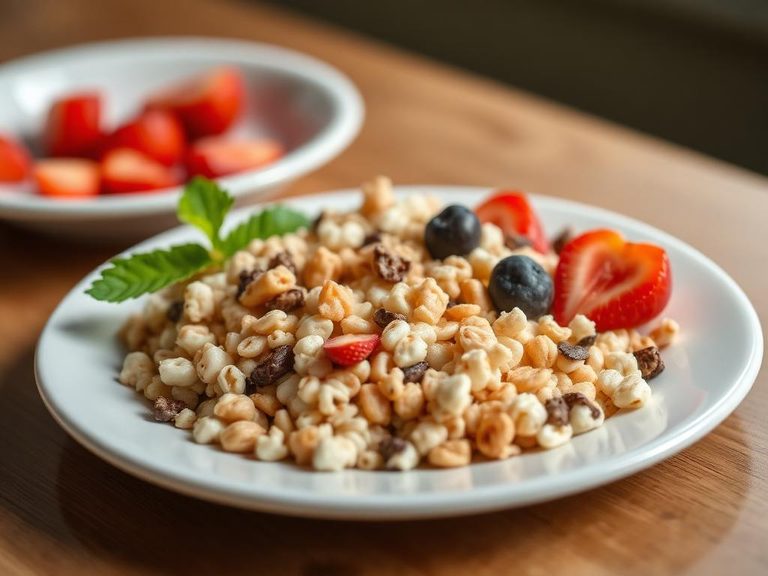 Mixed with Cereal for Older Infants
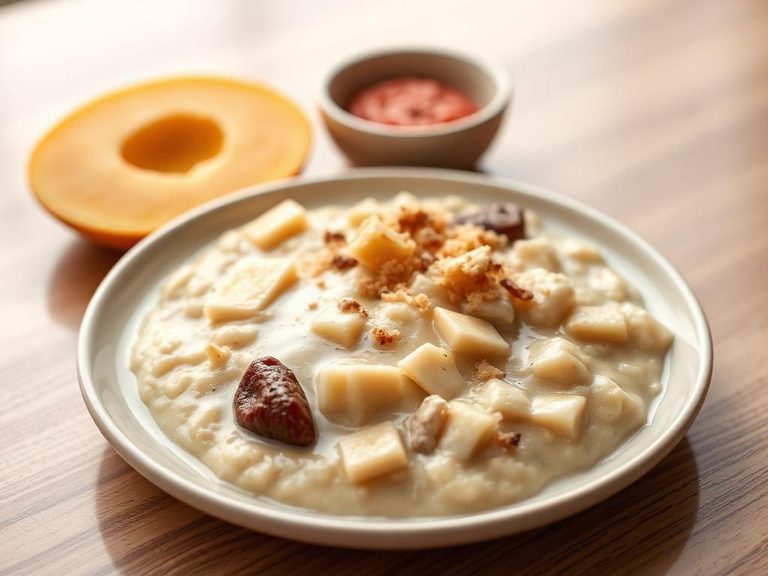 Used as a liquid base for infant oatmeal or cereal
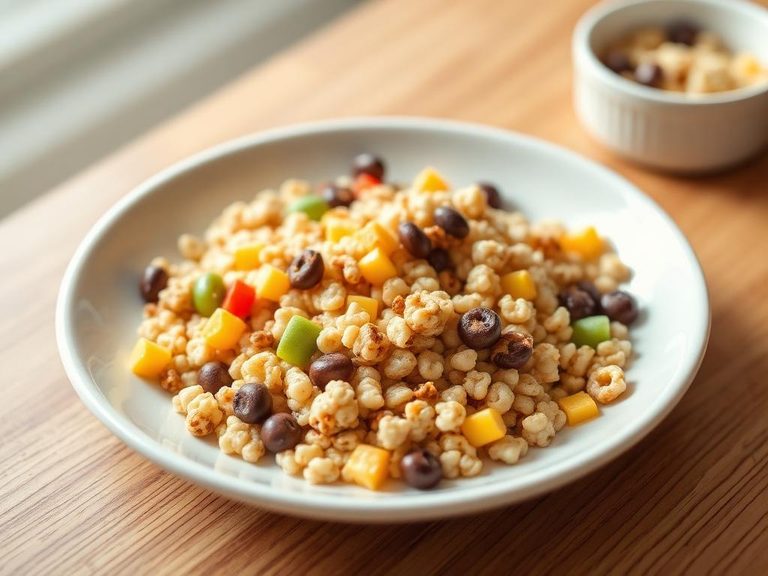 Mixed into cereal for older infants
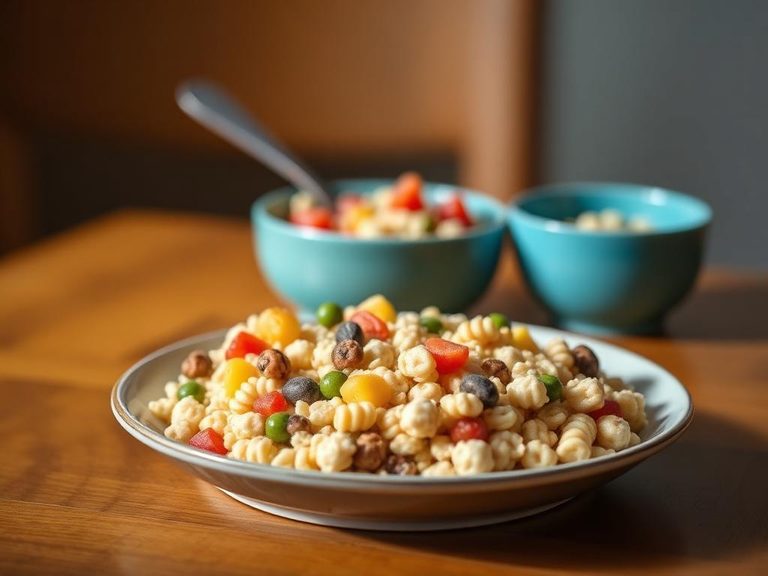 Mixed into specialized premature infant cereal