

Lentils, dry
Whole food · Legumes and Legume Products
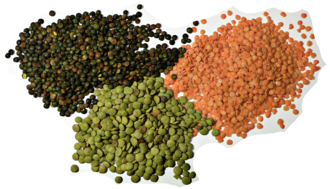
Photo: Wikipedia
Dried lentils are small, lens-shaped legumes that cook quickly without soaking, offering a hearty, earthy flavor and a texture that ranges from firm to creamy depending on the variety. Nutritionally, they are a powerhouse of plant-based protein and complex carbohydrates, providing sustained energy with minimal fat. Their ability to absorb flavors while maintaining a satisfying bite makes them a staple in kitchens worldwide.
Calorie split: 26% protein · 69% carbs · 5% fat
↓ Full nutrition💚 Why it's loved
People love lentils for their incredible versatility—they act as a blank canvas for spices, herbs, and aromatics, making them equally at home in a spicy Indian dal, a French lentil salad, or a hearty Mexican soup. They are also celebrated for being an affordable, shelf-stable, and quick-cooking source of complete nutrition.
⚠️ Watch-outs & how to enjoy it better
Some may experience digestive discomfort or gas due to their high fiber and oligosaccharide content. To counteract this, start with smaller portions, rinse them thoroughly, and consider adding digestive spices like cumin, ginger, or asafoetida (hing) during cooking. Also, note that the provided nutritional data shows 0g fiber, which is unusual for lentils and may indicate a specific processed form; whole lentils are typically high in fiber.
Key benefits
- Excellent source of plant-based protein (23.6g per 100g dry)
- Rich in complex carbohydrates for sustained energy
- Naturally low in fat (1.9g per 100g dry)
- Good source of iron and folate
- Cook quickly without requiring overnight soaking
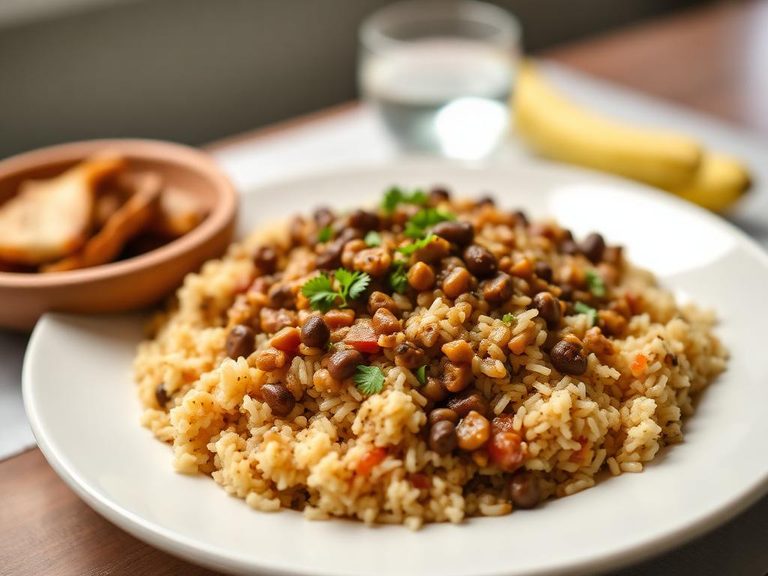
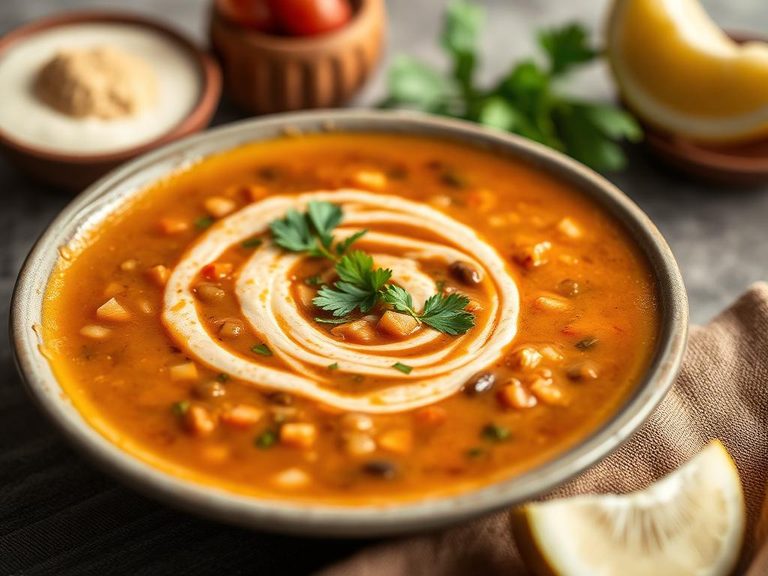
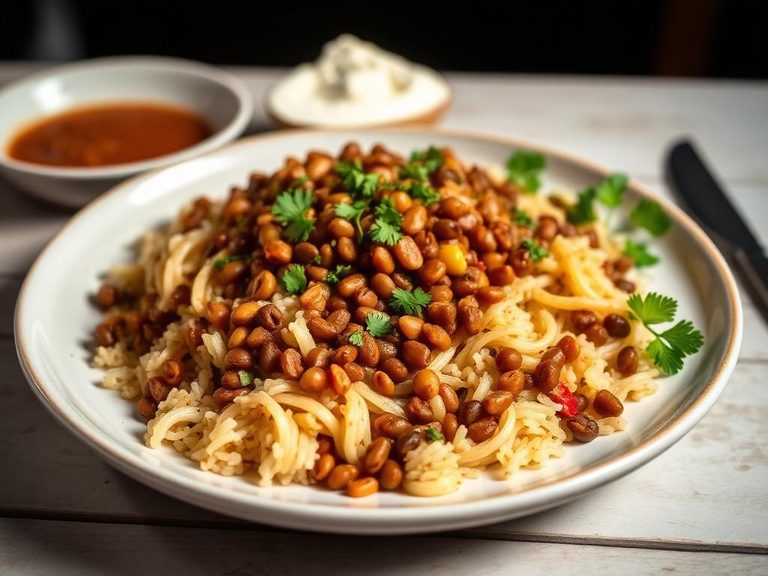
🍽️ Popular dishes
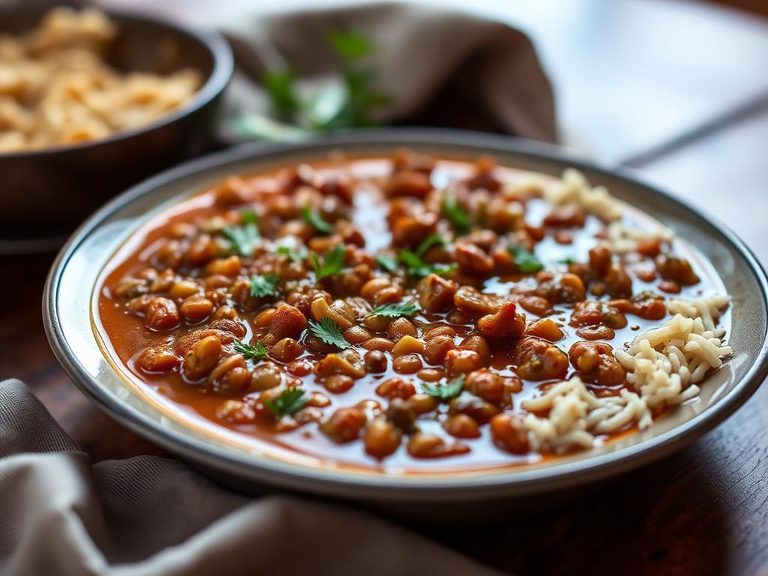
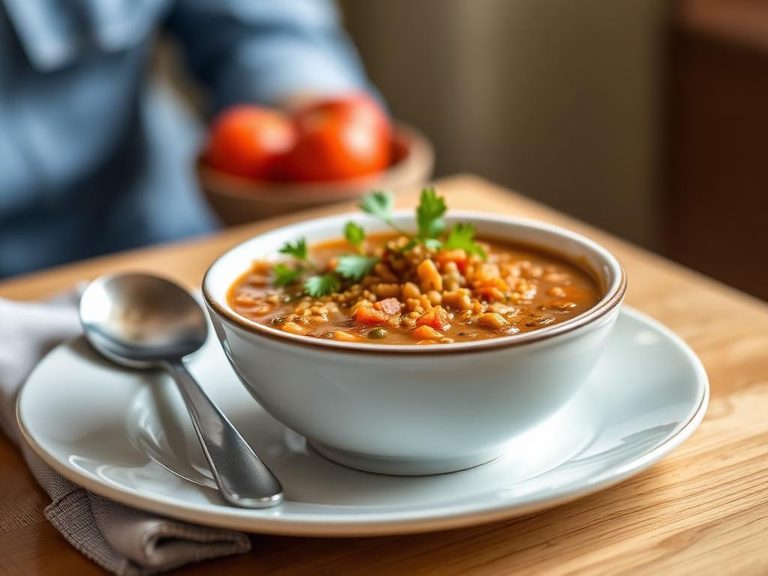
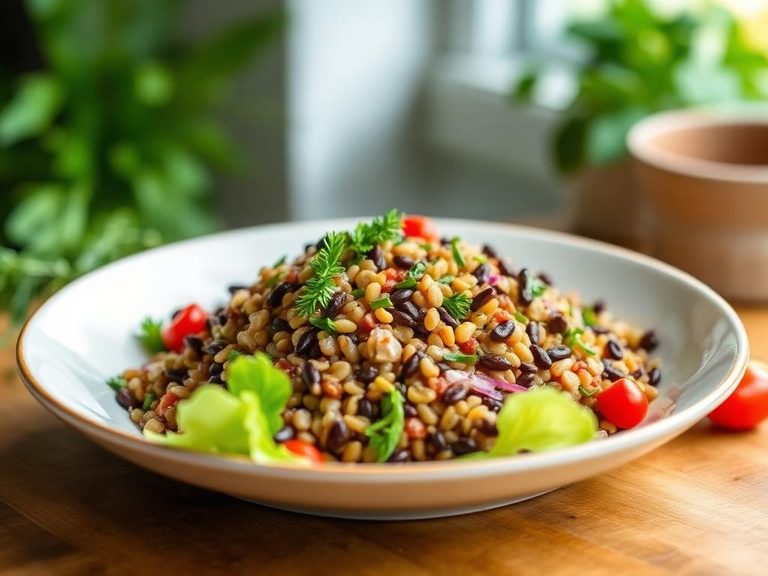
🌍 Where it's eaten
💡 Did you know?
The name 'lentil' comes from the Latin word 'lens' because of their shape, and they are one of the oldest known cultivated crops, with evidence of their use dating back over 8,000 years in the Near East.
Full nutrition (USDA data · scales with serving)
| Water | 9.5 g |
| Energy (Atwater General Factors) | 360 kcal |
| Energy (Atwater Specific Factors) | 351 kcal |
| Nitrogen | 3.8 g |
| Protein | 23.6 g |
| Total lipid (fat) | 1.9 g |
| Ash | 2.9 g |
| Carbohydrate, by difference | 62.2 g |
| Starch | 37.1 g |
| Resistant starch | 16.0 g |
| Calcium, Ca | 61.9 mg |
| Iron, Fe | 7.2 mg |
| Magnesium, Mg | 107 mg |
| Phosphorus, P | 374 mg |
| Potassium, K | 949 mg |
| Sodium, Na | 0.00 mg |
| Zinc, Zn | 3.9 mg |
| Copper, Cu | 0.84 mg |
| Manganese, Mn | 1.6 mg |
Fat & fatty acid profile (per 100g)
Estimated from Lentils, raw — USDA does not publish this profile for Lentils.
| Fatty acids, total saturated | 0.15 g |
| SFA 4:0 | 0.00 g |
| SFA 6:0 | 0.00 g |
| SFA 8:0 | 0.00 g |
| SFA 10:0 | 0.00 g |
| SFA 12:0 | 0.00 g |
| SFA 14:0 | 0.00 g |
| SFA 16:0 | 0.14 g |
| SFA 18:0 | 0.01 g |
| Fatty acids, total monounsaturated | 0.19 g |
| MUFA 16:1 | 0.00 g |
| MUFA 18:1 | 0.18 g |
| MUFA 20:1 | 0.01 g |
| MUFA 22:1 | 0.00 g |
| Fatty acids, total polyunsaturated | 0.53 g |
| PUFA 18:2 | 0.41 g |
| PUFA 18:3 | 0.11 g |
| PUFA 18:4 | 0.00 g |
| PUFA 20:4 | 0.00 g |
| PUFA 20:5 n-3 (EPA) | 0.00 g |
| PUFA 22:5 n-3 (DPA) | 0.00 g |
| PUFA 22:6 n-3 (DHA) | 0.00 g |
| Fatty acids, total trans | 0.00 g |
| Cholesterol | 0.00 mg |
Amino acid profile (per 100g)
Estimated from Lentils, raw — USDA does not publish this profile for Lentils.
| Tryptophan | 0.22 g |
| Threonine | 0.88 g |
| Isoleucine | 1.1 g |
| Leucine | 1.8 g |
| Lysine | 1.7 g |
| Methionine | 0.21 g |
| Cystine | 0.32 g |
| Phenylalanine | 1.2 g |
| Tyrosine | 0.66 g |
| Valine | 1.2 g |
| Arginine | 1.9 g |
| Histidine | 0.69 g |
| Alanine | 1.0 g |
| Aspartic acid | 2.7 g |
| Glutamic acid | 3.8 g |
| Glycine | 1.0 g |
| Proline | 1.0 g |
| Serine | 1.1 g |
FAQ
Do I need to soak dried lentils before cooking?
No, unlike many other dried beans, lentils do not require soaking. They cook relatively quickly (15-25 minutes for most varieties) and can go straight from the package to the pot after rinsing.
What's the difference between red, green, and black lentils?
Red and yellow lentils are often split and hulled, cooking very quickly into a soft, creamy texture ideal for purees and dals. Green and brown lentils hold their shape better, making them perfect for salads and soups. Black (beluga) lentils are small, glossy, and firm, often used in elegant dishes.
How do I store dried lentils?
Store them in a cool, dark place in an airtight container. They can last for 1-2 years. Once cooked, refrigerate leftovers in an airtight container for up to 5 days or freeze for up to 3 months.
Nutrient density (calculated · NRF9.3)
Nutrient Rich Foods index: beneficial nutrients (protein, fiber, vitamins, minerals) minus saturated fat, added sugar & sodium, per 100 kcal.
NRF9.3 index — Fulgoni, Keast & Drewnowski, 2009. Computed from USDA nutrients.
Weight-loss friendliness (composite index)
Energy density 3.60 kcal/g · 26% calories from protein · 0.0 g fiber · 0.0 g sugar per 100 g.
Composite of energy density (Rolls et al., 1999), protein & fiber satiety, minus sugar. A calculated heuristic — ranks satiety-per-calorie, not a clinical measure.
Dietary load (calculated from USDA values)
Potential renal acid load. Positive = acid-forming, negative = alkaline-forming.
Sodium-to-potassium ratio: 0.00 (lower is better — aim for ≤ 1)
Sodium:potassium per WHO potassium guidance. Computed from USDA nutrients.