Fortifier for premature infant diets

A 'Fortifier for premature infant diets' is a specialized nutritional supplement, typically a powder, added to breast milk or formula to provide extra calories, protein, and nutrients. It is not a traditional dish but a medical nutrition product developed in neonatal intensive care units (NICUs) worldwide. Its composition is scientifically formulated based on human milk analysis.
🍽️ Nutrition at a glance
This product is engineered to be high in protein and calories to support rapid growth, with a balanced profile of fat and carbohydrates. Key nutrients include calcium, phosphorus, and DHA, with a typical serving adding approximately 25-40 kcal to the infant's feed.
Nutrition breakdown
| Calories | 35 kcal |
| Protein | 2.5 g |
| Carbs | 3 g |
| Fat | 1.5 g |
| Fiber | 0 g |
| Sugar | 1.5 g |
| Sodium | 25 mg |
| Calcium | 80 mg |
| Phosphorus | 45 mg |
| Iron | 1.5 mg |
| Zinc | 1.0 mg |
| Vitamin D | 2.0 mcg |
| Vitamin E | 1.5 mg |
| DHA (Omega-3) | 15 mg |
| Sodium | 25 mg |
Per 1 packet (approx. 5 g) · estimated, varies by recipe
💡 What's interesting
Its creation is a direct application of nutritional science to medicine, often tailored to the specific needs of an individual infant. It represents a fascinating intersection where clinical research directly shapes the 'ingredients' of a diet.
🍽️ Related dishes
 Homemade infant cereal fortifier
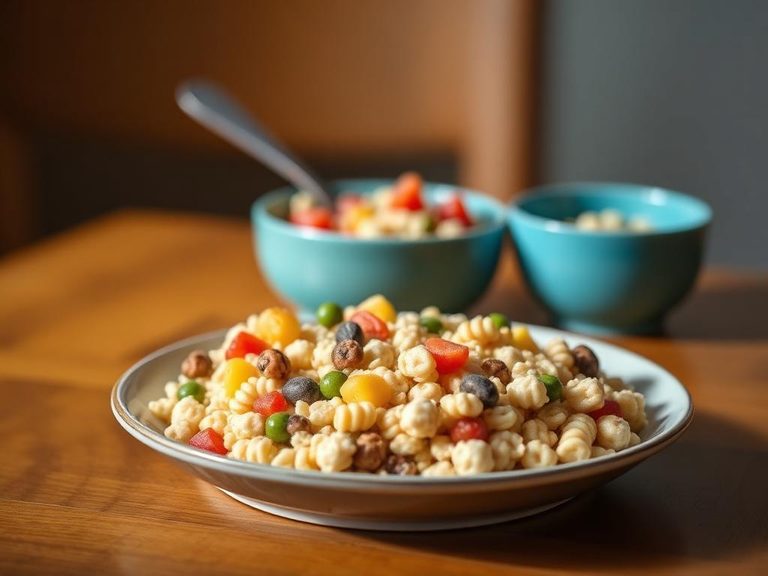 Mixed into specialized premature infant cereal
 Primary feeding for premature infants in NICUs.
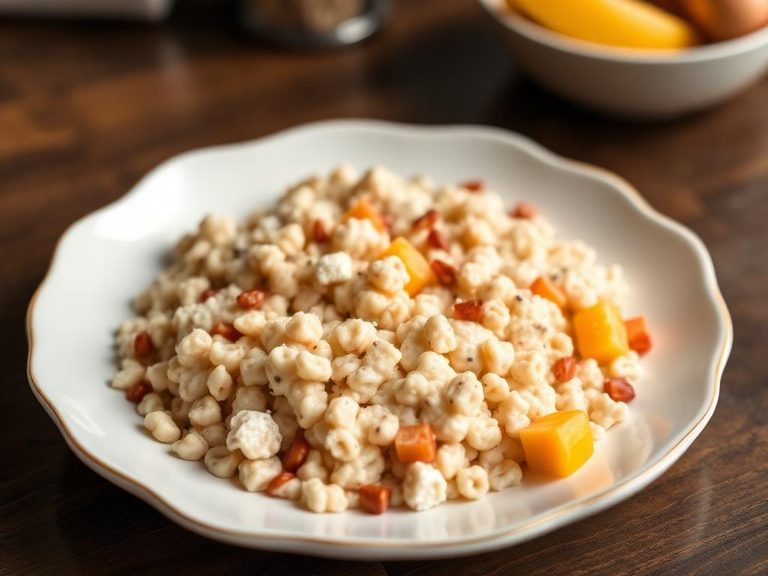 Used as a base for premature infant cereal blends.
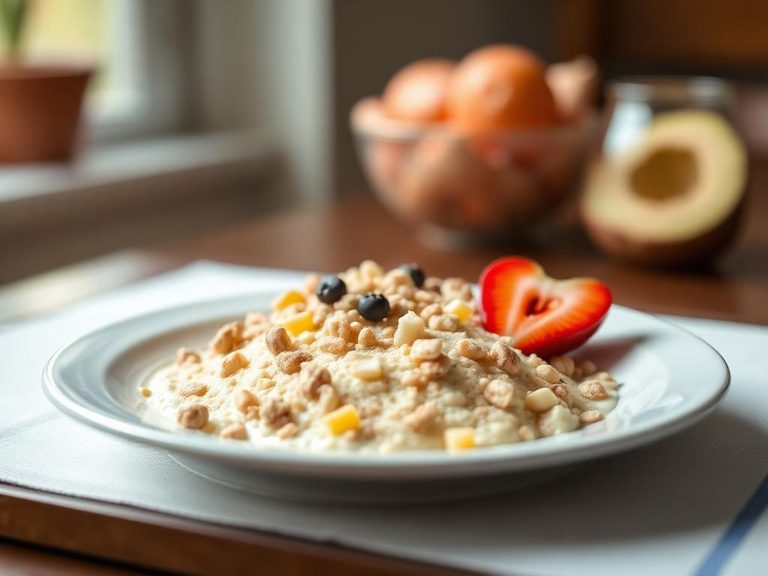 Used as a base for premature infant cereal
 Mixed with fortifier for higher calorie density
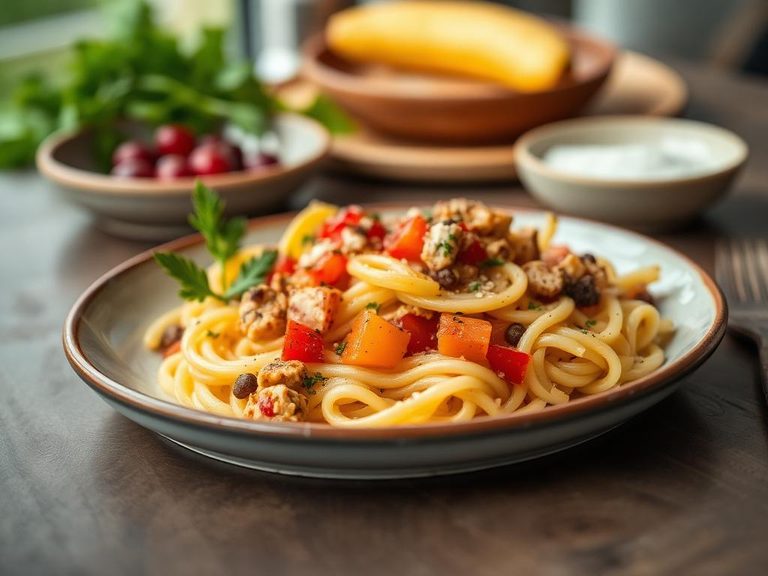 Mixed with fortifier for higher-calorie feeds.
 Cottonseed protein fortifier in baked goods