Added to smoothies for older babies
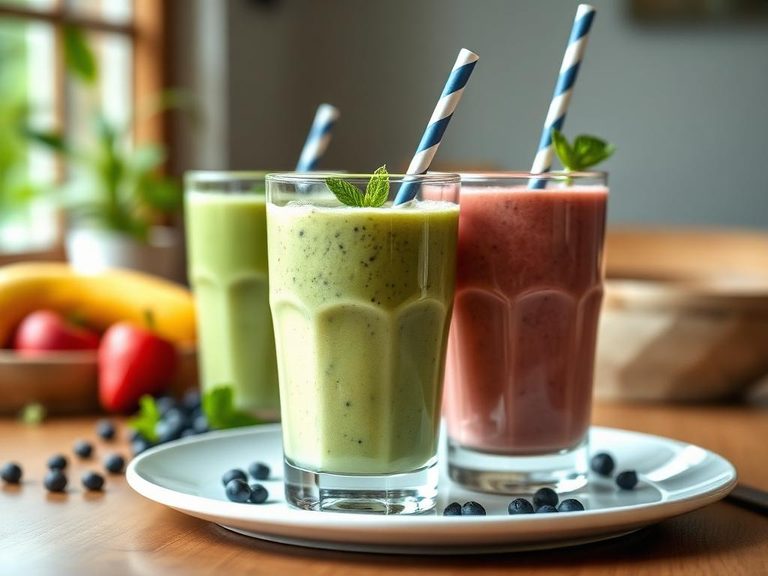
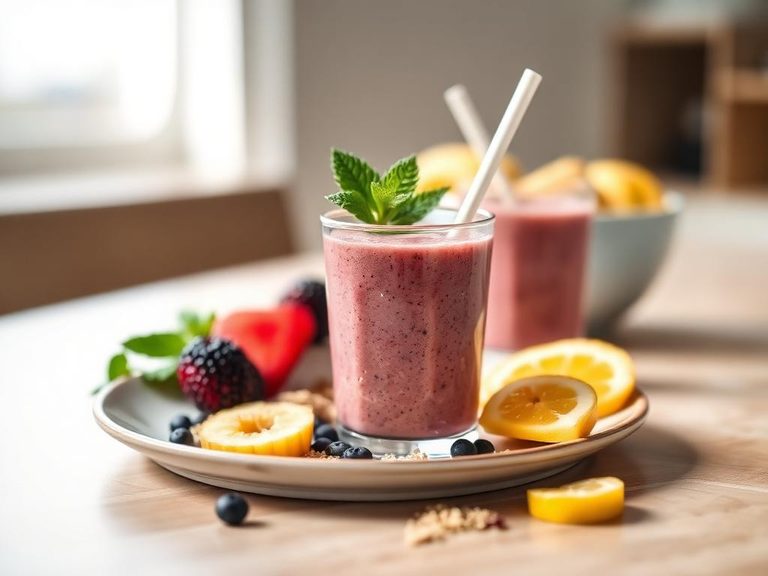
This isn't a single dish but a common practice of adding nutrient-dense foods to smoothies for older babies (typically 6+ months). Common additions include mashed avocado, banana, cooked sweet potato, or full-fat yogurt, blended with breast milk, formula, or water. It's a global practice for introducing solids in a smooth, familiar format.
🍽️ Nutrition at a glance
These additions are generally high in complex carbohydrates and healthy fats, providing energy for growth. Key nutrients include potassium, vitamin A, vitamin C, and calcium, with a calorie range of 70-150 per serving depending on the specific ingredients used.
Nutrition breakdown
| Calories | 90 kcal |
| Protein | 1.5 g |
| Carbs | 21 g |
| Fat | 0.5 g |
| Fiber | 3.5 g |
| Sugar | 12 g |
| Sodium | 5 mg |
| Vitamin C | 10 mg |
| Potassium | 200 mg |
| Vitamin A | 150 mcg RAE |
| Vitamin B6 | 0.1 mg |
| Folate | 30 mcg DFE |
| Magnesium | 20 mg |
| Manganese | 0.3 mg |
| Vitamin K | 5 mcg |
Per 1/2 cup (120 g) · estimated, varies by recipe
💡 What's interesting
This approach leverages the natural sweetness and smooth texture of fruits and vegetables to make new flavors appealing, while the fat content (like from avocado or yogurt) is crucial for brain development in infants.
🍽️ Related dishes
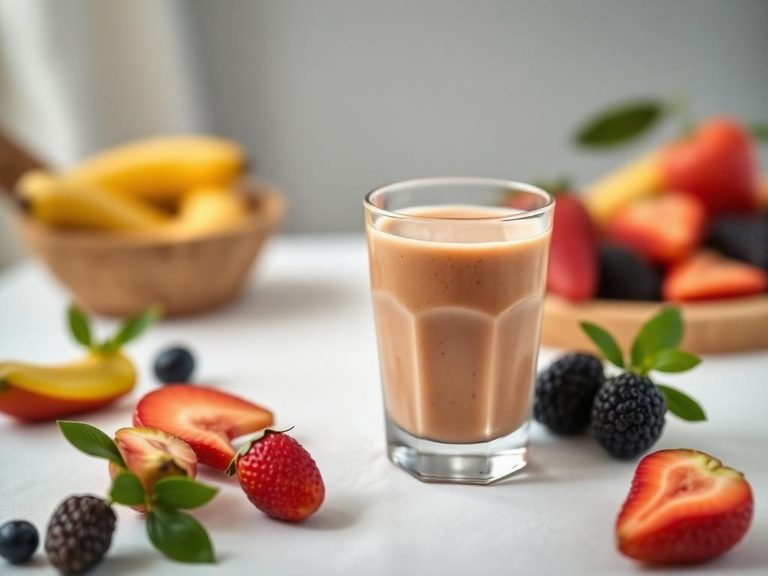 Formula-based fruit smoothie for older babies
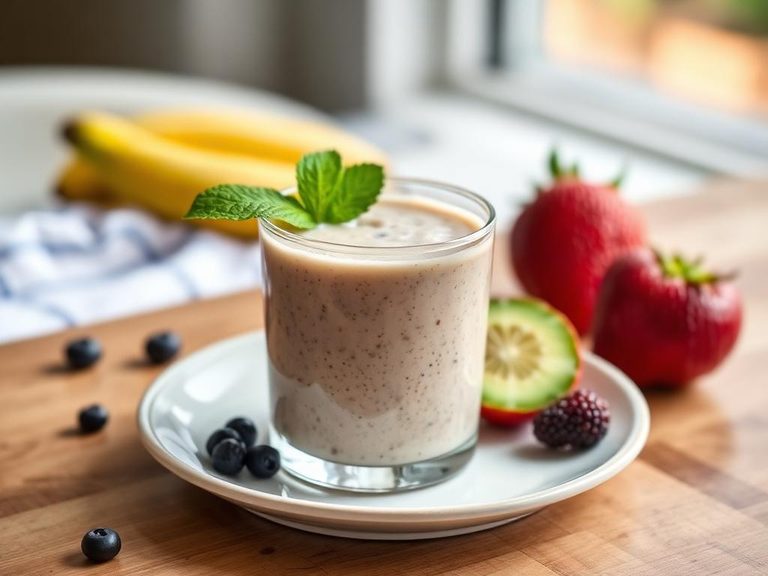 Formula-based smoothie for older babies
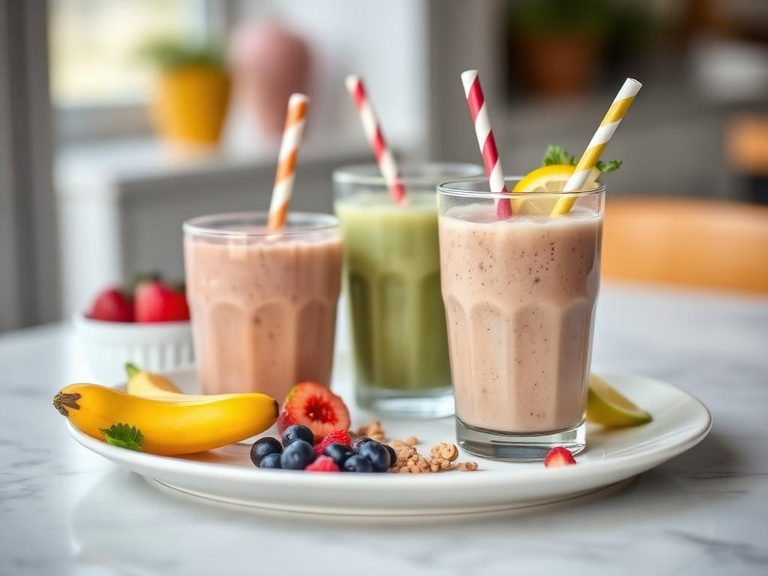 Added to smoothies for older toddlers
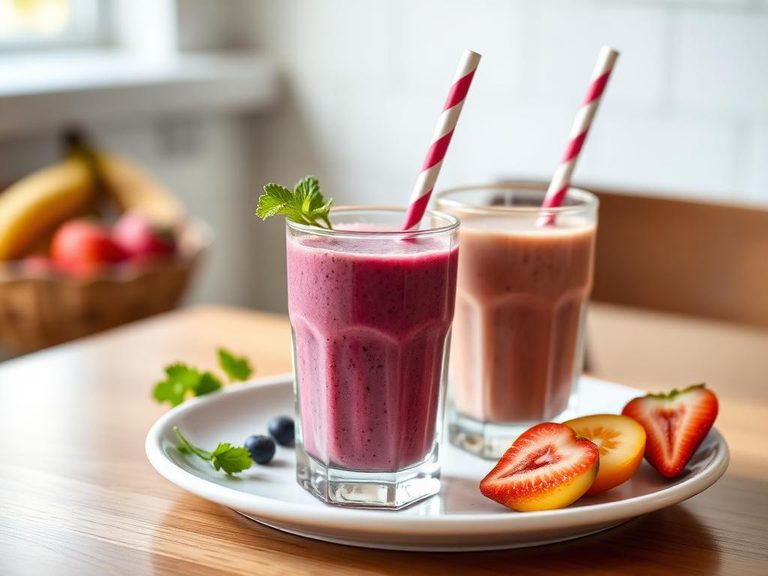 Added to smoothies for older children
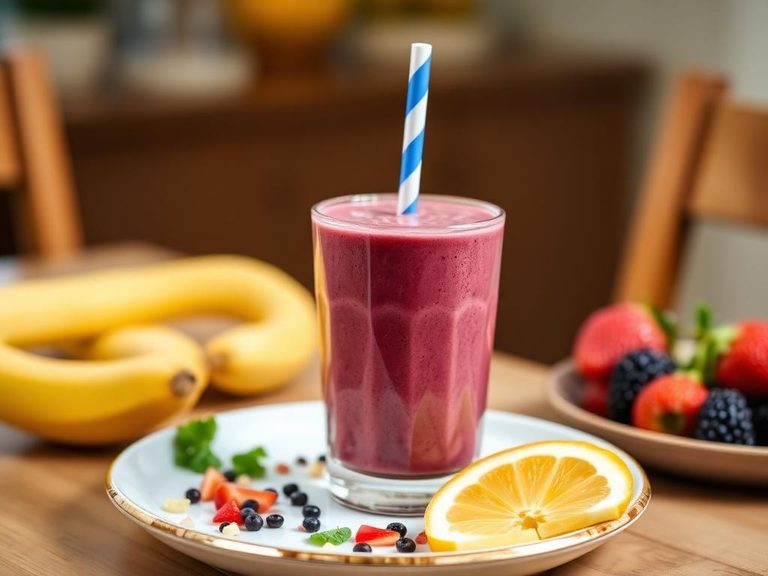 Added to smoothies for toddlers transitioning off formula
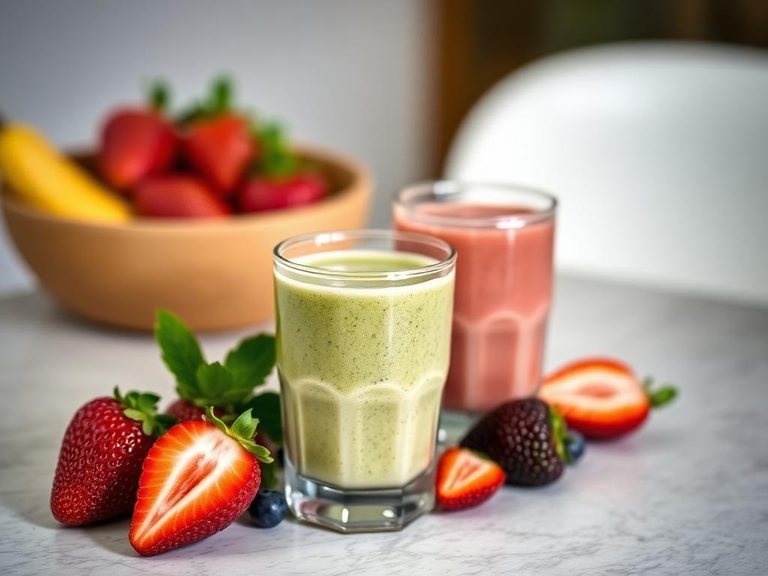 Blended into fruit smoothies for older toddlers
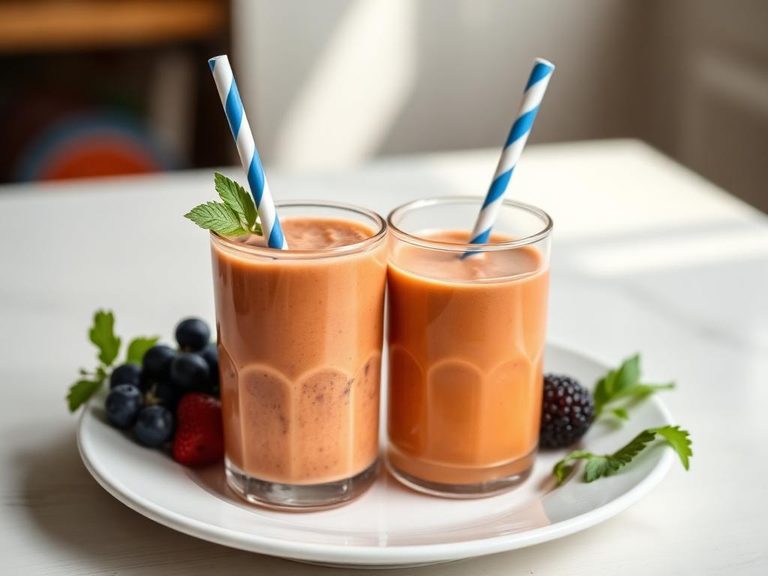 Used as a base for smoothies for older toddlers
 As a base for soothing smoothies for older toddlers