Blended into a mild soup for older toddlers
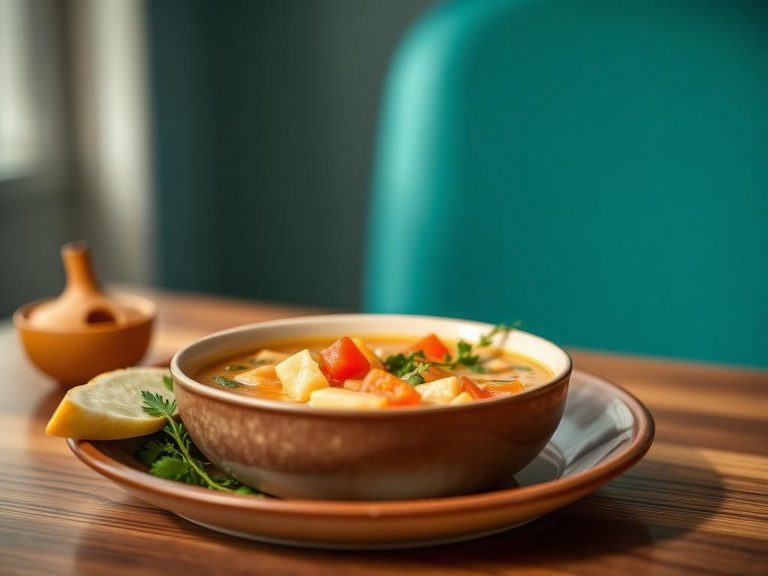
This dish is a smooth, blended soup designed specifically for older toddlers, typically made from a base of mild vegetables like carrots, sweet potatoes, or butternut squash, often combined with a mild broth or milk. It originates from the universal practice of adapting family meals for young children, with no single geographic origin, but is common in Western and global cuisines as a transitional food.
🍽️ Nutrition at a glance
The soup is generally high in carbohydrates from the starchy vegetables, low in fat and protein unless enriched with cream, cheese, or pureed meat. It provides key nutrients like Vitamin A, potassium, and fiber, with a rough calorie ballpark of 80-120 kcal per serving.
Nutrition breakdown
| Calories | 100 kcal |
| Protein | 2 g |
| Carbs | 20 g |
| Fat | 2 g |
| Fiber | 3 g |
| Sugar | 6 g |
| Sodium | 300 mg |
| Vitamin A | 300 µg RAE |
| Vitamin C | 15 mg |
| Potassium | 350 mg |
| Calcium | 40 mg |
| Iron | 1 mg |
| Vitamin B6 | 0.2 mg |
| Magnesium | 25 mg |
| Phosphorus | 50 mg |
Per 1 cup (240 g) · estimated, varies by recipe
💡 What's interesting
Culturally, it represents a key stage in child feeding, bridging the gap between purees and solid foods. Nutritionally, its smooth texture and mild flavor are uniquely tailored to support oral motor development and acceptance of new tastes in toddlers.
🍽️ Related dishes
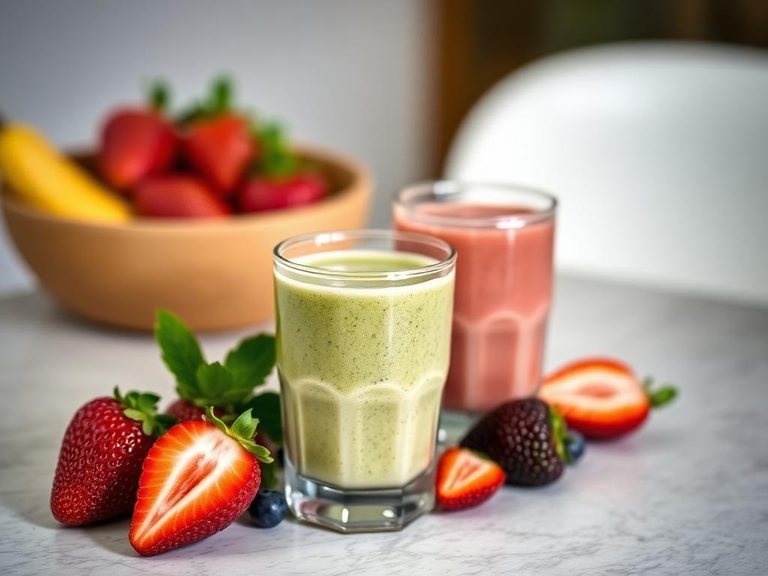 Blended into fruit smoothies for older toddlers
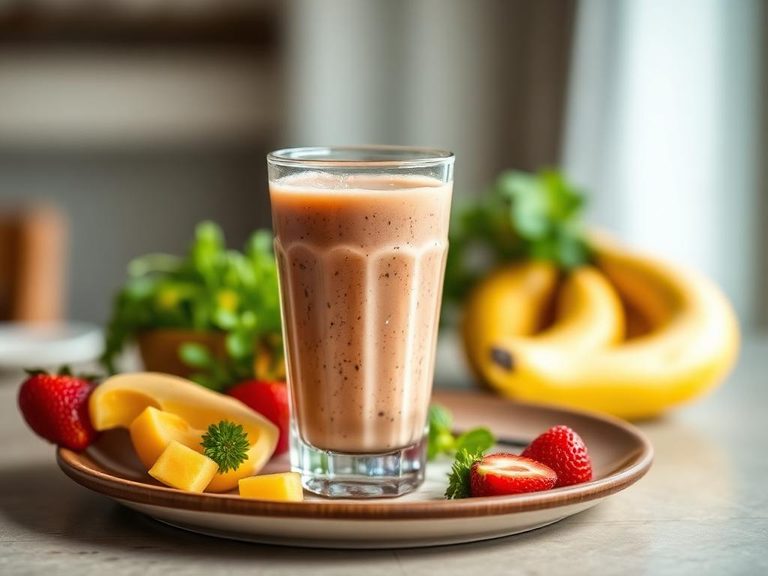 Blended into a smoothie for older toddlers
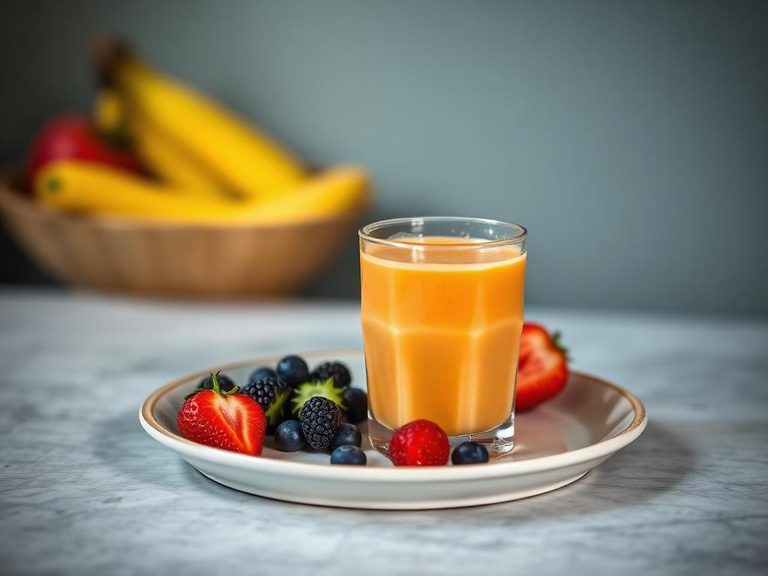 Formula-based smoothie for older toddlers
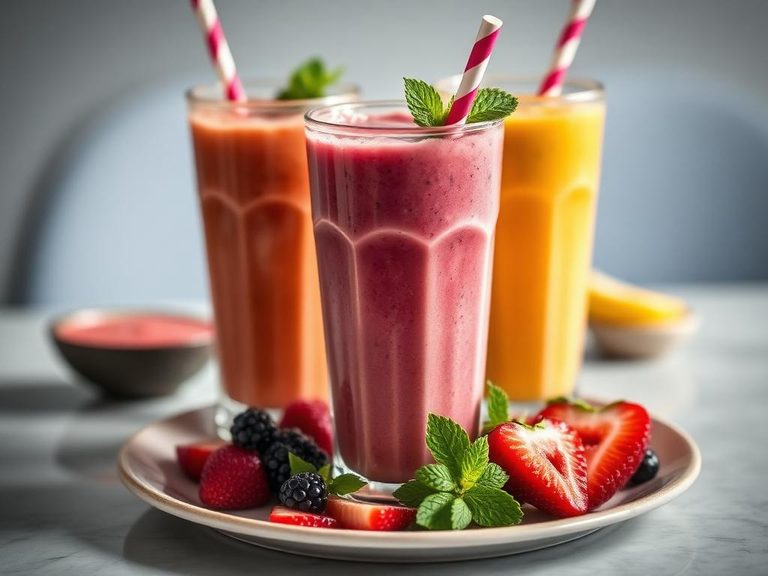 Blended into smoothies for toddlers
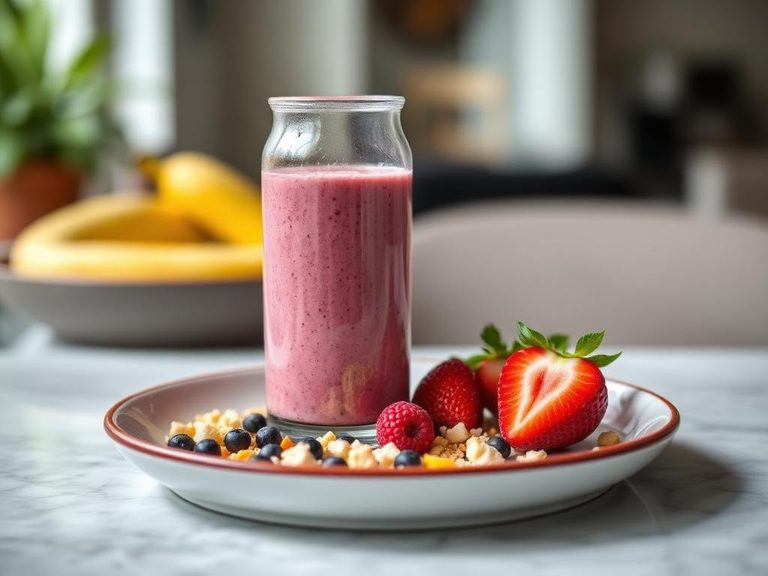 Blended into a smoothie for toddlers
 Formula incorporated into baked goods for toddlers
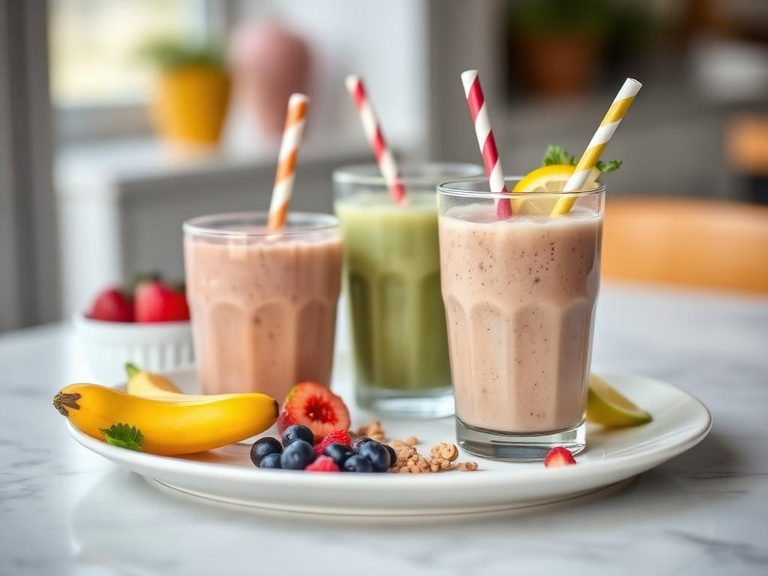 Added to smoothies for older toddlers
 Used as a base for smoothies for older toddlers