Blended into smoothies for toddlers
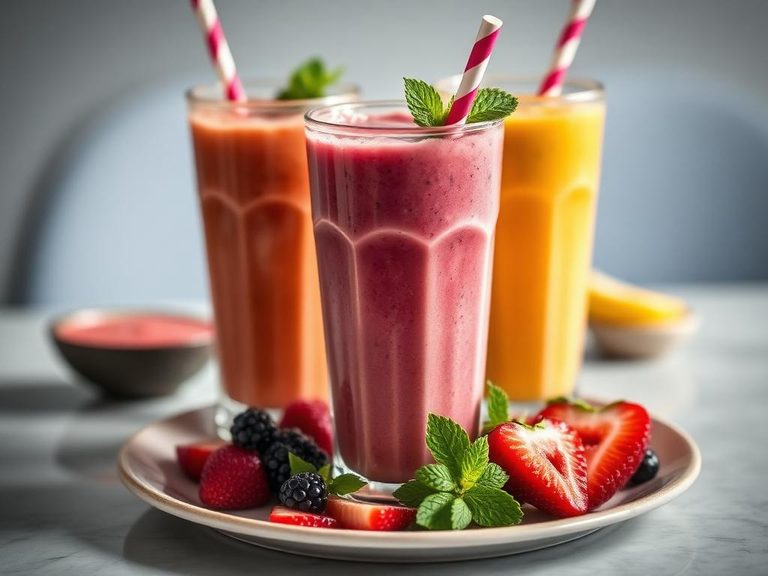
Blended into smoothies for toddlers is not a single dish but a popular method of preparing nutrient-dense, drinkable meals for young children. It typically involves blending soft fruits, vegetables, yogurt or milk, and sometimes grains or seeds into a smooth, thick consistency. This approach is widely used in modern home kitchens globally, especially in health-conscious households.
🍽️ Nutrition at a glance
These smoothies are generally balanced, with carbohydrates from fruits and vegetables, protein from dairy or plant-based milk, and healthy fats from additions like avocado or nut butter. They are an excellent source of vitamins, minerals, and fiber, with a typical serving ranging from 150 to 250 calories.
Nutrition breakdown
| Calories | 180 kcal |
| Protein | 6 g |
| Carbs | 30 g |
| Fat | 5 g |
| Fiber | 4 g |
| Sugar | 18 g |
| Sodium | 80 mg |
| Vitamin C | 30 mg |
| Potassium | 400 mg |
| Calcium | 150 mg |
| Vitamin A | 120 mcg |
| Magnesium | 40 mg |
| Vitamin K | 15 mcg |
| Folate | 50 mcg |
| Phosphorus | 120 mg |
Per 1 cup (240 g) · estimated, varies by recipe
💡 What's interesting
This preparation method is a modern nutritional hack that allows parents to seamlessly incorporate a wide variety of fruits, vegetables, and other nutrients into a toddler's diet in a form they often enjoy. It's a flexible, customizable approach that has become a staple in contemporary parenting for its convenience and nutritional benefits.
🍽️ Related dishes
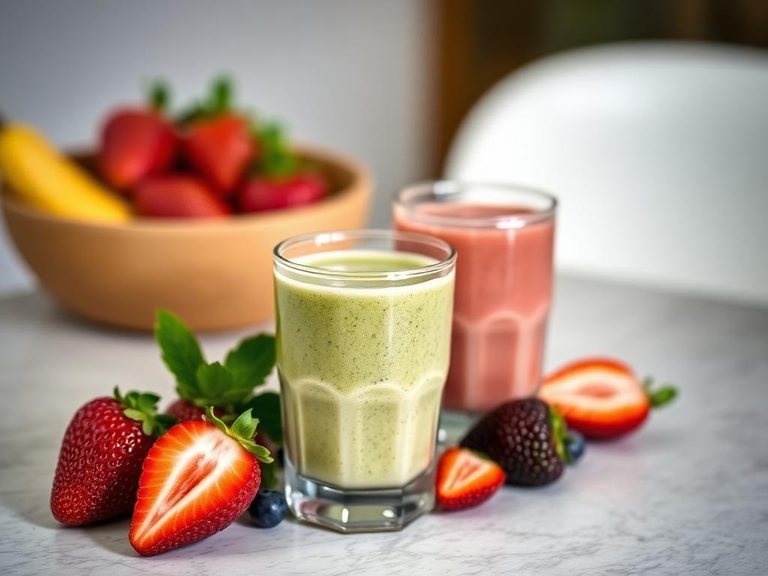 Blended into fruit smoothies for older toddlers
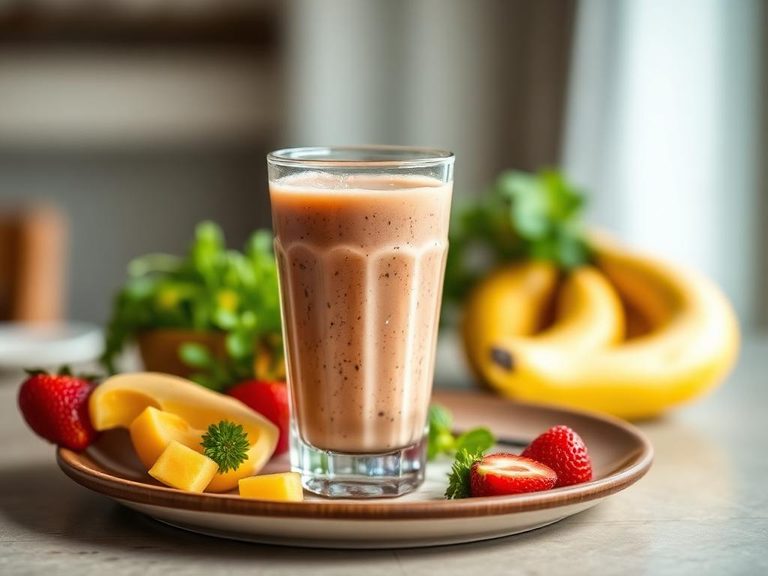 Blended into a smoothie for older toddlers
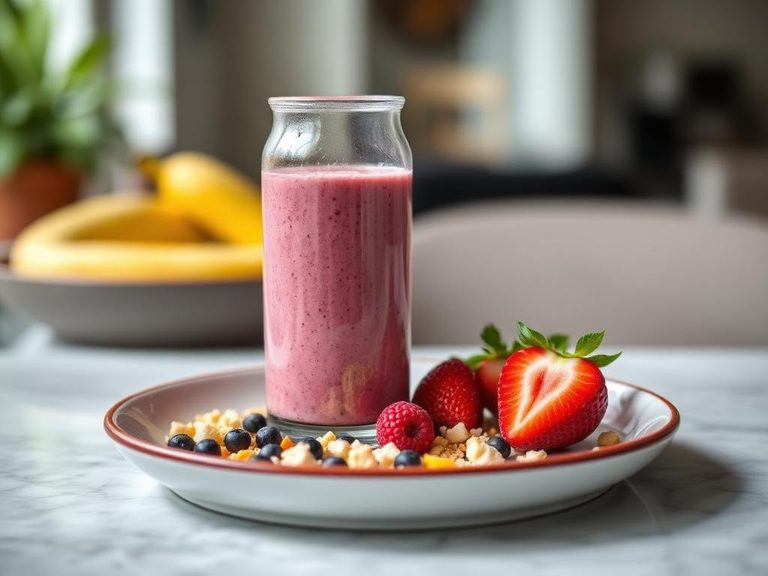 Blended into a smoothie for toddlers
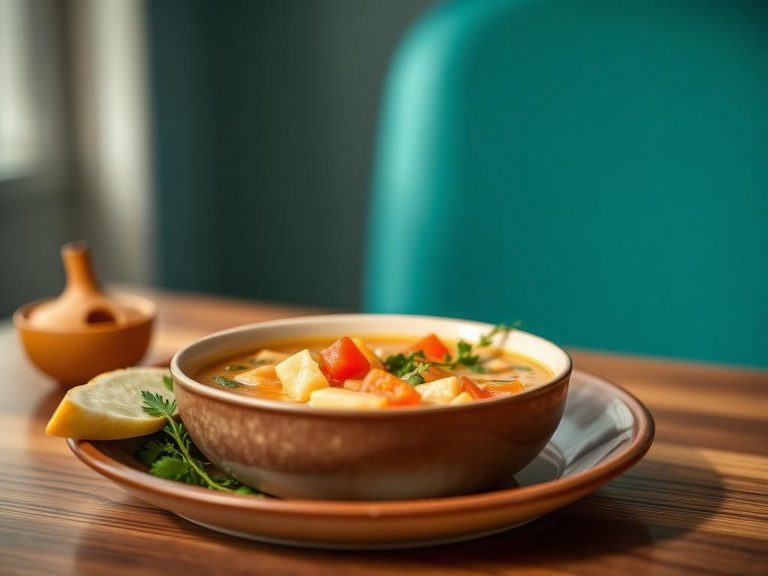 Blended into a mild soup for older toddlers
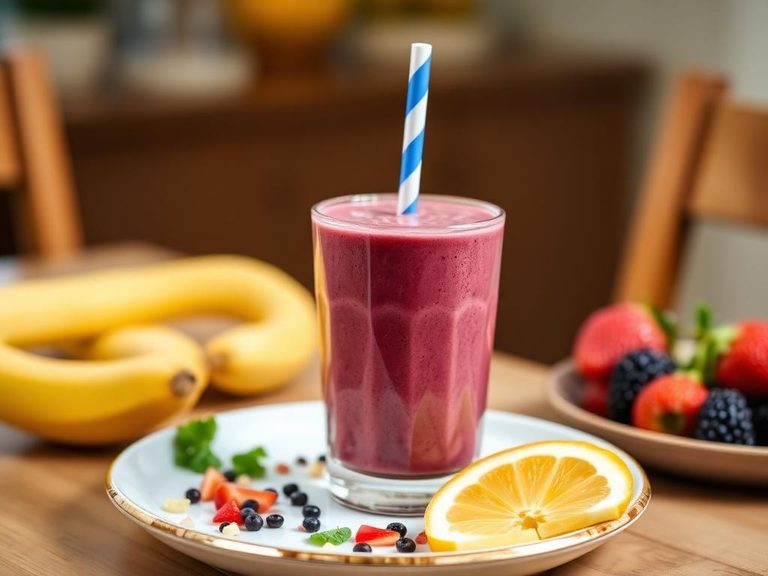 Added to smoothies for toddlers transitioning off formula
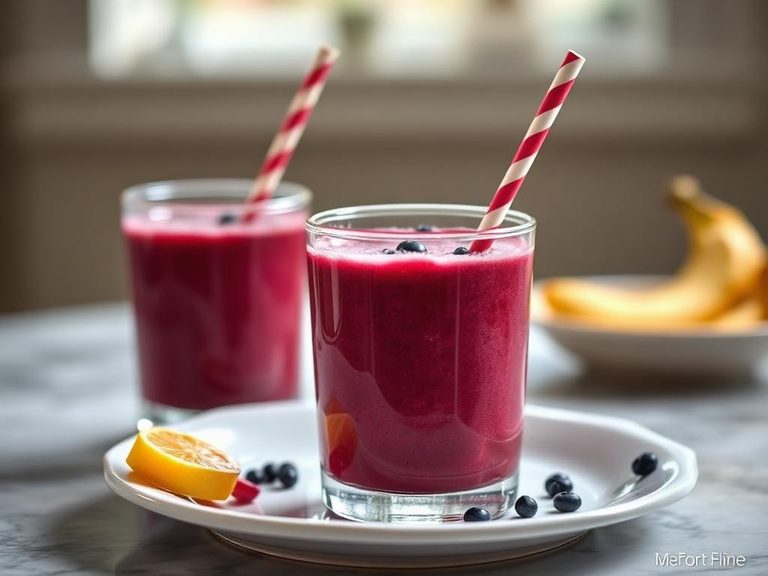 Fortified smoothies for toddlers
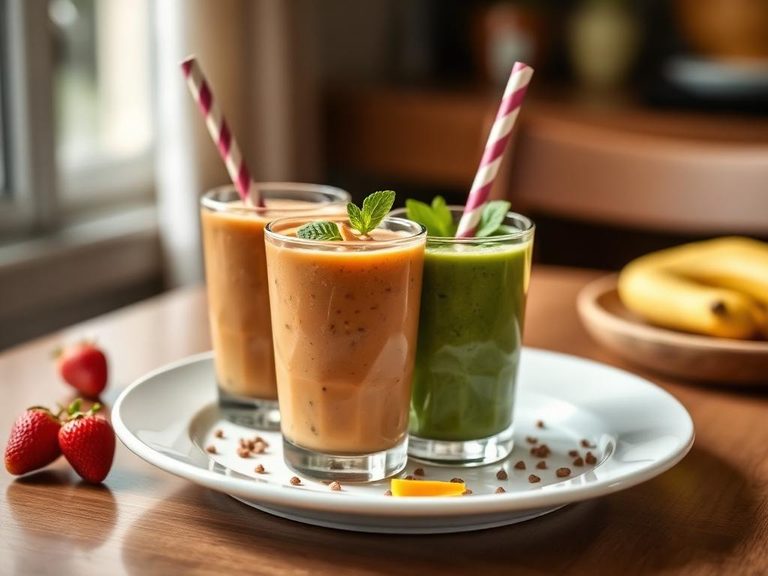 Stirred into smoothies for toddlers
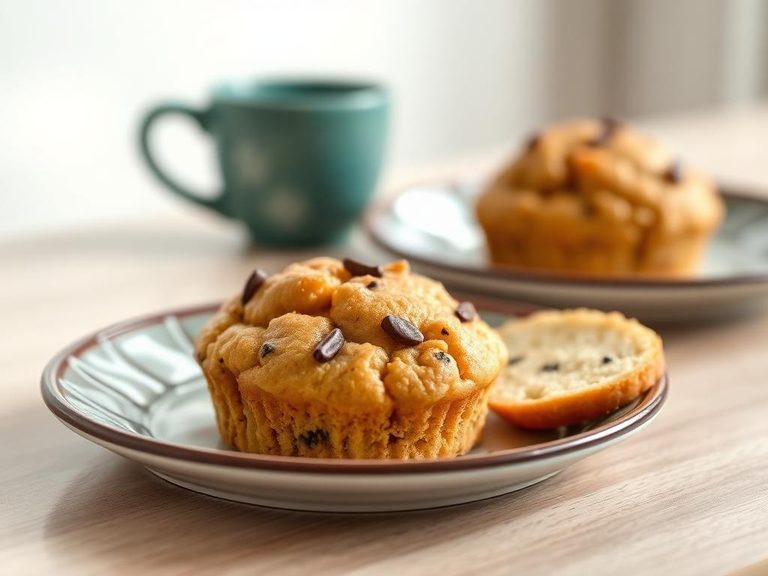 Formula incorporated into baked goods for toddlers