Stirred into smoothies for toddlers
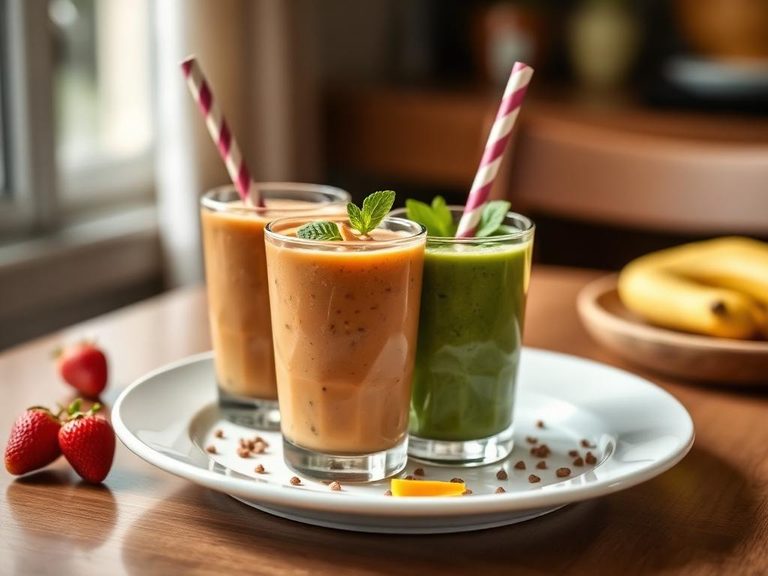
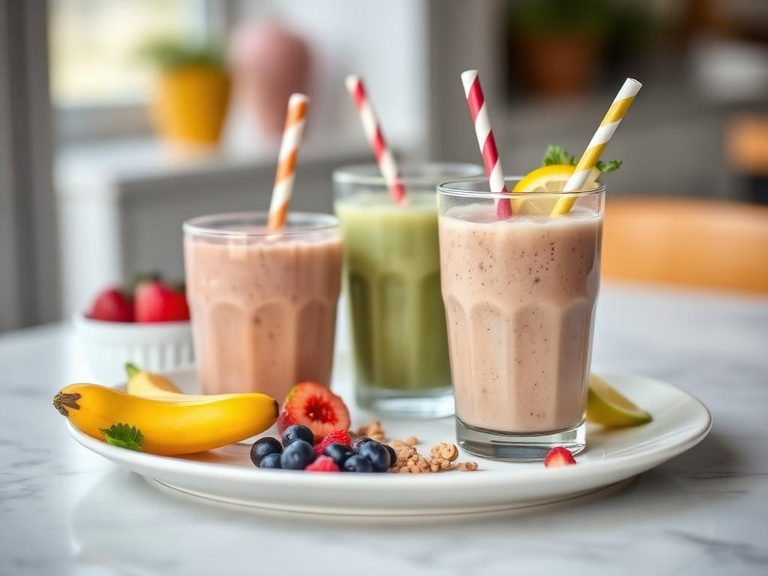
This is not a standalone dish, but rather a common and practical method of incorporating nutrient-dense foods into a toddler's diet. It involves blending ingredients like avocado, banana, spinach, yogurt, or oats into a smooth, drinkable consistency. This technique is widely used by parents globally to ensure young children receive essential nutrients in an appealing and easy-to-consume form.
🍽️ Nutrition at a glance
The nutritional profile varies greatly by ingredients, but it's typically a balanced source of carbohydrates for energy, healthy fats for brain development, and protein for growth. It's an excellent vehicle for delivering key vitamins like A, C, and K, as well as minerals like calcium and potassium, with a calorie range commonly between 150-250 kcal per serving.
Nutrition breakdown
| Calories | 180 kcal |
| Protein | 8 g |
| Carbs | 28 g |
| Fat | 5 g |
| Fiber | 4 g |
| Sugar | 16 g |
| Sodium | 80 mg |
| Calcium | 150 mg |
| Potassium | 400 mg |
| Vitamin A | 120 mcg RAE |
| Vitamin C | 25 mg |
| Vitamin K | 30 mcg |
| Magnesium | 40 mg |
| Phosphorus | 120 mg |
| Vitamin B6 | 0.3 mg |
Per 1 cup (240 g) of a typical fruit, vegetable, and yogurt-based smoothie · estimated, varies by recipe
💡 What's interesting
This approach cleverly addresses common toddler feeding challenges like food neophobia and texture aversion, making it a modern parenting staple. Nutritionally, it allows for the seamless combination of multiple food groups (fruits, vegetables, dairy, grains) into a single, palatable serving.
🍽️ Related dishes
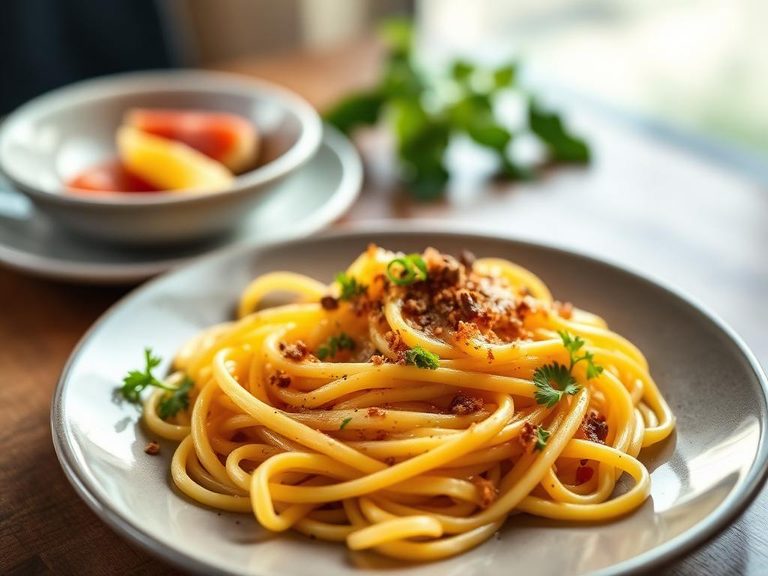 Stirred into well-cooked pasta for toddlers
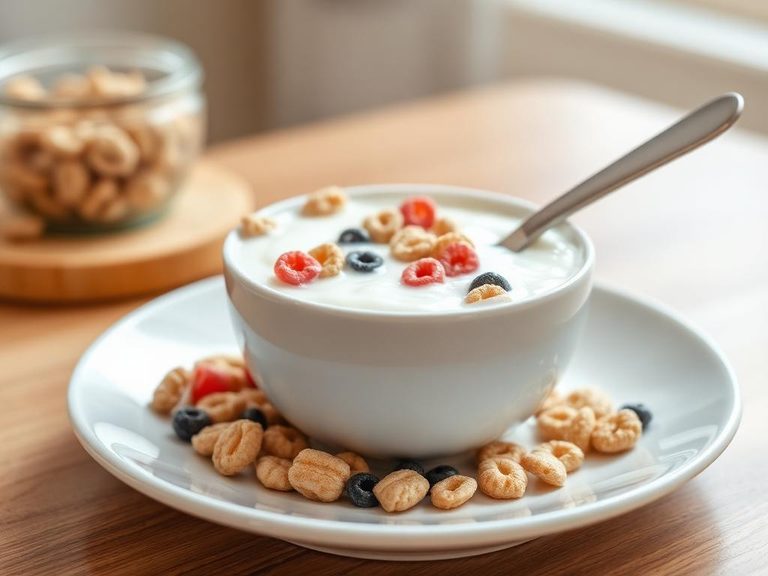 Cereal stirred into yogurt for toddlers
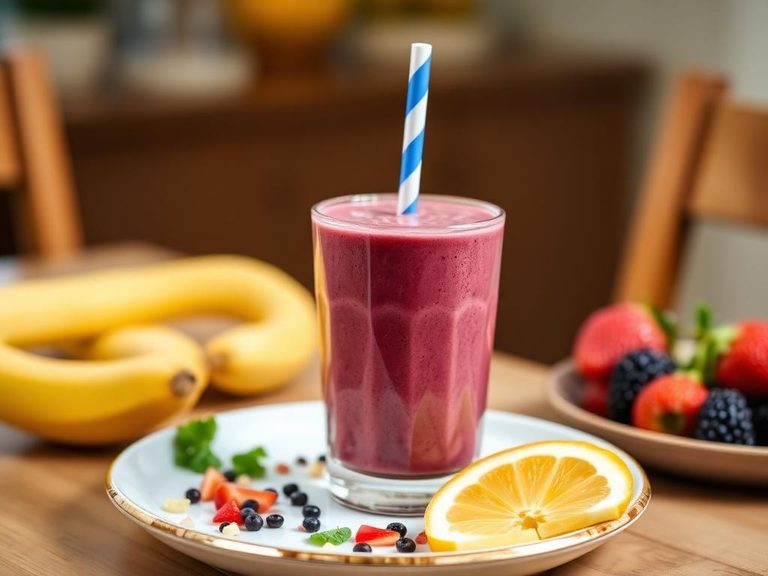 Added to smoothies for toddlers transitioning off formula
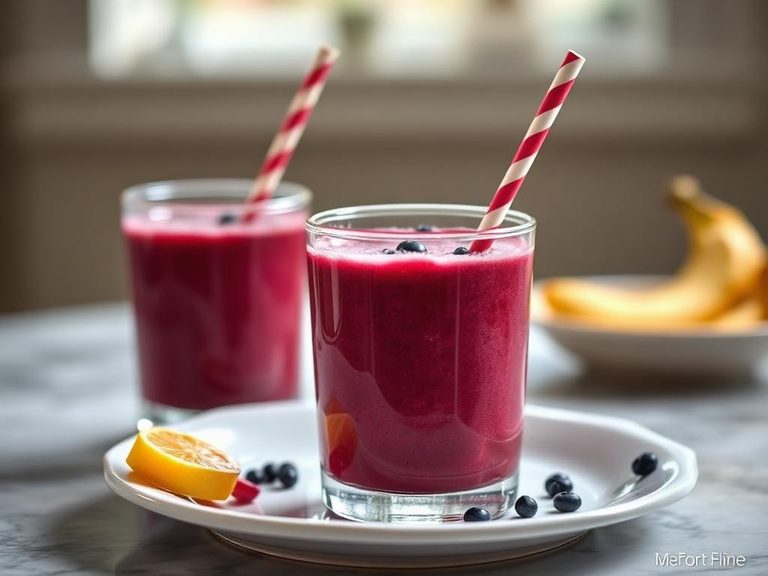 Fortified smoothies for toddlers
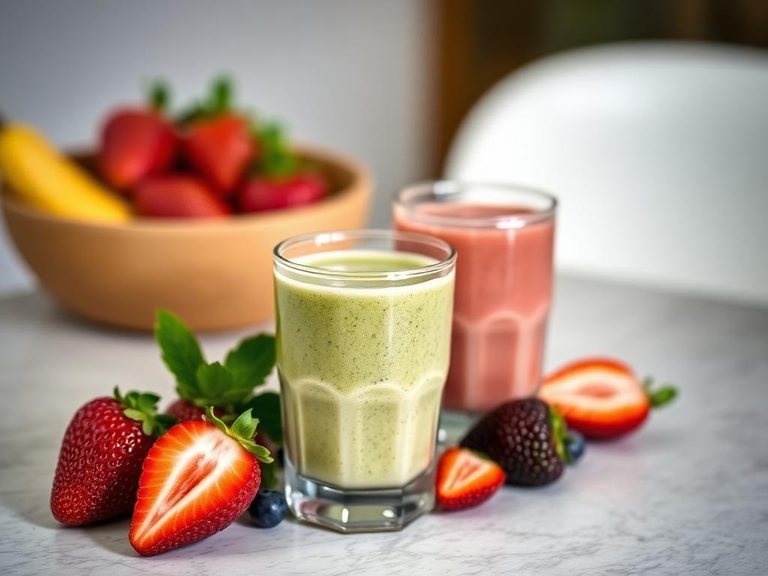 Blended into fruit smoothies for older toddlers
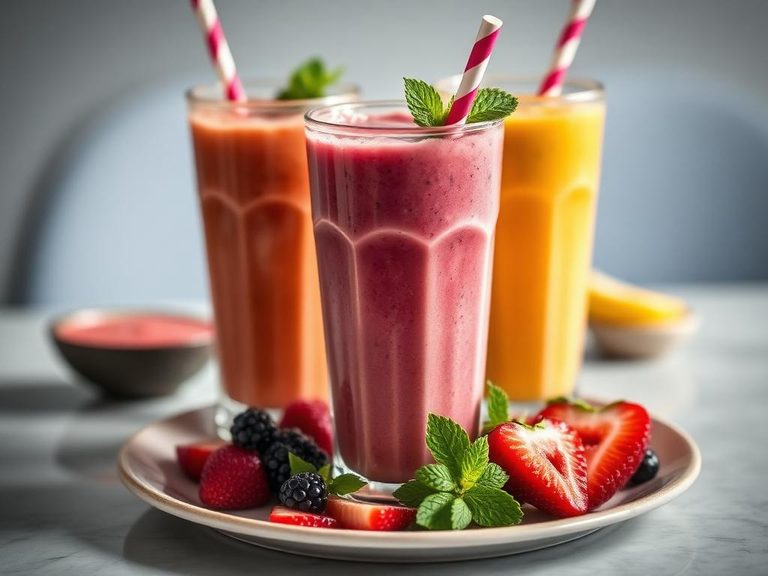 Blended into smoothies for toddlers
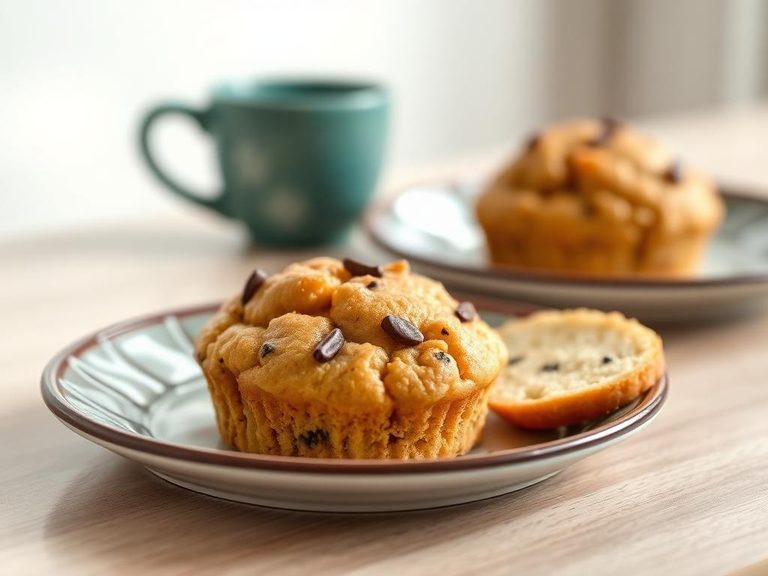 Formula incorporated into baked goods for toddlers
 Added to smoothies for older toddlers