

Milk, whole
Common food
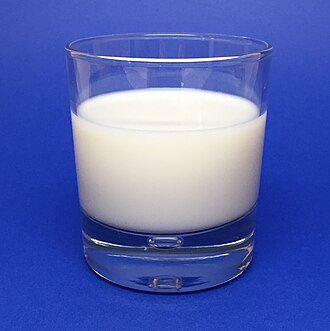
Photo: Wikipedia
Whole milk is the unadulterated, creamy liquid drawn directly from cows, with its natural fat content intact. It has a rich, slightly sweet flavor and a smooth, velvety texture that coats the palate. Nutritionally, it's a powerhouse of complete protein and a primary source of the natural sugar lactose.
Calorie split: 22% protein · 31% carbs · 48% fat
↓ Full nutrition💚 Why it's loved
People love whole milk for its classic, comforting sweetness and creamy mouthfeel that elevates everything from coffee to cereal. It's a foundational ingredient in countless recipes and a nostalgic staple in many cultures.
⚠️ Watch-outs & how to enjoy it better
The natural sugar lactose can cause digestive discomfort (bloating, gas) in lactose-intolerant individuals. Its saturated fat content may be a concern for those managing heart health. To counteract, choose lactose-free versions or pair with lactase enzyme supplements; for fat, consider balancing intake with lean proteins and vegetables throughout the day.
Key benefits
- Excellent source of high-quality, complete protein for muscle maintenance.
- Rich in calcium for bone and dental health.
- Provides essential vitamins like B12, riboflavin, and vitamin D (when fortified).
- The fat content aids in the absorption of fat-soluble vitamins (A, D, E, K).
- A hydrating beverage that contributes to daily fluid intake.
🍽️ Popular dishes
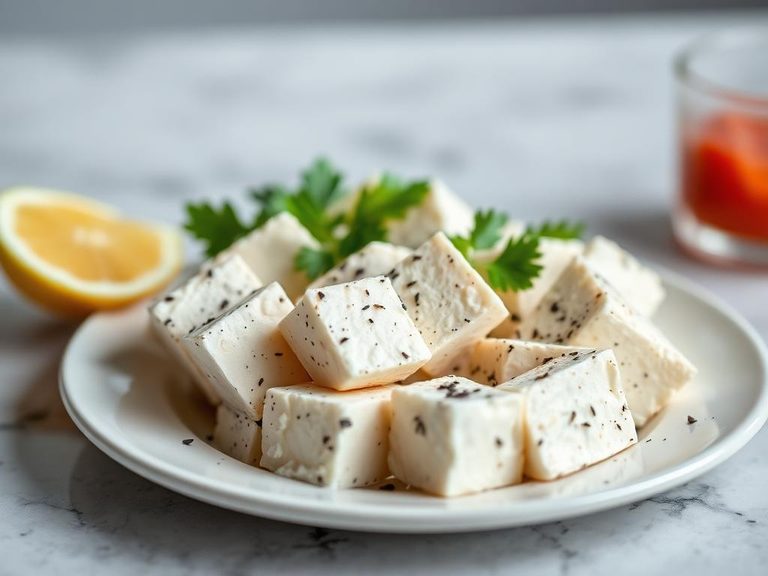
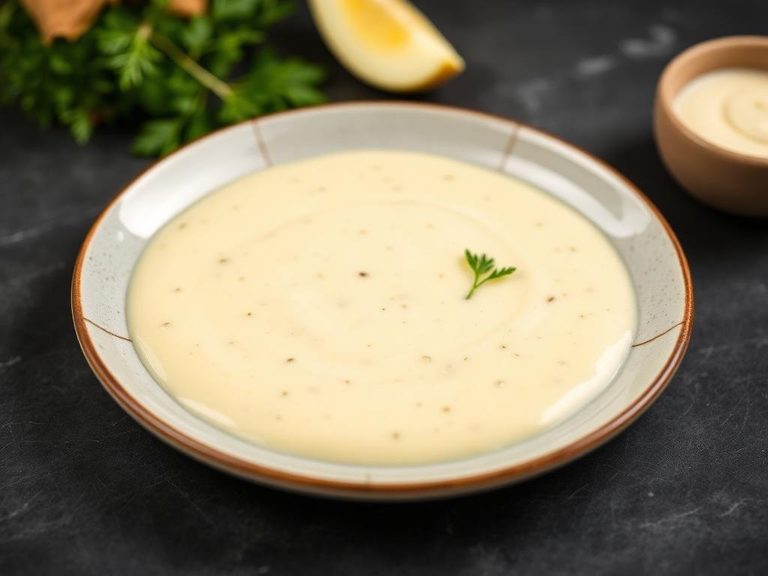
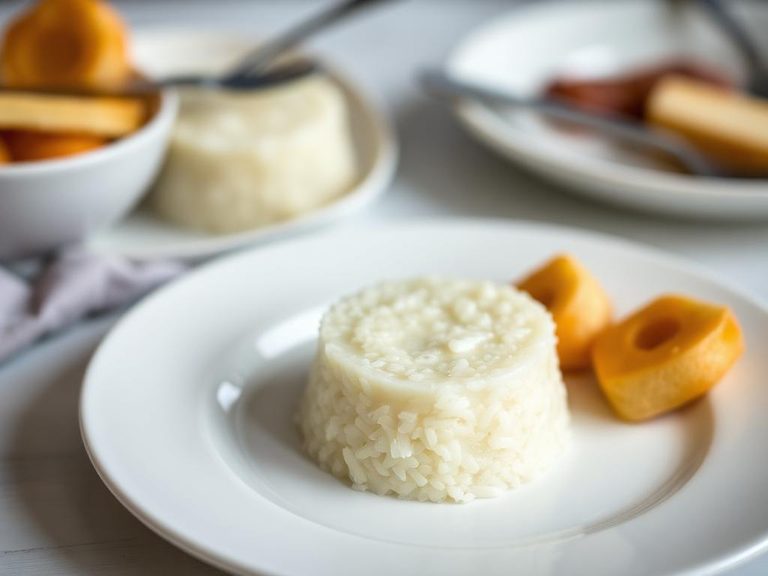
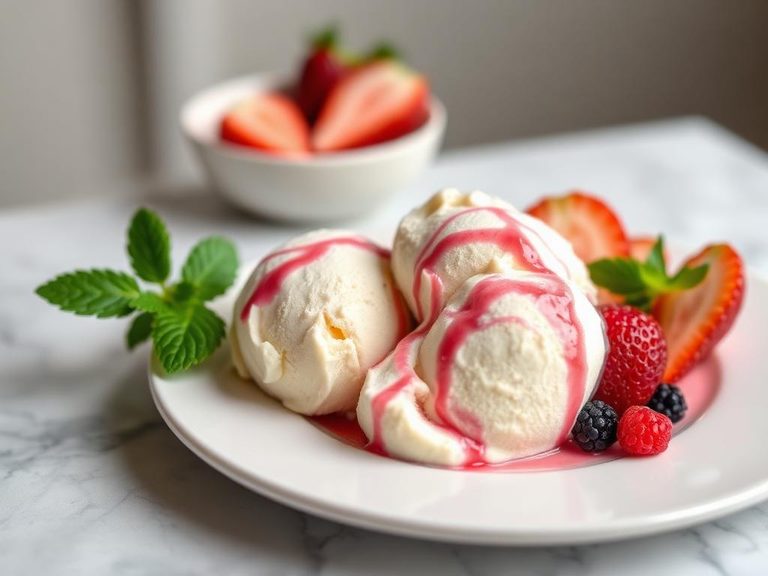

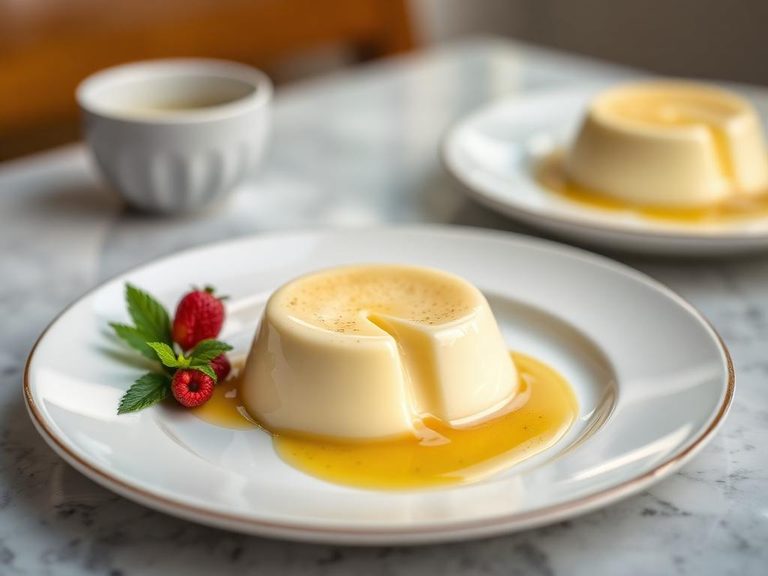
🌍 Where it's eaten
💡 Did you know?
The white color of milk comes from casein, a protein that forms light-scattering micelles; the fat globules themselves are actually a translucent yellowish color.
Full nutrition (USDA data · scales with serving)
| Water | 88.1 g |
| Energy | 61.0 kcal |
| Protein | 3.3 g |
| Total lipid (fat) | 3.2 g |
| Carbohydrate, by difference | 4.6 g |
| Fiber, total dietary | 0.00 g |
| Total Sugars | 4.8 g |
| Calcium, Ca | 123 mg |
| Iron, Fe | 0.00 mg |
| Magnesium, Mg | 12.0 mg |
| Phosphorus, P | 101 mg |
| Potassium, K | 150 mg |
| Sodium, Na | 38.0 mg |
| Zinc, Zn | 0.42 mg |
| Copper, Cu | 0.00 mg |
| Selenium, Se | 1.9 ug |
| Vitamin C, total ascorbic acid | 0.00 mg |
| Thiamin | 0.06 mg |
| Riboflavin | 0.14 mg |
| Niacin | 0.10 mg |
| Vitamin B-6 | 0.06 mg |
| Folate, total | 0.00 ug |
| Folic acid | 0.00 ug |
| Folate, food | 0.00 ug |
| Folate, DFE | 0.00 ug |
| Choline, total | 17.8 mg |
| Vitamin B-12 | 0.54 ug |
| Vitamin B-12, added | 0.00 ug |
| Vitamin A, RAE | 32.0 ug |
| Retinol | 31.0 ug |
| Carotene, beta | 7.0 ug |
| Carotene, alpha | 0.00 ug |
| Cryptoxanthin, beta | 0.00 ug |
| Lycopene | 0.00 ug |
| Lutein + zeaxanthin | 0.00 ug |
| Vitamin E (alpha-tocopherol) | 0.05 mg |
| Vitamin E, added | 0.00 mg |
| Vitamin D (D2 + D3) | 1.1 ug |
| Vitamin K (phylloquinone) | 0.30 ug |
| Alcohol, ethyl | 0.00 g |
| Caffeine | 0.00 mg |
| Theobromine | 0.00 mg |
Fat & fatty acid profile (per 100g)
| Fatty acids, total saturated | 1.9 g |
| SFA 4:0 | 0.07 g |
| SFA 6:0 | 0.05 g |
| SFA 8:0 | 0.03 g |
| SFA 10:0 | 0.08 g |
| SFA 12:0 | 0.10 g |
| SFA 14:0 | 0.30 g |
| SFA 16:0 | 0.86 g |
| SFA 18:0 | 0.31 g |
| Fatty acids, total monounsaturated | 0.69 g |
| MUFA 16:1 | 0.05 g |
| MUFA 18:1 | 0.69 g |
| MUFA 20:1 | 0.00 g |
| MUFA 22:1 | 0.00 g |
| Fatty acids, total polyunsaturated | 0.11 g |
| PUFA 18:2 | 0.12 g |
| PUFA 18:3 | 0.01 g |
| PUFA 18:4 | 0.00 g |
| PUFA 20:4 | 0.00 g |
| PUFA 20:5 n-3 (EPA) | 0.00 g |
| PUFA 22:5 n-3 (DPA) | 0.00 g |
| PUFA 22:6 n-3 (DHA) | 0.00 g |
| Cholesterol | 12.0 mg |
Amino acid profile (per 100g)
Estimated from Potatoes, mashed, prepared from granules, without milk, whole milk and margarine — USDA does not publish this profile for Milk.
| Tryptophan | 0.02 g |
| Threonine | 0.09 g |
| Isoleucine | 0.11 g |
| Leucine | 0.17 g |
| Lysine | 0.15 g |
| Methionine | 0.04 g |
| Cystine | 0.02 g |
| Phenylalanine | 0.10 g |
| Tyrosine | 0.09 g |
| Valine | 0.13 g |
| Arginine | 0.08 g |
| Histidine | 0.05 g |
| Alanine | 0.07 g |
| Aspartic acid | 0.25 g |
| Glutamic acid | 0.39 g |
| Glycine | 0.05 g |
| Proline | 0.15 g |
| Serine | 0.10 g |
FAQ
What's the difference between whole, 2%, and skim milk?
The difference is the percentage of milk fat by weight. Whole milk is ~3.25% fat, 2% is reduced-fat, and skim is virtually fat-free. The protein and carbohydrate content remains relatively similar across all.
Is whole milk fattening?
Not inherently. It contains about 150 calories per cup. Its fat and protein promote satiety, which can help with portion control. Its role in a diet depends on overall calorie and nutrient balance.
Why does milk sometimes have a 'cooked' smell?
This is often due to the pasteurization process, which heats the milk to kill pathogens. The heat can cause a slight change in the whey proteins, releasing sulfur compounds that create a subtle cooked aroma.
Nutrient density (calculated · NRF9.3)
Nutrient Rich Foods index: beneficial nutrients (protein, fiber, vitamins, minerals) minus saturated fat, added sugar & sodium, per 100 kcal.
NRF9.3 index — Fulgoni, Keast & Drewnowski, 2009. Computed from USDA nutrients.
Weight-loss friendliness (composite index)
Energy density 0.61 kcal/g · 21% calories from protein · 0.0 g fiber · 4.8 g sugar per 100 g.
Composite of energy density (Rolls et al., 1999), protein & fiber satiety, minus sugar. A calculated heuristic — ranks satiety-per-calorie, not a clinical measure.
Dietary load (calculated from USDA values)
Potential renal acid load. Positive = acid-forming, negative = alkaline-forming.
Sodium-to-potassium ratio: 0.25 (lower is better — aim for ≤ 1)
Sodium:potassium per WHO potassium guidance. Computed from USDA nutrients.