Meat extenders in burgers or sausages
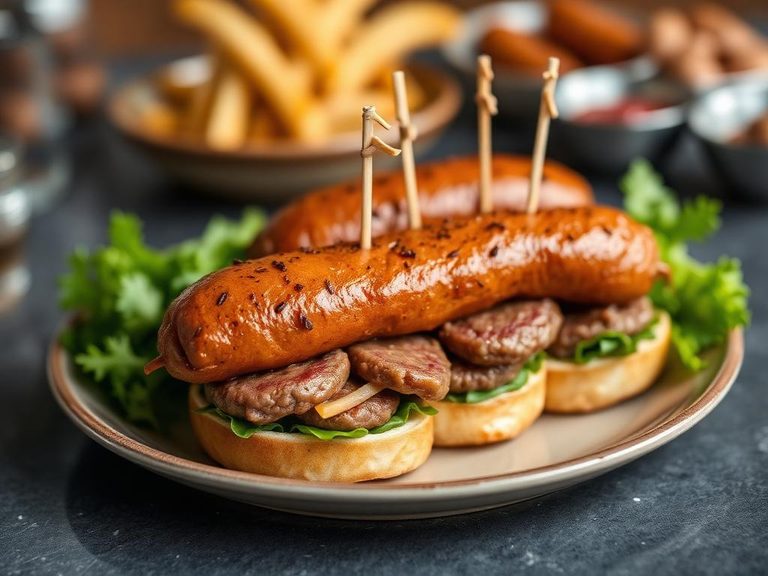
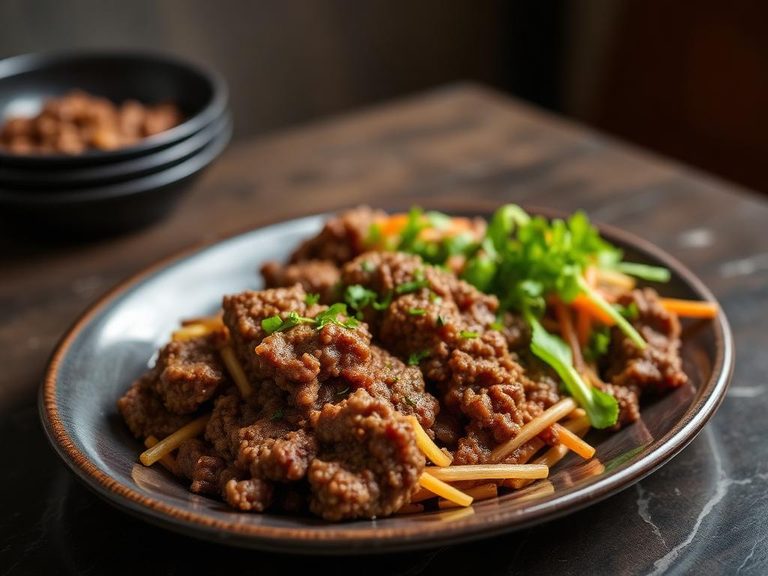
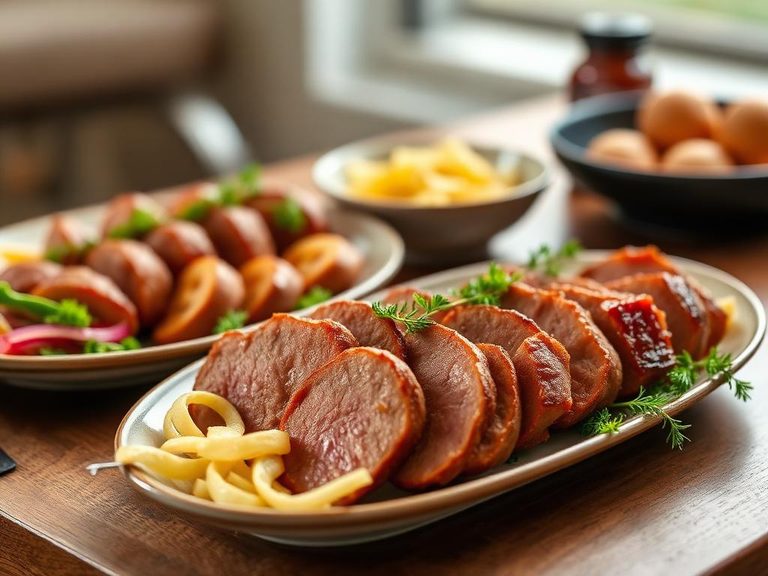
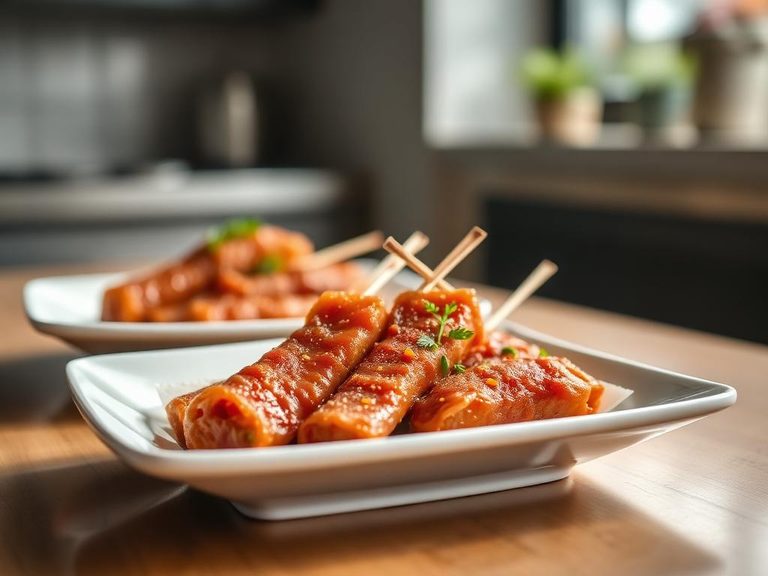
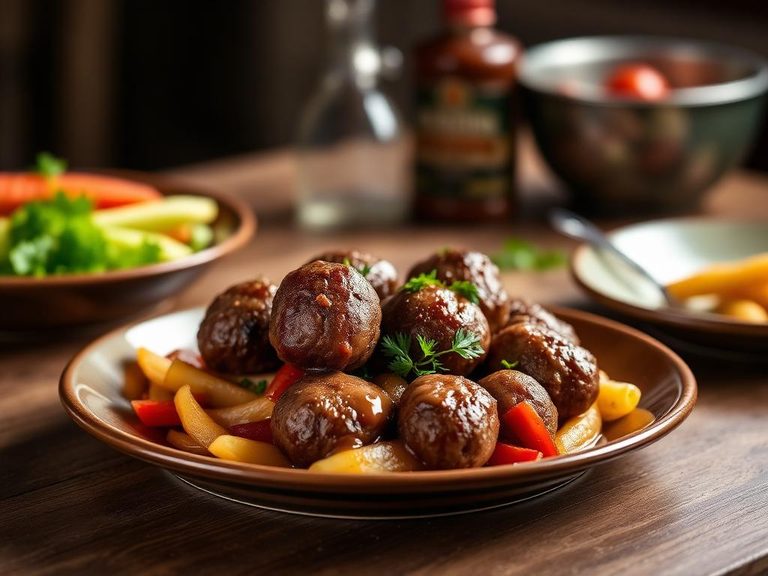
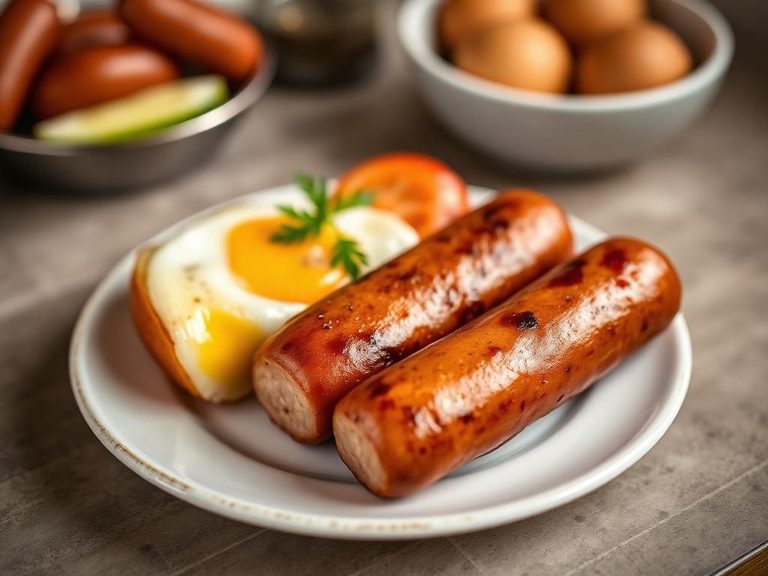
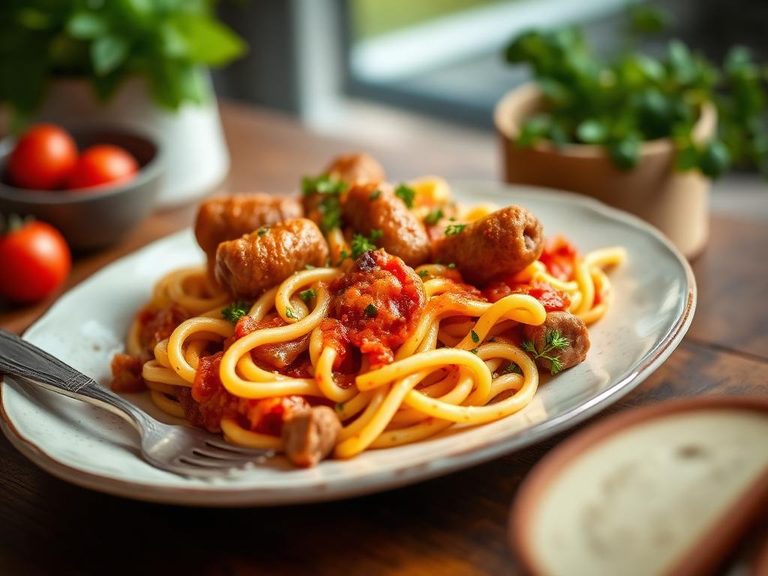
Meat extenders are non-meat ingredients like soy protein, textured vegetable protein (TVP), or mushrooms added to ground meat dishes such as burgers or sausages to increase volume, reduce cost, and modify texture. They are commonly used in processed meats and home cooking worldwide, particularly in North America, Europe, and Asia.
🍽️ Nutrition at a glance
Depending on the extender used, these products can be high in protein and fiber while often being lower in fat and calories than pure meat. A typical serving provides a good source of iron, B vitamins, and minerals, with calories ranging from 150-250 kcal per 100g patty or link.
Nutrition breakdown
| Calories | 180 kcal |
| Protein | 18 g |
| Carbs | 5 g |
| Fat | 9 g |
| Fiber | 2 g |
| Sugar | 1 g |
| Sodium | 380 mg |
| Iron | 2.5 mg |
| Potassium | 250 mg |
| Niacin (B3) | 4.5 mg |
| Zinc | 3.0 mg |
| Phosphorus | 150 mg |
| Selenium | 12 µg |
| Thiamin (B1) | 0.3 mg |
| Folate | 40 µg |
Per 1 burger patty (113 g) · estimated, varies by recipe
💡 What's interesting
Meat extenders have a long history in food science and home economics as a practical way to stretch meals, and they are a key component in many commercial 'reduced-fat' or 'lite' meat products. Nutritionally, they can enhance the fiber content of traditionally low-fiber meat dishes.