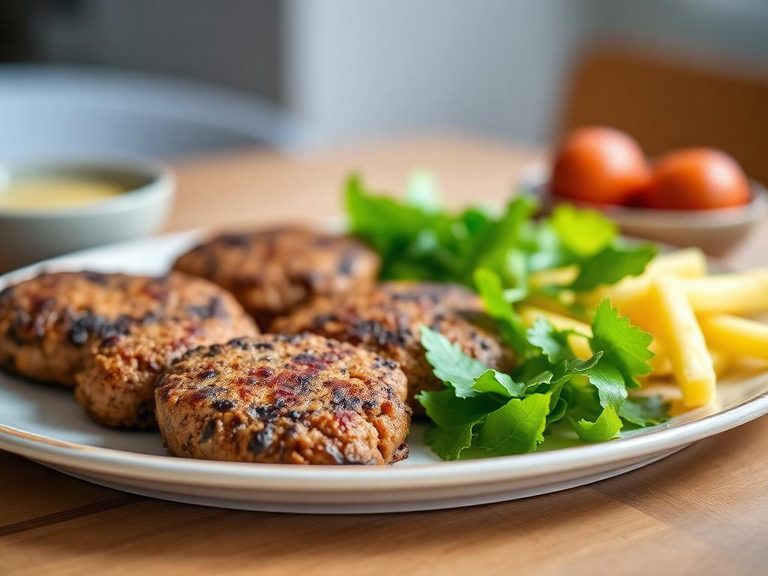
Stabilizer in sausages and meatballs
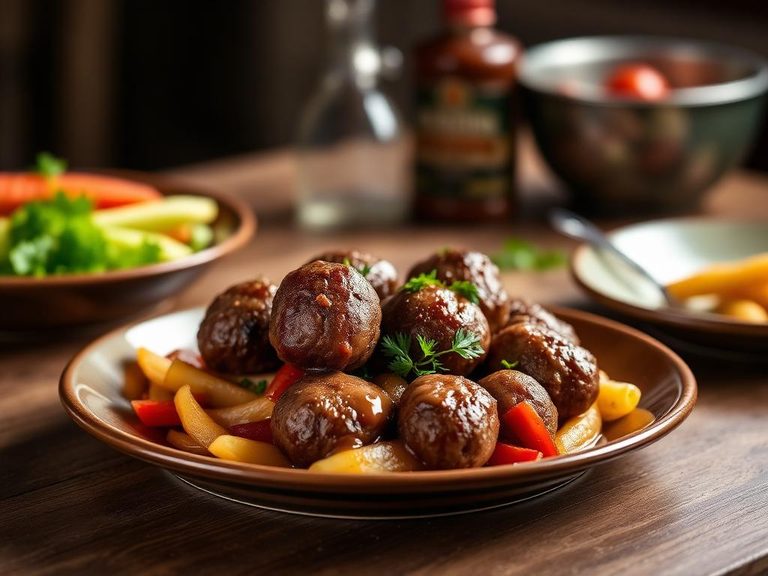
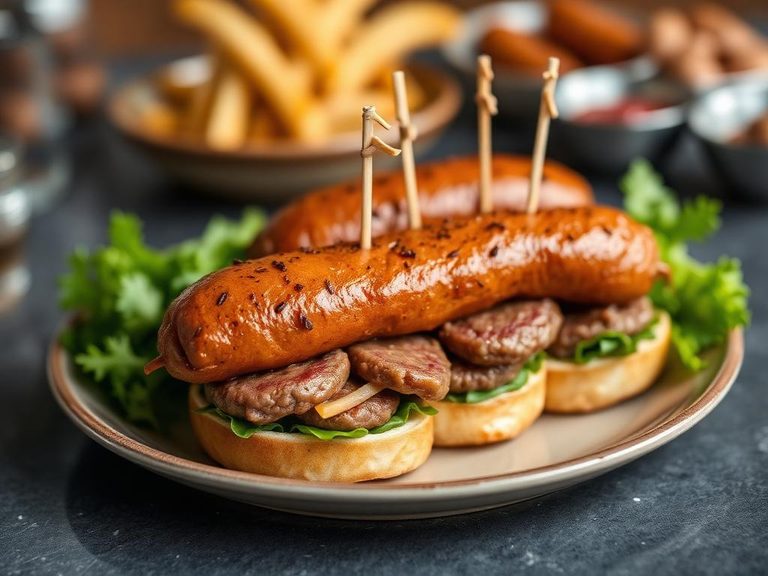
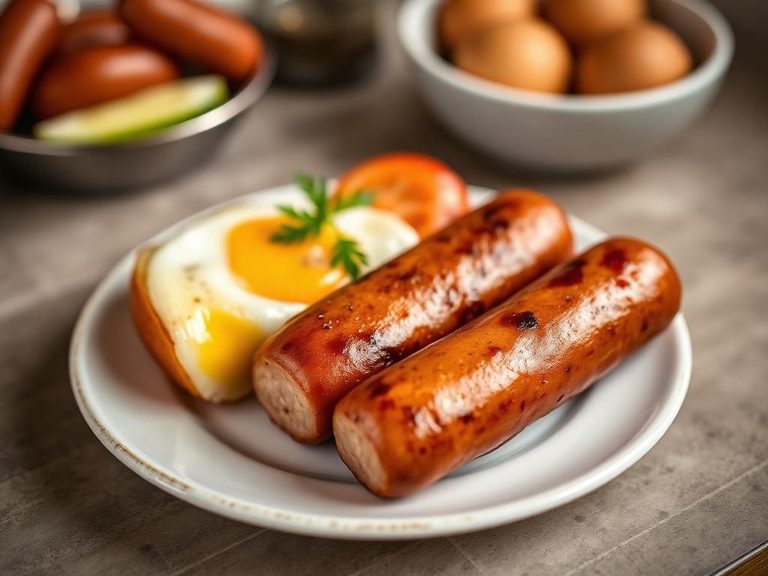
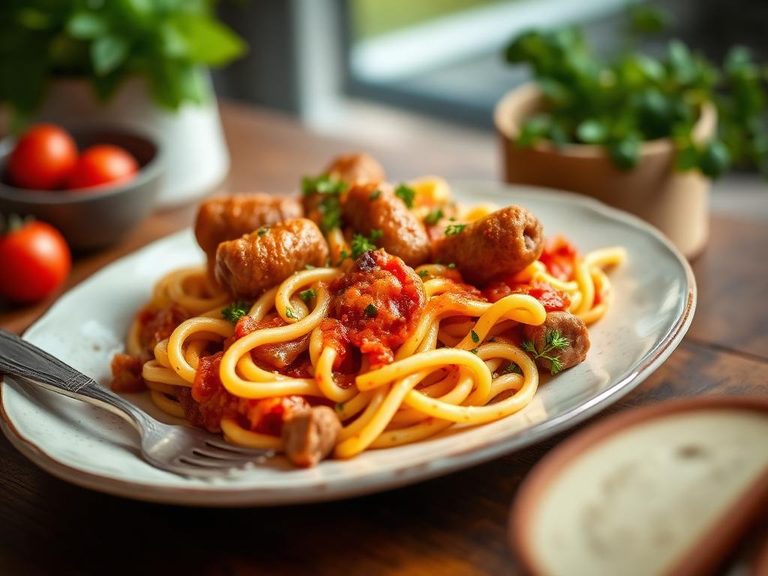
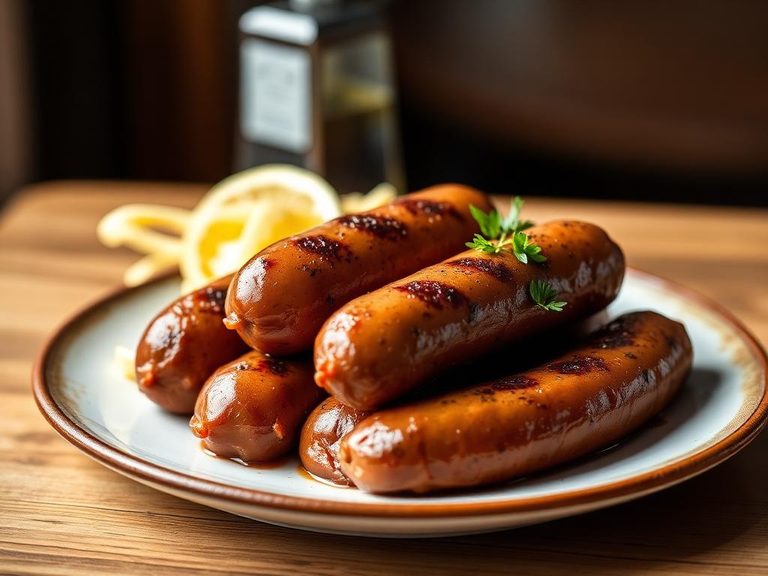
Stabilizers in sausages and meatballs are functional ingredients, not a standalone dish, used to bind moisture, improve texture, and prevent separation during cooking. Common stabilizers include various phosphates, carrageenan, and certain starches, which are incorporated into the meat mixture. They are a standard component in processed meat products globally, from European sausages to Asian meatballs.
🍽️ Nutrition at a glance
The stabilizers themselves contribute negligible calories, fat, or protein, as they are used in very small amounts. Their primary role is functional, helping the final meat product retain water and maintain a juicy, cohesive texture without significantly altering the core macronutrient profile of the meat.
Nutrition breakdown
| Calories | 210 kcal |
| Protein | 12 g |
| Carbs | 2 g |
| Fat | 17 g |
| Fiber | 0 g |
| Sugar | 1 g |
| Sodium | 580 mg |
| Potassium | 180 mg |
| Phosphorus | 150 mg |
| Iron | 1.2 mg |
| Zinc | 2.5 mg |
| Niacin (B3) | 3.5 mg |
| Vitamin B12 | 0.8 mcg |
| Selenium | 12 mcg |
Per 1 sausage link (85 g) · estimated, varies by recipe
💡 What's interesting
The use of stabilizers is a key food science innovation that allows for consistent, mass-produced meat products with improved shelf stability and texture. Nutritionally, they can help reduce cooking loss, potentially making the final product slightly more nutrient-dense per gram by retaining more of the meat's natural juices and soluble nutrients.