Plant-based burger patties and sausages
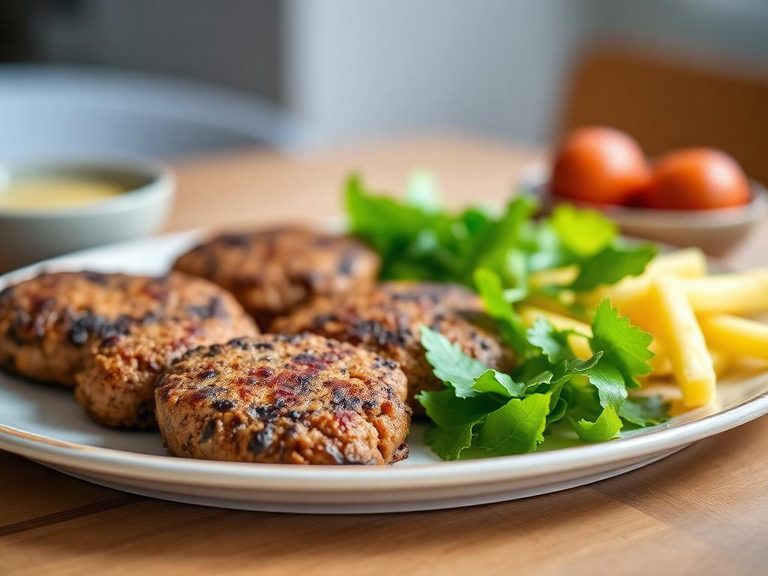
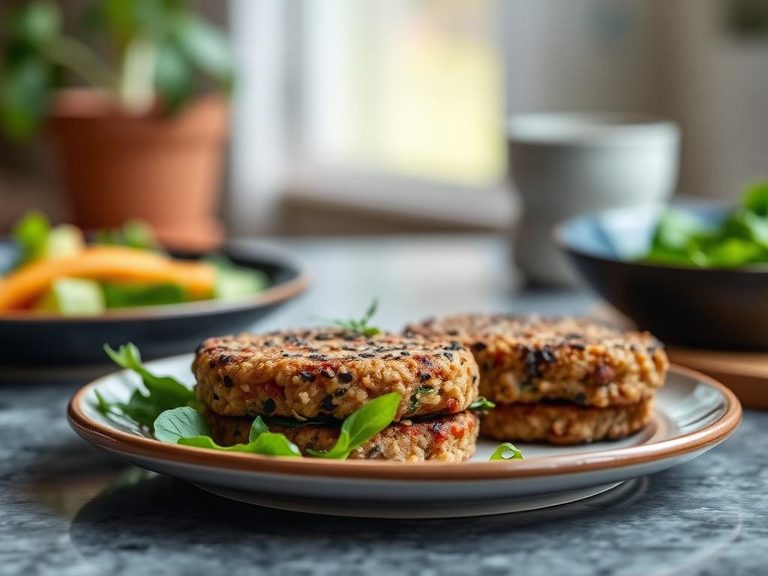
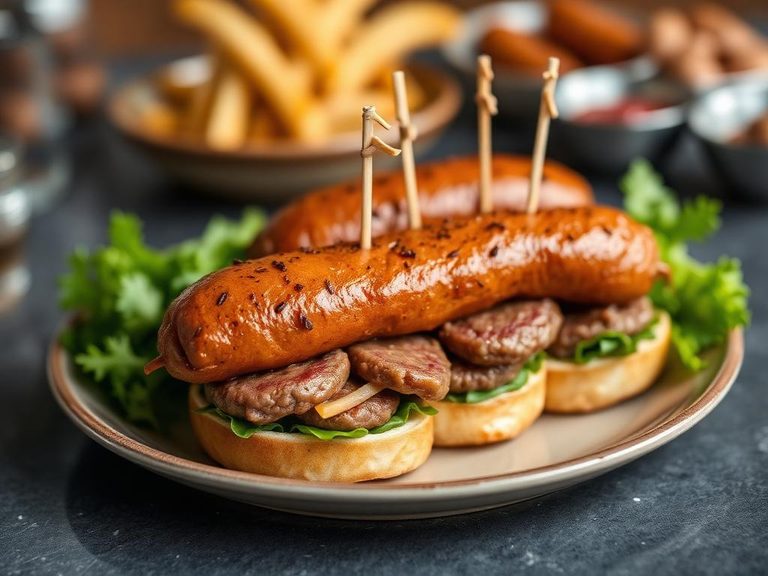
Plant-based burger patties and sausages are meat-free alternatives designed to mimic the taste, texture, and appearance of traditional beef burgers or pork sausages. They are typically made from ingredients like soy protein, pea protein, wheat gluten, or legumes, combined with oils, binders, and natural flavorings. This category of food originated from the vegetarian and vegan movements but has gained mainstream popularity globally as a sustainable and health-conscious option.
🍽️ Nutrition at a glance
Plant-based burgers and sausages are generally a good source of plant-based protein, often comparable to their meat counterparts, while being lower in saturated fat and cholesterol. A typical serving provides a solid protein boost with a moderate amount of carbohydrates and fat, and is often fortified with vitamins and minerals like iron and B12.
Nutrition breakdown
| Calories | 250 kcal |
| Protein | 19 g |
| Carbs | 12 g |
| Fat | 14 g |
| Fiber | 3 g |
| Sugar | 1 g |
| Sodium | 390 mg |
| Iron | 4.5 mg |
| Potassium | 300 mg |
| Vitamin B12 | 2.4 mcg |
| Zinc | 3.5 mg |
| Niacin (B3) | 4 mg |
| Phosphorus | 180 mg |
| Selenium | 12 mcg |
| Folate | 100 mcg |
Per 1 patty (113 g) · estimated, varies by recipe
💡 What's interesting
What's unique is the advanced food science used to replicate the 'bleeding' effect and savory umami flavor of meat, often using ingredients like beet juice or coconut oil. Culturally, they represent a significant shift in how societies approach protein consumption, blending traditional meat-centric food culture with modern sustainability and health trends.