Meat extenders and analogues

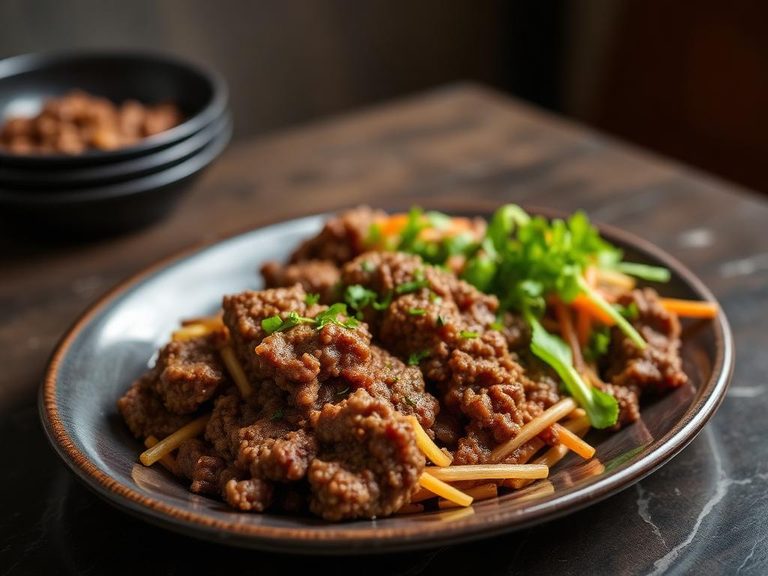
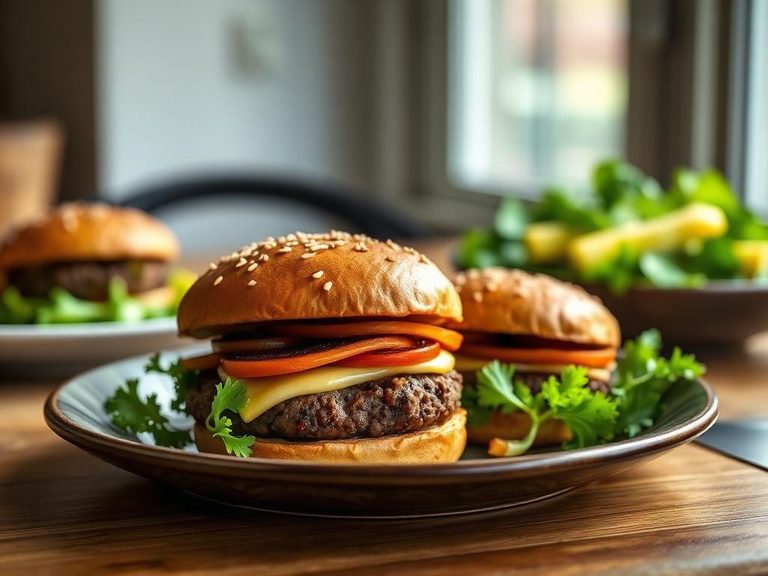
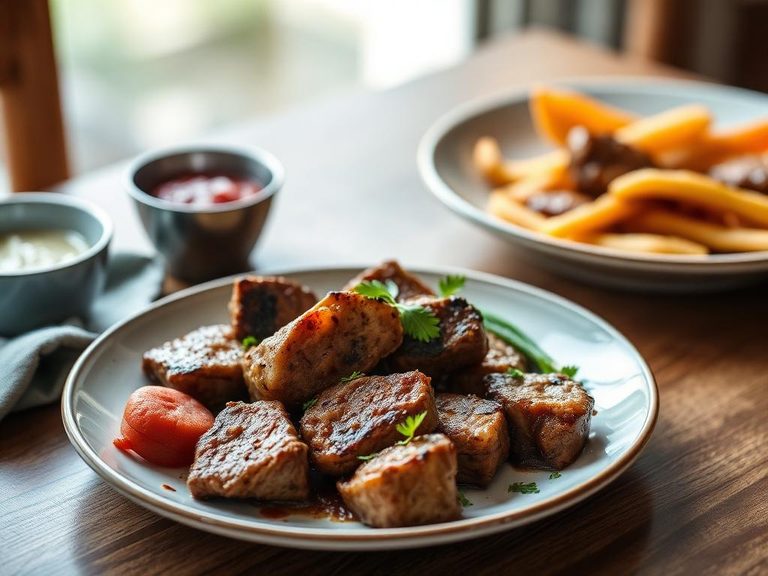
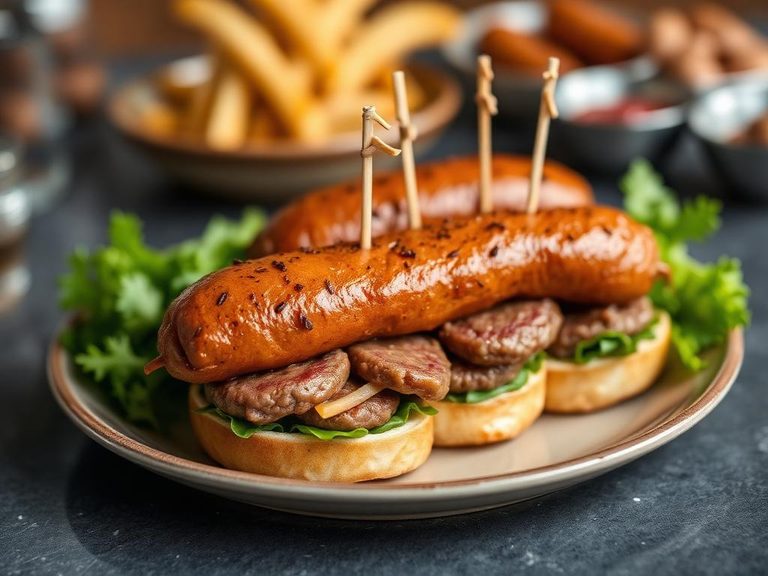
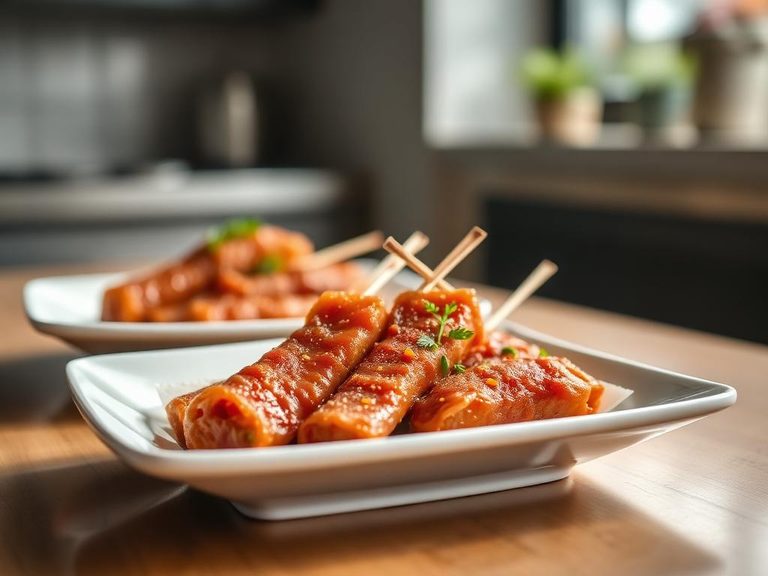
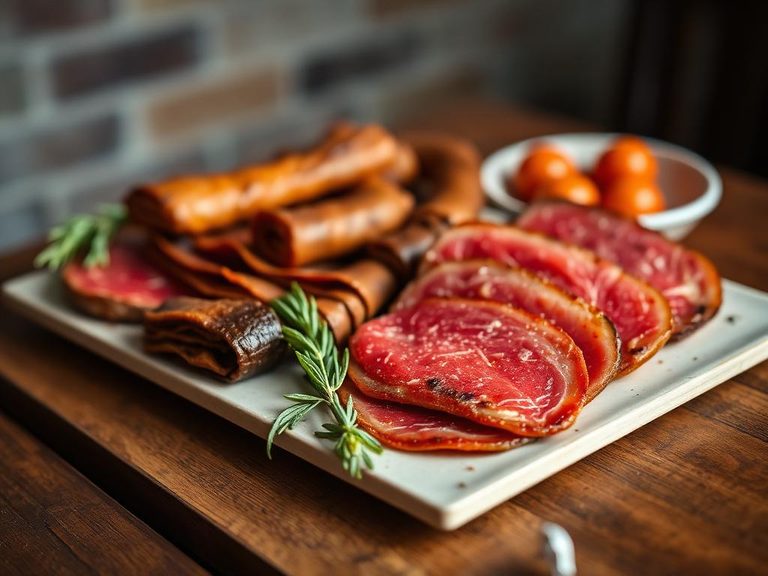
Meat extenders and analogues are plant-based or blended products designed to mimic the texture, flavor, and appearance of ground meat. They are typically made from ingredients like soy protein, textured vegetable protein (TVP), wheat gluten (seitan), or pea protein, often combined with binders, flavorings, and fats. This category is global in origin but has seen significant development and popularity in both Western and Asian cuisines as a cost-effective and dietary alternative to pure meat.
🍽️ Nutrition at a glance
These products are generally high in protein and can be low to moderate in fat, depending on the specific formulation. They are a good source of plant-based protein and iron, with a calorie range typically between 150-250 kcal per serving, similar to lean ground meat.
Nutrition breakdown
| Calories | 190 kcal |
| Protein | 24 g |
| Carbs | 12 g |
| Fat | 5 g |
| Fiber | 6 g |
| Sugar | 2 g |
| Sodium | 480 mg |
| Iron | 4.5 mg |
| Potassium | 320 mg |
| Phosphorus | 210 mg |
| Magnesium | 45 mg |
| Zinc | 2.8 mg |
| Thiamin (B1) | 0.3 mg |
| Niacin (B3) | 3.5 mg |
| Folate | 75 mcg |
Per 1 cup, rehydrated (140 g) · estimated, varies by recipe
💡 What's interesting
The concept of 'extending' meat has deep historical roots in cuisines worldwide, from using breadcrumbs in European meatballs to tofu in Asian stir-fries, making modern analogues a technological evolution of a long-standing culinary practice. Nutritionally, they offer a way to reduce saturated fat intake while maintaining protein consumption.