

Salad dressing, buttermilk, lite
Whole food · Fats and Oils
Lite buttermilk dressing is a tangy, creamy salad staple made from cultured buttermilk, oil, vinegar, and herbs. Its texture is thinner and lighter than full-fat versions, with a distinct zesty flavor. Nutritionally, it's a moderate-calorie option that provides a significant carbohydrate boost from added sugars.
Calorie split: 2% protein · 42% carbs · 55% fat
↓ Full nutrition💚 Why it's loved
People love its signature cool, tangy kick that instantly elevates a simple salad or veggie platter. It's a nostalgic flavor for many, reminiscent of classic American ranch-style dressings and Southern buttermilk culture.
⚠️ Watch-outs & how to enjoy it better
The primary concern is its high sugar content (3.77g per 100g) and refined carbohydrates, which can contribute to blood sugar spikes if used liberally. To counteract this, practice strict portion control (1-2 tablespoons max) and pair it with a salad high in protein and fiber (like grilled chicken or chickpeas) to slow sugar absorption.
Key benefits
- Lower in calories and fat than traditional creamy dressings
- Provides a tangy flavor boost to vegetables
- Contains small amounts of calcium from buttermilk
- Versatile base for dips and marinades
- Often contains less saturated fat than full-fat versions
🍽️ Popular dishes
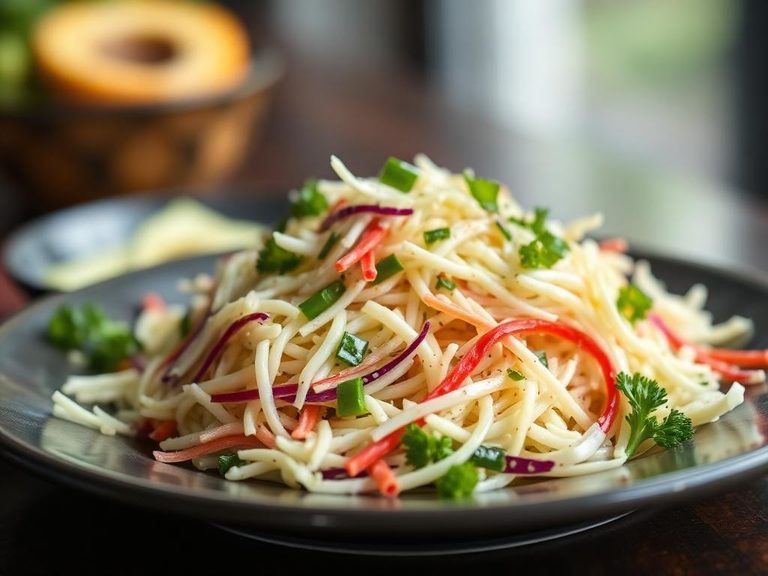
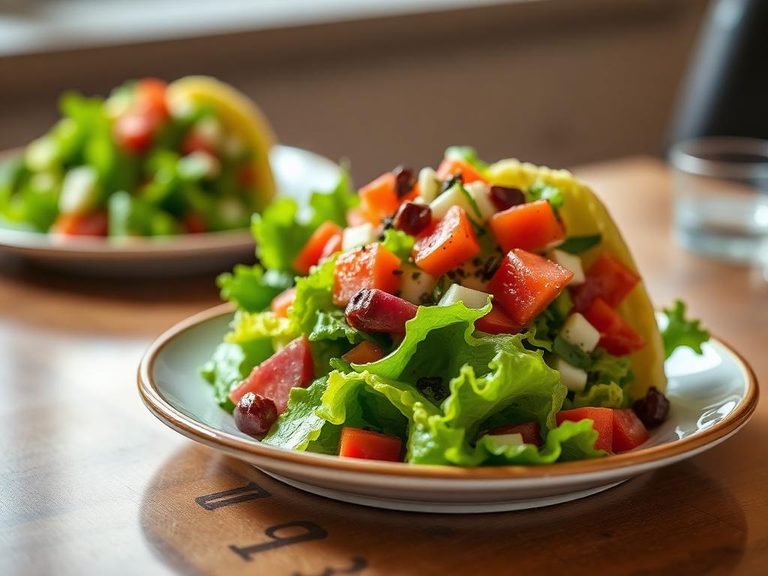
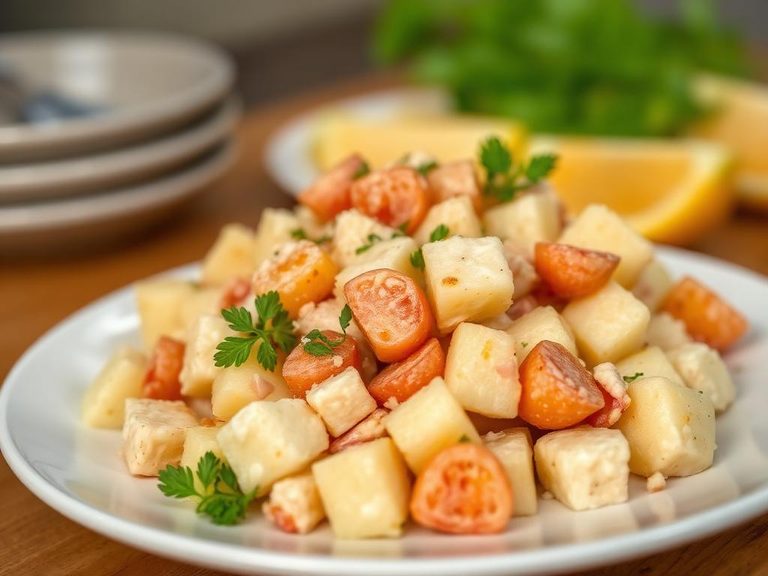
🌍 Where it's eaten
💡 Did you know?
The 'lite' version often achieves its lower fat content by replacing some of the oil with thickeners like modified food starch or gums, which help maintain a creamy mouthfeel despite the reduced fat.
Full nutrition (USDA data · scales with serving)
| Water | 62.0 g |
| Energy | 202 kcal |
| Energy | 845 kj |
| Protein | 1.3 g |
| Total lipid (fat) | 12.4 g |
| Ash | 3.0 g |
| Carbohydrate, by difference | 21.3 g |
| Fiber, total dietary | 1.1 g |
| Total Sugars | 3.8 g |
| Sucrose | 0.89 g |
| Glucose | 0.66 g |
| Fructose | 0.61 g |
| Lactose | 1.0 g |
| Maltose | 0.00 g |
| Galactose | 0.00 g |
| Calcium, Ca | 40.0 mg |
| Iron, Fe | 0.69 mg |
| Magnesium, Mg | 6.0 mg |
| Phosphorus, P | 193 mg |
| Potassium, K | 132 mg |
| Sodium, Na | 1120 mg |
| Zinc, Zn | 0.62 mg |
| Copper, Cu | 0.16 mg |
| Manganese, Mn | 0.05 mg |
| Selenium, Se | 2.9 ug |
| Vitamin C, total ascorbic acid | 0.60 mg |
| Thiamin | 0.02 mg |
| Riboflavin | 0.03 mg |
| Niacin | 0.01 mg |
| Pantothenic acid | 0.86 mg |
| Vitamin B-6 | 0.03 mg |
| Folate, total | 4.0 ug |
| Folic acid | 0.00 ug |
| Folate, food | 4.0 ug |
| Folate, DFE | 4.0 ug |
| Choline, total | 16.0 mg |
| Vitamin B-12 | 0.00 ug |
| Vitamin B-12, added | 0.00 ug |
| Vitamin A, RAE | 18.0 ug |
| Retinol | 17.0 ug |
| Carotene, beta | 4.0 ug |
| Carotene, alpha | 2.0 ug |
| Cryptoxanthin, beta | 2.0 ug |
| Vitamin A, IU | 67.0 iu |
| Lycopene | 0.00 ug |
| Lutein + zeaxanthin | 49.0 ug |
| Vitamin E (alpha-tocopherol) | 1.6 mg |
| Vitamin E, added | 0.00 mg |
| Vitamin D (D2 + D3), International Units | 0.00 iu |
| Vitamin D (D2 + D3) | 0.00 ug |
| Vitamin K (phylloquinone) | 34.8 ug |
| Vitamin K (Dihydrophylloquinone) | 0.00 ug |
| Alcohol, ethyl | 0.00 g |
| Caffeine | 0.00 mg |
| Theobromine | 0.00 mg |
Fat & fatty acid profile (per 100g)
| Fatty acids, total saturated | 1.3 g |
| SFA 4:0 | 0.00 g |
| SFA 6:0 | 0.00 g |
| SFA 8:0 | 0.00 g |
| SFA 10:0 | 0.00 g |
| SFA 12:0 | 0.00 g |
| SFA 14:0 | 0.01 g |
| SFA 16:0 | 0.79 g |
| SFA 17:0 | 0.00 g |
| SFA 18:0 | 0.38 g |
| SFA 20:0 | 0.03 g |
| SFA 22:0 | 0.03 g |
| SFA 24:0 | 0.00 g |
| Fatty acids, total monounsaturated | 2.8 g |
| MUFA 14:1 | 0.00 g |
| MUFA 16:1 | 0.01 g |
| MUFA 16:1 c | 0.01 g |
| MUFA 18:1 | 2.7 g |
| MUFA 18:1 c | 2.7 g |
| MUFA 20:1 | 0.06 g |
| MUFA 22:1 | 0.00 g |
| MUFA 24:1 c | 0.00 g |
| Fatty acids, total polyunsaturated | 4.2 g |
| PUFA 18:2 | 3.7 g |
| PUFA 18:2 n-6 c,c | 3.6 g |
| PUFA 18:2 i | 0.06 g |
| PUFA 18:3 | 0.53 g |
| PUFA 18:3 n-3 c,c,c (ALA) | 0.53 g |
| PUFA 18:4 | 0.00 g |
| PUFA 20:4 | 0.00 g |
| PUFA 20:5 n-3 (EPA) | 0.00 g |
| PUFA 22:5 n-3 (DPA) | 0.00 g |
| PUFA 22:6 n-3 (DHA) | 0.00 g |
| Fatty acids, total trans | 0.06 g |
| Fatty acids, total trans-monoenoic | 0.00 g |
| TFA 18:1 t | 0.00 g |
| Fatty acids, total trans-polyenoic | 0.06 g |
| Cholesterol | 16.0 mg |
| Stigmasterol | 9.0 mg |
| Campesterol | 20.0 mg |
| Beta-sitosterol | 38.0 mg |
Amino acid profile (per 100g)
Estimated from Salad dressing, sesame seed dressing, regular — USDA does not publish this profile for Salad dressing.
| Tryptophan | 0.05 g |
| Threonine | 0.05 g |
| Isoleucine | 0.05 g |
| Leucine | 0.08 g |
| Lysine | 0.14 g |
| Methionine | 0.03 g |
| Cystine | 0.00 g |
| Phenylalanine | 0.09 g |
| Tyrosine | 0.10 g |
| Valine | 0.07 g |
| Arginine | 0.40 g |
| Histidine | 0.03 g |
| Alanine | 0.00 g |
| Aspartic acid | 0.00 g |
| Glutamic acid | 0.46 g |
| Glycine | 0.00 g |
| Proline | 0.00 g |
| Serine | 0.00 g |
FAQ
How does lite buttermilk dressing differ from regular buttermilk dressing?
Lite versions typically have about half the fat and calories of regular buttermilk dressing. They often use thickeners and more sugar to compensate for the reduced fat and maintain a creamy texture and appealing taste.
Is lite buttermilk dressing a good source of probiotics?
No. While buttermilk itself is a cultured product, the pasteurization and processing involved in making bottled salad dressing kill the live active cultures. It is not a significant source of probiotics.
Can I use this dressing as a marinade?
Yes, its acidity and buttermilk content make it an excellent tenderizer for chicken or pork. However, due to its sugar content, be mindful of grilling or baking times to prevent excessive charring.
Nutrient density (calculated · NRF9.3)
Nutrient Rich Foods index: beneficial nutrients (protein, fiber, vitamins, minerals) minus saturated fat, added sugar & sodium, per 100 kcal.
NRF9.3 index — Fulgoni, Keast & Drewnowski, 2009. Computed from USDA nutrients.
Weight-loss friendliness (composite index)
Energy density 2.02 kcal/g · 2% calories from protein · 1.1 g fiber · 3.8 g sugar per 100 g.
Composite of energy density (Rolls et al., 1999), protein & fiber satiety, minus sugar. A calculated heuristic — ranks satiety-per-calorie, not a clinical measure.
Dietary load (calculated from USDA values)
Potential renal acid load. Positive = acid-forming, negative = alkaline-forming.
Sodium-to-potassium ratio: 8.48 (lower is better — aim for ≤ 1)
Sodium:potassium per WHO potassium guidance. Computed from USDA nutrients.