

Lamb, New Zealand, imported, leg chop/steak, bone-in, separable lean and fat, raw
Whole food · Lamb, Veal, and Game Products

Photo: Wikipedia
This is a premium cut of raw lamb, featuring the lean meat and attached fat from the leg, still on the bone. The flavor is distinctly rich, slightly gamey, and deeply savory, with a firm, dense texture that becomes tender and succulent when cooked properly. It's a powerhouse of high-quality protein and essential fats, providing a substantial 18.64g of protein per 100g with virtually no carbohydrates.
Calorie split: 36% protein · 0% carbs · 64% fat
↓ Full nutrition💚 Why it's loved
People cherish this cut for its robust, authentic lamb flavor that stands up to bold seasonings and slow cooking. Its versatility allows it to be grilled for a quick steak or braised for a fall-apart tender meal, making it a centerpiece for both everyday dinners and celebratory feasts.
⚠️ Watch-outs & how to enjoy it better
The higher fat content (14.52g per 100g) and caloric density mean portion control is key for those managing weight or specific dietary goals. The bone-in nature can also be intimidating for novice cooks, and the gamey taste, while loved by many, is an acquired flavor some find strong. To counteract, trim excess visible fat before cooking and pair with acidic marinades (like yogurt or lemon) or bright, fresh sides like a mint-yogurt sauce to balance the richness.
Key benefits
- Excellent source of complete protein for muscle maintenance.
- Rich in bioavailable iron and zinc for immune function.
- Provides B vitamins, especially B12, crucial for nerve health.
- Contains conjugated linoleic acid (CLA), a naturally occurring fatty acid.
- Bone-in cut adds flavor and can be used for making rich stocks.
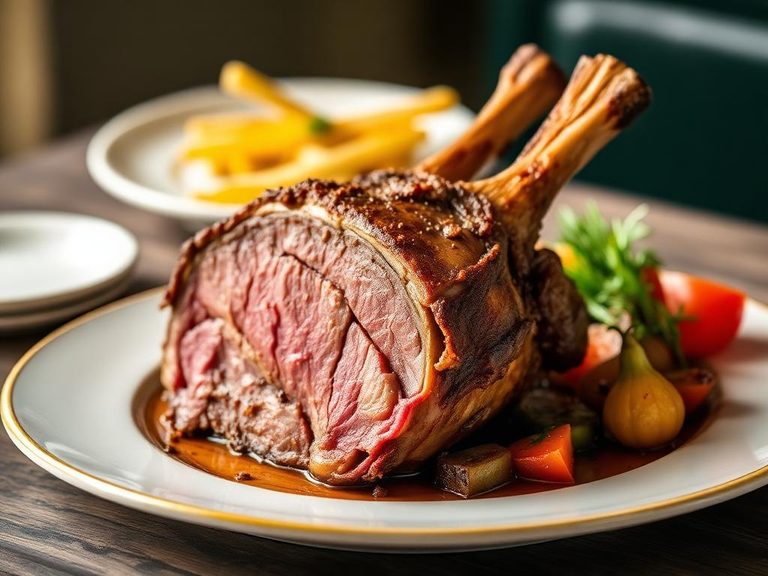
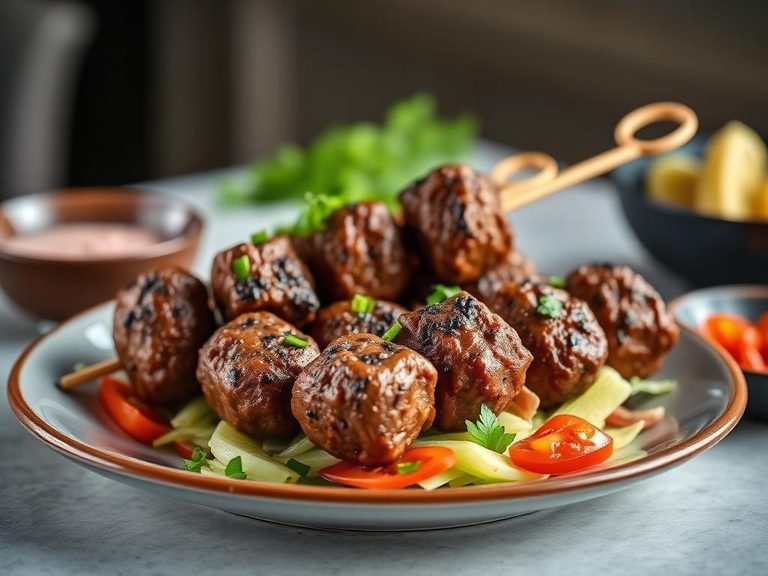
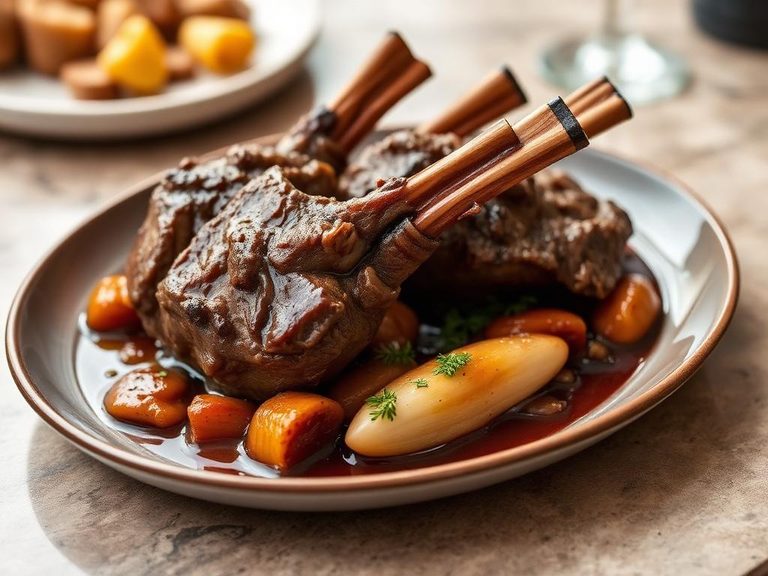
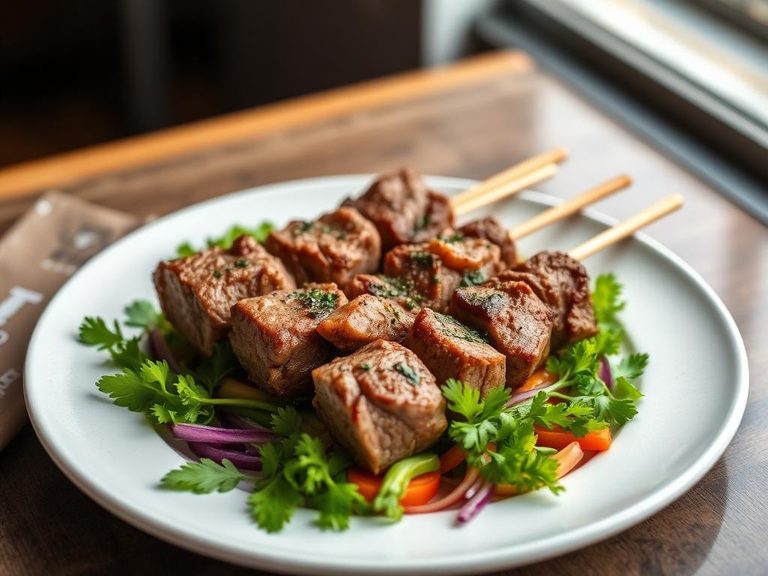
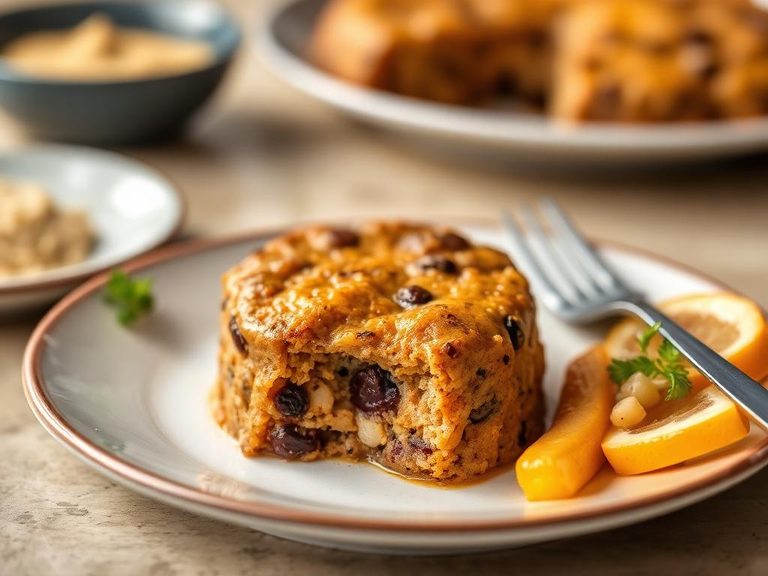
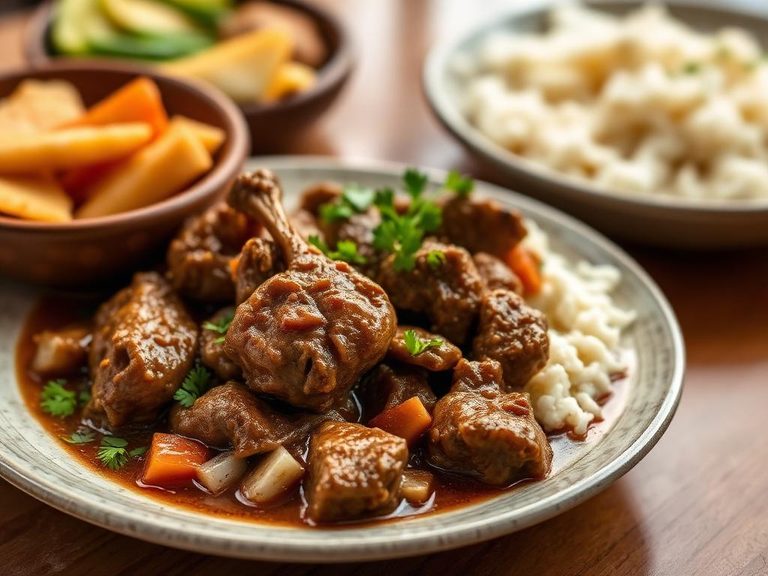
🍽️ Popular dishes
🌍 Where it's eaten
💡 Did you know?
New Zealand's sheep outnumber its human population by about 6 to 1, and the country's unique grass-fed lamb diet contributes to the distinct, clean flavor of its exported meat.
Full nutrition (USDA data · scales with serving)
| Water | 66.8 g |
| Energy | 206 kcal |
| Energy | 861 kj |
| Protein | 18.6 g |
| Total lipid (fat) | 14.5 g |
| Ash | 0.95 g |
| Carbohydrate, by difference | 0.13 g |
| Fiber, total dietary | 0.00 g |
| Total Sugars | 0.00 g |
| Calcium, Ca | 10.0 mg |
| Iron, Fe | 1.5 mg |
| Magnesium, Mg | 21.0 mg |
| Phosphorus, P | 177 mg |
| Potassium, K | 315 mg |
| Sodium, Na | 59.0 mg |
| Zinc, Zn | 2.8 mg |
| Copper, Cu | 0.10 mg |
| Manganese, Mn | 0.01 mg |
| Selenium, Se | 3.0 ug |
| Vitamin C, total ascorbic acid | 0.00 mg |
| Thiamin | 0.16 mg |
| Riboflavin | 0.15 mg |
| Niacin | 4.6 mg |
| Pantothenic acid | 0.49 mg |
| Vitamin B-6 | 0.12 mg |
| Folic acid | 0.00 ug |
| Vitamin B-12 | 1.5 ug |
| Vitamin A, RAE | 9.0 ug |
| Retinol | 9.0 ug |
| Carotene, beta | 0.00 ug |
| Carotene, alpha | 0.00 ug |
| Cryptoxanthin, beta | 0.00 ug |
| Vitamin A, IU | 29.0 iu |
| Lycopene | 0.00 ug |
| Lutein + zeaxanthin | 0.00 ug |
| Vitamin E (alpha-tocopherol) | 0.26 mg |
| Vitamin D (D2 + D3), International Units | 2.0 iu |
| Vitamin D (D2 + D3) | 0.00 ug |
| Vitamin D3 (cholecalciferol) | 0.00 ug |
| Alcohol, ethyl | 0.00 g |
| Caffeine | 0.00 mg |
| Theobromine | 0.00 mg |
Fat & fatty acid profile (per 100g)
| Fatty acids, total saturated | 5.9 g |
| SFA 4:0 | 0.00 g |
| SFA 6:0 | 0.00 g |
| SFA 8:0 | 0.00 g |
| SFA 10:0 | 0.02 g |
| SFA 12:0 | 0.02 g |
| SFA 14:0 | 0.32 g |
| SFA 16:0 | 2.3 g |
| SFA 17:0 | 0.25 g |
| SFA 18:0 | 2.9 g |
| SFA 20:0 | 0.01 g |
| SFA 22:0 | 0.03 g |
| SFA 24:0 | 0.00 g |
| Fatty acids, total monounsaturated | 4.2 g |
| MUFA 14:1 | 0.01 g |
| MUFA 15:1 | 0.00 g |
| MUFA 16:1 | 0.14 g |
| MUFA 16:1 c | 0.12 g |
| MUFA 17:1 | 0.00 g |
| MUFA 18:1 | 4.0 g |
| MUFA 18:1 c | 3.3 g |
| MUFA 20:1 | 0.00 g |
| MUFA 22:1 | 0.00 g |
| MUFA 22:1 c | 0.00 g |
| MUFA 24:1 c | 0.00 g |
| Fatty acids, total polyunsaturated | 0.62 g |
| PUFA 18:2 | 0.39 g |
| PUFA 18:2 n-6 c,c | 0.16 g |
| PUFA 18:2 CLAs | 0.22 g |
| PUFA 18:3 | 0.15 g |
| PUFA 18:3 n-3 c,c,c (ALA) | 0.15 g |
| PUFA 18:3 n-6 c,c,c | 0.00 g |
| PUFA 18:4 | 0.00 g |
| PUFA 20:2 n-6 c,c | 0.00 g |
| PUFA 20:3 | 0.00 g |
| PUFA 20:3 n-3 | 0.00 g |
| PUFA 20:3 n-6 | 0.00 g |
| PUFA 20:4 | 0.03 g |
| PUFA 20:4 n-6 | 0.03 g |
| PUFA 20:5 n-3 (EPA) | 0.02 g |
| PUFA 22:5 n-3 (DPA) | 0.03 g |
| PUFA 22:6 n-3 (DHA) | 0.01 g |
| Fatty acids, total trans | 0.74 g |
| Fatty acids, total trans-monoenoic | 0.73 g |
| TFA 16:1 t | 0.02 g |
| TFA 18:1 t | 0.71 g |
| TFA 18:2 t,t | 0.01 g |
| Fatty acids, total trans-polyenoic | 0.01 g |
| Cholesterol | 67.0 mg |
Amino acid profile (per 100g)
| Tryptophan | 0.21 g |
| Threonine | 0.89 g |
| Isoleucine | 0.83 g |
| Leucine | 1.4 g |
| Lysine | 1.6 g |
| Methionine | 0.61 g |
| Cystine | 0.24 g |
| Phenylalanine | 0.73 g |
| Tyrosine | 0.65 g |
| Valine | 0.95 g |
| Arginine | 1.3 g |
| Histidine | 0.40 g |
| Alanine | 0.93 g |
| Glutamic acid | 2.6 g |
| Glycine | 0.80 g |
| Proline | 0.60 g |
| Serine | 0.64 g |
FAQ
What's the best way to cook a bone-in leg chop or steak?
For a medium-rare result, sear it in a very hot pan for 3-4 minutes per side, then finish in a 400°F (200°C) oven for 5-8 minutes. Let it rest for 5 minutes before slicing against the grain. For tougher pieces, slow braising is ideal.
Is the bone edible?
The bone itself is not eaten, but it's crucial for flavor. Cooking on the bone helps conduct heat evenly and adds a deeper, meatier taste to the cut and any resulting juices or sauce.
How does the fat content compare to other lamb cuts?
This cut has a moderate fat content, higher than a loin chop but generally lower than a fatty shoulder cut. The fat is integral to its flavor and moisture, especially during high-heat cooking.
Nutrient density (calculated · NRF9.3)
Nutrient Rich Foods index: beneficial nutrients (protein, fiber, vitamins, minerals) minus saturated fat, added sugar & sodium, per 100 kcal.
NRF9.3 index — Fulgoni, Keast & Drewnowski, 2009. Computed from USDA nutrients.
Weight-loss friendliness (composite index)
Energy density 2.06 kcal/g · 36% calories from protein · 0.0 g fiber · 0.0 g sugar per 100 g.
Composite of energy density (Rolls et al., 1999), protein & fiber satiety, minus sugar. A calculated heuristic — ranks satiety-per-calorie, not a clinical measure.
Dietary load (calculated from USDA values)
Potential renal acid load. Positive = acid-forming, negative = alkaline-forming.
Sodium-to-potassium ratio: 0.19 (lower is better — aim for ≤ 1)
Sodium:potassium per WHO potassium guidance. Computed from USDA nutrients.