

Fish, tilapia, raw
Whole food · Finfish and Shellfish Products
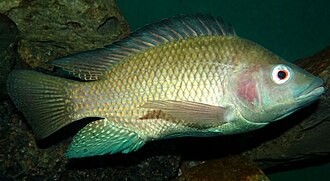
Photo: Wikipedia
Tilapia is a mild, white freshwater fish with a clean, slightly sweet flavor and a firm, flaky texture that holds up well to various cooking methods. It's a lean protein powerhouse, offering a substantial 20 grams of protein per 100 grams with virtually no fat or carbohydrates, making it a staple for health-conscious diets. Its neutral taste acts as a perfect canvas for bold seasonings, marinades, and sauces from around the world.
Calorie split: 84% protein · 0% carbs · 16% fat
↓ Full nutrition💚 Why it's loved
People love tilapia for its incredibly mild, non-fishy taste and versatile, flaky texture that pairs with almost any flavor profile, from spicy blackened seasoning to delicate lemon-herb butter. It's an affordable, reliable weeknight protein that cooks quickly and is widely available in fresh and frozen forms.
⚠️ Watch-outs & how to enjoy it better
The main downside is its very mild flavor can be perceived as bland or watery if not seasoned well, and some farmed tilapia has faced criticism for its feed sources and environmental impact. To counter blandness, use bold marinades, spice rubs, or flavorful cooking methods like grilling or broiling; to address farming concerns, look for certifications like ASC (Aquaculture Stewardship Council) or purchase from reputable sources.
Key benefits
- Excellent source of lean, complete protein for muscle maintenance.
- Very low in calories and fat, supporting weight management goals.
- Rich in selenium, an antioxidant that supports immune function.
- Contains phosphorus, essential for bone and teeth health.
- Mild flavor makes it highly accessible for picky eaters and children.
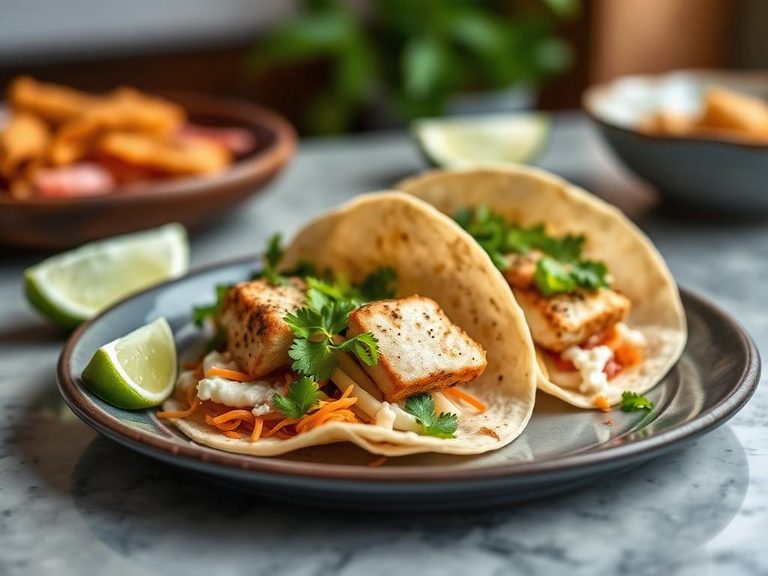
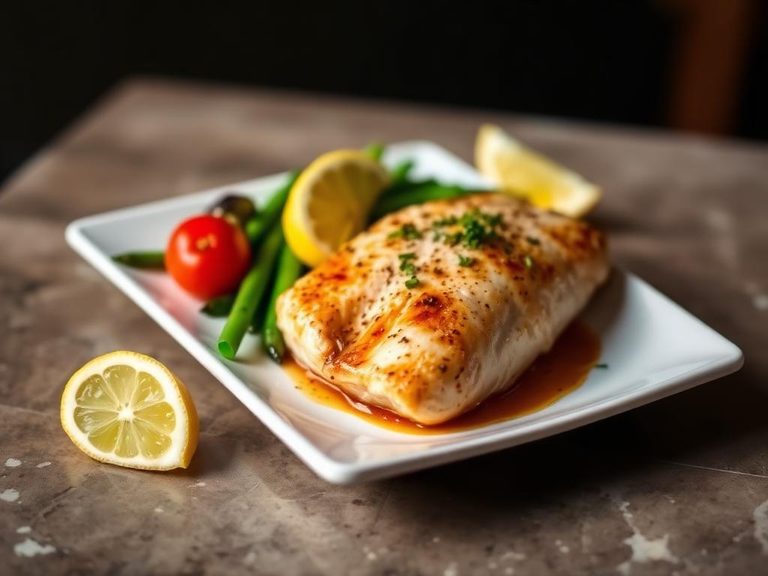
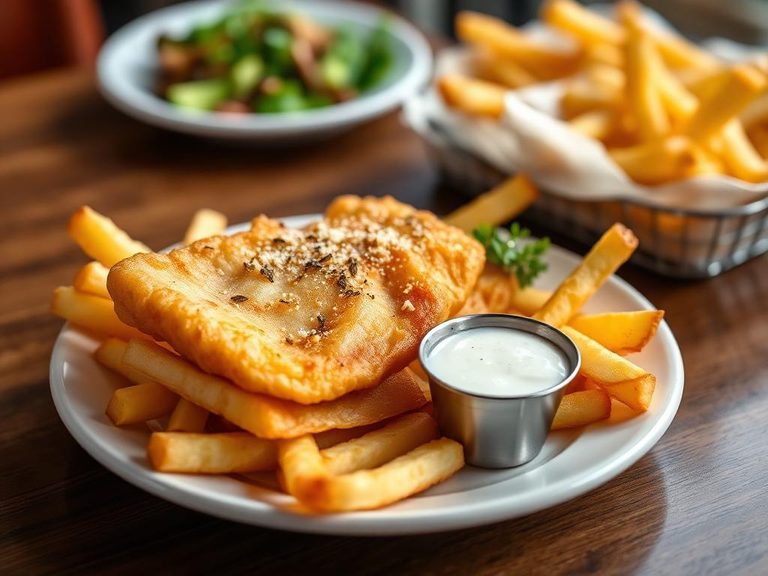
🍽️ Popular dishes
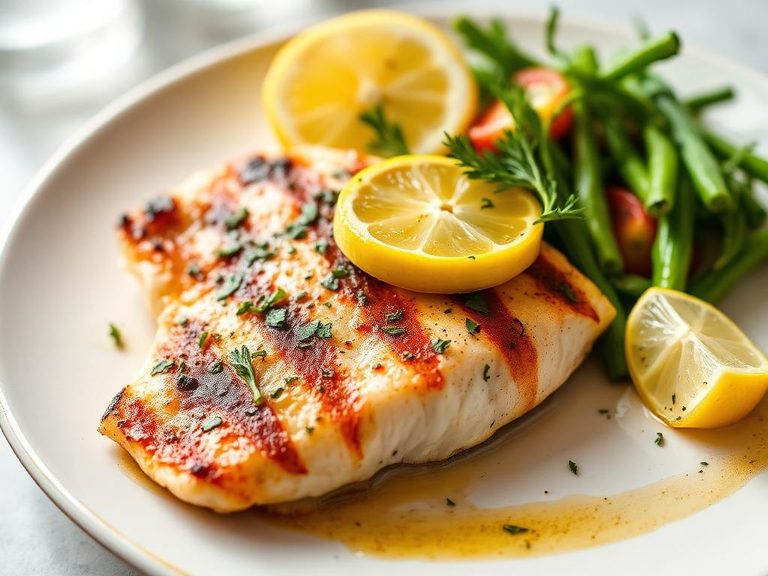
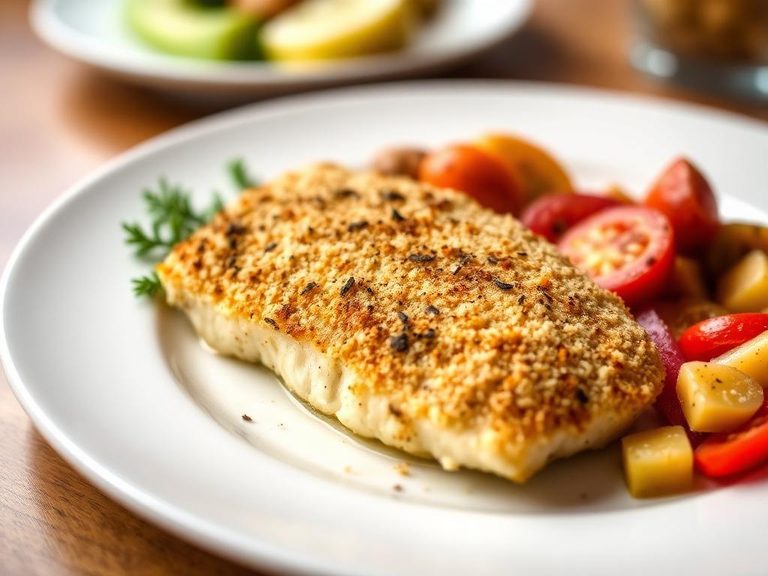
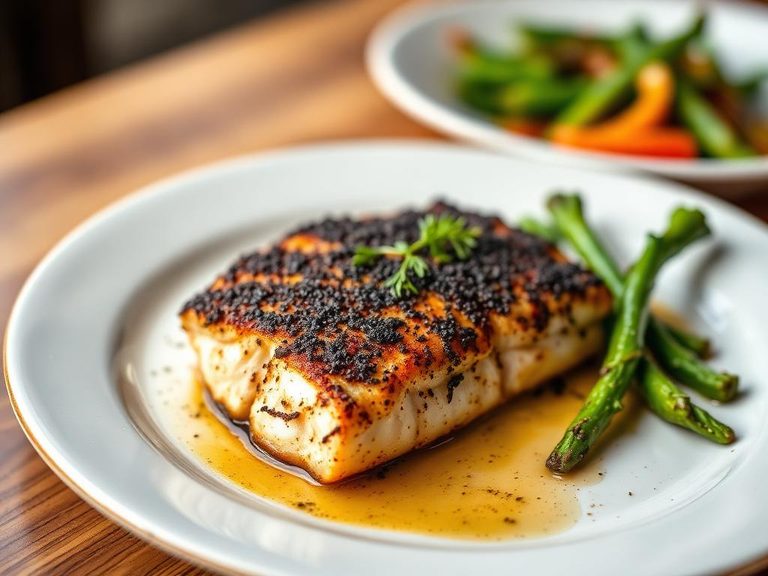
🌍 Where it's eaten
💡 Did you know?
Tilapia is one of the oldest farmed fish in history, with evidence of its cultivation by ancient Egyptians over 3,000 years ago, and it's often called 'St. Peter's fish' in reference to the biblical story where a coin was found in a fish's mouth.
Full nutrition (USDA data · scales with serving)
| Water | 78.1 g |
| Energy | 96.0 kcal |
| Energy | 400 kj |
| Protein | 20.1 g |
| Total lipid (fat) | 1.7 g |
| Ash | 0.93 g |
| Carbohydrate, by difference | 0.00 g |
| Fiber, total dietary | 0.00 g |
| Total Sugars | 0.00 g |
| Calcium, Ca | 10.0 mg |
| Iron, Fe | 0.56 mg |
| Magnesium, Mg | 27.0 mg |
| Phosphorus, P | 170 mg |
| Potassium, K | 302 mg |
| Sodium, Na | 52.0 mg |
| Zinc, Zn | 0.33 mg |
| Copper, Cu | 0.07 mg |
| Manganese, Mn | 0.04 mg |
| Selenium, Se | 41.8 ug |
| Vitamin C, total ascorbic acid | 0.00 mg |
| Thiamin | 0.04 mg |
| Riboflavin | 0.06 mg |
| Niacin | 3.9 mg |
| Pantothenic acid | 0.49 mg |
| Vitamin B-6 | 0.16 mg |
| Folate, total | 24.0 ug |
| Folic acid | 0.00 ug |
| Folate, food | 24.0 ug |
| Folate, DFE | 24.0 ug |
| Choline, total | 42.5 mg |
| Betaine | 21.7 mg |
| Vitamin B-12 | 1.6 ug |
| Vitamin B-12, added | 0.00 ug |
| Vitamin A, RAE | 0.00 ug |
| Retinol | 0.00 ug |
| Carotene, beta | 0.00 ug |
| Carotene, alpha | 0.00 ug |
| Cryptoxanthin, beta | 0.00 ug |
| Vitamin A, IU | 0.00 iu |
| Lycopene | 0.00 ug |
| Lutein + zeaxanthin | 0.00 ug |
| Vitamin E (alpha-tocopherol) | 0.40 mg |
| Vitamin E, added | 0.00 mg |
| Tocopherol, beta | 0.00 mg |
| Tocopherol, gamma | 0.10 mg |
| Tocopherol, delta | 0.00 mg |
| Tocotrienol, beta | 0.00 mg |
| Tocotrienol, gamma | 0.00 mg |
| Tocotrienol, delta | 0.00 mg |
| Vitamin D (D2 + D3), International Units | 124 iu |
| Vitamin D (D2 + D3) | 3.1 ug |
| Vitamin D3 (cholecalciferol) | 3.1 ug |
| Vitamin K (phylloquinone) | 1.4 ug |
| Vitamin K (Dihydrophylloquinone) | 0.00 ug |
| Alcohol, ethyl | 0.00 g |
| Caffeine | 0.00 mg |
| Theobromine | 0.00 mg |
Fat & fatty acid profile (per 100g)
| Fatty acids, total saturated | 0.58 g |
| SFA 4:0 | 0.00 g |
| SFA 6:0 | 0.00 g |
| SFA 8:0 | 0.00 g |
| SFA 10:0 | 0.00 g |
| SFA 12:0 | 0.00 g |
| SFA 14:0 | 0.05 g |
| SFA 15:0 | 0.00 g |
| SFA 16:0 | 0.42 g |
| SFA 17:0 | 0.00 g |
| SFA 18:0 | 0.11 g |
| SFA 20:0 | 0.00 g |
| SFA 22:0 | 0.00 g |
| SFA 24:0 | 0.00 g |
| Fatty acids, total monounsaturated | 0.50 g |
| MUFA 14:1 | 0.00 g |
| MUFA 15:1 | 0.00 g |
| MUFA 16:1 | 0.10 g |
| MUFA 17:1 | 0.00 g |
| MUFA 18:1 | 0.38 g |
| MUFA 20:1 | 0.02 g |
| MUFA 22:1 | 0.00 g |
| Fatty acids, total polyunsaturated | 0.36 g |
| PUFA 18:2 | 0.16 g |
| PUFA 18:3 | 0.03 g |
| PUFA 18:3 n-3 c,c,c (ALA) | 0.03 g |
| PUFA 18:4 | 0.00 g |
| PUFA 20:2 n-6 c,c | 0.00 g |
| PUFA 20:3 | 0.01 g |
| PUFA 20:4 | 0.02 g |
| PUFA 20:5 n-3 (EPA) | 0.01 g |
| PUFA 22:5 n-3 (DPA) | 0.04 g |
| PUFA 22:6 n-3 (DHA) | 0.09 g |
| Cholesterol | 50.0 mg |
Amino acid profile (per 100g)
| Tryptophan | 0.21 g |
| Threonine | 0.95 g |
| Isoleucine | 0.93 g |
| Leucine | 1.6 g |
| Lysine | 1.8 g |
| Methionine | 0.59 g |
| Cystine | 0.22 g |
| Phenylalanine | 0.81 g |
| Tyrosine | 0.68 g |
| Valine | 0.97 g |
| Arginine | 1.3 g |
| Histidine | 0.47 g |
| Alanine | 1.2 g |
| Aspartic acid | 2.3 g |
| Glutamic acid | 3.2 g |
| Glycine | 1.0 g |
| Proline | 0.76 g |
| Serine | 0.81 g |
FAQ
Is tilapia a healthy fish to eat?
Yes, tilapia is very healthy. It's a lean source of high-quality protein, low in calories and fat, and provides important nutrients like selenium and phosphorus. It's a great choice for a balanced diet.
How should I cook tilapia to avoid it being bland?
To avoid blandness, use flavorful marinades, spice rubs, or sauces. Cooking methods like grilling, broiling, or pan-searing with a crispy coating can enhance its texture and taste. Pairing it with acidic elements like lemon or lime juice also brightens its flavor.
What does tilapia taste like?
Tilapia has a very mild, slightly sweet flavor with a clean, non-fishy taste. Its texture is firm and flaky, making it a neutral canvas that absorbs seasonings and sauces well.
Nutrient density (calculated · NRF9.3)
Nutrient Rich Foods index: beneficial nutrients (protein, fiber, vitamins, minerals) minus saturated fat, added sugar & sodium, per 100 kcal.
NRF9.3 index — Fulgoni, Keast & Drewnowski, 2009. Computed from USDA nutrients.
Weight-loss friendliness (composite index)
Energy density 0.96 kcal/g · 84% calories from protein · 0.0 g fiber · 0.0 g sugar per 100 g.
Composite of energy density (Rolls et al., 1999), protein & fiber satiety, minus sugar. A calculated heuristic — ranks satiety-per-calorie, not a clinical measure.
Dietary load (calculated from USDA values)
Potential renal acid load. Positive = acid-forming, negative = alkaline-forming.
Sodium-to-potassium ratio: 0.17 (lower is better — aim for ≤ 1)
Sodium:potassium per WHO potassium guidance. Computed from USDA nutrients.