

Fish, haddock, cooked, dry heat
Whole food · Finfish and Shellfish Products

Photo: Wikipedia
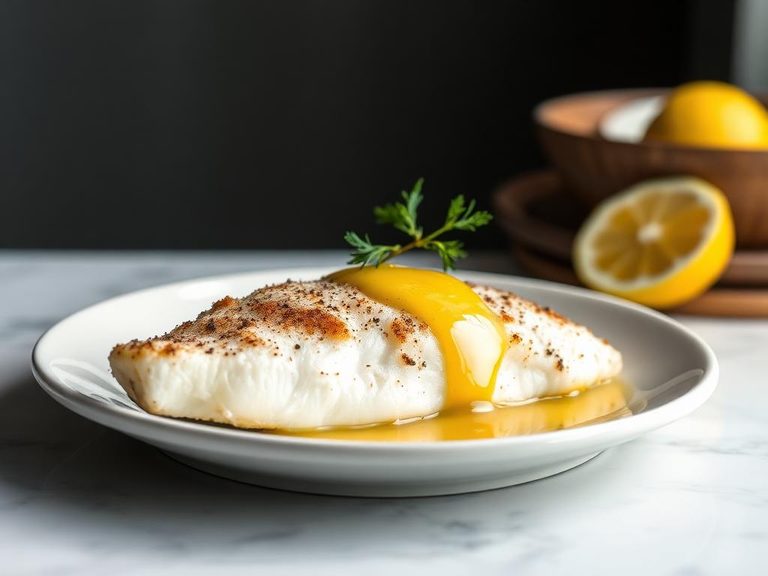
Haddock, cooked with dry heat, is a lean, flaky white fish with a mild, slightly sweet flavor and a tender, firm texture that holds up well to grilling or baking. Its nutritional profile is remarkably clean: nearly pure protein with virtually no fat, carbs, or sugar, making it a powerhouse for muscle maintenance and low-calorie diets.
Calorie split: 94% protein · 0% carbs · 6% fat
↓ Full nutrition💚 Why it's loved
People love haddock for its delicate, non-fishy taste that serves as a perfect canvas for herbs, spices, and sauces, making it incredibly versatile in everything from fish tacos to elegant baked fillets. Its firm texture after cooking provides a satisfying bite without being tough.
⚠️ Watch-outs & how to enjoy it better
As a common finfish, haddock is a major allergen for those with fish allergies and should be strictly avoided. Its very low fat content means it can dry out if overcooked; to counteract this, cook it quickly with high heat or add a small amount of healthy fat like olive oil or a pat of butter during preparation. It is also a source of purines, which some individuals with gout may need to limit.
Key benefits
- Excellent source of high-quality, complete protein for muscle repair.
- Extremely low in calories and fat, supporting weight management.
- Provides essential minerals like selenium and phosphorus.
- Contains B vitamins, particularly niacin (B3), for energy metabolism.
- Naturally free of carbohydrates and sugars.
🍽️ Popular dishes
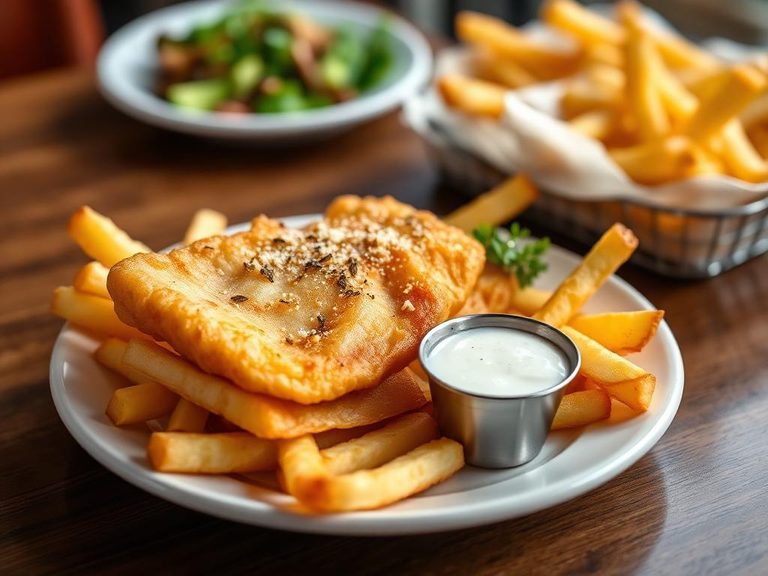
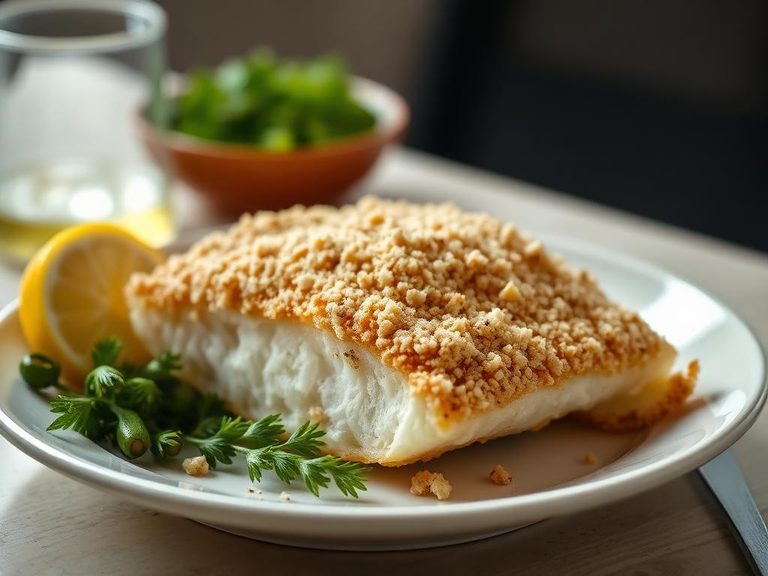
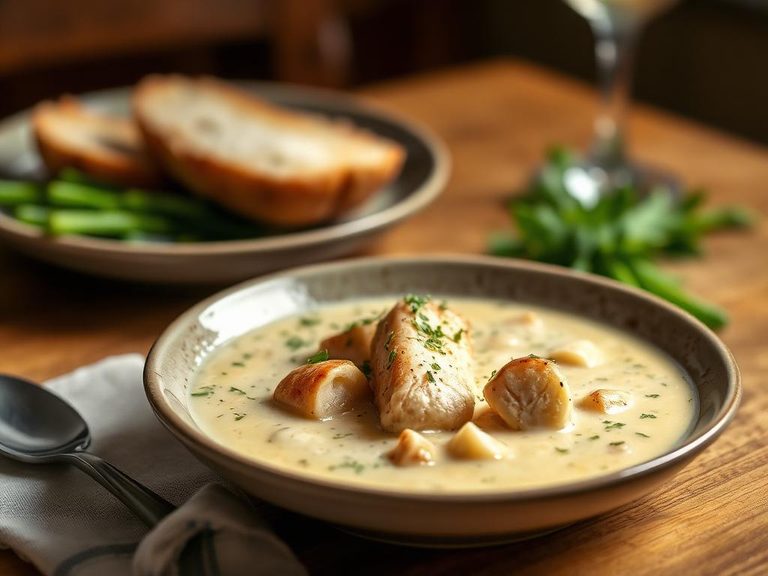
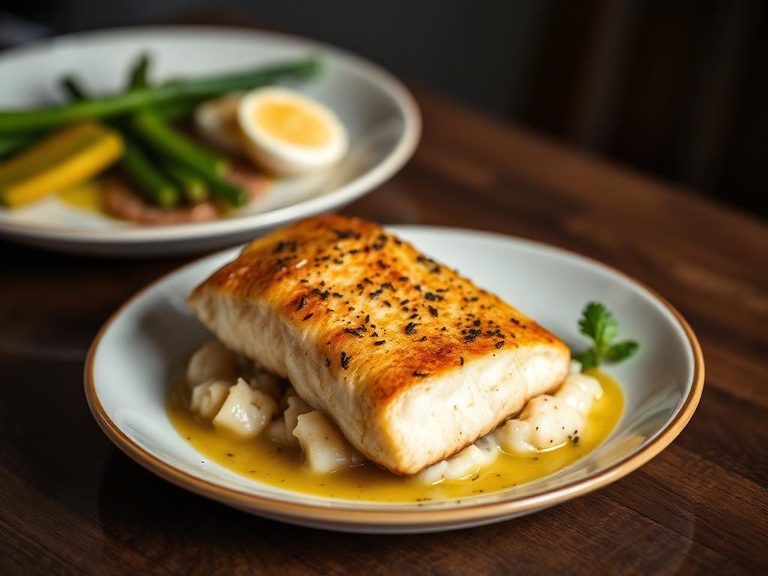
🌍 Where it's eaten
💡 Did you know?
Haddock is the fish traditionally used in authentic New England clam chowder recipes, not cod, due to its firmer texture that holds up better in the creamy broth.
Full nutrition (USDA data · scales with serving)
| Water | 79.7 g |
| Energy | 90.0 kcal |
| Energy | 378 kj |
| Protein | 20.0 g |
| Total lipid (fat) | 0.55 g |
| Ash | 1.6 g |
| Carbohydrate, by difference | 0.00 g |
| Fiber, total dietary | 0.00 g |
| Total Sugars | 0.00 g |
| Calcium, Ca | 14.0 mg |
| Iron, Fe | 0.21 mg |
| Magnesium, Mg | 26.0 mg |
| Phosphorus, P | 278 mg |
| Potassium, K | 351 mg |
| Sodium, Na | 261 mg |
| Zinc, Zn | 0.40 mg |
| Copper, Cu | 0.03 mg |
| Manganese, Mn | 0.01 mg |
| Selenium, Se | 31.7 ug |
| Vitamin C, total ascorbic acid | 0.00 mg |
| Thiamin | 0.02 mg |
| Riboflavin | 0.07 mg |
| Niacin | 4.1 mg |
| Pantothenic acid | 0.49 mg |
| Vitamin B-6 | 0.33 mg |
| Folate, total | 13.0 ug |
| Folic acid | 0.00 ug |
| Folate, food | 13.0 ug |
| Folate, DFE | 13.0 ug |
| Choline, total | 79.6 mg |
| Vitamin B-12 | 2.1 ug |
| Vitamin B-12, added | 0.00 ug |
| Vitamin A, RAE | 21.0 ug |
| Retinol | 21.0 ug |
| Carotene, beta | 0.00 ug |
| Carotene, alpha | 0.00 ug |
| Cryptoxanthin, beta | 0.00 ug |
| Vitamin A, IU | 62.0 iu |
| Lycopene | 0.00 ug |
| Lutein + zeaxanthin | 0.00 ug |
| Vitamin E (alpha-tocopherol) | 0.55 mg |
| Vitamin E, added | 0.00 mg |
| Tocopherol, beta | 0.00 mg |
| Tocopherol, gamma | 0.00 mg |
| Tocopherol, delta | 0.00 mg |
| Tocotrienol, alpha | 0.00 mg |
| Tocotrienol, beta | 0.00 mg |
| Tocotrienol, gamma | 0.00 mg |
| Tocotrienol, delta | 0.00 mg |
| Vitamin D (D2 + D3), International Units | 23.0 iu |
| Vitamin D (D2 + D3) | 0.60 ug |
| Vitamin D3 (cholecalciferol) | 0.60 ug |
| Vitamin K (phylloquinone) | 0.10 ug |
| Alcohol, ethyl | 0.00 g |
| Caffeine | 0.00 mg |
| Theobromine | 0.00 mg |
Fat & fatty acid profile (per 100g)
| Fatty acids, total saturated | 0.11 g |
| SFA 4:0 | 0.00 g |
| SFA 6:0 | 0.00 g |
| SFA 8:0 | 0.00 g |
| SFA 10:0 | 0.00 g |
| SFA 12:0 | 0.00 g |
| SFA 14:0 | 0.01 g |
| SFA 15:0 | 0.00 g |
| SFA 16:0 | 0.08 g |
| SFA 17:0 | 0.00 g |
| SFA 18:0 | 0.03 g |
| SFA 20:0 | 0.00 g |
| SFA 22:0 | 0.00 g |
| SFA 24:0 | 0.00 g |
| Fatty acids, total monounsaturated | 0.07 g |
| MUFA 14:1 | 0.00 g |
| MUFA 15:1 | 0.00 g |
| MUFA 16:1 | 0.01 g |
| MUFA 17:1 | 0.01 g |
| MUFA 18:1 | 0.05 g |
| MUFA 20:1 | 0.01 g |
| MUFA 22:1 | 0.00 g |
| MUFA 24:1 c | 0.01 g |
| Fatty acids, total polyunsaturated | 0.20 g |
| PUFA 18:2 | 0.02 g |
| PUFA 18:3 | 0.00 g |
| PUFA 18:4 | 0.00 g |
| PUFA 20:2 n-6 c,c | 0.00 g |
| PUFA 20:3 | 0.00 g |
| PUFA 20:4 | 0.01 g |
| PUFA 20:5 n-3 (EPA) | 0.05 g |
| PUFA 22:4 | 0.00 g |
| PUFA 22:5 n-3 (DPA) | 0.01 g |
| PUFA 22:6 n-3 (DHA) | 0.11 g |
| Fatty acids, total trans | 0.01 g |
| Cholesterol | 66.0 mg |
Amino acid profile (per 100g)
| Tryptophan | 0.26 g |
| Threonine | 1.0 g |
| Isoleucine | 1.1 g |
| Leucine | 1.9 g |
| Lysine | 2.1 g |
| Methionine | 0.69 g |
| Cystine | 0.25 g |
| Phenylalanine | 0.90 g |
| Tyrosine | 0.78 g |
| Valine | 1.2 g |
| Arginine | 1.4 g |
| Histidine | 0.68 g |
| Alanine | 1.4 g |
| Aspartic acid | 2.4 g |
| Glutamic acid | 3.5 g |
| Glycine | 1.1 g |
| Proline | 0.82 g |
| Serine | 0.94 g |
FAQ
How is haddock different from cod?
Haddock is generally smaller, has a slightly sweeter and more pronounced flavor, and a firmer, less flaky texture than cod. Cod is often considered more neutral in taste.
Is smoked haddock healthy?
Smoked haddock retains the high protein content but is significantly higher in sodium due to the curing process. It's best enjoyed in moderation, especially by those monitoring salt intake.
What's the best way to cook haddock to keep it moist?
Given its low fat, quick, high-heat methods like pan-searing or grilling are ideal. Baking en papillote (in parchment) with vegetables and a splash of liquid also steams it gently, preserving moisture.
Nutrient density (calculated · NRF9.3)
Nutrient Rich Foods index: beneficial nutrients (protein, fiber, vitamins, minerals) minus saturated fat, added sugar & sodium, per 100 kcal.
NRF9.3 index — Fulgoni, Keast & Drewnowski, 2009. Computed from USDA nutrients.
Weight-loss friendliness (composite index)
Energy density 0.90 kcal/g · 89% calories from protein · 0.0 g fiber · 0.0 g sugar per 100 g.
Composite of energy density (Rolls et al., 1999), protein & fiber satiety, minus sugar. A calculated heuristic — ranks satiety-per-calorie, not a clinical measure.
Dietary load (calculated from USDA values)
Potential renal acid load. Positive = acid-forming, negative = alkaline-forming.
Sodium-to-potassium ratio: 0.74 (lower is better — aim for ≤ 1)
Sodium:potassium per WHO potassium guidance. Computed from USDA nutrients.