

Egg, whole, raw, frozen, salted, pasteurized
Whole food · Dairy and Egg Products
This is a whole egg that has been cracked, mixed with a precise amount of salt, pasteurized for safety, and then frozen for long-term storage. It has a rich, savory, and slightly salty flavor with a smooth, liquid texture when thawed, perfect for cooking. Nutritionally, it's a dense source of high-quality protein and healthy fats, with the salt content being its key distinguishing feature.
Calorie split: 32% protein · 2% carbs · 66% fat
↓ Full nutrition💚 Why it's loved
People love it for its ultimate convenience and reliability—it delivers the rich, savory flavor and binding power of a fresh egg with zero prep, and the salt gives a built-in seasoning boost to dishes.
⚠️ Watch-outs & how to enjoy it better
The added sodium is a key consideration for those monitoring salt intake, such as individuals with high blood pressure. As a common allergen, egg is not suitable for everyone. To manage sodium, use it in recipes where you can reduce or omit other added salt, and pair it with potassium-rich vegetables like spinach or tomatoes to help balance electrolytes.
Key benefits
- Excellent source of complete, high-biological-value protein.
- Provides essential vitamins like B12, riboflavin, and choline.
- The salt acts as a natural preservative and flavor enhancer.
- Pasteurization ensures safety from Salmonella.
- Convenient for portion control and reduces waste from unused whites/yolks.
🍽️ Popular dishes
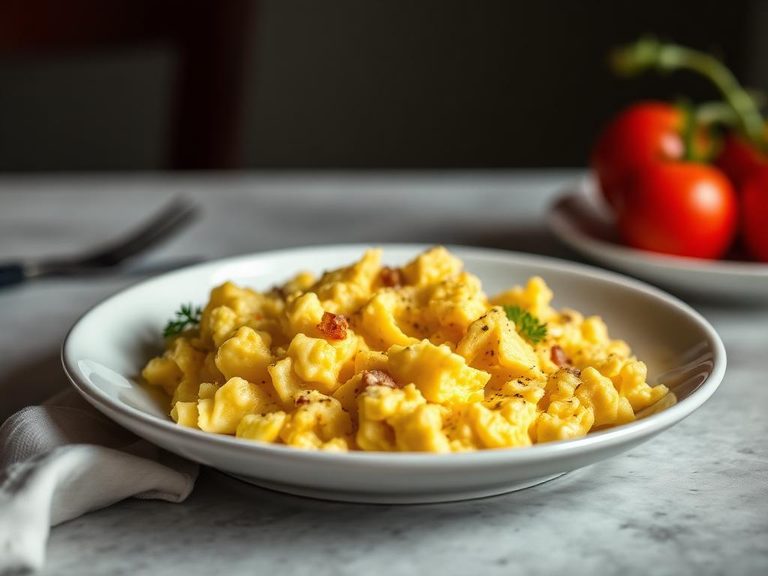



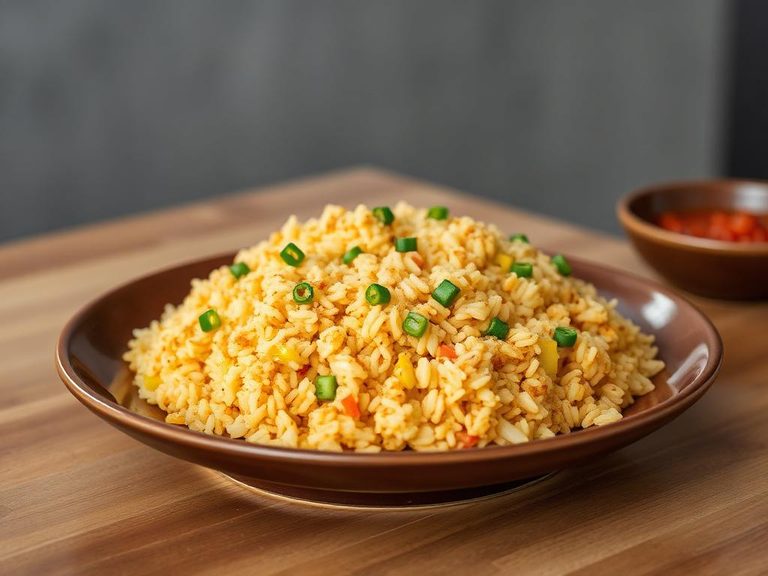
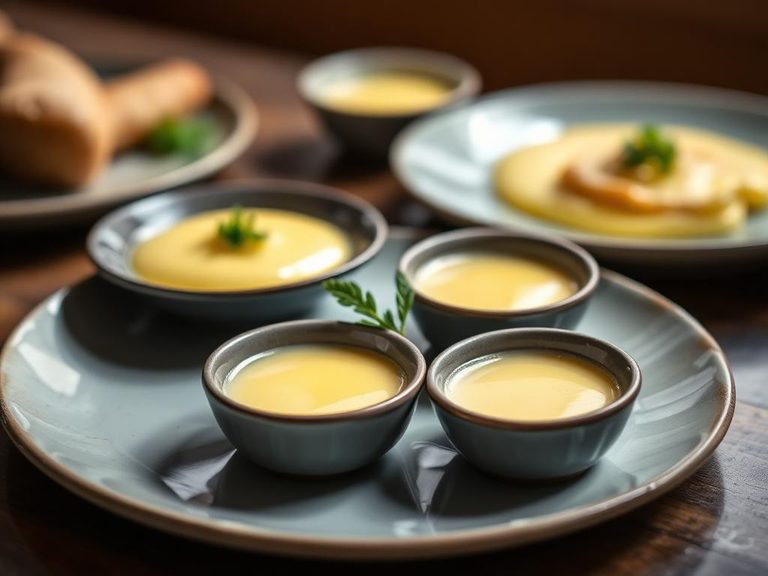
🌍 Where it's eaten
💡 Did you know?
Pasteurization heats the egg to just 60-64°C (140-147°F) for several minutes—hot enough to kill bacteria but cool enough that the egg proteins don't coagulate, leaving it perfectly raw and liquid.
Full nutrition (USDA data · scales with serving)
| Water | 67.8 g |
| Energy | 138 kcal |
| Energy | 577 kj |
| Protein | 11.0 g |
| Total lipid (fat) | 10.1 g |
| Ash | 10.3 g |
| Carbohydrate, by difference | 0.83 g |
| Fiber, total dietary | 0.00 g |
| Total Sugars | 0.07 g |
| Sucrose | 0.00 g |
| Glucose | 0.07 g |
| Fructose | 0.00 g |
| Lactose | 0.00 g |
| Maltose | 0.00 g |
| Galactose | 0.00 g |
| Calcium, Ca | 55.0 mg |
| Iron, Fe | 1.7 mg |
| Magnesium, Mg | 9.0 mg |
| Phosphorus, P | 186 mg |
| Potassium, K | 128 mg |
| Sodium, Na | 3663 mg |
| Zinc, Zn | 1.3 mg |
| Copper, Cu | 0.06 mg |
| Manganese, Mn | 0.03 mg |
| Selenium, Se | 30.4 ug |
| Vitamin C, total ascorbic acid | 0.00 mg |
| Thiamin | 0.06 mg |
| Riboflavin | 0.44 mg |
| Niacin | 0.08 mg |
| Pantothenic acid | 1.3 mg |
| Vitamin B-6 | 0.23 mg |
| Folate, total | 69.0 ug |
| Folic acid | 0.00 ug |
| Folate, food | 69.0 ug |
| Folate, DFE | 69.0 ug |
| Choline, total | 297 mg |
| Vitamin B-12 | 1.2 ug |
| Vitamin B-12, added | 0.00 ug |
| Vitamin A, RAE | 149 ug |
| Retinol | 149 ug |
| Carotene, beta | 0.00 ug |
| Carotene, alpha | 0.00 ug |
| Cryptoxanthin, beta | 9.0 ug |
| Vitamin A, IU | 504 iu |
| Lycopene | 0.00 ug |
| Lutein + zeaxanthin | 417 ug |
| Vitamin E (alpha-tocopherol) | 0.80 mg |
| Vitamin E, added | 0.00 mg |
| Vitamin D (D2 + D3), International Units | 61.0 iu |
| Vitamin D (D2 + D3) | 1.5 ug |
| Vitamin D3 (cholecalciferol) | 1.5 ug |
| Vitamin K (phylloquinone) | 0.30 ug |
| Alcohol, ethyl | 0.00 g |
| Caffeine | 0.00 mg |
| Theobromine | 0.00 mg |
Fat & fatty acid profile (per 100g)
| Fatty acids, total saturated | 3.2 g |
| SFA 4:0 | 0.00 g |
| SFA 6:0 | 0.00 g |
| SFA 8:0 | 0.00 g |
| SFA 10:0 | 0.00 g |
| SFA 12:0 | 0.00 g |
| SFA 14:0 | 0.04 g |
| SFA 15:0 | 0.00 g |
| SFA 16:0 | 2.3 g |
| SFA 17:0 | 0.02 g |
| SFA 18:0 | 0.82 g |
| SFA 20:0 | 0.00 g |
| SFA 22:0 | 0.00 g |
| SFA 24:0 | 0.00 g |
| Fatty acids, total monounsaturated | 4.0 g |
| MUFA 14:1 | 0.01 g |
| MUFA 15:1 | 0.00 g |
| MUFA 16:1 | 0.26 g |
| MUFA 17:1 | 0.01 g |
| MUFA 18:1 | 3.7 g |
| MUFA 20:1 | 0.03 g |
| MUFA 22:1 | 0.00 g |
| MUFA 22:1 c | 0.00 g |
| Fatty acids, total polyunsaturated | 1.6 g |
| PUFA 18:2 | 1.3 g |
| PUFA 18:3 | 0.04 g |
| PUFA 18:3 n-3 c,c,c (ALA) | 0.03 g |
| PUFA 18:3 n-6 c,c,c | 0.01 g |
| PUFA 18:4 | 0.00 g |
| PUFA 20:2 n-6 c,c | 0.02 g |
| PUFA 20:3 | 0.00 g |
| PUFA 20:4 | 0.17 g |
| PUFA 20:5 n-3 (EPA) | 0.00 g |
| PUFA 22:5 n-3 (DPA) | 0.00 g |
| PUFA 22:6 n-3 (DHA) | 0.05 g |
| Fatty acids, total trans | 0.09 g |
| Cholesterol | 387 mg |
Amino acid profile (per 100g)
| Tryptophan | 0.23 g |
| Threonine | 0.48 g |
| Isoleucine | 0.56 g |
| Leucine | 0.94 g |
| Lysine | 0.79 g |
| Methionine | 0.30 g |
| Cystine | 0.24 g |
| Phenylalanine | 0.58 g |
| Tyrosine | 0.46 g |
| Valine | 0.67 g |
| Arginine | 0.70 g |
| Histidine | 0.27 g |
| Alanine | 0.61 g |
| Aspartic acid | 1.1 g |
| Glutamic acid | 1.4 g |
| Glycine | 0.36 g |
| Proline | 0.42 g |
| Serine | 0.85 g |
FAQ
How does the salt affect its use in baking?
It functions like a salted butter vs. unsalted butter; you may need to slightly reduce the added salt in your recipe to avoid over-seasoning.
Can I use it for making mayonnaise or custard?
Yes, but be mindful of the existing salt. For mayonnaise, it will be a salted version. For custards, it adds a savory note which can be desirable in some dishes.
How should I thaw it?
For best results, thaw it overnight in the refrigerator. For quick use, place the sealed container in a bowl of cold water, changing the water every 30 minutes.
Nutrient density (calculated · NRF9.3)
Nutrient Rich Foods index: beneficial nutrients (protein, fiber, vitamins, minerals) minus saturated fat, added sugar & sodium, per 100 kcal.
NRF9.3 index — Fulgoni, Keast & Drewnowski, 2009. Computed from USDA nutrients.
Weight-loss friendliness (composite index)
Energy density 1.38 kcal/g · 32% calories from protein · 0.0 g fiber · 0.1 g sugar per 100 g.
Composite of energy density (Rolls et al., 1999), protein & fiber satiety, minus sugar. A calculated heuristic — ranks satiety-per-calorie, not a clinical measure.
Dietary load (calculated from USDA values)
Potential renal acid load. Positive = acid-forming, negative = alkaline-forming.
Sodium-to-potassium ratio: 28.62 (lower is better — aim for ≤ 1)
Sodium:potassium per WHO potassium guidance. Computed from USDA nutrients.