Custards and Custard-based Sauces
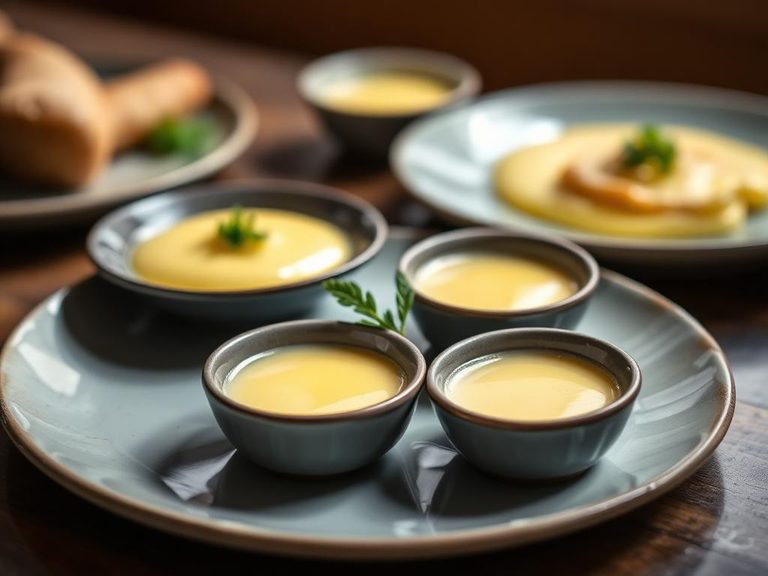
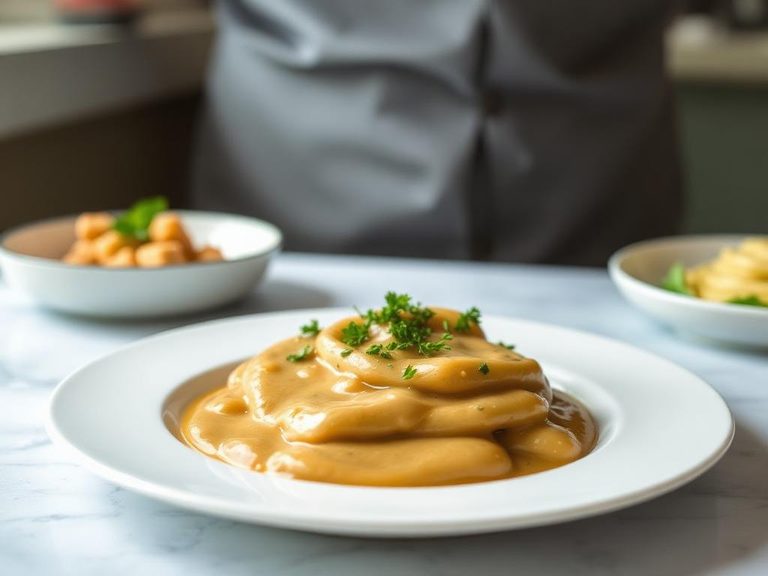
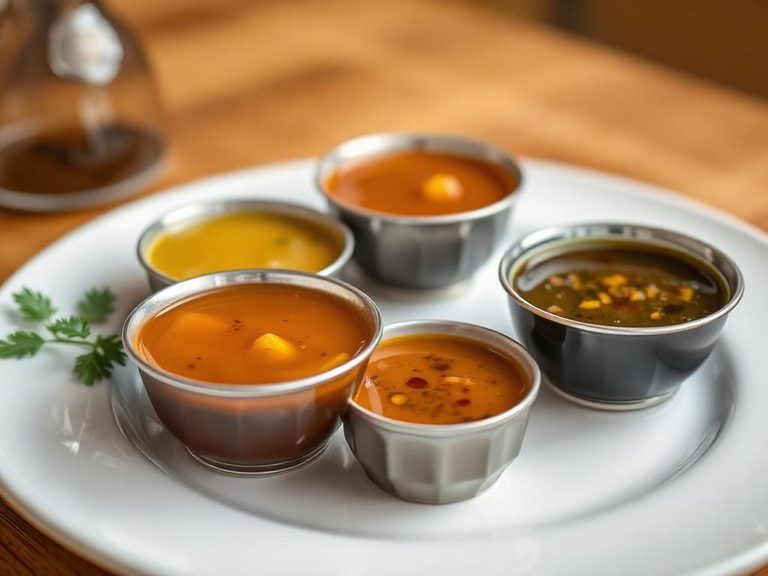
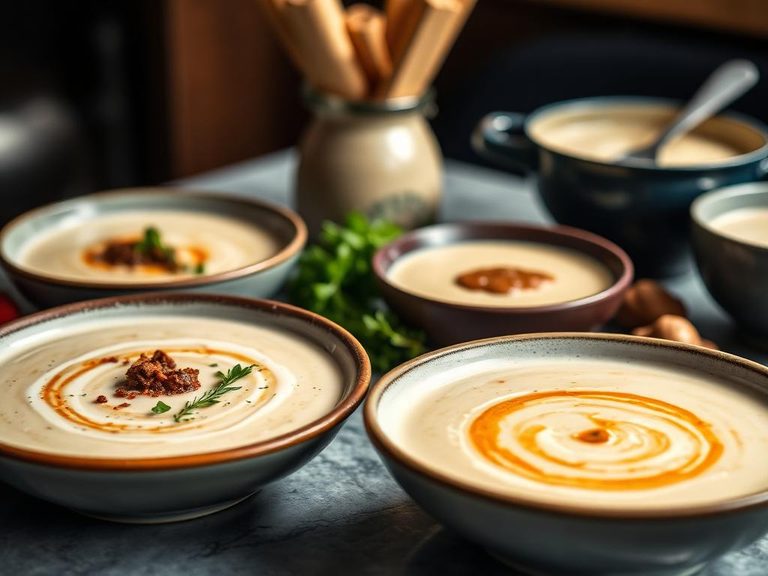
Custards are rich, creamy desserts or sauces made by gently cooking a mixture of eggs (or egg yolks), milk or cream, and sugar, often flavored with vanilla. They can be served as a standalone dessert (like crème caramel or flan) or used as a base for sauces, pastry creams, and ice creams. This culinary tradition is found worldwide, with notable variations in France, the UK, Spain, and Latin America.
🍽️ Nutrition at a glance
Custards are high in fat and protein from eggs and dairy, with moderate to high carbohydrates from added sugar. They provide a good source of calcium, vitamin A, and B vitamins, and a typical serving ranges from 200 to 400 calories.
Nutrition breakdown
| Calories | 300 kcal |
| Protein | 10 g |
| Carbs | 25 g |
| Fat | 18 g |
| Fiber | 0 g |
| Sugar | 22 g |
| Sodium | 120 mg |
| Calcium | 250 mg |
| Vitamin A | 450 µg |
| Vitamin D | 2.5 µg |
| Riboflavin (B2) | 0.3 mg |
| Vitamin B12 | 1.2 µg |
| Phosphorus | 200 mg |
| Selenium | 15 µg |
| Choline | 120 mg |
Per 1 cup (240 g) · estimated, varies by recipe
💡 What's interesting
Custard is a classic example of protein coagulation in cooking—the gentle heat causes egg proteins to set into a smooth gel, a technique that requires careful temperature control to avoid scrambling. Culturally, it's a versatile comfort food, appearing in everything from elegant French crème brûlée to the simple, home-style baked custards of British cuisine.