

Tomato-based curry sauces
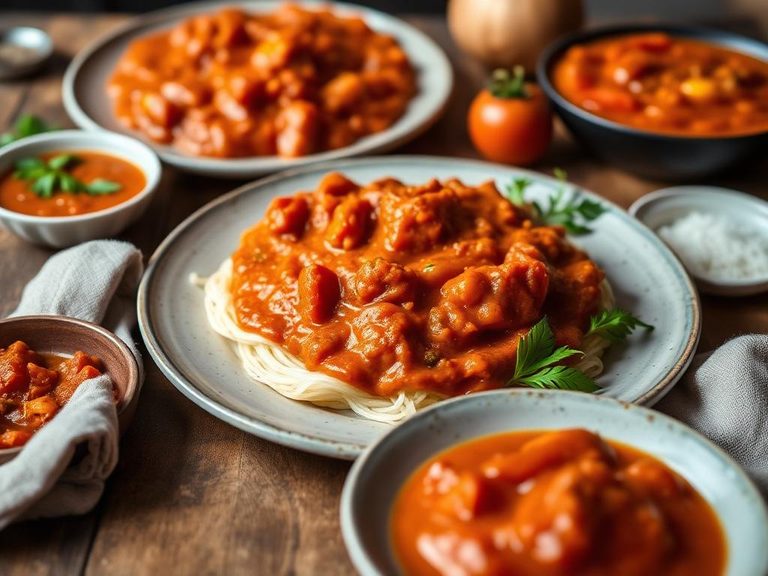
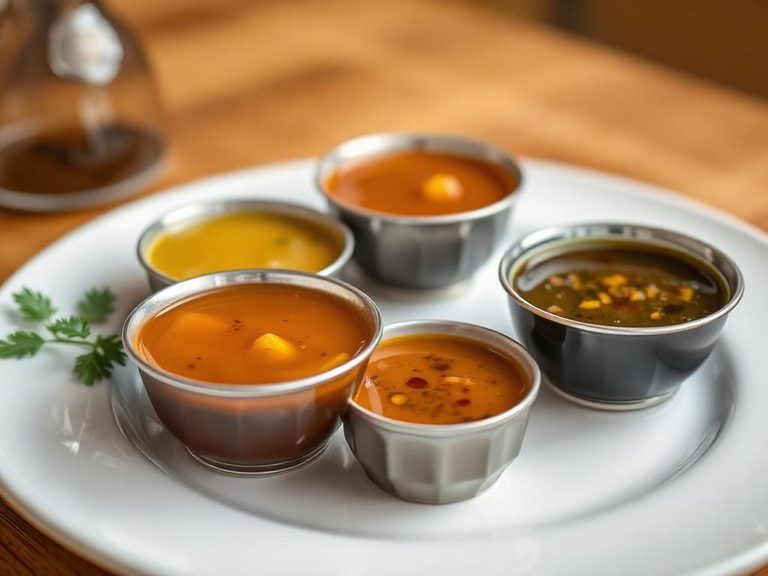
Tomato-based curry sauces are a vibrant, aromatic foundation for countless dishes, primarily originating from the Indian subcontinent. They are typically made by simmering a base of tomatoes with a blend of spices like turmeric, cumin, and coriander, often enriched with onions, garlic, ginger, and sometimes cream or coconut milk. This versatile sauce serves as the backbone for a wide range of curries, from mild and creamy to fiery and complex.
🍳 View the full Tomato-based curry sauces recipe →
🍽️ Nutrition at a glance
Generally, tomato-based curry sauces are moderate in carbohydrates from the tomatoes and any added sugar or cream, with a lower fat content unless enriched with ghee or coconut milk. They are a good source of vitamins A and C, potassium, and antioxidants like lycopene from the tomatoes, with a typical serving ranging from 150 to 250 calories.
Nutrition breakdown
| Calories | 120 kcal |
| Protein | 2.5 g |
| Carbs | 15 g |
| Fat | 6 g |
| Fiber | 3 g |
| Sugar | 8 g |
| Sodium | 600 mg |
| Vitamin A | 800 IU |
| Vitamin C | 25 mg |
| Potassium | 450 mg |
| Iron | 1.5 mg |
| Calcium | 40 mg |
| Vitamin B6 | 0.2 mg |
| Magnesium | 30 mg |
| Folate | 35 mcg |
Per 1 cup (240 g) · estimated, varies by recipe
💡 What's interesting
Culturally, these sauces are a cornerstone of South Asian cuisine, with each region and family often having a unique 'masala' or spice blend that defines their signature curry. Nutritionally, the slow-cooking process helps to release and enhance the bioavailability of antioxidants like lycopene, making the sauce not just flavorful but also a healthful component of the meal.
🍽️ Related dishes



AI estimate may be inaccurate · Terms