Cheese, ricotta, whole milk
Whole food · Dairy and Egg Products

Photo: Wikipedia
Whole milk ricotta is a fresh, whey-based Italian cheese with a delightfully creamy, slightly grainy texture and a mild, milky sweetness. Unlike many cheeses, it's not aged or pressed, which gives it a light, spoonable quality that feels both indulgent and fresh. Nutritionally, it's a solid source of protein and fat with minimal carbs, making it a versatile staple in both sweet and savory cooking.
💚 Why it's loved
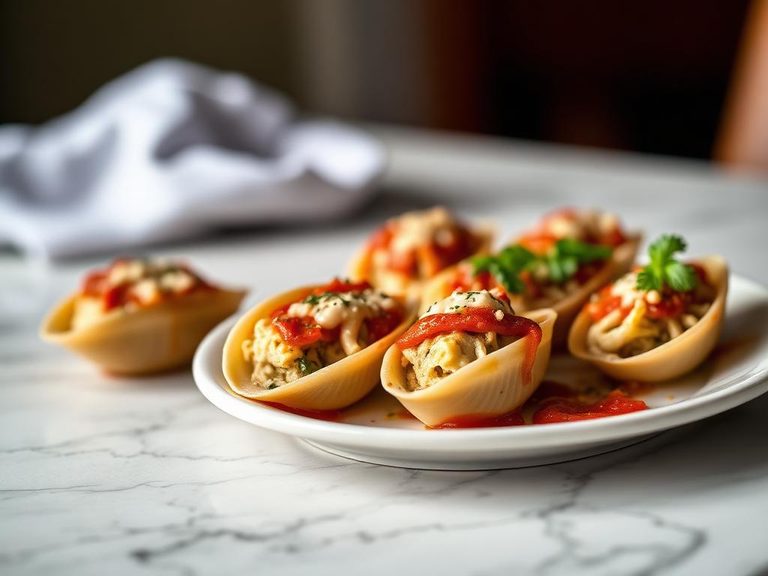
People love ricotta for its incredibly versatile, mild flavor that acts as a blank canvas—it can be sweetened with honey and fruit or layered into savory lasagna. Its creamy yet slightly textured mouthfeel is uniquely comforting, and it's deeply embedded in Italian culinary tradition, from cannoli to ravioli.
⚠️ Watch-outs & how to enjoy it better
The high fat content (11g per 100g) can be a concern for those on strict low-fat diets, and it's a common dairy allergen. To manage this, pair it with fiber-rich vegetables (like in a ricotta-spinach filling) to slow digestion and balance the meal, or opt for portion control by using it as a flavor accent rather than the main component.
Key benefits
- Good source of complete protein for muscle maintenance
- Rich in calcium for bone health
- Contains whey protein, which is easily digestible
- Provides healthy fats for satiety
- Low in carbohydrates and sugar
🍽️ Popular dishes
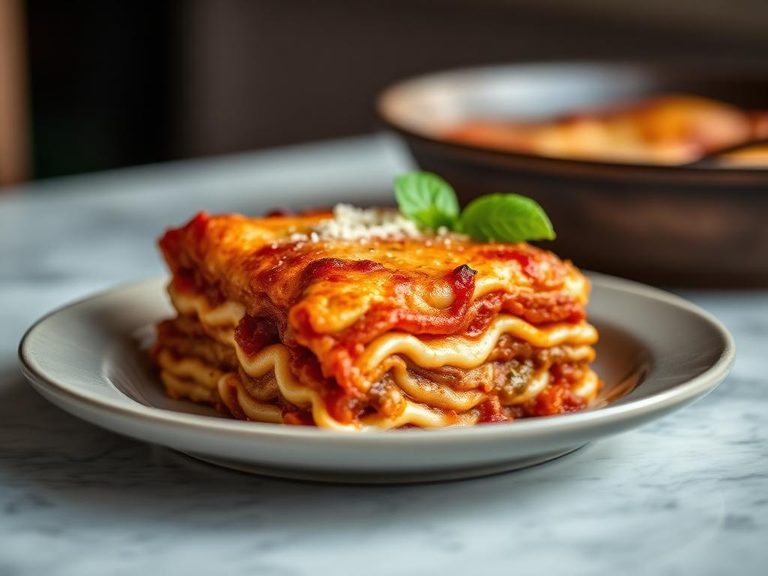
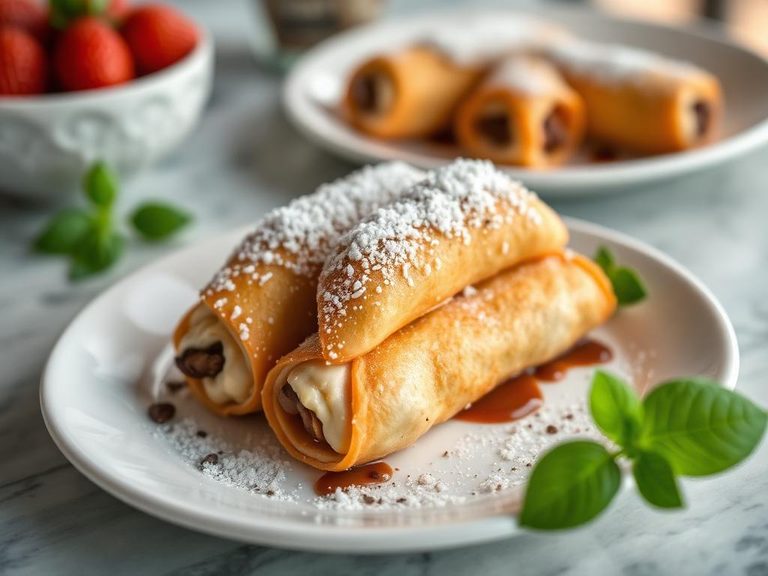
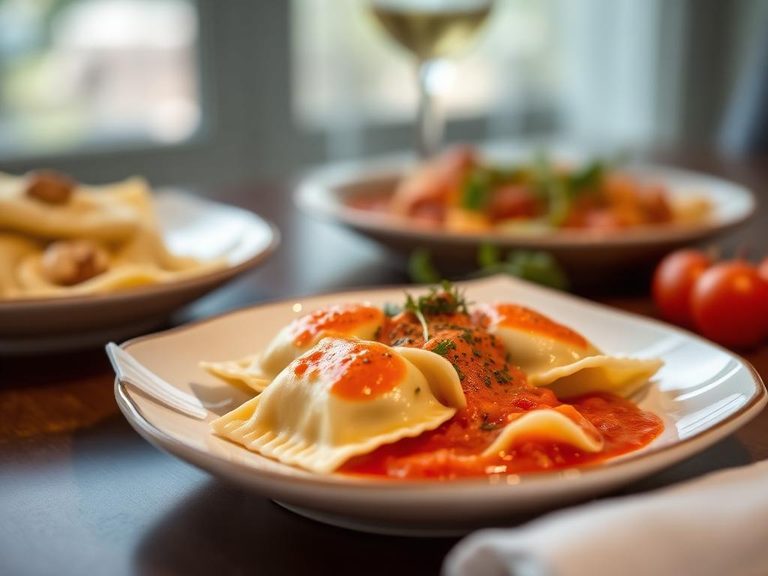
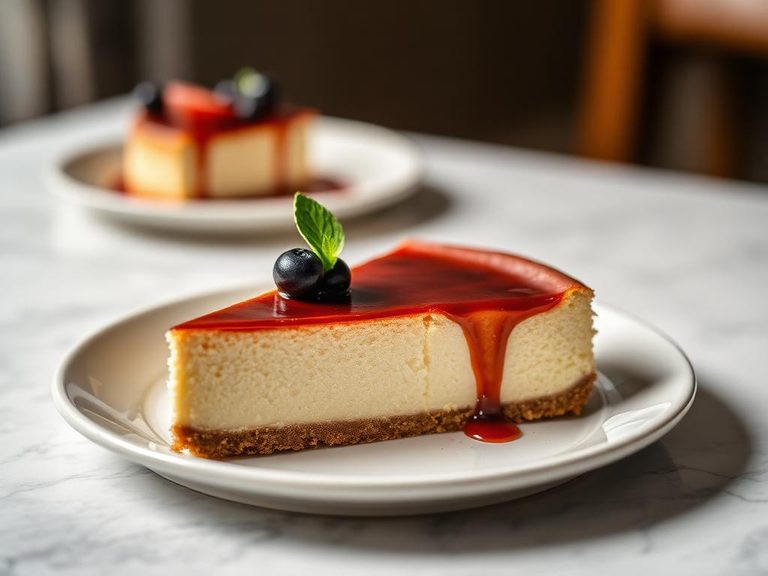
🌍 Where it's eaten
💡 Did you know?
Ricotta is technically not a cheese in the traditional sense, but a 'whey cheese' made by reheating the leftover whey from making other cheeses like mozzarella or provolone.
Full nutrition (scales with serving)
| Water | 72.9 g |
| Energy | 157 kcal |
| Energy | 657 kj |
| Nitrogen | 1.2 g |
| Protein | 7.8 g |
| Total lipid (fat) | 11.0 g |
| Total fat (NLEA) | 10.3 g |
| Ash | 1.4 g |
| Carbohydrate, by difference | 6.9 g |
| Calcium, Ca | 224 mg |
| Iron, Fe | 0.10 mg |
| Magnesium, Mg | 19.7 mg |
| Phosphorus, P | 162 mg |
| Potassium, K | 230 mg |
| Sodium, Na | 105 mg |
| Zinc, Zn | 0.56 mg |
| Copper, Cu | 0.00 mg |
| Manganese, Mn | 0.00 mg |
| Selenium, Se | 5.5 ug |
| Thiamin | 0.04 mg |
| Riboflavin | 0.33 mg |
| Niacin | 0.17 mg |
| Pantothenic acid | 0.67 mg |
| Vitamin B-6 | 0.10 mg |
| Folate, total | 4.0 ug |
| Vitamin B-12 | 0.78 ug |
| Vitamin A, RAE | 127 ug |
| Retinol | 127 ug |
| Vitamin E (alpha-tocopherol) | 0.27 mg |
| Tocopherol, beta | 0.00 mg |
| Tocopherol, gamma | 0.00 mg |
| Tocopherol, delta | 0.00 mg |
| Tocotrienol, alpha | 0.00 mg |
| Tocotrienol, beta | 0.00 mg |
| Tocotrienol, gamma | 0.00 mg |
| Tocotrienol, delta | 0.00 mg |
| Vitamin K (phylloquinone) | 0.60 ug |
| Vitamin K (Dihydrophylloquinone) | 0.00 ug |
| Vitamin K (Menaquinone-4) | 3.1 ug |
| Fatty acids, total saturated | 7.0 g |
| SFA 4:0 | 0.25 g |
| SFA 6:0 | 0.20 g |
| SFA 8:0 | 0.13 g |
| SFA 10:0 | 0.31 g |
| SFA 11:0 | 0.00 g |
| SFA 12:0 | 0.36 g |
| SFA 14:0 | 1.1 g |
| SFA 15:0 | 0.12 g |
| SFA 16:0 | 3.4 g |
| SFA 17:0 | 0.07 g |
| SFA 18:0 | 1.0 g |
| SFA 20:0 | 0.01 g |
| SFA 22:0 | 0.01 g |
| SFA 24:0 | 0.00 g |
| Fatty acids, total monounsaturated | 2.6 g |
| MUFA 14:1 c | 0.12 g |
| MUFA 15:1 | 0.00 g |
| MUFA 16:1 c | 0.18 g |
| MUFA 17:1 | 0.02 g |
| MUFA 17:1 c | 0.02 g |
| MUFA 18:1 c | 2.2 g |
| MUFA 20:1 c | 0.02 g |
| MUFA 22:1 c | 0.00 g |
| MUFA 22:1 n-9 | 0.00 g |
| MUFA 24:1 c | 0.00 g |
| Fatty acids, total polyunsaturated | 0.39 g |
| PUFA 18:2 c | 0.31 g |
| PUFA 18:2 n-6 c,c | 0.26 g |
| PUFA 18:2 CLAs | 0.05 g |
| PUFA 18:3 c | 0.04 g |
| PUFA 18:3 n-3 c,c,c (ALA) | 0.04 g |
| PUFA 18:3 n-6 c,c,c | 0.00 g |
| PUFA 18:4 | 0.00 g |
| PUFA 20:2 c | 0.00 g |
| PUFA 20:2 n-6 c,c | 0.00 g |
| PUFA 20:3 c | 0.01 g |
| PUFA 20:3 n-3 | 0.00 g |
| PUFA 20:3 n-6 | 0.01 g |
| PUFA 20:3 n-9 | 0.00 g |
| PUFA 20:4 | 0.01 g |
| PUFA 20:4c | 0.01 g |
| PUFA 20:5c | 0.01 g |
| PUFA 20:5 n-3 (EPA) | 0.01 g |
| PUFA 22:2 | 0.00 g |
| PUFA 22:5 c | 0.01 g |
| PUFA 22:4 | 0.00 g |
| PUFA 22:5 n-3 (DPA) | 0.01 g |
| PUFA 22:6 c | 0.00 g |
| PUFA 22:6 n-3 (DHA) | 0.00 g |
| Fatty acids, total trans | 0.35 g |
| Fatty acids, total trans-monoenoic | 0.28 g |
| TFA 16:1 t | 0.03 g |
| TFA 18:1 t | 0.25 g |
| TFA 22:1 t | 0.00 g |
| Fatty acids, total trans-dienoic | 0.07 g |
| TFA 18:2 t not further defined | 0.07 g |
| Fatty acids, total trans-polyenoic | 0.00 g |
| TFA 18:3 t | 0.00 g |
| Cholesterol | 48.0 mg |
| Tryptophan | 0.12 g |
| Threonine | 0.40 g |
| Isoleucine | 0.36 g |
| Leucine | 0.79 g |
| Lysine | 0.66 g |
| Methionine | 0.17 g |
| Phenylalanine | 0.27 g |
| Tyrosine | 0.25 g |
| Valine | 0.33 g |
| Arginine | 0.21 g |
| Histidine | 0.17 g |
| Alanine | 0.33 g |
| Aspartic acid | 0.73 g |
| Glutamic acid | 1.3 g |
| Glycine | 0.14 g |
| Proline | 0.56 g |
| Serine | 0.36 g |
| Hydroxyproline | 0.00 g |
| Cysteine | 0.18 g |
FAQ
Is ricotta cheese healthy?
Yes, it's a nutritious source of protein and calcium, but its fat content means it's best enjoyed in moderation as part of a balanced diet.
What's the difference between ricotta and cottage cheese?
Ricotta is made from whey (the liquid left after curdling milk), while cottage cheese is made from curds. Ricotta is creamier and sweeter, while cottage cheese is tangier and chunkier.
Can I use ricotta in sweet dishes?
Absolutely! Ricotta is a classic ingredient in desserts like cannoli, cheesecake, and Italian ricotta cake, where its mild sweetness shines.