

Cereals ready-to-eat, RALSTON Corn Flakes
Whole food · Breakfast Cereals

Photo: Wikipedia
Ralston Corn Flakes are a classic, golden-hued ready-to-eat cereal made from toasted corn grits. They deliver a signature light, crispy texture with a subtle, toasty corn flavor and a hint of sweetness. Nutritionally, they are a very low-fat, high-carbohydrate food, providing quick energy with a modest amount of protein.
Calorie split: 6% protein · 92% carbs · 2% fat
↓ Full nutrition💚 Why it's loved
People love them for their satisfying, audible crunch and simple, nostalgic flavor that serves as a blank canvas for toppings. They are a versatile, quick breakfast or snack that fits seamlessly into busy mornings.
⚠️ Watch-outs & how to enjoy it better
As a high-glycemic, low-fiber cereal, it can cause a rapid blood sugar spike and may not keep you full for long. To counteract this, pair it with a source of protein and fat (like milk, yogurt, or nuts) and add fiber-rich fruit like berries or sliced banana. Those watching sodium intake should be aware that processed cereals can be a hidden source.
Key benefits
- Very low in fat (under 1g per 100g)
- Good source of quick-release carbohydrates for energy
- Fortified with vitamins and minerals (typical for the category)
- Light and easy to digest
- Long shelf life as a dry pantry staple
🍽️ Popular dishes
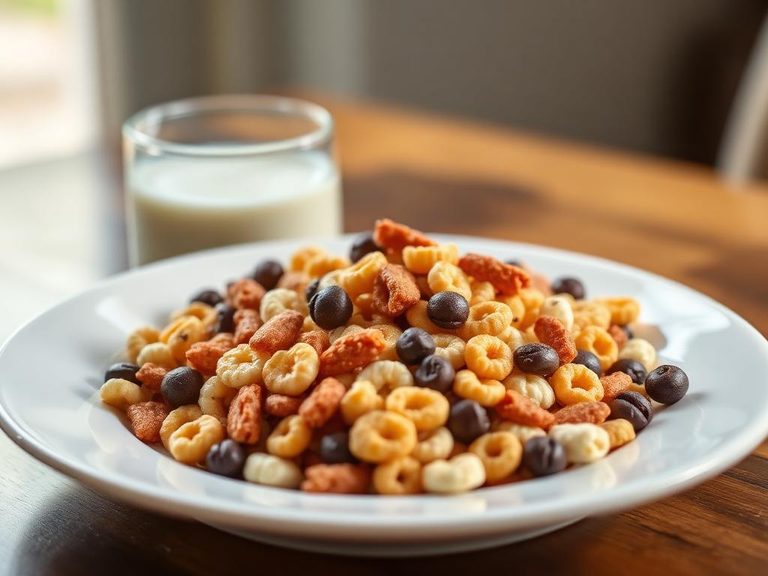
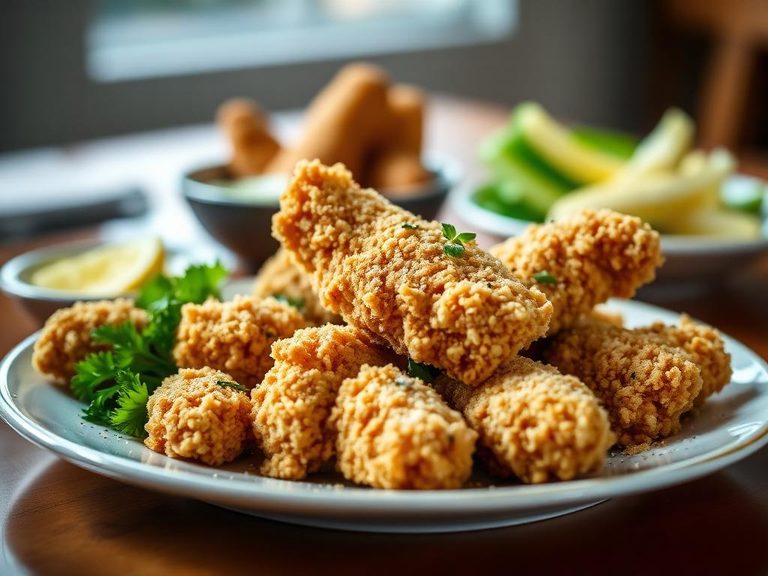
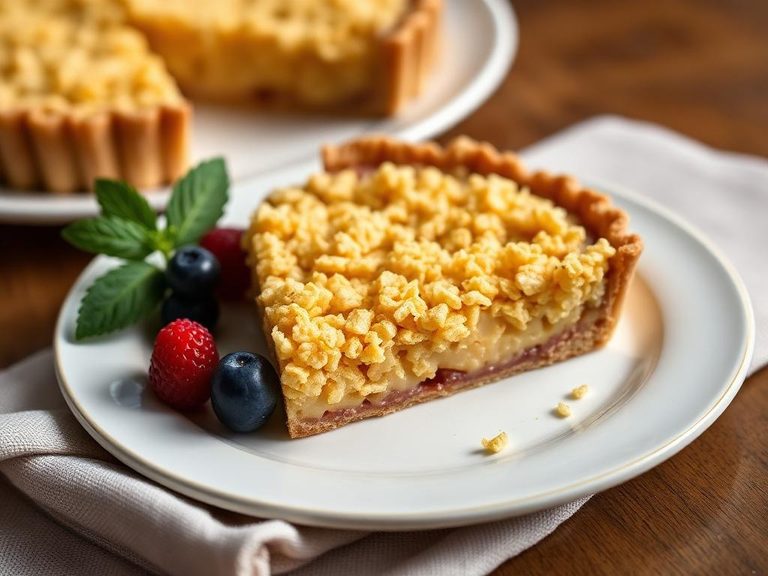
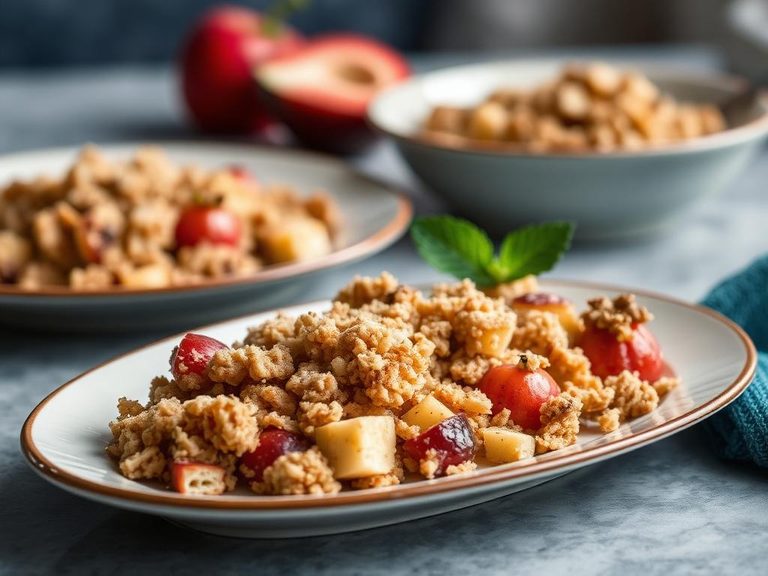
🌍 Where it's eaten
💡 Did you know?
Corn flakes were invented in the late 1890s by John Harvey Kellogg and his brother Will Keith Kellogg at the Battle Creek Sanitarium in Michigan, originally as a bland, healthy food for patients.
Full nutrition (USDA data · scales with serving)
| Water | 3.3 g |
| Energy | 384 kcal |
| Energy | 1607 kj |
| Protein | 5.9 g |
| Total lipid (fat) | 0.91 g |
| Ash | 1.9 g |
| Carbohydrate, by difference | 88.0 g |
| Fiber, total dietary | 2.7 g |
| Total Sugars | 7.8 g |
| Sucrose | 4.6 g |
| Glucose | 1.5 g |
| Fructose | 1.3 g |
| Lactose | 0.00 g |
| Maltose | 0.40 g |
| Galactose | 0.00 g |
| Starch | 60.4 g |
| Calcium, Ca | 2.0 mg |
| Iron, Fe | 19.4 mg |
| Magnesium, Mg | 7.0 mg |
| Phosphorus, P | 33.0 mg |
| Potassium, K | 107 mg |
| Sodium, Na | 571 mg |
| Zinc, Zn | 0.20 mg |
| Copper, Cu | 0.07 mg |
| Manganese, Mn | 0.10 mg |
| Selenium, Se | 2.2 ug |
| Vitamin C, total ascorbic acid | 65.0 mg |
| Thiamin | 4.5 mg |
| Riboflavin | 1.7 mg |
| Niacin | 21.0 mg |
| Pantothenic acid | 0.10 mg |
| Vitamin B-6 | 1.9 mg |
| Folate, total | 714 ug |
| Choline, total | 2.2 mg |
| Betaine | 1.2 mg |
| Vitamin B-12 | 5.4 ug |
| Vitamin A, RAE | 981 ug |
| Retinol | 962 ug |
| Carotene, beta | 144 ug |
| Carotene, alpha | 38.0 ug |
| Cryptoxanthin, beta | 111 ug |
| Vitamin A, IU | 3571 iu |
| Lycopene | 0.00 ug |
| Vitamin E (alpha-tocopherol) | 0.02 mg |
| Tocopherol, beta | 0.01 mg |
| Tocopherol, gamma | 0.06 mg |
| Tocopherol, delta | 0.00 mg |
| Tocotrienol, alpha | 0.19 mg |
| Tocotrienol, beta | 0.00 mg |
| Tocotrienol, gamma | 0.26 mg |
| Tocotrienol, delta | 0.00 mg |
| Vitamin D (D2 + D3), International Units | 286 iu |
| Vitamin D (D2 + D3) | 7.1 ug |
| Vitamin D3 (cholecalciferol) | 7.1 ug |
| Vitamin K (phylloquinone) | 0.00 ug |
| Vitamin K (Dihydrophylloquinone) | 0.00 ug |
| Vitamin K (Menaquinone-4) | 0.00 ug |
Fat & fatty acid profile (per 100g)
| Fatty acids, total saturated | 0.23 g |
| SFA 8:0 | 0.00 g |
| SFA 10:0 | 0.00 g |
| SFA 12:0 | 0.00 g |
| SFA 14:0 | 0.00 g |
| SFA 15:0 | 0.00 g |
| SFA 16:0 | 0.18 g |
| SFA 17:0 | 0.00 g |
| SFA 18:0 | 0.05 g |
| SFA 20:0 | 0.00 g |
| SFA 22:0 | 0.00 g |
| SFA 24:0 | 0.00 g |
| Fatty acids, total monounsaturated | 0.11 g |
| MUFA 14:1 | 0.00 g |
| MUFA 15:1 | 0.00 g |
| MUFA 16:1 | 0.00 g |
| MUFA 17:1 | 0.00 g |
| MUFA 18:1 | 0.11 g |
| MUFA 20:1 | 0.00 g |
| MUFA 22:1 | 0.00 g |
| MUFA 24:1 c | 0.00 g |
| Fatty acids, total polyunsaturated | 0.29 g |
| PUFA 18:2 | 0.28 g |
| PUFA 18:3 | 0.02 g |
| PUFA 18:4 | 0.00 g |
| PUFA 20:2 n-6 c,c | 0.00 g |
| PUFA 20:3 | 0.00 g |
| PUFA 20:4 | 0.00 g |
| PUFA 20:5 n-3 (EPA) | 0.00 g |
| PUFA 21:5 | 0.00 g |
| PUFA 22:4 | 0.00 g |
| PUFA 22:5 n-3 (DPA) | 0.00 g |
| PUFA 22:6 n-3 (DHA) | 0.00 g |
| Fatty acids, total trans | 0.00 g |
| Cholesterol | 0.00 mg |
Amino acid profile (per 100g)
| Tryptophan | 0.04 g |
| Threonine | 0.23 g |
| Isoleucine | 0.25 g |
| Leucine | 1.0 g |
| Lysine | 0.04 g |
| Methionine | 0.11 g |
| Cystine | 0.11 g |
| Phenylalanine | 0.39 g |
| Tyrosine | 0.17 g |
| Valine | 0.30 g |
| Arginine | 0.13 g |
| Histidine | 0.17 g |
| Alanine | 0.58 g |
| Aspartic acid | 0.64 g |
| Glutamic acid | 1.5 g |
| Glycine | 0.20 g |
| Proline | 0.94 g |
| Serine | 0.32 g |
FAQ
Are corn flakes gluten-free?
While corn itself is gluten-free, corn flakes are often processed in facilities that handle wheat and may contain malt flavoring derived from barley, which contains gluten. Always check the packaging for a certified gluten-free label if you have celiac disease or gluten sensitivity.
Why are corn flakes often yellow or orange?
The color is typically due to the addition of food-grade colorings like annatto or beta-carotene, and sometimes from the fortification with vitamins like B vitamins (e.g., folic acid) which can have a yellow hue.
Can I use corn flakes for baking or cooking?
Yes, they are famously used as a crunchy coating for baked or fried chicken, as a base for dessert tarts, or crushed as a topping for casseroles and fruit crisps to add texture.
Nutrient density (calculated · NRF9.3)
Nutrient Rich Foods index: beneficial nutrients (protein, fiber, vitamins, minerals) minus saturated fat, added sugar & sodium, per 100 kcal.
NRF9.3 index — Fulgoni, Keast & Drewnowski, 2009. Computed from USDA nutrients.
Weight-loss friendliness (composite index)
Energy density 3.84 kcal/g · 6% calories from protein · 2.7 g fiber · 7.8 g sugar per 100 g.
Composite of energy density (Rolls et al., 1999), protein & fiber satiety, minus sugar. A calculated heuristic — ranks satiety-per-calorie, not a clinical measure.
Dietary load (calculated from USDA values)
Potential renal acid load. Positive = acid-forming, negative = alkaline-forming.
Sodium-to-potassium ratio: 5.34 (lower is better — aim for ≤ 1)
Sodium:potassium per WHO potassium guidance. Computed from USDA nutrients.