

Cabbage, common, cooked, boiled, drained, with salt
Whole food · Vegetables and Vegetable Products

Photo: Wikipedia
Boiled common cabbage is a humble, comforting staple, transformed by heat into tender, translucent leaves with a mild, slightly sweet, and subtly earthy flavor. Its soft, yielding texture makes it a perfect canvas for other ingredients, while its remarkably low calorie count—just 23 kcal per 100g—makes it a powerhouse for volume eating and fiber intake.
Calorie split: 18% protein · 80% carbs · 2% fat
↓ Full nutrition💚 Why it's loved
People love boiled cabbage for its comforting, mild sweetness that intensifies with cooking, and its incredible versatility—it readily absorbs the flavors of broths, spices, and fats it's cooked with. It's a foundational, nostalgic ingredient in countless hearty, home-style dishes across the globe.
⚠️ Watch-outs & how to enjoy it better
The primary downside is its potential to cause digestive gas or bloating in some individuals due to its fiber and raffinose content. To counteract this, introduce it gradually into your diet, ensure it's well-cooked to break down tough fibers, and consider pairing it with digestive herbs like caraway or ginger. Those monitoring sodium should be aware that canned or pre-seasoned versions can be high in salt; opt for cooking it yourself with minimal added salt.
Key benefits
- Excellent source of dietary fiber (1.9g per 100g) for digestive health.
- Very low in calories, supporting weight management goals.
- Provides a good amount of vitamin C, an antioxidant that supports immune function.
- Contains glucosinolates, compounds studied for their potential health benefits.
- Naturally low in fat and a source of plant-based protein.
🍽️ Popular dishes
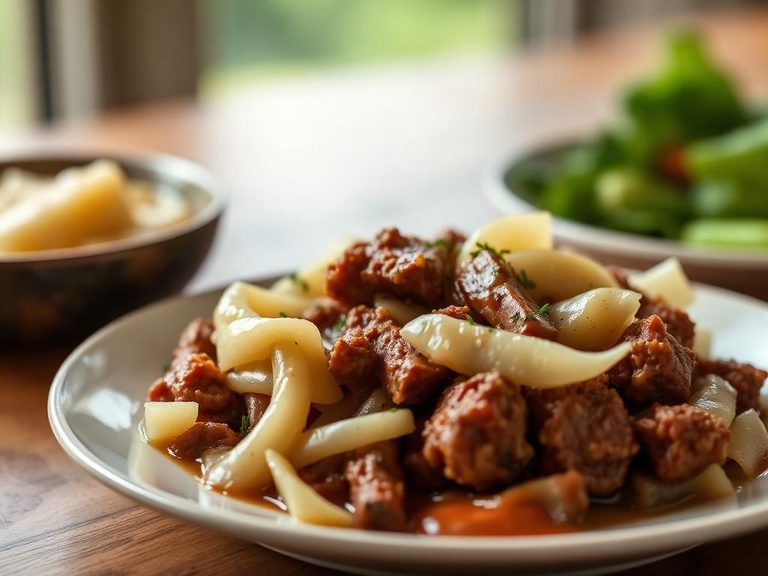
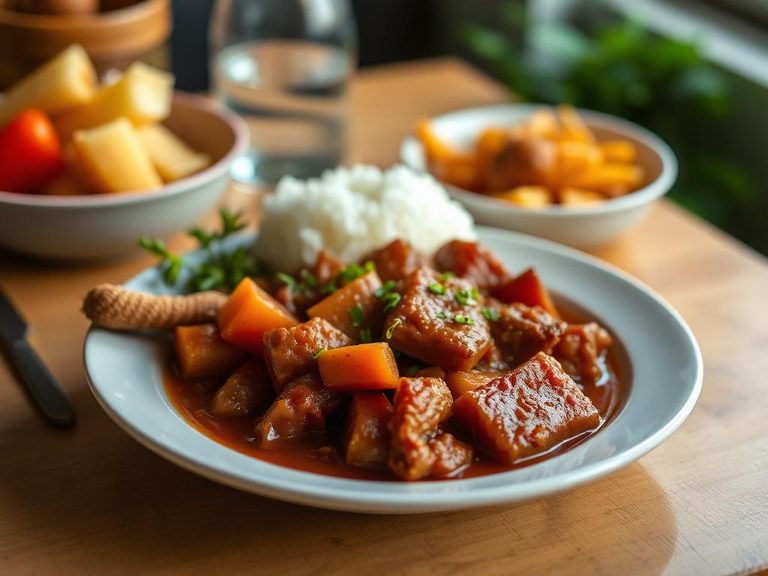
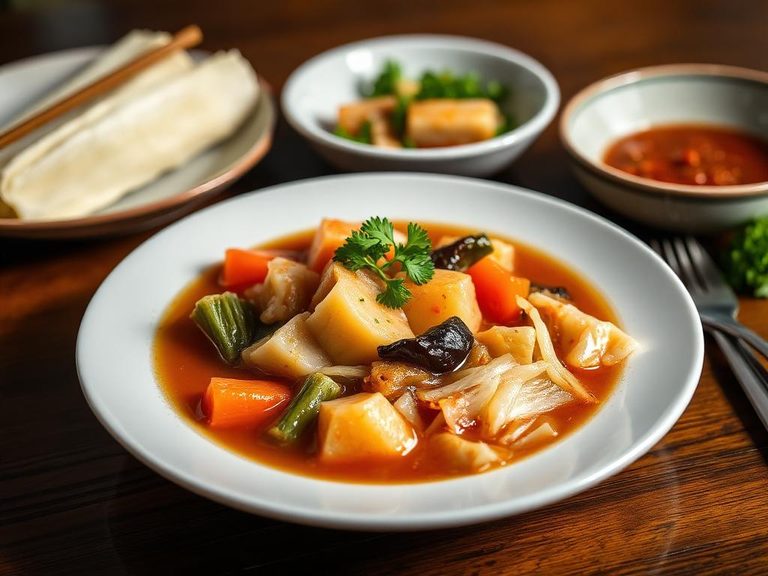
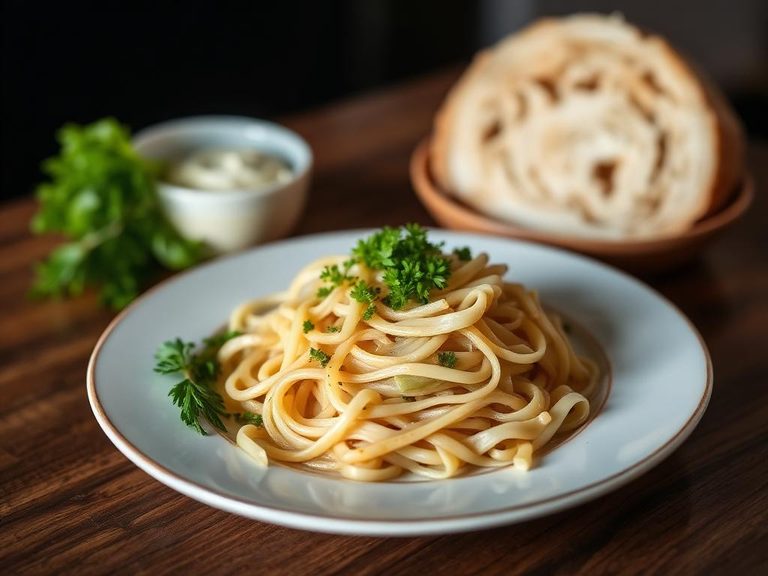
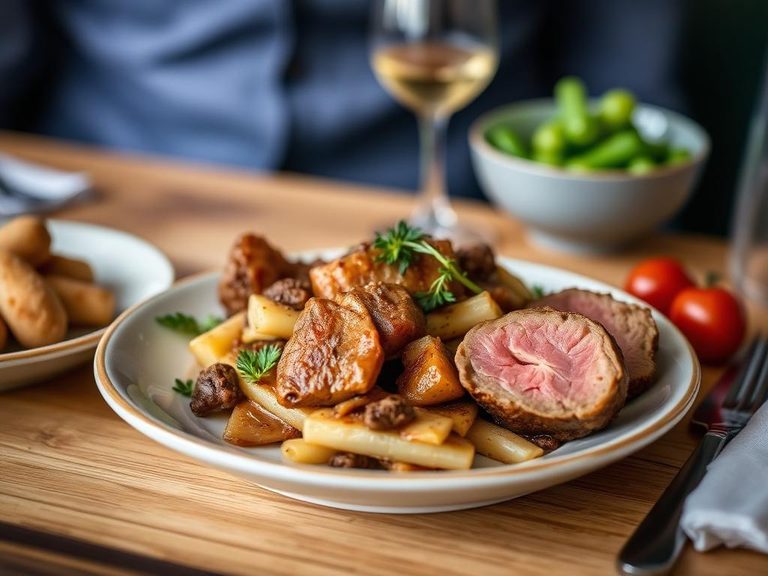
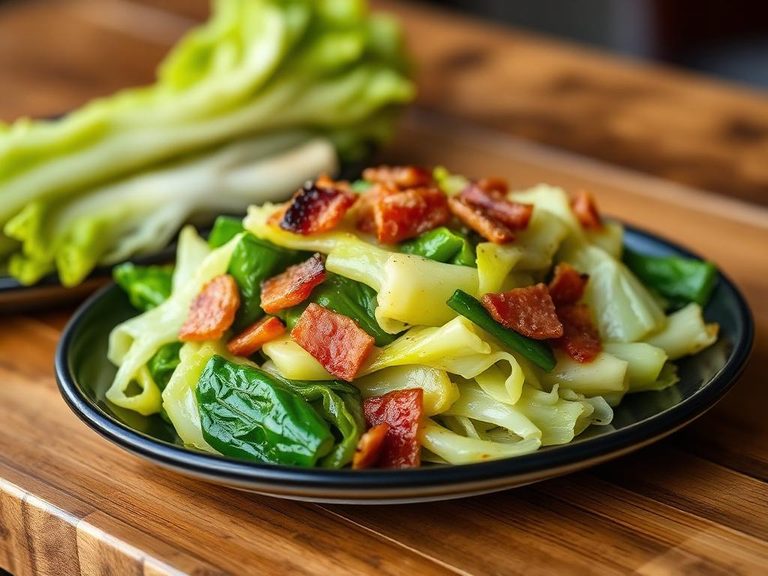
🌍 Where it's eaten
💡 Did you know?
The word 'cabbage' comes from the French 'caboche,' meaning 'head,' a reference to its dense, rounded shape.
Full nutrition (USDA data · scales with serving)
| Water | 92.6 g |
| Energy | 23.0 kcal |
| Energy | 97.0 kj |
| Protein | 1.3 g |
| Total lipid (fat) | 0.06 g |
| Ash | 0.59 g |
| Carbohydrate, by difference | 5.5 g |
| Fiber, total dietary | 1.9 g |
| Total Sugars | 2.8 g |
| Sucrose | 0.00 g |
| Glucose | 1.6 g |
| Fructose | 1.2 g |
| Lactose | 0.00 g |
| Maltose | 0.00 g |
| Galactose | 0.00 g |
| Starch | 0.00 g |
| Calcium, Ca | 48.0 mg |
| Iron, Fe | 0.17 mg |
| Magnesium, Mg | 15.0 mg |
| Phosphorus, P | 33.0 mg |
| Potassium, K | 196 mg |
| Sodium, Na | 255 mg |
| Zinc, Zn | 0.20 mg |
| Copper, Cu | 0.02 mg |
| Manganese, Mn | 0.20 mg |
| Selenium, Se | 0.60 ug |
| Fluoride, F | 1.0 ug |
| Vitamin C, total ascorbic acid | 37.5 mg |
| Thiamin | 0.06 mg |
| Riboflavin | 0.04 mg |
| Niacin | 0.25 mg |
| Pantothenic acid | 0.17 mg |
| Vitamin B-6 | 0.11 mg |
| Folate, total | 30.0 ug |
| Folic acid | 0.00 ug |
| Folate, food | 30.0 ug |
| Folate, DFE | 30.0 ug |
| Choline, total | 20.3 mg |
| Betaine | 0.30 mg |
| Vitamin B-12 | 0.00 ug |
| Vitamin B-12, added | 0.00 ug |
| Vitamin A, RAE | 4.0 ug |
| Retinol | 0.00 ug |
| Carotene, beta | 48.0 ug |
| Carotene, alpha | 0.00 ug |
| Cryptoxanthin, beta | 0.00 ug |
| Vitamin A, IU | 80.0 iu |
| Lycopene | 0.00 ug |
| Lutein + zeaxanthin | 27.0 ug |
| Vitamin E (alpha-tocopherol) | 0.14 mg |
| Vitamin E, added | 0.00 mg |
| Vitamin D (D2 + D3), International Units | 0.00 iu |
| Vitamin D (D2 + D3) | 0.00 ug |
| Vitamin K (phylloquinone) | 109 ug |
| Vitamin K (Dihydrophylloquinone) | 0.00 ug |
Fat & fatty acid profile (per 100g)
| Fatty acids, total saturated | 0.00 g |
| SFA 4:0 | 0.00 g |
| SFA 8:0 | 0.00 g |
| SFA 10:0 | 0.00 g |
| SFA 12:0 | 0.00 g |
| SFA 14:0 | 0.00 g |
| SFA 15:0 | 0.00 g |
| SFA 16:0 | 0.00 g |
| SFA 17:0 | 0.00 g |
| SFA 18:0 | 0.00 g |
| SFA 20:0 | 0.00 g |
| SFA 22:0 | 0.00 g |
| SFA 24:0 | 0.00 g |
| Fatty acids, total monounsaturated | 0.02 g |
| MUFA 14:1 | 0.00 g |
| MUFA 15:1 | 0.00 g |
| MUFA 16:1 | 0.01 g |
| MUFA 17:1 | 0.00 g |
| MUFA 18:1 | 0.01 g |
| MUFA 20:1 | 0.00 g |
| MUFA 22:1 | 0.00 g |
| Fatty acids, total polyunsaturated | 0.02 g |
| PUFA 18:2 | 0.01 g |
| PUFA 18:3 | 0.01 g |
| PUFA 18:4 | 0.00 g |
| PUFA 20:2 n-6 c,c | 0.00 g |
| PUFA 20:3 | 0.00 g |
| PUFA 20:4 | 0.00 g |
| PUFA 20:5 n-3 (EPA) | 0.00 g |
| PUFA 22:5 n-3 (DPA) | 0.00 g |
| PUFA 22:6 n-3 (DHA) | 0.00 g |
| Fatty acids, total trans | 0.00 g |
| Cholesterol | 0.00 mg |
| Phytosterols | 10.0 mg |
Amino acid profile (per 100g)
| Tryptophan | 0.01 g |
| Threonine | 0.04 g |
| Isoleucine | 0.03 g |
| Leucine | 0.04 g |
| Lysine | 0.04 g |
| Methionine | 0.01 g |
| Cystine | 0.01 g |
| Phenylalanine | 0.03 g |
| Tyrosine | 0.02 g |
| Valine | 0.04 g |
| Arginine | 0.07 g |
| Histidine | 0.02 g |
| Alanine | 0.04 g |
| Aspartic acid | 0.12 g |
| Glutamic acid | 0.29 g |
| Glycine | 0.03 g |
| Proline | 0.05 g |
| Serine | 0.05 g |
FAQ
Does boiling cabbage make it lose its nutrients?
Some water-soluble vitamins, like vitamin C and B vitamins, can leach into the cooking water. To retain more nutrients, use minimal water, cook for the shortest time possible until tender, and consider using the cooking water in a soup or sauce.
How can I prevent boiled cabbage from smelling strong while cooking?
The sulfurous compounds that cause the smell are released with steam. Cooking cabbage in a covered pot with a small amount of water, or adding a bay leaf or a splash of vinegar to the water, can help mitigate the odor. Good ventilation in the kitchen also helps.
Is boiled cabbage good for a low-carb diet?
Yes, it's a very suitable choice. With only 5.51g of carbohydrates per 100g (and 1.9g of that being fiber), it has a low net carb count, making it a popular, filling vegetable for low-carb and ketogenic dietary patterns.
Nutrient density (calculated · NRF9.3)
Nutrient Rich Foods index: beneficial nutrients (protein, fiber, vitamins, minerals) minus saturated fat, added sugar & sodium, per 100 kcal.
NRF9.3 index — Fulgoni, Keast & Drewnowski, 2009. Computed from USDA nutrients.
Weight-loss friendliness (composite index)
Energy density 0.23 kcal/g · 22% calories from protein · 1.9 g fiber · 2.8 g sugar per 100 g.
Composite of energy density (Rolls et al., 1999), protein & fiber satiety, minus sugar. A calculated heuristic — ranks satiety-per-calorie, not a clinical measure.
Dietary load (calculated from USDA values)
Potential renal acid load. Positive = acid-forming, negative = alkaline-forming.
Sodium-to-potassium ratio: 1.30 (lower is better — aim for ≤ 1)
Sodium:potassium per WHO potassium guidance. Computed from USDA nutrients.