

Beef, New Zealand, imported, rump centre, separable lean only, raw
Whole food · Beef Products

Photo: Wikipedia
This is a lean, premium cut from the hindquarter of grass-fed New Zealand cattle, prized for its deep, beefy flavor and a firm, fine-grained texture that holds up beautifully to high-heat cooking. With virtually no intramuscular fat, it offers a clean, robust taste and is exceptionally high in protein while being very low in calories and fat. It's a staple for health-conscious cooks seeking a pure, unadulterated beef experience.
Calorie split: 61% protein · 0% carbs · 39% fat
↓ Full nutrition💚 Why it's loved
People love it for its intense, authentic beef flavor that isn't masked by fat, making it a favorite for grilling, stir-fries, and quick sears where the meat's quality shines. Its versatility in both simple weeknight meals and elegant dishes, combined with its strong nutritional profile, makes it a go-to for many.
⚠️ Watch-outs & how to enjoy it better
Because it's so lean, it can become tough and dry if overcooked, requiring careful temperature control. Those on very low-fat diets should still account for its 6g of fat per serving, and it's a common red meat, which some may limit for dietary or ethical reasons. Counteract dryness by not cooking past medium-rare, using marinades with acid (like citrus or vinegar) to tenderize, and slicing thinly against the grain after resting.
Key benefits
- Excellent source of complete, high-quality protein
- Very low in fat and calories, ideal for lean diets
- Rich in essential minerals like iron, zinc, and selenium
- Grass-fed origin often means higher omega-3 fatty acids
- Minimal processing, just separable lean muscle
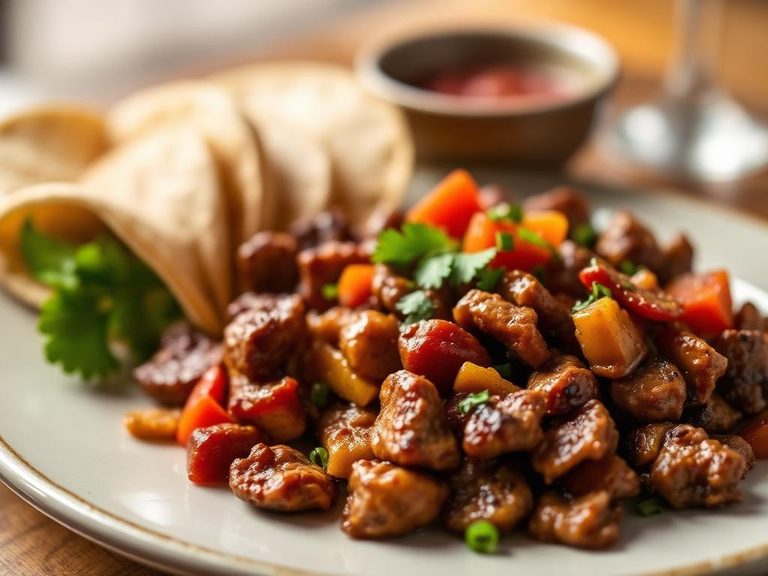
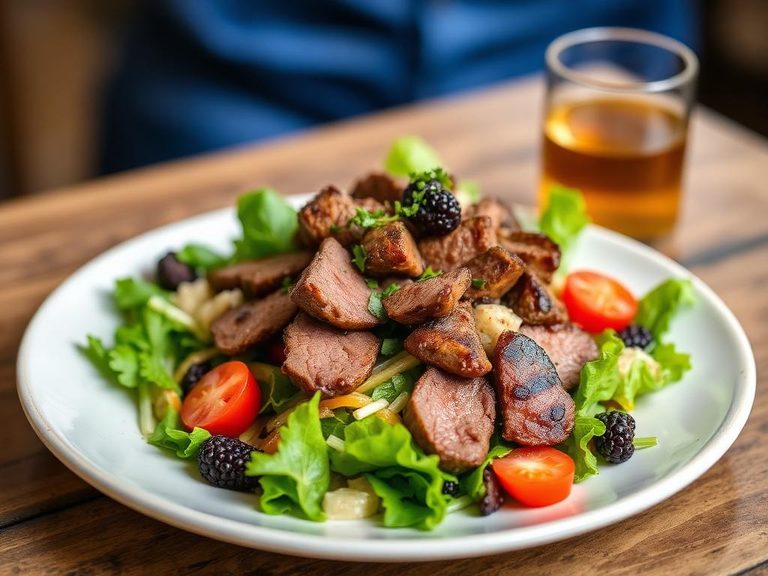
🍽️ Popular dishes
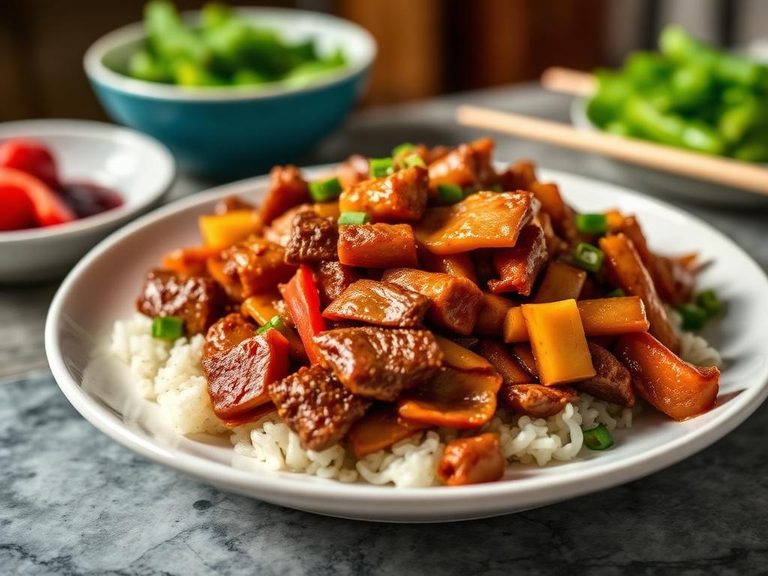
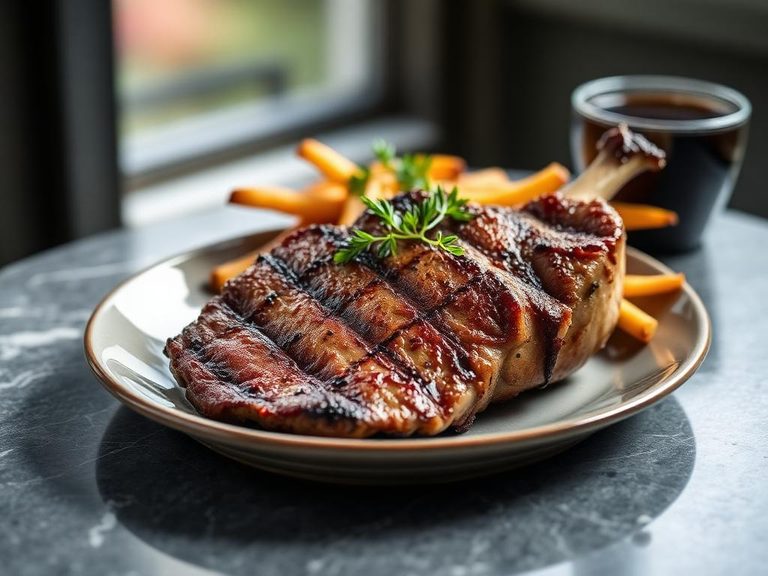
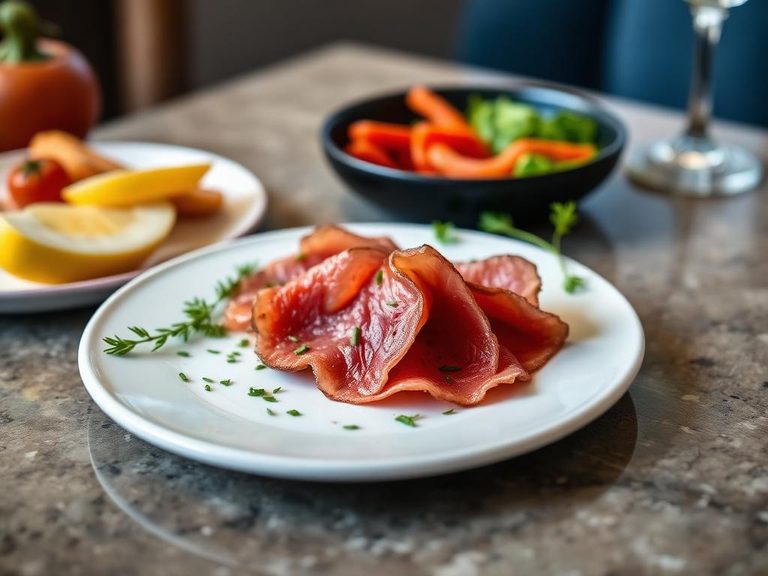
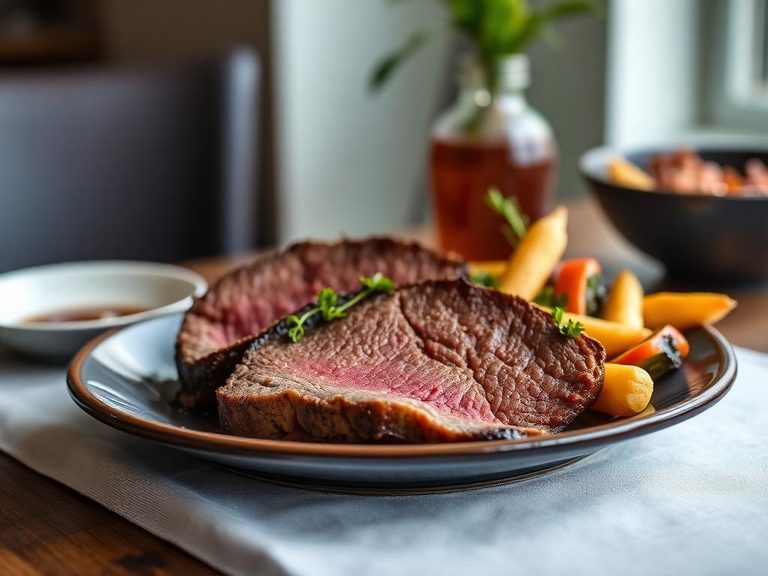
🌍 Where it's eaten
💡 Did you know?
The 'rump' comes from the hindquarter, a well-exercised muscle group, which is why it develops such a pronounced beefy flavor compared to less active cuts like tenderloin.
Full nutrition (USDA data · scales with serving)
| Water | 72.2 g |
| Energy | 141 kcal |
| Energy | 592 kj |
| Protein | 21.7 g |
| Total lipid (fat) | 6.0 g |
| Ash | 0.97 g |
| Carbohydrate, by difference | 0.00 g |
| Fiber, total dietary | 0.00 g |
| Total Sugars | 0.00 g |
| Calcium, Ca | 4.0 mg |
| Iron, Fe | 2.3 mg |
| Magnesium, Mg | 22.0 mg |
| Phosphorus, P | 191 mg |
| Potassium, K | 343 mg |
| Sodium, Na | 49.0 mg |
| Zinc, Zn | 3.5 mg |
| Copper, Cu | 0.11 mg |
| Manganese, Mn | 0.01 mg |
| Selenium, Se | 1.5 ug |
| Vitamin C, total ascorbic acid | 0.00 mg |
| Thiamin | 0.07 mg |
| Riboflavin | 0.12 mg |
| Niacin | 2.7 mg |
| Pantothenic acid | 0.58 mg |
| Vitamin B-6 | 0.28 mg |
| Vitamin B-12 | 2.1 ug |
| Vitamin B-12, added | 0.00 ug |
| Vitamin A, RAE | 7.0 ug |
| Retinol | 7.0 ug |
| Carotene, beta | 0.00 ug |
| Carotene, alpha | 0.00 ug |
| Cryptoxanthin, beta | 0.00 ug |
| Vitamin A, IU | 24.0 iu |
| Lycopene | 0.00 ug |
| Lutein + zeaxanthin | 0.00 ug |
| Vitamin E (alpha-tocopherol) | 0.32 mg |
| Vitamin D (D2 + D3), International Units | 3.0 iu |
| Vitamin D (D2 + D3) | 0.10 ug |
| Vitamin D3 (cholecalciferol) | 0.10 ug |
| Alcohol, ethyl | 0.00 g |
| Caffeine | 0.00 mg |
| Theobromine | 0.00 mg |
Fat & fatty acid profile (per 100g)
| Fatty acids, total saturated | 2.0 g |
| SFA 4:0 | 0.00 g |
| SFA 6:0 | 0.00 g |
| SFA 8:0 | 0.00 g |
| SFA 10:0 | 0.00 g |
| SFA 12:0 | 0.00 g |
| SFA 14:0 | 0.09 g |
| SFA 16:0 | 1.1 g |
| SFA 17:0 | 0.08 g |
| SFA 18:0 | 0.74 g |
| SFA 20:0 | 0.01 g |
| SFA 22:0 | 0.00 g |
| SFA 24:0 | 0.00 g |
| Fatty acids, total monounsaturated | 2.0 g |
| MUFA 14:1 | 0.02 g |
| MUFA 15:1 | 0.00 g |
| MUFA 16:1 | 0.14 g |
| MUFA 16:1 c | 0.12 g |
| MUFA 17:1 | 0.00 g |
| MUFA 18:1 | 1.9 g |
| MUFA 18:1 c | 1.8 g |
| MUFA 20:1 | 0.01 g |
| MUFA 22:1 | 0.00 g |
| MUFA 22:1 c | 0.00 g |
| MUFA 24:1 c | 0.00 g |
| Fatty acids, total polyunsaturated | 0.29 g |
| PUFA 18:2 | 0.14 g |
| PUFA 18:2 n-6 c,c | 0.11 g |
| PUFA 18:2 CLAs | 0.03 g |
| PUFA 18:3 | 0.07 g |
| PUFA 18:3 n-3 c,c,c (ALA) | 0.06 g |
| PUFA 18:3 n-6 c,c,c | 0.00 g |
| PUFA 18:4 | 0.00 g |
| PUFA 20:2 n-6 c,c | 0.00 g |
| PUFA 20:3 | 0.01 g |
| PUFA 20:3 n-3 | 0.00 g |
| PUFA 20:3 n-6 | 0.01 g |
| PUFA 20:4 | 0.03 g |
| PUFA 20:4 n-6 | 0.03 g |
| PUFA 20:5 n-3 (EPA) | 0.02 g |
| PUFA 22:5 n-3 (DPA) | 0.02 g |
| PUFA 22:6 n-3 (DHA) | 0.00 g |
| Fatty acids, total trans | 0.13 g |
| Fatty acids, total trans-monoenoic | 0.13 g |
| TFA 16:1 t | 0.02 g |
| TFA 18:1 t | 0.11 g |
| TFA 18:2 t,t | 0.00 g |
| Fatty acids, total trans-polyenoic | 0.00 g |
| Cholesterol | 55.0 mg |
Amino acid profile (per 100g)
| Tryptophan | 0.23 g |
| Threonine | 0.79 g |
| Isoleucine | 0.90 g |
| Leucine | 1.6 g |
| Lysine | 1.7 g |
| Methionine | 0.71 g |
| Phenylalanine | 0.84 g |
| Tyrosine | 0.73 g |
| Valine | 0.96 g |
| Arginine | 1.4 g |
| Histidine | 0.78 g |
| Alanine | 1.1 g |
| Glutamic acid | 3.0 g |
| Glycine | 1.2 g |
| Proline | 0.70 g |
| Serine | 0.76 g |
FAQ
How is New Zealand beef different?
New Zealand cattle are predominantly grass-fed and pasture-raised year-round, which contributes to a leaner composition, a deeper flavor, and a slightly different fatty acid profile compared to grain-finished beef.
What's the best way to cook it without drying it out?
Use high-heat, quick-cooking methods like grilling, broiling, or pan-searing. Marinate for 30 minutes beforehand, cook to medium-rare (130-135°F internal temp), and let it rest for 5-10 minutes before slicing against the grain.
Can I use this for slow cooking or stews?
It's not ideal. Its leanness means it lacks the connective tissue that breaks down and creates tenderness in slow-cooked dishes. For stews, a fattier, more marbled cut like chuck is better.
Nutrient density (calculated · NRF9.3)
Nutrient Rich Foods index: beneficial nutrients (protein, fiber, vitamins, minerals) minus saturated fat, added sugar & sodium, per 100 kcal.
NRF9.3 index — Fulgoni, Keast & Drewnowski, 2009. Computed from USDA nutrients.
Weight-loss friendliness (composite index)
Energy density 1.41 kcal/g · 62% calories from protein · 0.0 g fiber · 0.0 g sugar per 100 g.
Composite of energy density (Rolls et al., 1999), protein & fiber satiety, minus sugar. A calculated heuristic — ranks satiety-per-calorie, not a clinical measure.
Dietary load (calculated from USDA values)
Potential renal acid load. Positive = acid-forming, negative = alkaline-forming.
Sodium-to-potassium ratio: 0.14 (lower is better — aim for ≤ 1)
Sodium:potassium per WHO potassium guidance. Computed from USDA nutrients.