

Beef, New Zealand, imported, eye round, separable lean only, raw
Whole food · Beef Products

Photo: Wikipedia
This is a lean, muscular cut from the hind leg of grass-fed New Zealand cattle, prized for its deep red color and firm, fine-grained texture. When raw, it has a clean, subtly sweet beef flavor with a dense, almost velvety mouthfeel. Nutritionally, it's a powerhouse of high-quality protein with minimal fat, making it an exceptionally lean choice.
Calorie split: 69% protein · 5% carbs · 26% fat
↓ Full nutrition💚 Why it's loved
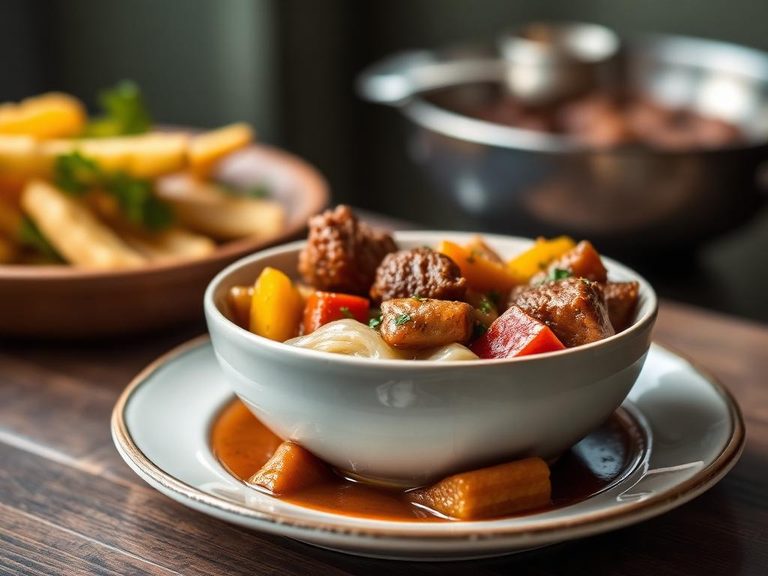
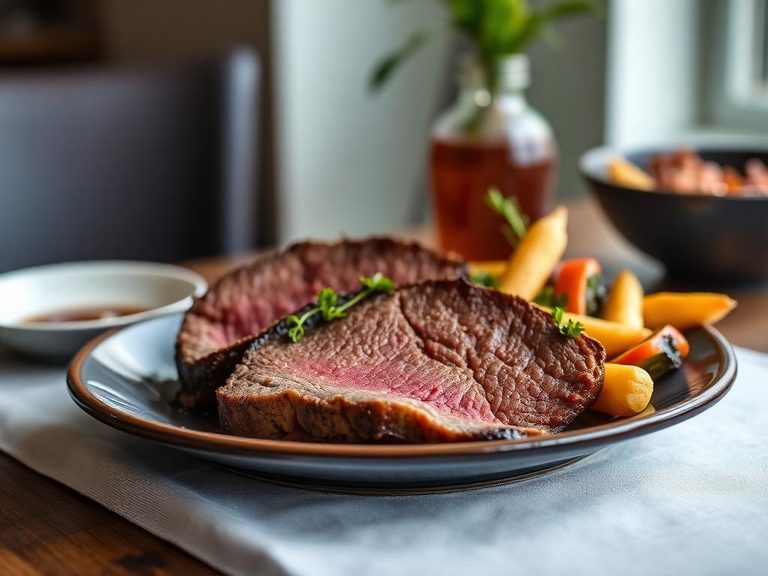
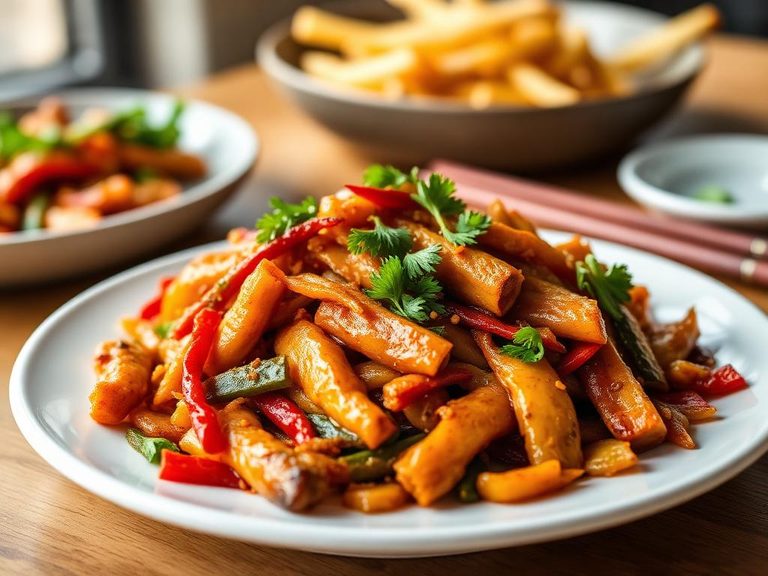
Home cooks and chefs love it for its remarkable versatility—it can be sliced thin for quick stir-fries, cubed for stews, or roasted whole for a lean, elegant main course. Its mild flavor acts as a perfect canvas for bold marinades and sauces, and it holds its shape beautifully during cooking.
⚠️ Watch-outs & how to enjoy it better
Its extreme leanness means it can easily become tough and dry if overcooked, which is a common pitfall. To counteract this, use moist-heat methods like braising or stewing, or cook it quickly to rare/medium-rare and slice thinly against the grain. Marinating in an acidic or enzymatic tenderizer (like yogurt or pineapple juice) before cooking also helps break down muscle fibers.
Key benefits
- Excellent source of complete, high-quality protein (20g per 100g)
- Very low in fat, especially saturated fat (3.35g total fat per 100g)
- Rich in essential nutrients like iron, zinc, and B12
- Naturally low in carbohydrates and sugars
- Suitable for low-carb, high-protein, and lean-muscle diets
🍽️ Popular dishes
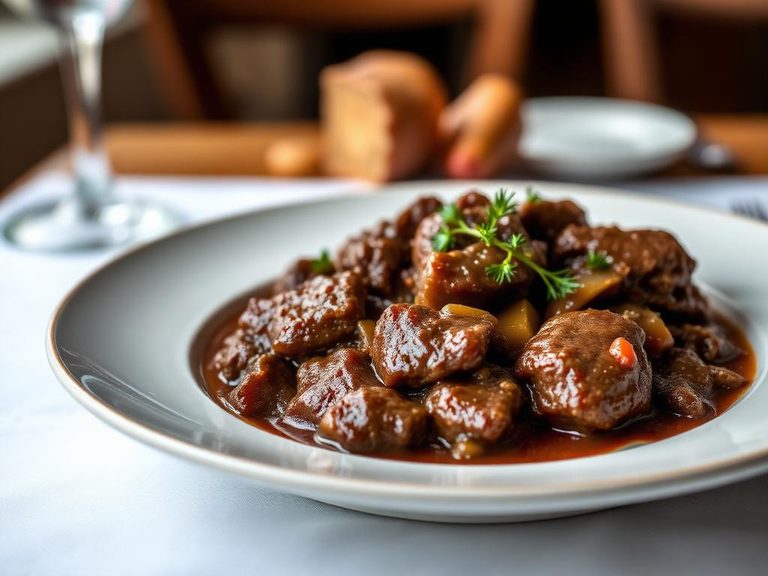
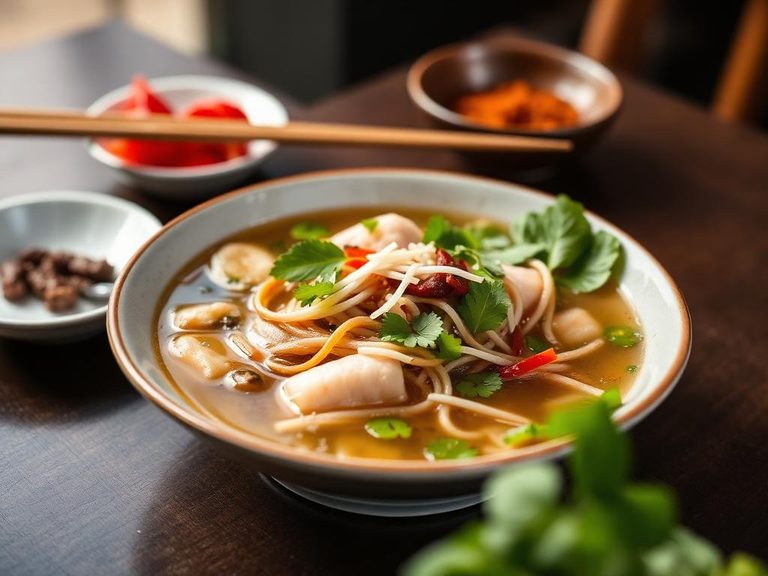
🌍 Where it's eaten
💡 Did you know?
The 'eye round' gets its name from the large, oval-shaped muscle in the center of the leg primal, which, when sliced crosswise, reveals a distinctive 'eye' pattern in the meat.
Full nutrition (USDA data · scales with serving)
| Water | 74.1 g |
| Energy | 116 kcal |
| Energy | 486 kj |
| Protein | 20.1 g |
| Total lipid (fat) | 3.4 g |
| Ash | 1.0 g |
| Carbohydrate, by difference | 1.4 g |
| Fiber, total dietary | 0.00 g |
| Total Sugars | 0.00 g |
| Calcium, Ca | 3.0 mg |
| Iron, Fe | 1.4 mg |
| Magnesium, Mg | 22.0 mg |
| Phosphorus, P | 192 mg |
| Potassium, K | 352 mg |
| Sodium, Na | 40.0 mg |
| Zinc, Zn | 2.8 mg |
| Copper, Cu | 0.05 mg |
| Manganese, Mn | 0.00 mg |
| Selenium, Se | 1.1 ug |
| Vitamin C, total ascorbic acid | 0.00 mg |
| Thiamin | 0.04 mg |
| Riboflavin | 0.07 mg |
| Niacin | 3.5 mg |
| Pantothenic acid | 0.27 mg |
| Vitamin B-6 | 0.33 mg |
| Vitamin B-12 | 1.1 ug |
| Vitamin B-12, added | 0.00 ug |
| Vitamin A, RAE | 7.0 ug |
| Retinol | 7.0 ug |
| Carotene, beta | 0.00 ug |
| Carotene, alpha | 0.00 ug |
| Cryptoxanthin, beta | 0.00 ug |
| Vitamin A, IU | 24.0 iu |
| Lycopene | 0.00 ug |
| Lutein + zeaxanthin | 0.00 ug |
| Vitamin E (alpha-tocopherol) | 0.46 mg |
| Vitamin E, added | 0.00 mg |
| Vitamin D (D2 + D3), International Units | 3.0 iu |
| Vitamin D (D2 + D3) | 0.10 ug |
| Vitamin D3 (cholecalciferol) | 0.10 ug |
| Alcohol, ethyl | 0.00 g |
| Caffeine | 0.00 mg |
| Theobromine | 0.00 mg |
Fat & fatty acid profile (per 100g)
| Fatty acids, total saturated | 0.88 g |
| SFA 4:0 | 0.00 g |
| SFA 6:0 | 0.00 g |
| SFA 8:0 | 0.00 g |
| SFA 10:0 | 0.00 g |
| SFA 12:0 | 0.00 g |
| SFA 14:0 | 0.04 g |
| SFA 16:0 | 0.54 g |
| SFA 17:0 | 0.03 g |
| SFA 18:0 | 0.26 g |
| SFA 20:0 | 0.00 g |
| SFA 22:0 | 0.00 g |
| SFA 24:0 | 0.00 g |
| Fatty acids, total monounsaturated | 1.0 g |
| MUFA 14:1 | 0.02 g |
| MUFA 15:1 | 0.00 g |
| MUFA 16:1 | 0.10 g |
| MUFA 16:1 c | 0.09 g |
| MUFA 17:1 | 0.00 g |
| MUFA 18:1 | 0.89 g |
| MUFA 18:1 c | 0.85 g |
| MUFA 20:1 | 0.00 g |
| MUFA 22:1 | 0.00 g |
| MUFA 22:1 c | 0.00 g |
| MUFA 24:1 c | 0.00 g |
| Fatty acids, total polyunsaturated | 0.20 g |
| PUFA 18:2 | 0.08 g |
| PUFA 18:2 n-6 c,c | 0.06 g |
| PUFA 18:2 CLAs | 0.02 g |
| PUFA 18:3 | 0.04 g |
| PUFA 18:3 n-3 c,c,c (ALA) | 0.03 g |
| PUFA 18:3 n-6 c,c,c | 0.00 g |
| PUFA 18:4 | 0.00 g |
| PUFA 20:2 n-6 c,c | 0.00 g |
| PUFA 20:3 | 0.01 g |
| PUFA 20:3 n-3 | 0.00 g |
| PUFA 20:3 n-6 | 0.01 g |
| PUFA 20:4 | 0.03 g |
| PUFA 20:4 n-6 | 0.03 g |
| PUFA 20:5 n-3 (EPA) | 0.02 g |
| PUFA 22:5 n-3 (DPA) | 0.02 g |
| PUFA 22:6 n-3 (DHA) | 0.00 g |
| Fatty acids, total trans | 0.04 g |
| Fatty acids, total trans-monoenoic | 0.04 g |
| TFA 16:1 t | 0.01 g |
| TFA 18:1 t | 0.03 g |
| TFA 18:2 t,t | 0.00 g |
| Fatty acids, total trans-polyenoic | 0.00 g |
| Cholesterol | 47.0 mg |
Amino acid profile (per 100g)
| Tryptophan | 0.21 g |
| Threonine | 0.73 g |
| Isoleucine | 0.84 g |
| Leucine | 1.5 g |
| Lysine | 1.6 g |
| Methionine | 0.66 g |
| Phenylalanine | 0.78 g |
| Tyrosine | 0.68 g |
| Valine | 0.89 g |
| Arginine | 1.3 g |
| Histidine | 0.73 g |
| Alanine | 1.0 g |
| Glutamic acid | 2.8 g |
| Glycine | 1.1 g |
| Proline | 0.65 g |
| Serine | 0.71 g |
FAQ
What's the best way to cook eye round to avoid it being tough?
The key is to not overcook it. For dry-heat methods like roasting, cook to a rare or medium-rare internal temperature (130-135°F / 54-57°C) and let it rest well before slicing thinly against the grain. For moist-heat methods like stewing or braising, cook it low and slow until fork-tender.
Is New Zealand beef different from other beef?
Yes, it's often noted for being primarily grass-fed and pasture-raised, which can contribute to a leaner profile, a slightly different flavor, and a yellowish tint to the fat from beta-carotene in the grass. It is also subject to strict quality and safety standards.
Can I use this cut for making beef jerky?
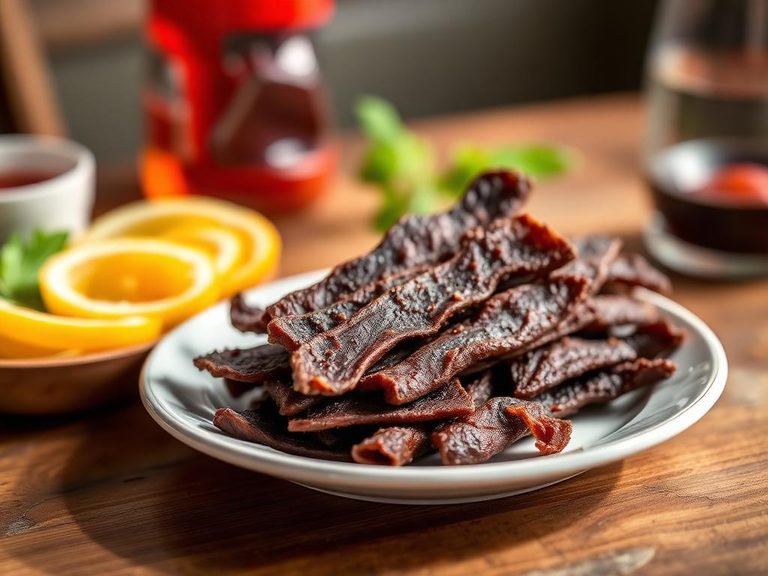
Absolutely. Its very low fat content makes it an ideal candidate for jerky, as fat can turn rancid and shorten shelf life. The lean, dense muscle slices well and dehydrates evenly, resulting in a firm, chewy texture.
Nutrient density (calculated · NRF9.3)
Nutrient Rich Foods index: beneficial nutrients (protein, fiber, vitamins, minerals) minus saturated fat, added sugar & sodium, per 100 kcal.
NRF9.3 index — Fulgoni, Keast & Drewnowski, 2009. Computed from USDA nutrients.
Weight-loss friendliness (composite index)
Energy density 1.16 kcal/g · 69% calories from protein · 0.0 g fiber · 0.0 g sugar per 100 g.
Composite of energy density (Rolls et al., 1999), protein & fiber satiety, minus sugar. A calculated heuristic — ranks satiety-per-calorie, not a clinical measure.
Dietary load (calculated from USDA values)
Potential renal acid load. Positive = acid-forming, negative = alkaline-forming.
Sodium-to-potassium ratio: 0.11 (lower is better — aim for ≤ 1)
Sodium:potassium per WHO potassium guidance. Computed from USDA nutrients.