Cheese, cream, fat free
Whole food · Dairy and Egg Products

Photo: Wikipedia
Fat-free cream cheese is a smooth, spreadable dairy product that delivers a tangy, mild flavor with a light, creamy texture. It stands out nutritionally for its high protein content and minimal fat, making it a lighter alternative to traditional cream cheese. Its versatility allows it to be used in both sweet and savory applications without the heaviness of full-fat versions.
💚 Why it's loved
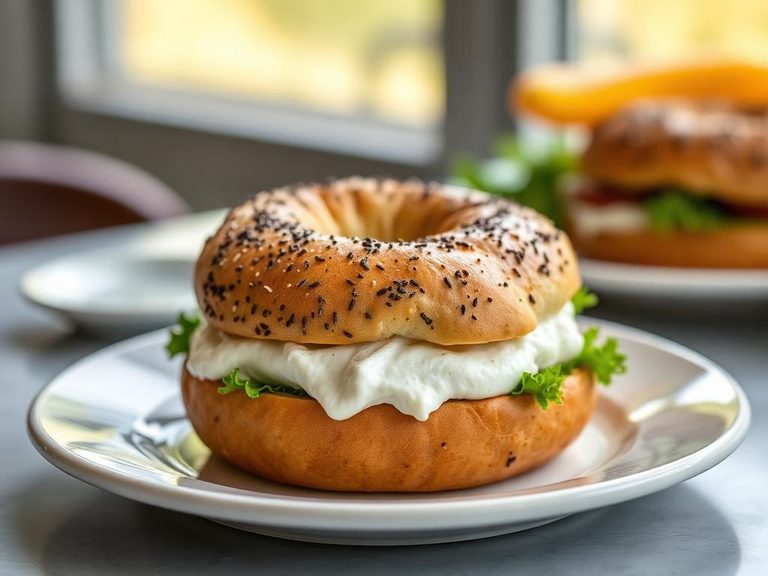
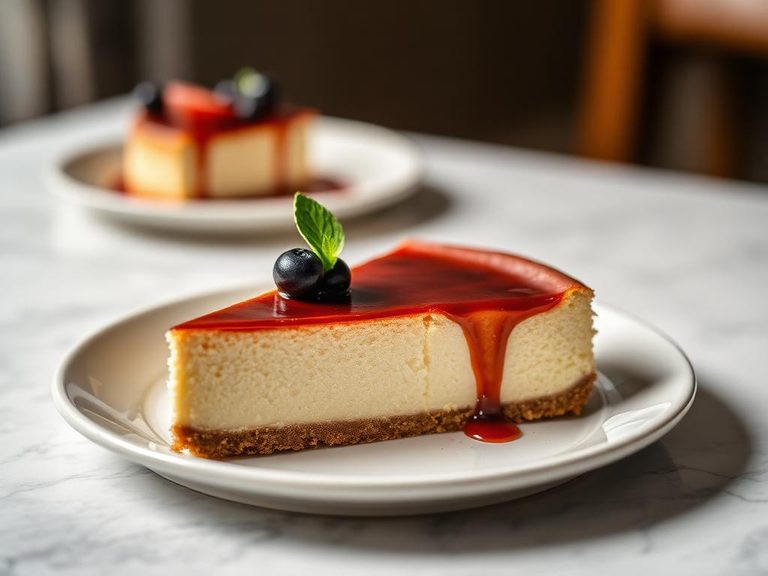
People love it for its creamy texture and tangy taste that can enhance a wide variety of dishes, from bagels to cheesecakes, without adding significant fat. Its cultural versatility makes it a staple in many cuisines, especially in American and European cooking.
⚠️ Watch-outs & how to enjoy it better
It can be higher in sodium and may contain additives to mimic the texture of full-fat cheese, which some people might want to avoid. Those with lactose intolerance or milk allergies should be cautious, and pairing it with healthy fats or fiber can help mitigate any blood-sugar spikes from its sugar content.
Key benefits
- High in protein (15.69g per 100g)
- Very low in fat (1g per 100g)
- Good source of calcium
- Low in calories (105 kcal per 100g)
- Suitable for low-fat diets
🍽️ Popular dishes
🌍 Where it's eaten
💡 Did you know?
Cream cheese was first made in the United States in 1872 by William Lawrence, who accidentally developed it while trying to replicate a French cheese called Neufchâtel.
Full nutrition (scales with serving)
| Water | 71.9 g |
| Energy | 105 kcal |
| Energy | 441 kj |
| Protein | 15.7 g |
| Total lipid (fat) | 1.0 g |
| Ash | 3.8 g |
| Carbohydrate, by difference | 7.7 g |
| Fiber, total dietary | 0.00 g |
| Total Sugars | 5.5 g |
| Sucrose | 0.64 g |
| Glucose | 0.00 g |
| Fructose | 0.00 g |
| Lactose | 4.8 g |
| Maltose | 0.00 g |
| Galactose | 0.00 g |
| Starch | 1.1 g |
| Calcium, Ca | 351 mg |
| Iron, Fe | 0.19 mg |
| Magnesium, Mg | 22.0 mg |
| Phosphorus, P | 523 mg |
| Potassium, K | 278 mg |
| Sodium, Na | 702 mg |
| Zinc, Zn | 1.5 mg |
| Copper, Cu | 0.04 mg |
| Manganese, Mn | 0.02 mg |
| Selenium, Se | 4.9 ug |
| Vitamin C, total ascorbic acid | 0.00 mg |
| Thiamin | 0.04 mg |
| Riboflavin | 0.27 mg |
| Niacin | 0.23 mg |
| Pantothenic acid | 0.84 mg |
| Vitamin B-6 | 0.05 mg |
| Folate, total | 35.0 ug |
| Folic acid | 0.00 ug |
| Folate, food | 35.0 ug |
| Folate, DFE | 35.0 ug |
| Choline, total | 65.2 mg |
| Vitamin B-12 | 0.95 ug |
| Vitamin B-12, added | 0.00 ug |
| Vitamin A, RAE | 11.0 ug |
| Retinol | 10.0 ug |
| Carotene, beta | 11.0 ug |
| Carotene, alpha | 0.00 ug |
| Cryptoxanthin, beta | 0.00 ug |
| Vitamin A, IU | 53.0 iu |
| Lycopene | 0.00 ug |
| Lutein + zeaxanthin | 0.00 ug |
| Vitamin E (alpha-tocopherol) | 0.02 mg |
| Vitamin E, added | 0.00 mg |
| Tocopherol, beta | 0.00 mg |
| Tocopherol, gamma | 0.01 mg |
| Tocopherol, delta | 0.00 mg |
| Tocotrienol, alpha | 0.00 mg |
| Tocotrienol, beta | 0.00 mg |
| Tocotrienol, gamma | 0.00 mg |
| Tocotrienol, delta | 0.00 mg |
| Vitamin D (D2 + D3), International Units | 0.00 iu |
| Vitamin D (D2 + D3) | 0.00 ug |
| Vitamin K (phylloquinone) | 0.20 ug |
| Vitamin K (Dihydrophylloquinone) | 0.00 ug |
| Vitamin K (Menaquinone-4) | 0.10 ug |
| Alcohol, ethyl | 0.00 g |
| Caffeine | 0.00 mg |
| Theobromine | 0.00 mg |
Fat & fatty acid profile (per 100g)
| Fatty acids, total saturated | 0.64 g |
| SFA 4:0 | 0.06 g |
| SFA 6:0 | 0.03 g |
| SFA 8:0 | 0.04 g |
| SFA 10:0 | 0.04 g |
| SFA 12:0 | 0.03 g |
| SFA 14:0 | 0.08 g |
| SFA 15:0 | 0.01 g |
| SFA 16:0 | 0.24 g |
| SFA 17:0 | 0.01 g |
| SFA 18:0 | 0.12 g |
| SFA 20:0 | 0.00 g |
| SFA 22:0 | 0.00 g |
| Fatty acids, total monounsaturated | 0.25 g |
| MUFA 14:1 | 0.01 g |
| MUFA 15:1 | 0.00 g |
| MUFA 16:1 | 0.01 g |
| MUFA 17:1 | 0.00 g |
| MUFA 18:1 | 0.23 g |
| MUFA 20:1 | 0.00 g |
| MUFA 22:1 | 0.00 g |
| Fatty acids, total polyunsaturated | 0.06 g |
| PUFA 18:2 | 0.04 g |
| PUFA 18:3 | 0.01 g |
| PUFA 18:3 n-3 c,c,c (ALA) | 0.01 g |
| PUFA 18:3 n-6 c,c,c | 0.00 g |
| PUFA 18:4 | 0.00 g |
| PUFA 20:2 n-6 c,c | 0.00 g |
| PUFA 20:3 | 0.00 g |
| PUFA 20:4 | 0.00 g |
| PUFA 20:5 n-3 (EPA) | 0.00 g |
| PUFA 22:5 n-3 (DPA) | 0.00 g |
| PUFA 22:6 n-3 (DHA) | 0.00 g |
| Cholesterol | 12.0 mg |
Amino acid profile (per 100g)
| Tryptophan | 0.18 g |
| Threonine | 0.62 g |
| Isoleucine | 0.86 g |
| Leucine | 1.7 g |
| Lysine | 1.5 g |
| Methionine | 0.51 g |
| Cystine | 0.11 g |
| Phenylalanine | 0.77 g |
| Tyrosine | 0.80 g |
| Valine | 1.0 g |
| Arginine | 0.62 g |
| Histidine | 0.46 g |
| Alanine | 0.49 g |
| Aspartic acid | 1.4 g |
| Glutamic acid | 3.5 g |
| Glycine | 0.37 g |
| Proline | 1.8 g |
| Serine | 0.99 g |
| Hydroxyproline | 0.03 g |
FAQ
Is fat-free cream cheese healthier than regular cream cheese?
Yes, it is lower in calories and fat, making it a better option for those watching their fat intake, but it may contain more sodium or additives.
Can I use fat-free cream cheese in baking?
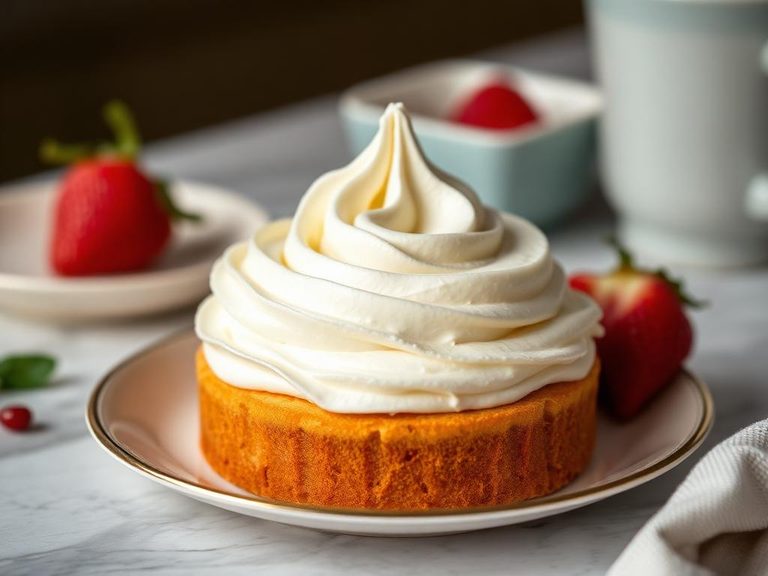
Absolutely, it works well in recipes like cheesecakes and frostings, though the texture might be slightly different from full-fat versions.
How long does fat-free cream cheese last in the fridge?
Unopened, it can last up to a month; once opened, it should be consumed within 7-10 days for best quality.