

Watermelon, raw
Whole food · Fruits and Fruit Juices
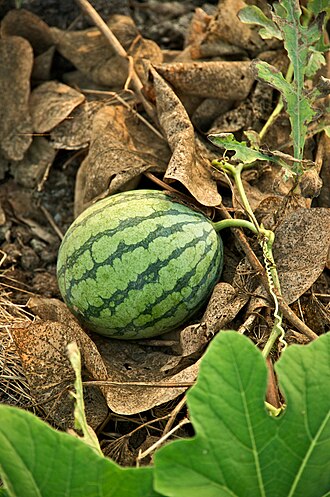
Photo: Wikipedia
Raw watermelon is a hydrating, crisp fruit with a vibrant red flesh and a sweet, refreshing juice that bursts with every bite. Its texture ranges from juicy and tender to slightly grainy, depending on ripeness. Nutritionally, it is remarkably low in calories (30 kcal/100g) and is a standout source of the antioxidant lycopene.
Calorie split: 7% protein · 89% carbs · 4% fat
↓ Full nutrition💚 Why it's loved
People adore watermelon for its unparalleled ability to quench thirst and satisfy a sweet craving with minimal calories. Its versatility shines at summer picnics, in cocktails, or simply sliced cold on a hot day, making it a cultural staple for celebrations from American Fourth of July to Mediterranean feasts.
⚠️ Watch-outs & how to enjoy it better
Its high natural sugar content (6.2g/100g) and low fiber can cause rapid blood sugar spikes, especially in large portions. Those with diabetes should practice portion control. To mitigate this, pair watermelon with a source of protein (like feta cheese) or healthy fat (like nuts) to slow sugar absorption.
Key benefits
- Excellent source of hydration (over 90% water).
- Rich in lycopene, a potent antioxidant linked to heart and skin health.
- Provides vitamin C, which supports immune function.
- Contains citrulline, an amino acid that may improve blood flow and reduce muscle soreness.
- Naturally low in fat and a good source of electrolytes like potassium.
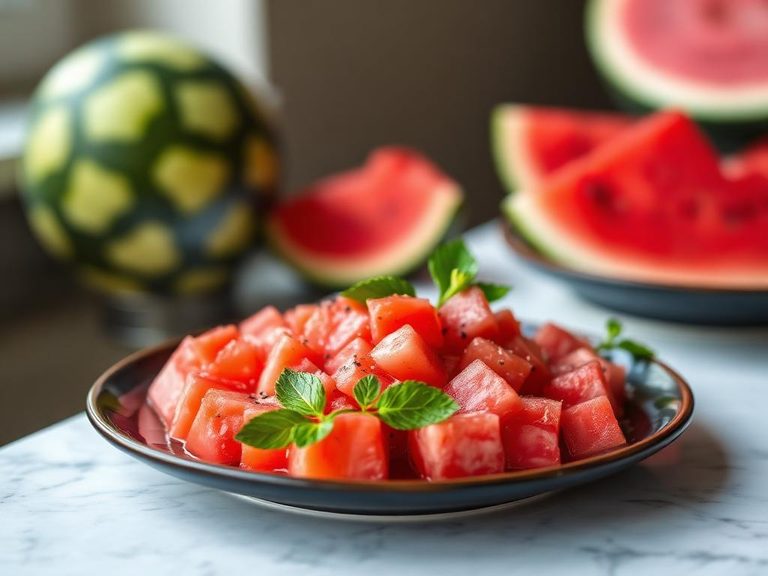
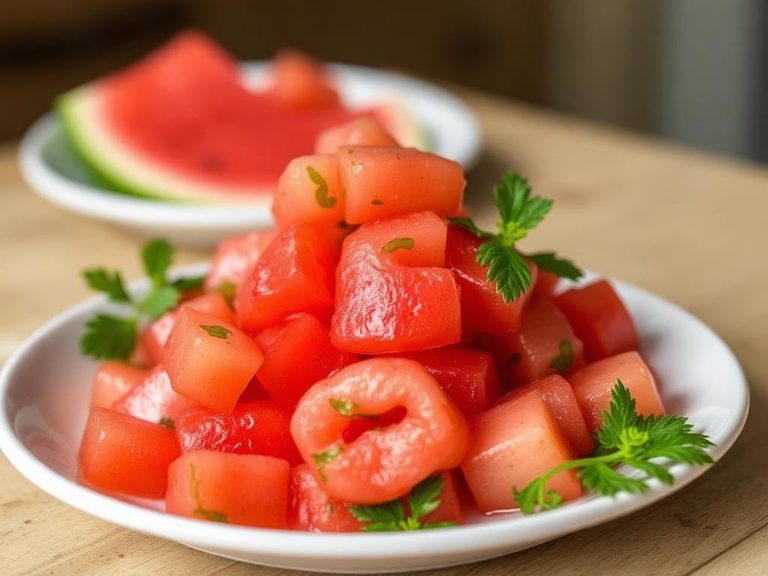
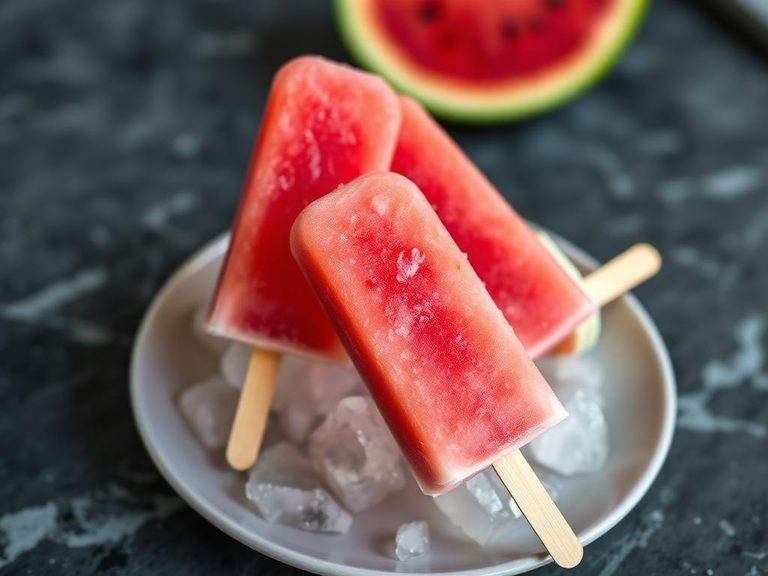
🍽️ Popular dishes
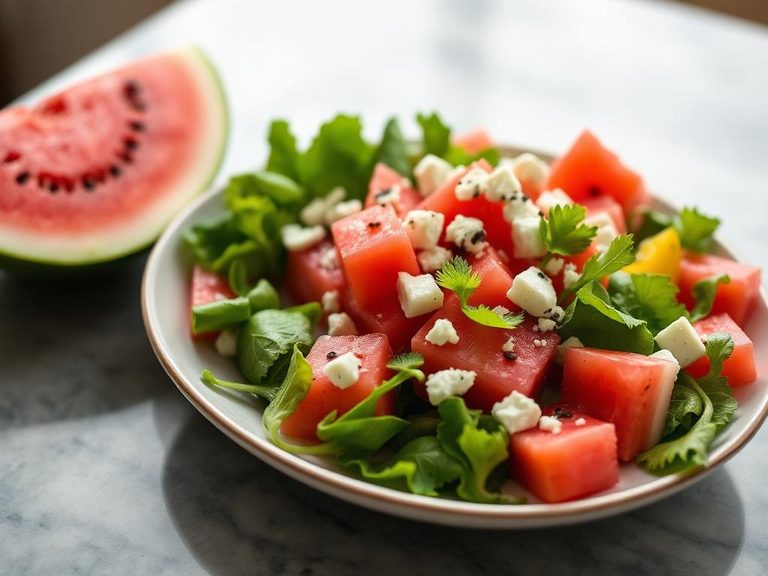
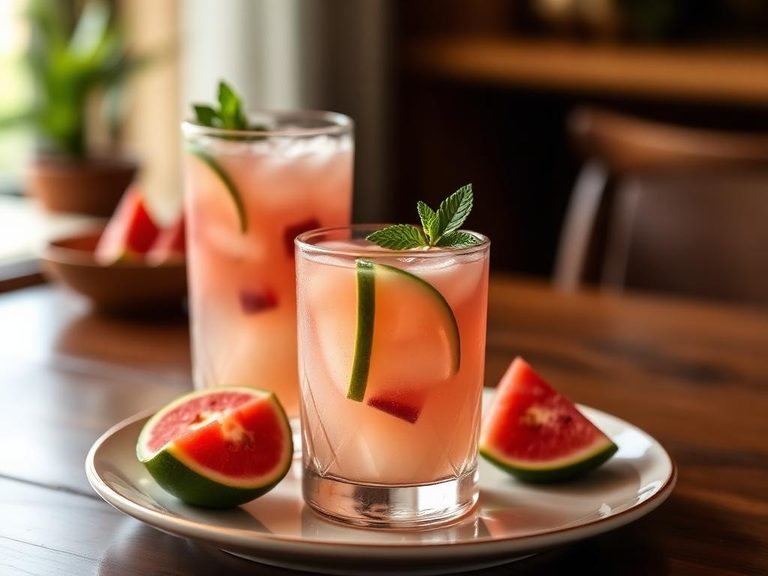
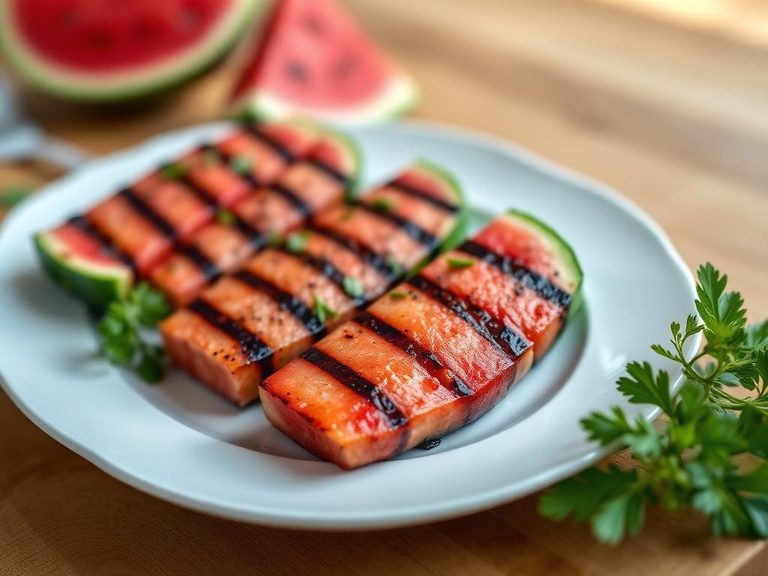
🌍 Where it's eaten
💡 Did you know?
Watermelon is about 92% water, but it's also a surprisingly good source of lycopene—a single cup contains more lycopene than a raw tomato.
Full nutrition (USDA data · scales with serving)
| Water | 91.5 g |
| Energy | 30.0 kcal |
| Energy | 127 kj |
| Protein | 0.61 g |
| Total lipid (fat) | 0.15 g |
| Ash | 0.25 g |
| Carbohydrate, by difference | 7.5 g |
| Fiber, total dietary | 0.40 g |
| Total Sugars | 6.2 g |
| Sucrose | 1.2 g |
| Glucose | 1.6 g |
| Fructose | 3.4 g |
| Lactose | 0.00 g |
| Maltose | 0.06 g |
| Galactose | 0.00 g |
| Starch | 0.00 g |
| Calcium, Ca | 7.0 mg |
| Iron, Fe | 0.24 mg |
| Magnesium, Mg | 10.0 mg |
| Phosphorus, P | 11.0 mg |
| Potassium, K | 112 mg |
| Sodium, Na | 1.0 mg |
| Zinc, Zn | 0.10 mg |
| Copper, Cu | 0.04 mg |
| Manganese, Mn | 0.04 mg |
| Selenium, Se | 0.40 ug |
| Fluoride, F | 1.5 ug |
| Vitamin C, total ascorbic acid | 8.1 mg |
| Thiamin | 0.03 mg |
| Riboflavin | 0.02 mg |
| Niacin | 0.18 mg |
| Pantothenic acid | 0.22 mg |
| Vitamin B-6 | 0.04 mg |
| Folate, total | 3.0 ug |
| Folic acid | 0.00 ug |
| Folate, food | 3.0 ug |
| Folate, DFE | 3.0 ug |
| Choline, total | 4.1 mg |
| Betaine | 0.30 mg |
| Vitamin B-12 | 0.00 ug |
| Vitamin B-12, added | 0.00 ug |
| Vitamin A, RAE | 28.0 ug |
| Retinol | 0.00 ug |
| Carotene, beta | 303 ug |
| Carotene, alpha | 0.00 ug |
| Cryptoxanthin, beta | 78.0 ug |
| Vitamin A, IU | 569 iu |
| Lycopene | 4532 ug |
| Lutein + zeaxanthin | 8.0 ug |
| Vitamin E (alpha-tocopherol) | 0.05 mg |
| Vitamin E, added | 0.00 mg |
| Tocopherol, beta | 0.00 mg |
| Tocopherol, gamma | 0.00 mg |
| Tocopherol, delta | 0.00 mg |
| Tocotrienol, alpha | 0.01 mg |
| Tocotrienol, beta | 0.00 mg |
| Tocotrienol, gamma | 0.00 mg |
| Tocotrienol, delta | 0.00 mg |
| Vitamin D (D2 + D3), International Units | 0.00 iu |
| Vitamin D (D2 + D3) | 0.00 ug |
| Vitamin K (phylloquinone) | 0.10 ug |
| Vitamin K (Dihydrophylloquinone) | 0.00 ug |
| Alcohol, ethyl | 0.00 g |
| Caffeine | 0.00 mg |
| Theobromine | 0.00 mg |
Fat & fatty acid profile (per 100g)
| Fatty acids, total saturated | 0.02 g |
| SFA 4:0 | 0.00 g |
| SFA 6:0 | 0.00 g |
| SFA 8:0 | 0.00 g |
| SFA 10:0 | 0.00 g |
| SFA 12:0 | 0.00 g |
| SFA 14:0 | 0.00 g |
| SFA 16:0 | 0.01 g |
| SFA 18:0 | 0.01 g |
| Fatty acids, total monounsaturated | 0.04 g |
| MUFA 16:1 | 0.00 g |
| MUFA 18:1 | 0.04 g |
| MUFA 20:1 | 0.00 g |
| MUFA 22:1 | 0.00 g |
| Fatty acids, total polyunsaturated | 0.05 g |
| PUFA 18:2 | 0.05 g |
| PUFA 18:3 | 0.00 g |
| PUFA 18:4 | 0.00 g |
| PUFA 20:4 | 0.00 g |
| PUFA 20:5 n-3 (EPA) | 0.00 g |
| PUFA 22:5 n-3 (DPA) | 0.00 g |
| PUFA 22:6 n-3 (DHA) | 0.00 g |
| Fatty acids, total trans | 0.00 g |
| Cholesterol | 0.00 mg |
| Phytosterols | 2.0 mg |
Amino acid profile (per 100g)
| Tryptophan | 0.01 g |
| Threonine | 0.03 g |
| Isoleucine | 0.02 g |
| Leucine | 0.02 g |
| Lysine | 0.06 g |
| Methionine | 0.01 g |
| Cystine | 0.00 g |
| Phenylalanine | 0.01 g |
| Tyrosine | 0.01 g |
| Valine | 0.02 g |
| Arginine | 0.06 g |
| Histidine | 0.01 g |
| Alanine | 0.02 g |
| Aspartic acid | 0.04 g |
| Glutamic acid | 0.06 g |
| Glycine | 0.01 g |
| Proline | 0.02 g |
| Serine | 0.02 g |
FAQ
Is watermelon good for weight loss?
Yes, its high water and low calorie density can promote fullness, but be mindful of portion size due to its sugar content.
Can I eat the rind?
Yes! The white part of the rind is edible and contains fiber and citrulline. It's often pickled or stir-fried in some cuisines.
Why does watermelon make me urinate frequently?
This is due to its high water content and the diuretic effect of the amino acid citrulline, which helps your body eliminate excess fluid and salt.
Nutrient density (calculated · NRF9.3)
Nutrient Rich Foods index: beneficial nutrients (protein, fiber, vitamins, minerals) minus saturated fat, added sugar & sodium, per 100 kcal.
NRF9.3 index — Fulgoni, Keast & Drewnowski, 2009. Computed from USDA nutrients.
Weight-loss friendliness (composite index)
Energy density 0.30 kcal/g · 8% calories from protein · 0.4 g fiber · 6.2 g sugar per 100 g.
Composite of energy density (Rolls et al., 1999), protein & fiber satiety, minus sugar. A calculated heuristic — ranks satiety-per-calorie, not a clinical measure.
Dietary load (calculated from USDA values)
Potential renal acid load. Positive = acid-forming, negative = alkaline-forming.
Sodium-to-potassium ratio: 0.01 (lower is better — aim for ≤ 1)
Sodium:potassium per WHO potassium guidance. Computed from USDA nutrients.