

Veal, variety meats and by-products, liver, cooked, pan-fried
Whole food · Lamb, Veal, and Game Products
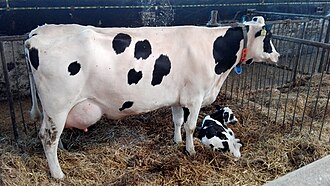
Photo: Wikipedia
Pan-fried veal liver is a tender, mineral-rich organ meat with a distinctive deep, slightly sweet, and earthy flavor and a smooth, velvety texture when cooked quickly. It delivers an impressive 27g of protein per 100g with only 6.5g of fat, making it one of the most nutrient-dense protein sources available. The quick pan-frying method creates a lightly caramelized exterior while keeping the interior soft and creamy.
Calorie split: 59% protein · 10% carbs · 32% fat
↓ Full nutrition💚 Why it's loved
People love veal liver for its rich, buttery taste and melt-in-your-mouth texture when pan-fried to a light pink center. It is a beloved staple in many European and Middle Eastern cuisines, often served with onions, lemon, or capers that complement its deep, savory flavor.
⚠️ Watch-outs & how to enjoy it better
Veal liver is very high in vitamin A and cholesterol, so those with liver conditions, pregnant women, or individuals on blood thinners should consult a doctor before consuming it regularly. To reduce the strong organ-meat flavor, soak the liver in milk or buttermilk for 1-2 hours before cooking, and pair it with acidic ingredients like lemon or vinegar to balance the richness.
Key benefits
- Exceptionally high in protein (27.37g per 100g) with relatively low fat (6.51g)
- Rich source of vitamin B12, essential for nerve function and red blood cell formation
- High in iron (heme iron), which is more bioavailable than plant-based iron
- Contains significant amounts of vitamin A, supporting vision and immune health
- Low in carbohydrates (4.47g per 100g), suitable for low-carb and keto diets
🍽️ Popular dishes
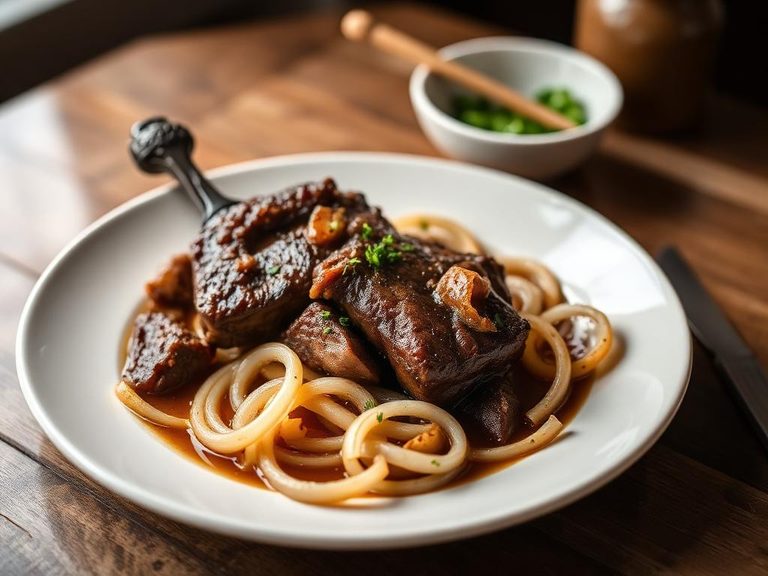
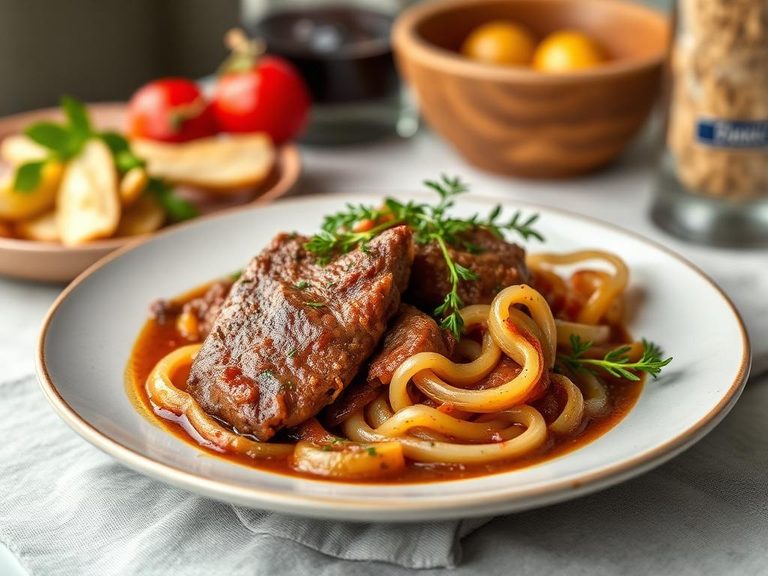
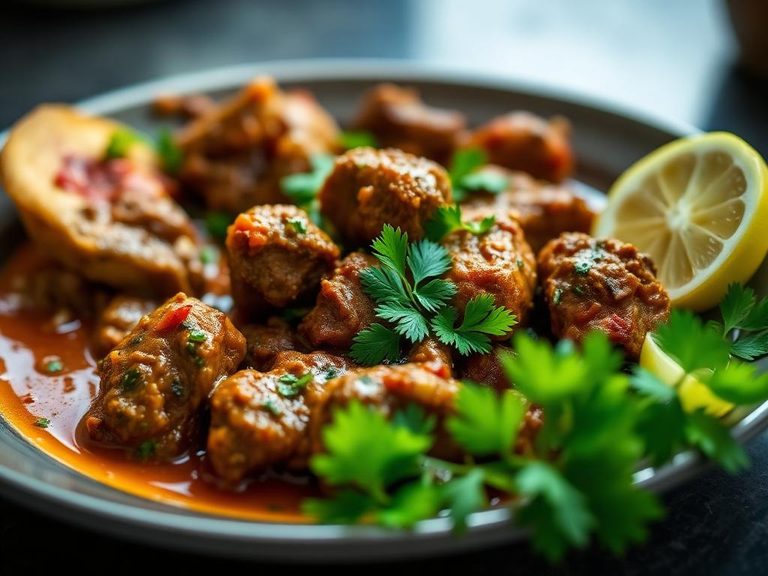
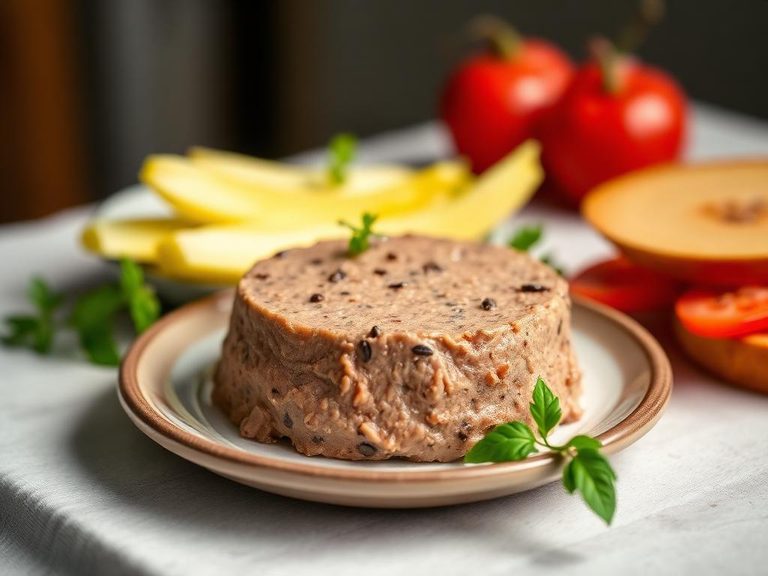
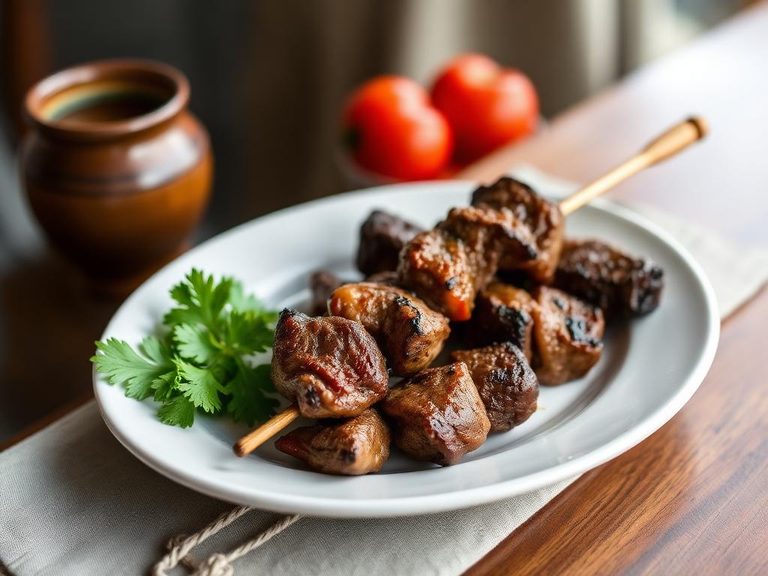
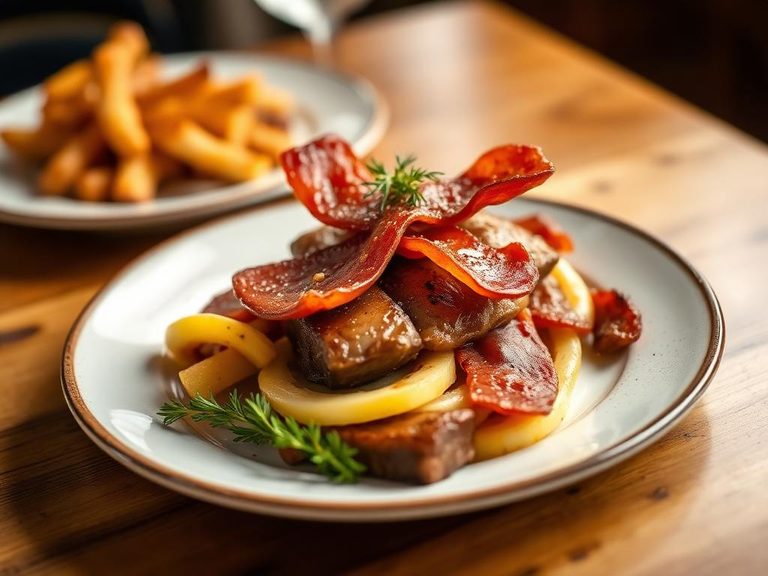
🌍 Where it's eaten
💡 Did you know?
Veal liver is so rich in vitamin A that eating it just 2-3 times per week can meet your entire weekly requirement of this essential nutrient, but overconsumption can lead to hypervitaminosis A, a rare but serious condition.
Full nutrition (USDA data · scales with serving)
| Water | 59.9 g |
| Energy | 193 kcal |
| Energy | 807 kj |
| Protein | 27.4 g |
| Total lipid (fat) | 6.5 g |
| Ash | 1.8 g |
| Carbohydrate, by difference | 4.5 g |
| Fiber, total dietary | 0.00 g |
| Total Sugars | 0.00 g |
| Calcium, Ca | 7.0 mg |
| Iron, Fe | 6.0 mg |
| Magnesium, Mg | 23.0 mg |
| Phosphorus, P | 483 mg |
| Potassium, K | 353 mg |
| Sodium, Na | 85.0 mg |
| Zinc, Zn | 11.9 mg |
| Copper, Cu | 15.1 mg |
| Manganese, Mn | 0.30 mg |
| Selenium, Se | 24.9 ug |
| Fluoride, F | 5.0 ug |
| Vitamin C, total ascorbic acid | 0.70 mg |
| Thiamin | 0.18 mg |
| Riboflavin | 3.1 mg |
| Niacin | 14.3 mg |
| Pantothenic acid | 7.1 mg |
| Vitamin B-6 | 0.89 mg |
| Folate, total | 350 ug |
| Folic acid | 0.00 ug |
| Folate, food | 350 ug |
| Folate, DFE | 350 ug |
| Choline, total | 411 mg |
| Betaine | 8.1 mg |
| Vitamin B-12 | 72.5 ug |
| Vitamin B-12, added | 0.00 ug |
| Vitamin A, RAE | 20074 ug |
| Retinol | 20070 ug |
| Carotene, beta | 40.0 ug |
| Carotene, alpha | 11.0 ug |
| Cryptoxanthin, beta | 16.0 ug |
| Vitamin A, IU | 66989 iu |
| Lycopene | 0.00 ug |
| Lutein + zeaxanthin | 0.00 ug |
| Vitamin E (alpha-tocopherol) | 0.60 mg |
| Vitamin E, added | 0.00 mg |
| Tocopherol, beta | 0.00 mg |
| Tocopherol, gamma | 0.03 mg |
| Tocopherol, delta | 0.00 mg |
| Tocotrienol, alpha | 0.00 mg |
| Tocotrienol, beta | 0.00 mg |
| Tocotrienol, gamma | 0.00 mg |
| Tocotrienol, delta | 0.00 mg |
| Vitamin K (phylloquinone) | 1.6 ug |
| Vitamin K (Dihydrophylloquinone) | 0.00 ug |
| Alcohol, ethyl | 0.00 g |
| Caffeine | 0.00 mg |
| Theobromine | 0.00 mg |
Fat & fatty acid profile (per 100g)
| Fatty acids, total saturated | 2.1 g |
| SFA 4:0 | 0.00 g |
| SFA 6:0 | 0.00 g |
| SFA 8:0 | 0.00 g |
| SFA 10:0 | 0.01 g |
| SFA 12:0 | 0.01 g |
| SFA 14:0 | 0.07 g |
| SFA 15:0 | 0.02 g |
| SFA 16:0 | 0.88 g |
| SFA 17:0 | 0.04 g |
| SFA 18:0 | 1.1 g |
| SFA 20:0 | 0.00 g |
| SFA 22:0 | 0.01 g |
| Fatty acids, total monounsaturated | 1.2 g |
| MUFA 14:1 | 0.01 g |
| MUFA 15:1 | 0.00 g |
| MUFA 16:1 | 0.12 g |
| MUFA 17:1 | 0.02 g |
| MUFA 18:1 | 1.0 g |
| MUFA 20:1 | 0.01 g |
| MUFA 22:1 | 0.00 g |
| Fatty acids, total polyunsaturated | 1.2 g |
| PUFA 18:2 | 0.70 g |
| PUFA 18:2 n-6 c,c | 0.70 g |
| PUFA 18:3 | 0.05 g |
| PUFA 18:3 n-3 c,c,c (ALA) | 0.04 g |
| PUFA 18:3 n-6 c,c,c | 0.01 g |
| PUFA 18:4 | 0.00 g |
| PUFA 20:2 n-6 c,c | 0.01 g |
| PUFA 20:3 | 0.00 g |
| PUFA 20:4 | 0.35 g |
| PUFA 20:5 n-3 (EPA) | 0.00 g |
| PUFA 22:5 n-3 (DPA) | 0.00 g |
| PUFA 22:6 n-3 (DHA) | 0.00 g |
| Fatty acids, total trans | 0.28 g |
| Cholesterol | 485 mg |
Amino acid profile (per 100g)
| Tryptophan | 0.35 g |
| Threonine | 1.1 g |
| Isoleucine | 1.2 g |
| Leucine | 2.4 g |
| Lysine | 2.1 g |
| Methionine | 0.71 g |
| Cystine | 0.47 g |
| Phenylalanine | 1.4 g |
| Tyrosine | 1.0 g |
| Valine | 1.6 g |
| Arginine | 1.8 g |
| Histidine | 0.80 g |
| Alanine | 1.7 g |
| Aspartic acid | 2.6 g |
| Glutamic acid | 3.5 g |
| Glycine | 2.2 g |
| Proline | 1.6 g |
| Serine | 1.2 g |
| Hydroxyproline | 0.10 g |
FAQ
Is pan-fried veal liver healthy to eat regularly?
Yes, in moderation. It is extremely nutrient-dense, providing high protein, iron, and B vitamins. However, due to its high vitamin A and cholesterol content, it is best consumed 1-2 times per week rather than daily.
How do I cook veal liver so it's not tough?
Cook it quickly over high heat for 2-3 minutes per side. Overcooking makes liver tough and rubbery. It should be slightly pink in the center for the best texture and flavor.
Can I eat veal liver if I'm pregnant?
Pregnant women should be cautious with organ meats, especially liver, due to high vitamin A levels which can be harmful in excess. Consult your doctor before consuming veal liver during pregnancy.
What does veal liver taste like?
Veal liver has a mild, slightly sweet, and earthy flavor compared to beef or chicken liver. It has a smooth, creamy texture when cooked properly, with a rich, buttery taste that pairs well with onions, lemon, and herbs.
Is veal liver high in iron?
Yes, veal liver is an excellent source of heme iron, which is more easily absorbed by the body than non-heme iron from plant sources. It is particularly beneficial for those with iron deficiency anemia.
Nutrient density (calculated · NRF9.3)
Nutrient Rich Foods index: beneficial nutrients (protein, fiber, vitamins, minerals) minus saturated fat, added sugar & sodium, per 100 kcal.
NRF9.3 index — Fulgoni, Keast & Drewnowski, 2009. Computed from USDA nutrients.
Weight-loss friendliness (composite index)
Energy density 1.93 kcal/g · 57% calories from protein · 0.0 g fiber · 0.0 g sugar per 100 g.
Composite of energy density (Rolls et al., 1999), protein & fiber satiety, minus sugar. A calculated heuristic — ranks satiety-per-calorie, not a clinical measure.
Dietary load (calculated from USDA values)
Potential renal acid load. Positive = acid-forming, negative = alkaline-forming.
Sodium-to-potassium ratio: 0.24 (lower is better — aim for ≤ 1)
Sodium:potassium per WHO potassium guidance. Computed from USDA nutrients.