

Potatoes, mashed, home-prepared, whole milk and butter added
Whole food · Vegetables and Vegetable Products
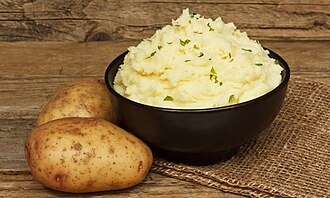
Photo: Wikipedia
A creamy, velvety mound of comfort, home-prepared mashed potatoes are a staple side dish made by mashing boiled potatoes with whole milk and butter. The result is a rich, starchy base with a subtle sweetness and a smooth, fluffy texture. Nutritionally, it's a moderate-calorie energy source primarily from carbohydrates, with a notable boost in fat from the dairy additions.
Calorie split: 7% protein · 60% carbs · 34% fat
↓ Full nutrition💚 Why it's loved
People love mashed potatoes for their ultimate comfort-food status—a warm, creamy, and savory side that complements nearly any main course. Their mild, buttery flavor and fluffy texture make them a universally appealing canvas for gravy, herbs, or cheese.
⚠️ Watch-outs & how to enjoy it better
The addition of butter and whole milk significantly increases saturated fat and calorie content, which can be a concern for heart health or calorie management. The high glycemic index can cause rapid blood sugar spikes, especially when eaten alone. To mitigate, pair with a lean protein (like chicken or fish) and non-starchy vegetables to slow digestion, and practice portion control.
Key benefits
- Provides quick energy from complex carbohydrates.
- Good source of potassium and vitamin C from the potato itself.
- The added butter and milk increase calorie density for satiety.
- A versatile base for absorbing other flavors and sauces.
- Naturally gluten-free, making it a safe staple for many diets.
🍽️ Popular dishes
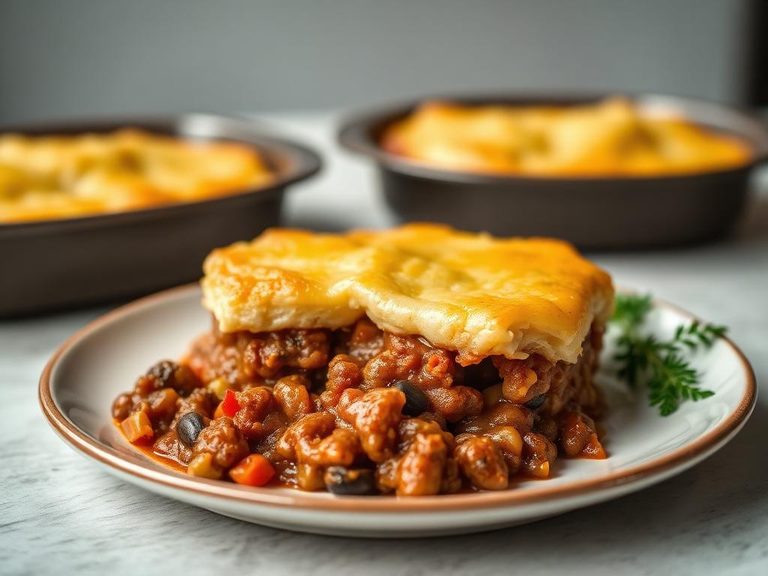
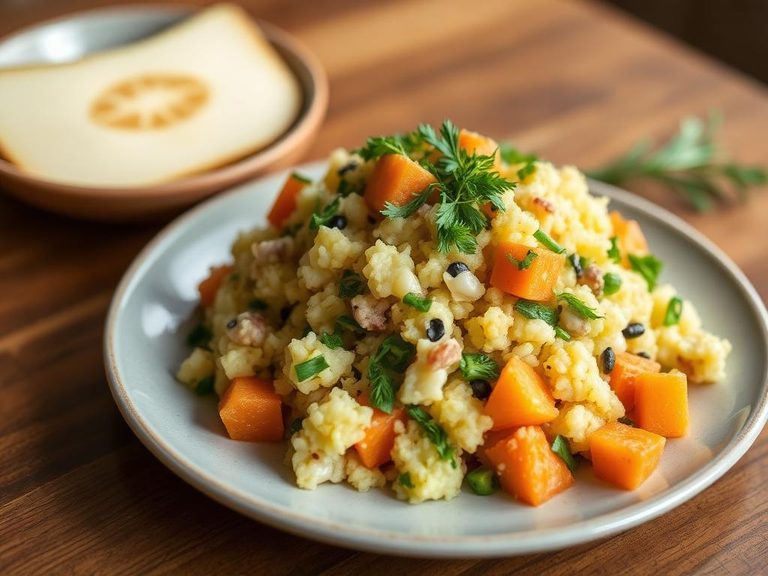
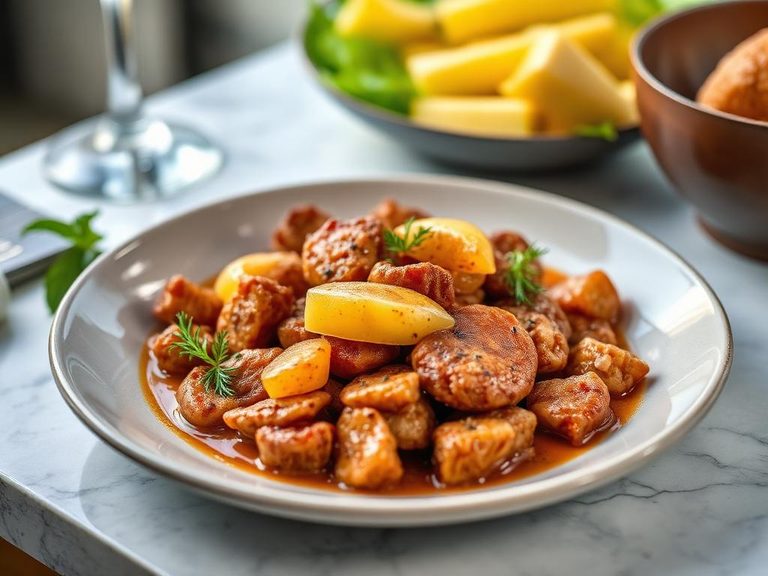
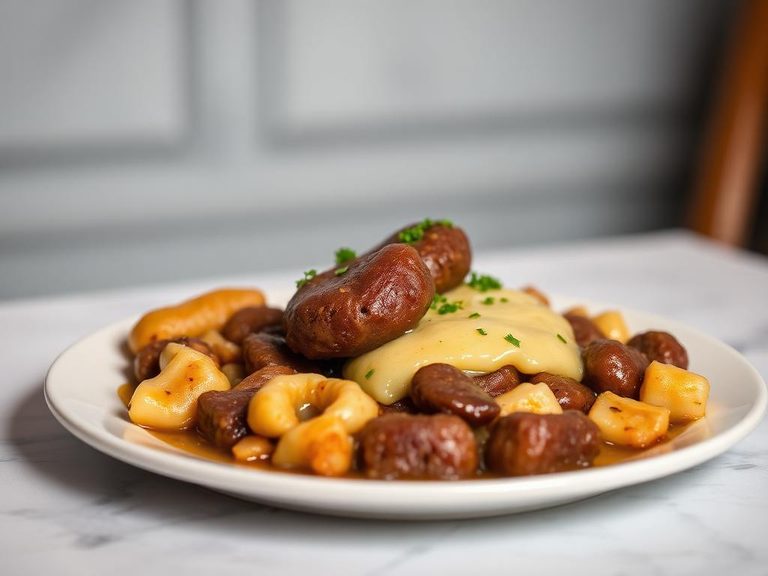
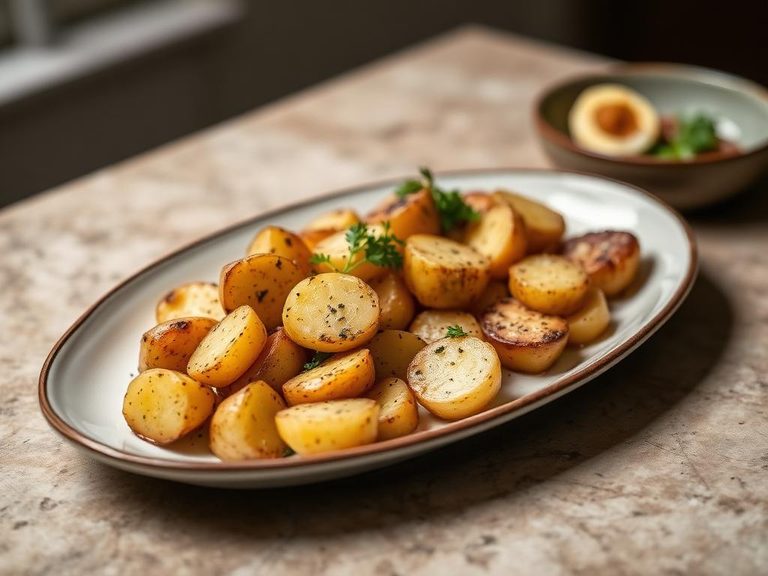
🌍 Where it's eaten
💡 Did you know?
The world record for the largest serving of mashed potatoes was set in 2017 in Tennessee, USA, weighing a staggering 3,744 pounds (about 1,698 kg).
Full nutrition (USDA data · scales with serving)
| Water | 75.6 g |
| Energy | 113 kcal |
| Energy | 471 kj |
| Protein | 1.9 g |
| Total lipid (fat) | 4.2 g |
| Ash | 1.5 g |
| Carbohydrate, by difference | 16.8 g |
| Fiber, total dietary | 1.5 g |
| Total Sugars | 1.4 g |
| Sucrose | 0.15 g |
| Glucose | 0.29 g |
| Fructose | 0.24 g |
| Lactose | 0.71 g |
| Maltose | 0.00 g |
| Galactose | 0.00 g |
| Calcium, Ca | 24.0 mg |
| Iron, Fe | 0.26 mg |
| Magnesium, Mg | 18.0 mg |
| Phosphorus, P | 45.0 mg |
| Potassium, K | 284 mg |
| Sodium, Na | 317 mg |
| Zinc, Zn | 0.27 mg |
| Copper, Cu | 0.14 mg |
| Manganese, Mn | 0.11 mg |
| Selenium, Se | 0.80 ug |
| Vitamin C, total ascorbic acid | 6.0 mg |
| Thiamin | 0.09 mg |
| Riboflavin | 0.04 mg |
| Niacin | 1.1 mg |
| Pantothenic acid | 0.47 mg |
| Vitamin B-6 | 0.22 mg |
| Folate, total | 8.0 ug |
| Folic acid | 0.00 ug |
| Folate, food | 8.0 ug |
| Folate, DFE | 8.0 ug |
| Choline, total | 13.5 mg |
| Betaine | 0.30 mg |
| Vitamin B-12 | 0.07 ug |
| Vitamin B-12, added | 0.00 ug |
| Vitamin A, RAE | 38.0 ug |
| Retinol | 37.0 ug |
| Carotene, beta | 9.0 ug |
| Carotene, alpha | 0.00 ug |
| Cryptoxanthin, beta | 0.00 ug |
| Vitamin A, IU | 138 iu |
| Lycopene | 0.00 ug |
| Lutein + zeaxanthin | 7.0 ug |
| Vitamin E (alpha-tocopherol) | 0.12 mg |
| Vitamin E, added | 0.00 mg |
| Tocopherol, beta | 0.00 mg |
| Tocopherol, gamma | 0.00 mg |
| Tocopherol, delta | 0.00 mg |
| Tocotrienol, alpha | 0.00 mg |
| Tocotrienol, beta | 0.00 mg |
| Tocotrienol, gamma | 0.00 mg |
| Tocotrienol, delta | 0.00 mg |
| Vitamin D (D2 + D3), International Units | 10.0 iu |
| Vitamin D (D2 + D3) | 0.20 ug |
| Vitamin K (phylloquinone) | 2.0 ug |
| Vitamin K (Dihydrophylloquinone) | 0.00 ug |
| Alcohol, ethyl | 0.00 g |
| Caffeine | 0.00 mg |
| Theobromine | 0.00 mg |
Fat & fatty acid profile (per 100g)
| Fatty acids, total saturated | 2.6 g |
| SFA 4:0 | 0.16 g |
| SFA 6:0 | 0.10 g |
| SFA 8:0 | 0.06 g |
| SFA 10:0 | 0.13 g |
| SFA 12:0 | 0.13 g |
| SFA 13:0 | 0.00 g |
| SFA 14:0 | 0.38 g |
| SFA 15:0 | 0.00 g |
| SFA 16:0 | 1.1 g |
| SFA 17:0 | 0.03 g |
| SFA 18:0 | 0.51 g |
| SFA 20:0 | 0.01 g |
| SFA 22:0 | 0.00 g |
| SFA 24:0 | 0.00 g |
| Fatty acids, total monounsaturated | 1.1 g |
| MUFA 14:1 | 0.00 g |
| MUFA 16:1 | 0.04 g |
| MUFA 18:1 | 1.0 g |
| MUFA 20:1 | 0.01 g |
| MUFA 22:1 | 0.00 g |
| Fatty acids, total polyunsaturated | 0.20 g |
| PUFA 18:2 | 0.17 g |
| PUFA 18:3 | 0.03 g |
| PUFA 18:4 | 0.00 g |
| PUFA 20:4 | 0.00 g |
| PUFA 20:5 n-3 (EPA) | 0.00 g |
| PUFA 22:5 n-3 (DPA) | 0.00 g |
| PUFA 22:6 n-3 (DHA) | 0.00 g |
| Fatty acids, total trans | 0.15 g |
| Fatty acids, total trans-monoenoic | 0.14 g |
| Fatty acids, total trans-polyenoic | 0.01 g |
| Cholesterol | 11.0 mg |
Amino acid profile (per 100g)
| Tryptophan | 0.03 g |
| Threonine | 0.07 g |
| Isoleucine | 0.08 g |
| Leucine | 0.12 g |
| Lysine | 0.11 g |
| Methionine | 0.03 g |
| Cystine | 0.02 g |
| Phenylalanine | 0.08 g |
| Tyrosine | 0.07 g |
| Valine | 0.11 g |
| Arginine | 0.07 g |
| Histidine | 0.04 g |
| Alanine | 0.06 g |
| Aspartic acid | 0.37 g |
| Glutamic acid | 0.33 g |
| Glycine | 0.05 g |
| Proline | 0.10 g |
| Serine | 0.08 g |
FAQ
What's the difference between mashed potatoes and smashed potatoes?
Mashed potatoes are boiled potatoes that are thoroughly mashed or riced with dairy for a smooth, uniform texture. Smashed potatoes are typically boiled whole or in chunks, then gently crushed while leaving them chunkier, often with skins on, for a more rustic texture.
Can I make this recipe healthier?
Yes. You can reduce the butter and use low-fat milk or broth for moisture. Incorporating cauliflower or parsnips into the mash adds nutrients and fiber while cutting calories. Using olive oil instead of butter changes the fat profile.
Why do my mashed potatoes turn out gluey?
Over-mixing or using a food processor ruptures the potato starch cells, releasing too much starch and creating a sticky, gluey texture. Use a potato masher or ricer for best results, and mix in dairy gently just until combined.
Nutrient density (calculated · NRF9.3)
Nutrient Rich Foods index: beneficial nutrients (protein, fiber, vitamins, minerals) minus saturated fat, added sugar & sodium, per 100 kcal.
NRF9.3 index — Fulgoni, Keast & Drewnowski, 2009. Computed from USDA nutrients.
Weight-loss friendliness (composite index)
Energy density 1.13 kcal/g · 7% calories from protein · 1.5 g fiber · 1.4 g sugar per 100 g.
Composite of energy density (Rolls et al., 1999), protein & fiber satiety, minus sugar. A calculated heuristic — ranks satiety-per-calorie, not a clinical measure.
Dietary load (calculated from USDA values)
Potential renal acid load. Positive = acid-forming, negative = alkaline-forming.
Sodium-to-potassium ratio: 1.12 (lower is better — aim for ≤ 1)
Sodium:potassium per WHO potassium guidance. Computed from USDA nutrients.