

Nuts, hazelnuts or filberts
Whole food · Nut and Seed Products

Photo: Wikipedia
Hazelnuts, also known as filberts, are small, round nuts with a smooth, hard shell and a rich, buttery, slightly sweet flavor. Their texture is satisfyingly crunchy when raw and becomes even more aromatic and tender when toasted. Nutritionally, they are a powerhouse of heart-healthy monounsaturated fats and provide a good source of fiber.
Calorie split: 9% protein · 10% carbs · 81% fat
↓ Full nutrition💚 Why it's loved
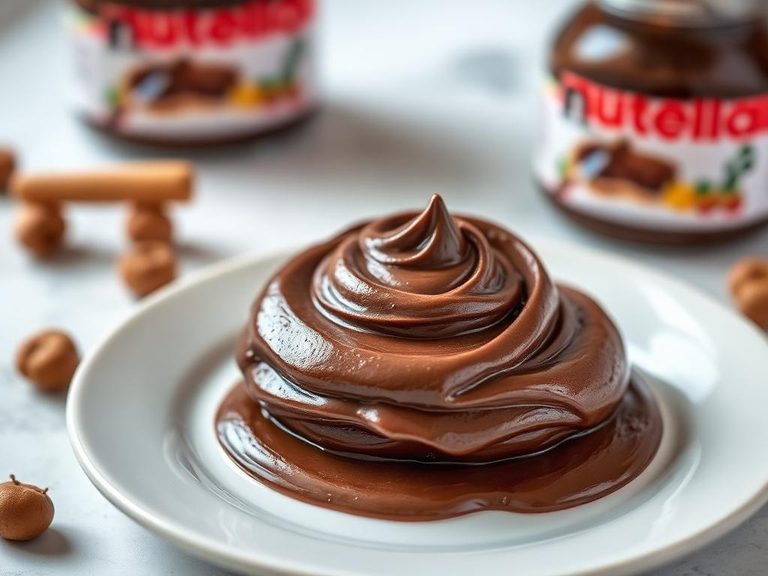
People love hazelnuts for their deeply aromatic, sweet, and woody flavor that intensifies beautifully with toasting. They are incredibly versatile, starring in both sweet confections like chocolate spreads and pralines, and savory dishes like pesto and salads.
⚠️ Watch-outs & how to enjoy it better
Hazelnuts are a common tree nut allergen, requiring strict avoidance for those affected. Their high fat content, while healthy, means they are calorie-dense, so portion control is key for some. To mitigate potential digestive heaviness, enjoy them in measured handfuls or pair with high-fiber foods.
Key benefits
- Excellent source of monounsaturated fats, linked to heart health.
- Provides nearly 10g of dietary fiber per 100g.
- Contains vitamin E, an important antioxidant.
- Good plant-based source of manganese and copper.
- Naturally low in sugar and sodium.
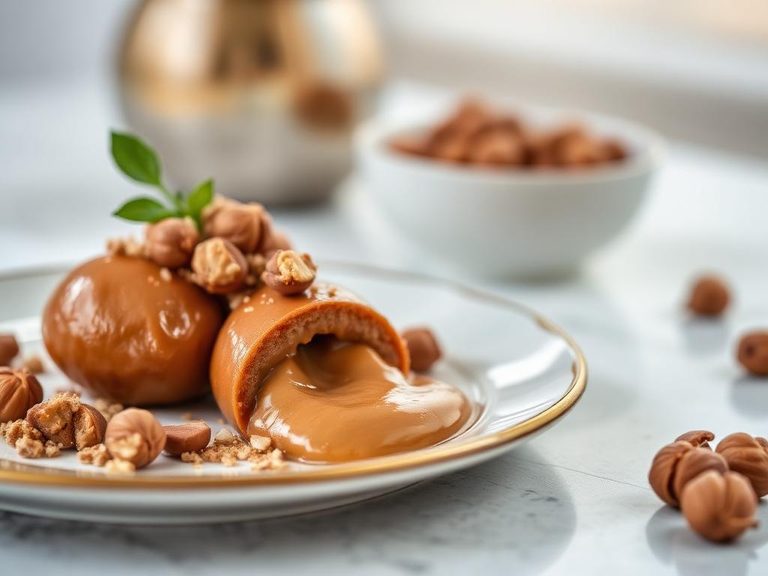
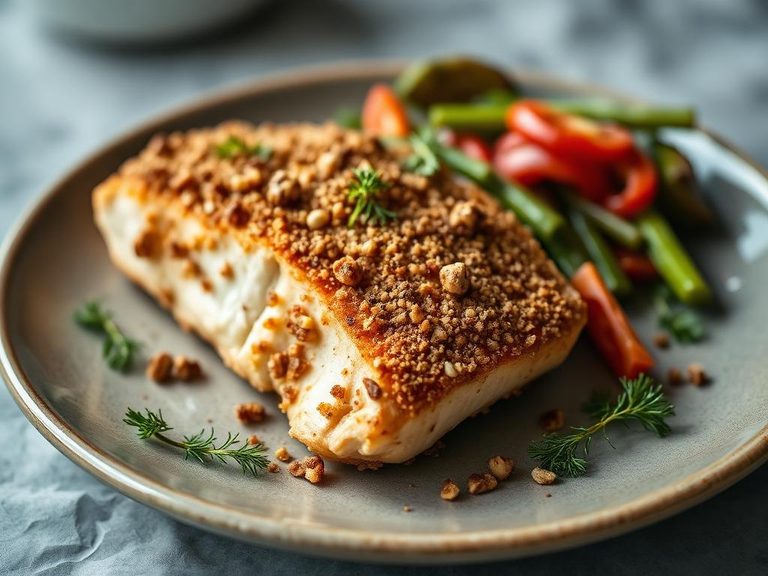
🍽️ Popular dishes
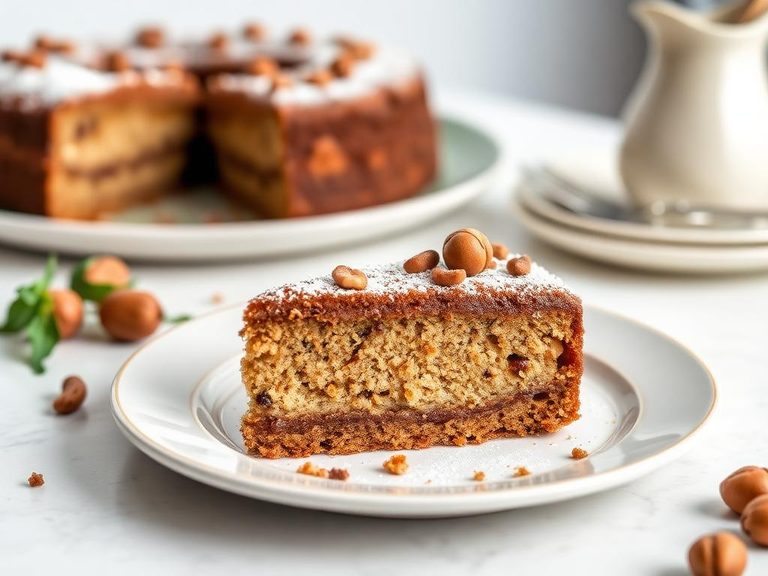
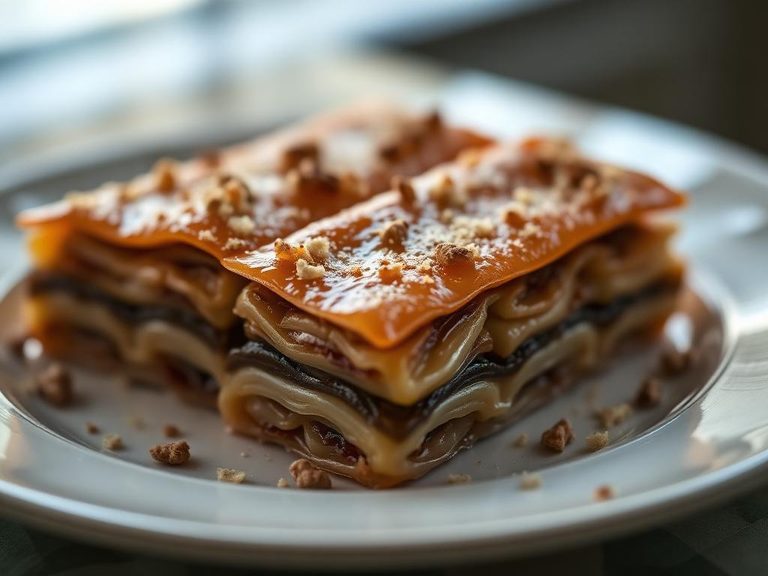
🌍 Where it's eaten
💡 Did you know?
Turkey is the world's largest producer of hazelnuts, accounting for roughly 60-70% of the global supply, with the vast majority coming from the Black Sea region.
Full nutrition (USDA data · scales with serving)
| Water | 5.3 g |
| Energy | 628 kcal |
| Energy | 2629 kj |
| Protein | 14.9 g |
| Total lipid (fat) | 60.8 g |
| Ash | 2.3 g |
| Carbohydrate, by difference | 16.7 g |
| Fiber, total dietary | 9.7 g |
| Total Sugars | 4.3 g |
| Sucrose | 4.2 g |
| Glucose | 0.07 g |
| Fructose | 0.07 g |
| Lactose | 0.00 g |
| Maltose | 0.00 g |
| Starch | 0.48 g |
| Calcium, Ca | 114 mg |
| Iron, Fe | 4.7 mg |
| Magnesium, Mg | 163 mg |
| Phosphorus, P | 290 mg |
| Potassium, K | 680 mg |
| Sodium, Na | 0.00 mg |
| Zinc, Zn | 2.5 mg |
| Copper, Cu | 1.7 mg |
| Manganese, Mn | 6.2 mg |
| Selenium, Se | 2.4 ug |
| Vitamin C, total ascorbic acid | 6.3 mg |
| Thiamin | 0.64 mg |
| Riboflavin | 0.11 mg |
| Niacin | 1.8 mg |
| Pantothenic acid | 0.92 mg |
| Vitamin B-6 | 0.56 mg |
| Folate, total | 113 ug |
| Folic acid | 0.00 ug |
| Folate, food | 113 ug |
| Folate, DFE | 113 ug |
| Choline, total | 45.6 mg |
| Betaine | 0.40 mg |
| Vitamin B-12 | 0.00 ug |
| Vitamin B-12, added | 0.00 ug |
| Vitamin A, RAE | 1.0 ug |
| Retinol | 0.00 ug |
| Carotene, beta | 11.0 ug |
| Carotene, alpha | 3.0 ug |
| Cryptoxanthin, beta | 0.00 ug |
| Vitamin A, IU | 20.0 iu |
| Lycopene | 0.00 ug |
| Lutein + zeaxanthin | 92.0 ug |
| Vitamin E (alpha-tocopherol) | 15.0 mg |
| Vitamin E, added | 0.00 mg |
| Tocopherol, beta | 0.33 mg |
| Tocopherol, gamma | 0.00 mg |
| Tocopherol, delta | 0.00 mg |
| Vitamin D (D2 + D3), International Units | 0.00 iu |
| Vitamin D (D2 + D3) | 0.00 ug |
| Vitamin K (phylloquinone) | 14.2 ug |
| Vitamin K (Dihydrophylloquinone) | 0.00 ug |
| Alcohol, ethyl | 0.00 g |
| Caffeine | 0.00 mg |
| Theobromine | 0.00 mg |
Fat & fatty acid profile (per 100g)
| Fatty acids, total saturated | 4.5 g |
| SFA 4:0 | 0.00 g |
| SFA 6:0 | 0.00 g |
| SFA 8:0 | 0.00 g |
| SFA 10:0 | 0.00 g |
| SFA 12:0 | 0.00 g |
| SFA 13:0 | 0.00 g |
| SFA 14:0 | 0.00 g |
| SFA 15:0 | 0.00 g |
| SFA 16:0 | 3.1 g |
| SFA 17:0 | 0.00 g |
| SFA 18:0 | 1.3 g |
| SFA 20:0 | 0.10 g |
| SFA 22:0 | 0.00 g |
| SFA 24:0 | 0.00 g |
| Fatty acids, total monounsaturated | 45.7 g |
| MUFA 14:1 | 0.00 g |
| MUFA 16:1 | 0.12 g |
| MUFA 18:1 | 45.4 g |
| MUFA 20:1 | 0.13 g |
| MUFA 22:1 | 0.00 g |
| MUFA 24:1 c | 0.00 g |
| Fatty acids, total polyunsaturated | 7.9 g |
| PUFA 18:2 | 7.8 g |
| PUFA 18:3 | 0.09 g |
| PUFA 18:4 | 0.00 g |
| PUFA 20:2 n-6 c,c | 0.00 g |
| PUFA 20:3 | 0.00 g |
| PUFA 20:4 | 0.00 g |
| PUFA 20:5 n-3 (EPA) | 0.00 g |
| PUFA 22:5 n-3 (DPA) | 0.00 g |
| PUFA 22:6 n-3 (DHA) | 0.00 g |
| Cholesterol | 0.00 mg |
| Stigmasterol | 1.0 mg |
| Campesterol | 7.0 mg |
| Beta-sitosterol | 102 mg |
Amino acid profile (per 100g)
| Tryptophan | 0.19 g |
| Threonine | 0.50 g |
| Isoleucine | 0.55 g |
| Leucine | 1.1 g |
| Lysine | 0.42 g |
| Methionine | 0.22 g |
| Cystine | 0.28 g |
| Phenylalanine | 0.66 g |
| Tyrosine | 0.36 g |
| Valine | 0.70 g |
| Arginine | 2.2 g |
| Histidine | 0.43 g |
| Alanine | 0.73 g |
| Aspartic acid | 1.7 g |
| Glutamic acid | 3.7 g |
| Glycine | 0.72 g |
| Proline | 0.56 g |
| Serine | 0.73 g |
FAQ
What's the difference between hazelnuts and filberts?
The terms are often used interchangeably. 'Filbert' is a common name in the UK and Pacific Northwest, while 'hazelnut' is more widely used globally. They refer to nuts from the same genus (Corylus).
Should I buy them raw or roasted?
Raw hazelnuts have a milder flavor and are ideal for making nut butters or milks. Roasted hazelnuts have a more intense, nutty aroma and crunch, perfect for snacking, baking, and garnishing.
How can I easily remove the skins?
The most effective method is to blanch them. After roasting, wrap the warm nuts in a clean kitchen towel and rub vigorously. The steam helps loosen the papery skins, which will slip off easily.
Nutrient density (calculated · NRF9.3)
Nutrient Rich Foods index: beneficial nutrients (protein, fiber, vitamins, minerals) minus saturated fat, added sugar & sodium, per 100 kcal.
NRF9.3 index — Fulgoni, Keast & Drewnowski, 2009. Computed from USDA nutrients.
Weight-loss friendliness (composite index)
Energy density 6.28 kcal/g · 10% calories from protein · 9.7 g fiber · 4.3 g sugar per 100 g.
Composite of energy density (Rolls et al., 1999), protein & fiber satiety, minus sugar. A calculated heuristic — ranks satiety-per-calorie, not a clinical measure.
Dietary load (calculated from USDA values)
Potential renal acid load. Positive = acid-forming, negative = alkaline-forming.
Sodium-to-potassium ratio: 0.00 (lower is better — aim for ≤ 1)
Sodium:potassium per WHO potassium guidance. Computed from USDA nutrients.