

Lamb, New Zealand, imported, square-cut shoulder, separable lean and fat, raw
Whole food · Lamb, Veal, and Game Products
This is a robust, well-marbled cut from the shoulder of New Zealand lamb, prized for its rich, deep flavor and tender, succulent texture when cooked properly. Nutritionally, it's a powerhouse of protein and energy-dense fat, with virtually no carbohydrates. Its raw state showcases a beautiful interplay of lean meat and creamy fat, promising a deeply savory eating experience.
Calorie split: 24% protein · 0% carbs · 76% fat
↓ Full nutrition💚 Why it's loved
People adore it for its robust, unmistakably 'lamb' flavor that stands up to bold spices and slow cooking. It's a versatile canvas for everything from rustic stews to grilled kebabs, deeply embedded in the culinary traditions of many cultures.
⚠️ Watch-outs & how to enjoy it better
Its high fat content makes it a calorie-dense choice, which may be a concern for those monitoring energy intake. To enjoy it mindfully, practice portion control and pair it with large servings of non-starchy vegetables like roasted broccoli or a fresh salad to add volume and fiber. Slow, moist cooking methods (like braising) also allow excess fat to render out.
Key benefits
- Excellent source of high-quality protein for muscle maintenance.
- Rich in essential nutrients like iron, zinc, and B vitamins (especially B12).
- Provides a concentrated source of energy from its healthy fat content.
- Contains conjugated linoleic acid (CLA), a fatty acid studied for potential health benefits.
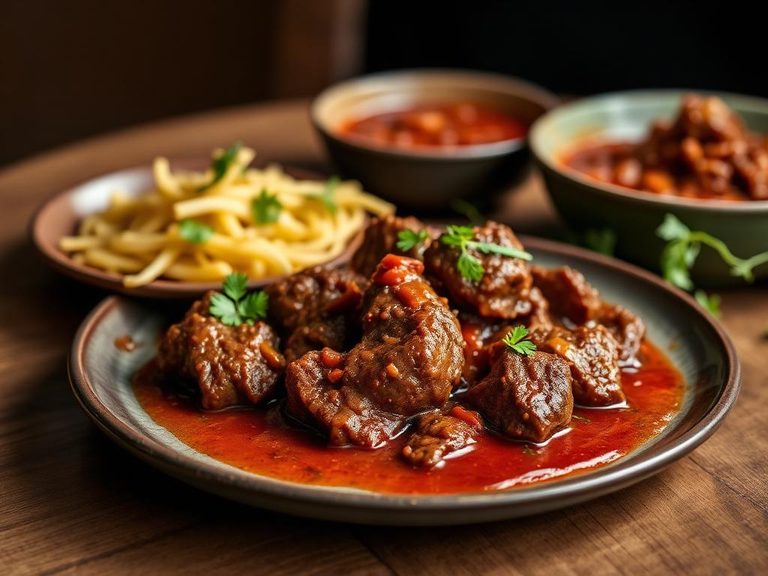
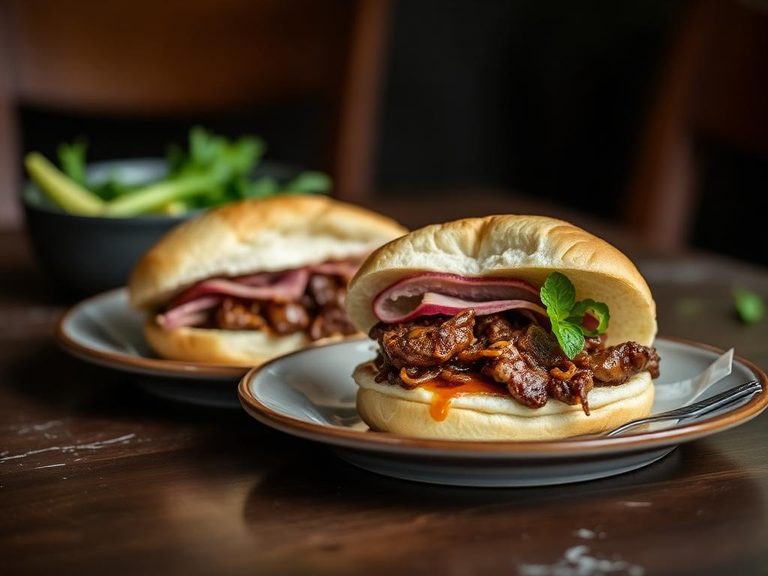
🍽️ Popular dishes
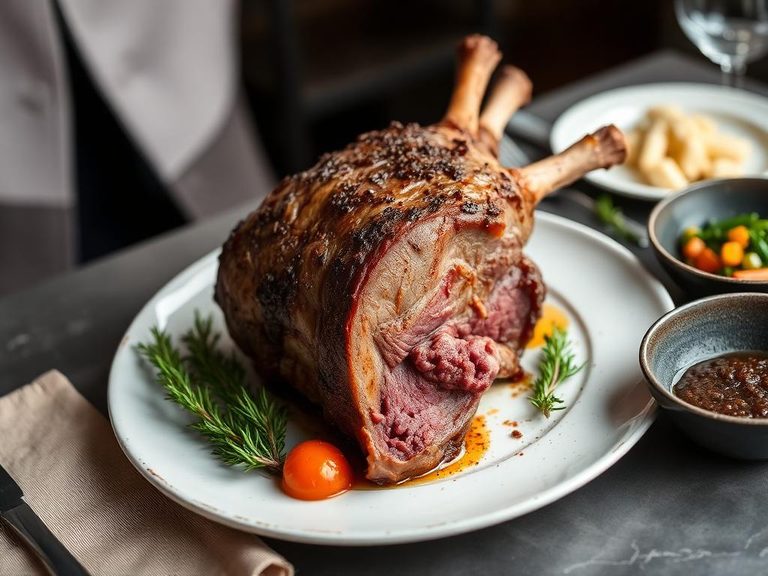
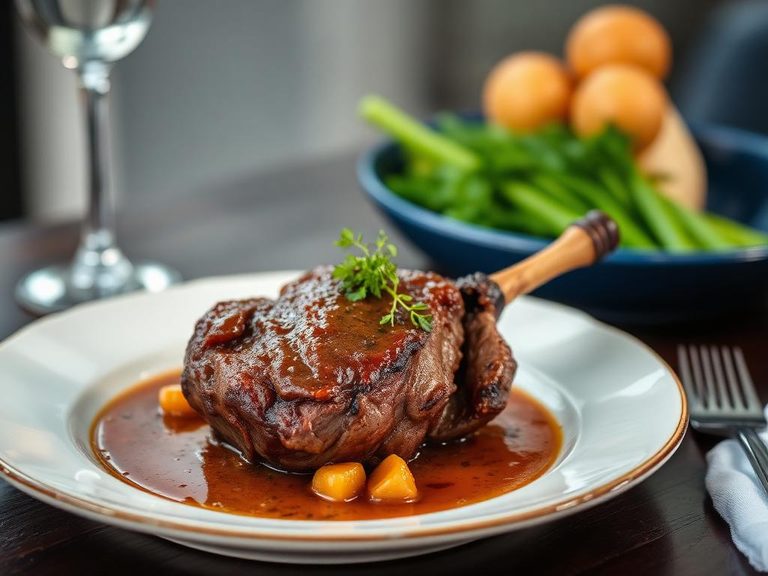
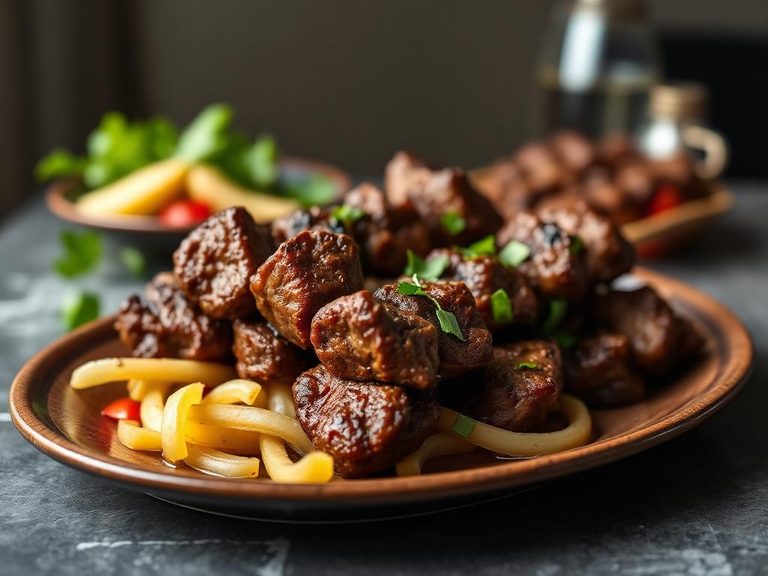
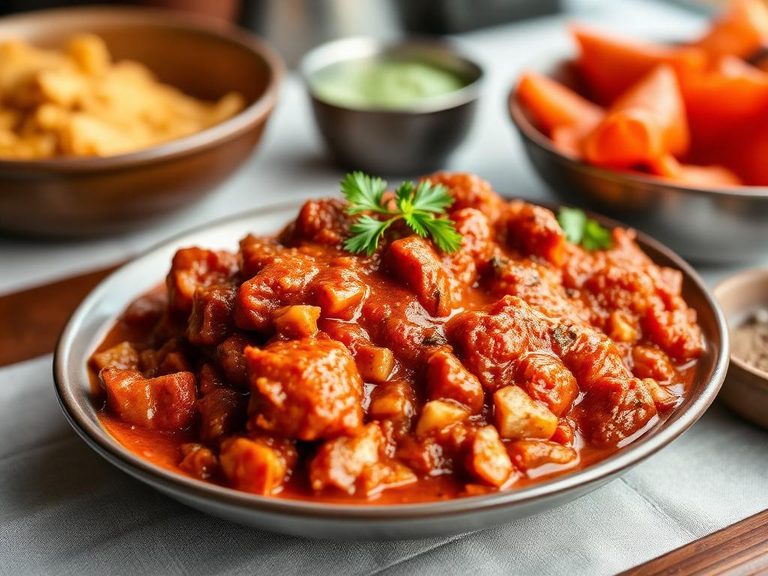
🌍 Where it's eaten
💡 Did you know?
The 'square-cut' shoulder is a butcher's term for a specific, blocky preparation of the shoulder that includes the blade bone, making it ideal for even roasting and impressive presentation.
Full nutrition (USDA data · scales with serving)
| Water | 61.1 g |
| Energy | 272 kcal |
| Energy | 1136 kj |
| Protein | 16.2 g |
| Total lipid (fat) | 22.9 g |
| Ash | 0.80 g |
| Carbohydrate, by difference | 0.24 g |
| Fiber, total dietary | 0.00 g |
| Total Sugars | 0.00 g |
| Calcium, Ca | 10.0 mg |
| Iron, Fe | 1.0 mg |
| Magnesium, Mg | 17.0 mg |
| Phosphorus, P | 147 mg |
| Potassium, K | 261 mg |
| Sodium, Na | 64.0 mg |
| Zinc, Zn | 2.9 mg |
| Copper, Cu | 0.08 mg |
| Manganese, Mn | 0.01 mg |
| Selenium, Se | 4.5 ug |
| Vitamin C, total ascorbic acid | 0.00 mg |
| Thiamin | 0.10 mg |
| Riboflavin | 0.13 mg |
| Niacin | 2.9 mg |
| Pantothenic acid | 0.25 mg |
| Vitamin B-6 | 0.12 mg |
| Folic acid | 0.00 ug |
| Vitamin B-12 | 1.9 ug |
| Vitamin A, RAE | 14.0 ug |
| Retinol | 14.0 ug |
| Carotene, beta | 0.00 ug |
| Carotene, alpha | 0.00 ug |
| Cryptoxanthin, beta | 0.00 ug |
| Vitamin A, IU | 46.0 iu |
| Lycopene | 0.00 ug |
| Lutein + zeaxanthin | 0.00 ug |
| Vitamin E (alpha-tocopherol) | 0.53 mg |
| Vitamin D (D2 + D3), International Units | 7.0 iu |
| Vitamin D (D2 + D3) | 0.20 ug |
| Vitamin D3 (cholecalciferol) | 0.20 ug |
| Alcohol, ethyl | 0.00 g |
| Caffeine | 0.00 mg |
| Theobromine | 0.00 mg |
Fat & fatty acid profile (per 100g)
| Fatty acids, total saturated | 9.9 g |
| SFA 4:0 | 0.00 g |
| SFA 6:0 | 0.00 g |
| SFA 8:0 | 0.00 g |
| SFA 10:0 | 0.03 g |
| SFA 12:0 | 0.04 g |
| SFA 14:0 | 0.51 g |
| SFA 16:0 | 3.8 g |
| SFA 17:0 | 0.43 g |
| SFA 18:0 | 5.0 g |
| SFA 20:0 | 0.02 g |
| SFA 22:0 | 0.04 g |
| SFA 24:0 | 0.00 g |
| Fatty acids, total monounsaturated | 6.6 g |
| MUFA 14:1 | 0.01 g |
| MUFA 15:1 | 0.00 g |
| MUFA 16:1 | 0.20 g |
| MUFA 16:1 c | 0.17 g |
| MUFA 17:1 | 0.00 g |
| MUFA 18:1 | 6.4 g |
| MUFA 18:1 c | 5.3 g |
| MUFA 20:1 | 0.01 g |
| MUFA 22:1 | 0.00 g |
| MUFA 22:1 c | 0.00 g |
| MUFA 24:1 c | 0.00 g |
| Fatty acids, total polyunsaturated | 0.97 g |
| PUFA 18:2 | 0.62 g |
| PUFA 18:2 n-6 c,c | 0.25 g |
| PUFA 18:2 CLAs | 0.36 g |
| PUFA 18:3 | 0.26 g |
| PUFA 18:3 n-3 c,c,c (ALA) | 0.26 g |
| PUFA 18:3 n-6 c,c,c | 0.00 g |
| PUFA 18:4 | 0.00 g |
| PUFA 20:2 n-6 c,c | 0.00 g |
| PUFA 20:3 | 0.00 g |
| PUFA 20:3 n-3 | 0.00 g |
| PUFA 20:3 n-6 | 0.00 g |
| PUFA 20:4 | 0.02 g |
| PUFA 20:4 n-6 | 0.02 g |
| PUFA 20:5 n-3 (EPA) | 0.01 g |
| PUFA 22:5 n-3 (DPA) | 0.03 g |
| PUFA 22:6 n-3 (DHA) | 0.04 g |
| Fatty acids, total trans | 1.2 g |
| Fatty acids, total trans-monoenoic | 1.2 g |
| TFA 16:1 t | 0.03 g |
| TFA 18:1 t | 1.1 g |
| TFA 18:2 t,t | 0.01 g |
| Fatty acids, total trans-polyenoic | 0.01 g |
| Cholesterol | 60.0 mg |
Amino acid profile (per 100g)
| Tryptophan | 0.18 g |
| Threonine | 0.77 g |
| Isoleucine | 0.72 g |
| Leucine | 1.2 g |
| Lysine | 1.4 g |
| Methionine | 0.53 g |
| Cystine | 0.21 g |
| Phenylalanine | 0.64 g |
| Tyrosine | 0.56 g |
| Valine | 0.82 g |
| Arginine | 1.1 g |
| Histidine | 0.34 g |
| Alanine | 0.80 g |
| Glutamic acid | 2.3 g |
| Glycine | 0.69 g |
| Proline | 0.52 g |
| Serine | 0.55 g |
FAQ
What's the best way to cook this cut?
Due to its marbling, it excels with slow, moist heat methods like braising, stewing, or low-temperature roasting. This breaks down connective tissue and renders the fat, resulting in tender, flavorful meat.
How does it differ from a leg of lamb?
The shoulder is a harder-working muscle with more connective tissue and fat, giving it a richer flavor but requiring longer cooking. The leg is leaner and more uniform, suitable for quicker roasting or grilling.
Is the fat on this cut edible?
Yes, the fat is integral to its flavor and moisture. When cooked properly, it renders and bastes the meat. You can choose to eat it or trim some away before or after cooking, depending on preference.
Nutrient density (calculated · NRF9.3)
Nutrient Rich Foods index: beneficial nutrients (protein, fiber, vitamins, minerals) minus saturated fat, added sugar & sodium, per 100 kcal.
NRF9.3 index — Fulgoni, Keast & Drewnowski, 2009. Computed from USDA nutrients.
Weight-loss friendliness (composite index)
Energy density 2.72 kcal/g · 24% calories from protein · 0.0 g fiber · 0.0 g sugar per 100 g.
Composite of energy density (Rolls et al., 1999), protein & fiber satiety, minus sugar. A calculated heuristic — ranks satiety-per-calorie, not a clinical measure.
Dietary load (calculated from USDA values)
Potential renal acid load. Positive = acid-forming, negative = alkaline-forming.
Sodium-to-potassium ratio: 0.25 (lower is better — aim for ≤ 1)
Sodium:potassium per WHO potassium guidance. Computed from USDA nutrients.