

Lamb, New Zealand, imported, square-cut shoulder chops, separable lean only, raw
Whole food · Lamb, Veal, and Game Products
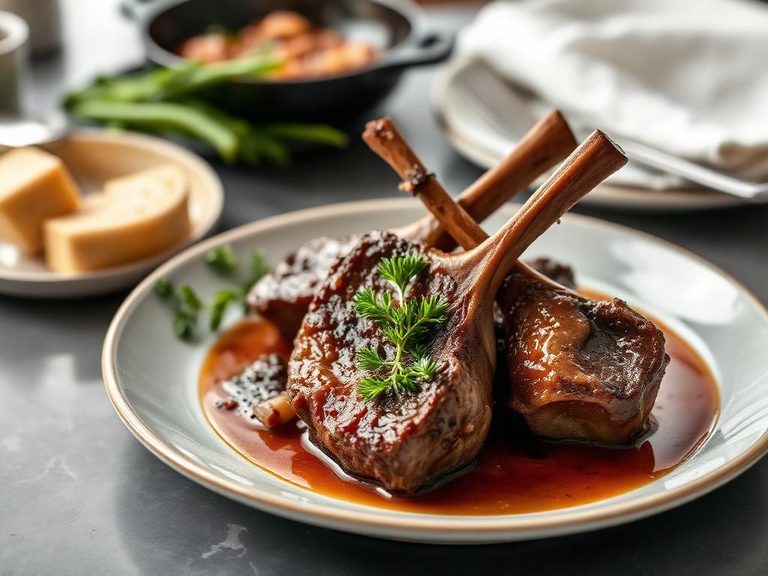
This is a lean, square-cut portion from the shoulder of New Zealand lamb, prized for its robust, slightly gamey flavor and a texture that becomes wonderfully tender when slow-cooked. With virtually no fat or carbohydrates, it's a pure, high-protein canvas for bold seasonings and cooking methods. Its nutritional profile is exceptionally lean, making it a standout choice for those focused on protein intake.
Calorie split: 50% protein · 0% carbs · 50% fat
↓ Full nutrition💚 Why it's loved
People love it for its deep, authentic lamb flavor that isn't overly fatty, making it a favorite for grilling, stews, and curries where the meat's character shines. Its square shape and consistent lean meat make for neat, attractive portions and versatile meal prep.
⚠️ Watch-outs & how to enjoy it better
The shoulder cut can be tougher than leg or loin if not cooked properly, requiring slow, moist heat methods like braising or stewing to achieve tenderness. As a red meat, it should be consumed in moderation by those monitoring saturated fat or cholesterol intake. Tip: To maximize tenderness, marinate with acidic ingredients (like yogurt or vinegar) or cook low-and-slow in liquid.
Key benefits
- Excellent source of high-quality protein (20.62g per 100g).
- Very low in fat (9.08g per 100g), especially for a red meat cut.
- Contains zero carbohydrates, sugars, or fiber.
- Provides essential minerals like zinc and iron.
- A nutrient-dense option for lean muscle maintenance.
🍽️ Popular dishes
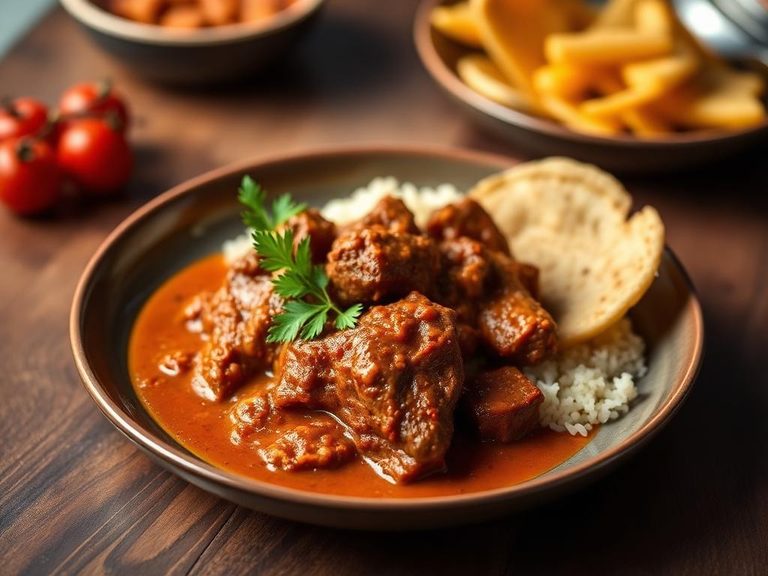
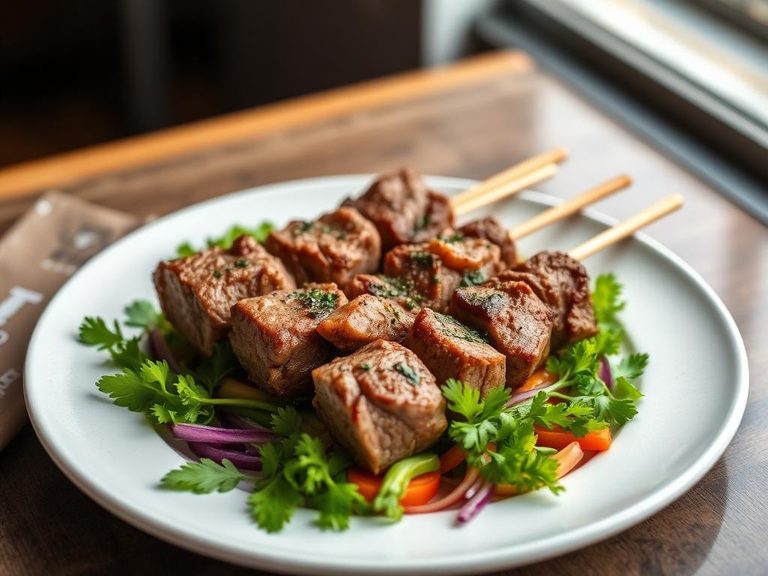
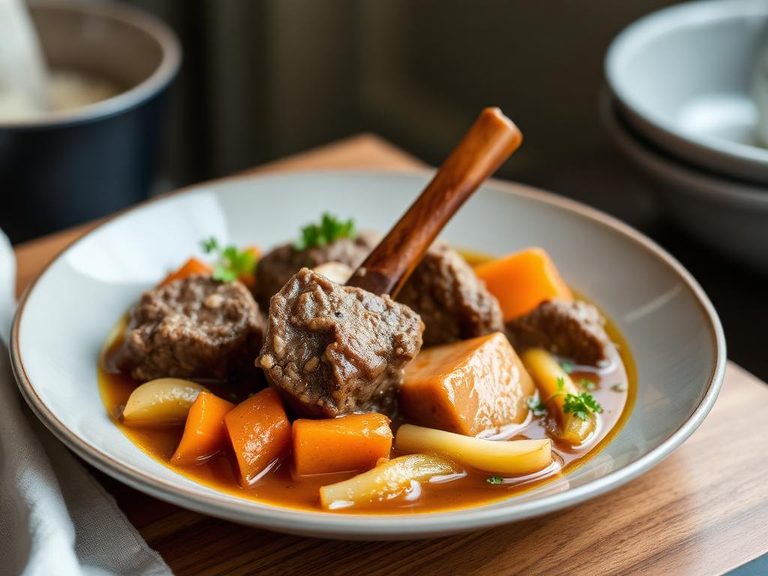
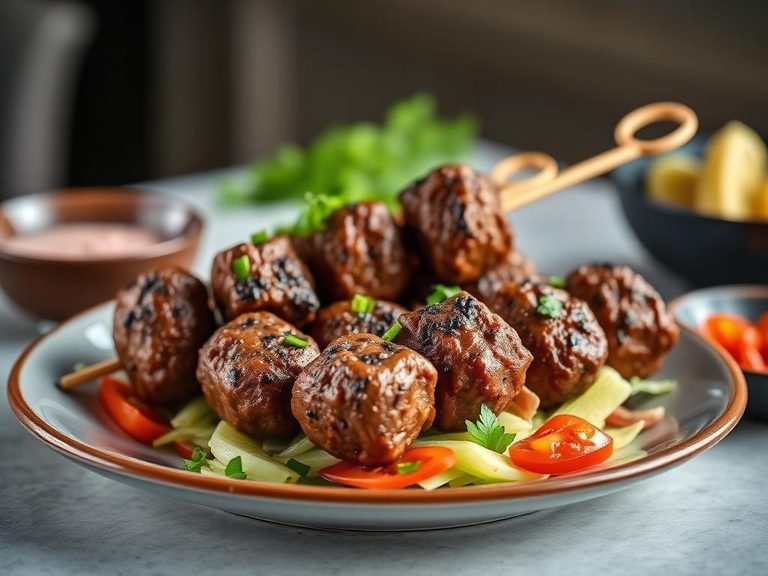
🌍 Where it's eaten
💡 Did you know?
New Zealand's sheep outnumber its humans by about 6 to 1, and the country's unique pasture-raised lamb is renowned globally for its consistent quality and mild, clean taste.
Full nutrition (USDA data · scales with serving)
| Water | 72.0 g |
| Energy | 164 kcal |
| Energy | 687 kj |
| Protein | 20.6 g |
| Total lipid (fat) | 9.1 g |
| Ash | 1.0 g |
| Carbohydrate, by difference | 0.00 g |
| Fiber, total dietary | 0.00 g |
| Total Sugars | 0.00 g |
| Calcium, Ca | 27.0 mg |
| Iron, Fe | 1.2 mg |
| Magnesium, Mg | 21.0 mg |
| Phosphorus, P | 189 mg |
| Potassium, K | 321 mg |
| Sodium, Na | 82.0 mg |
| Zinc, Zn | 3.3 mg |
| Copper, Cu | 0.09 mg |
| Manganese, Mn | 0.01 mg |
| Selenium, Se | 7.4 ug |
| Vitamin C, total ascorbic acid | 0.00 mg |
| Thiamin | 0.07 mg |
| Riboflavin | 0.18 mg |
| Niacin | 3.9 mg |
| Pantothenic acid | 0.28 mg |
| Vitamin B-6 | 0.06 mg |
| Vitamin B-12 | 2.5 ug |
| Vitamin A, RAE | 6.0 ug |
| Retinol | 6.0 ug |
| Carotene, beta | 0.00 ug |
| Carotene, alpha | 0.00 ug |
| Cryptoxanthin, beta | 0.00 ug |
| Vitamin A, IU | 21.0 iu |
| Lycopene | 0.00 ug |
| Lutein + zeaxanthin | 0.00 ug |
| Vitamin E (alpha-tocopherol) | 0.39 mg |
| Vitamin D (D2 + D3), International Units | 5.0 iu |
| Vitamin D (D2 + D3) | 0.10 ug |
| Vitamin D3 (cholecalciferol) | 0.10 ug |
| Alcohol, ethyl | 0.00 g |
| Caffeine | 0.00 mg |
| Theobromine | 0.00 mg |
Fat & fatty acid profile (per 100g)
| Fatty acids, total saturated | 2.8 g |
| SFA 4:0 | 0.00 g |
| SFA 6:0 | 0.00 g |
| SFA 8:0 | 0.00 g |
| SFA 10:0 | 0.01 g |
| SFA 12:0 | 0.01 g |
| SFA 14:0 | 0.17 g |
| SFA 16:0 | 1.2 g |
| SFA 17:0 | 0.11 g |
| SFA 18:0 | 1.2 g |
| SFA 20:0 | 0.01 g |
| SFA 22:0 | 0.01 g |
| SFA 24:0 | 0.00 g |
| Fatty acids, total monounsaturated | 2.3 g |
| MUFA 14:1 | 0.01 g |
| MUFA 15:1 | 0.00 g |
| MUFA 16:1 | 0.08 g |
| MUFA 16:1 c | 0.07 g |
| MUFA 17:1 | 0.00 g |
| MUFA 18:1 | 2.3 g |
| MUFA 18:1 c | 2.0 g |
| MUFA 20:1 | 0.00 g |
| MUFA 22:1 | 0.00 g |
| MUFA 22:1 c | 0.00 g |
| MUFA 24:1 c | 0.00 g |
| Fatty acids, total polyunsaturated | 0.42 g |
| PUFA 18:2 | 0.26 g |
| PUFA 18:2 n-6 c,c | 0.13 g |
| PUFA 18:2 CLAs | 0.13 g |
| PUFA 18:3 | 0.10 g |
| PUFA 18:3 n-3 c,c,c (ALA) | 0.10 g |
| PUFA 18:3 n-6 c,c,c | 0.00 g |
| PUFA 18:4 | 0.00 g |
| PUFA 20:2 n-6 c,c | 0.00 g |
| PUFA 20:3 | 0.00 g |
| PUFA 20:3 n-3 | 0.00 g |
| PUFA 20:3 n-6 | 0.00 g |
| PUFA 20:4 | 0.02 g |
| PUFA 20:4 n-6 | 0.02 g |
| PUFA 20:5 n-3 (EPA) | 0.02 g |
| PUFA 22:5 n-3 (DPA) | 0.02 g |
| PUFA 22:6 n-3 (DHA) | 0.00 g |
| Fatty acids, total trans | 0.30 g |
| Fatty acids, total trans-monoenoic | 0.30 g |
| TFA 16:1 t | 0.01 g |
| TFA 18:1 t | 0.29 g |
| TFA 18:2 t,t | 0.00 g |
| Fatty acids, total trans-polyenoic | 0.00 g |
| Cholesterol | 59.0 mg |
Amino acid profile (per 100g)
| Tryptophan | 0.23 g |
| Threonine | 0.98 g |
| Isoleucine | 0.92 g |
| Leucine | 1.6 g |
| Lysine | 1.8 g |
| Methionine | 0.67 g |
| Cystine | 0.27 g |
| Phenylalanine | 0.81 g |
| Tyrosine | 0.71 g |
| Valine | 1.1 g |
| Arginine | 1.4 g |
| Histidine | 0.44 g |
| Alanine | 1.0 g |
| Glutamic acid | 2.9 g |
| Glycine | 0.88 g |
| Proline | 0.66 g |
| Serine | 0.70 g |
FAQ
What's the best way to cook these lean chops to avoid them becoming tough?
Due to their leanness, they are best cooked with moist heat. Braise them slowly in a flavorful liquid (like broth, wine, or tomatoes) for 1.5-2 hours, or use them in a stew or curry. Quick, dry-heat methods like grilling require careful attention to avoid overcooking.
Is there a significant taste difference between this and lamb leg chops?
Yes. Shoulder chops have a slightly stronger, more pronounced lamb flavor and a bit more connective tissue, which develops rich flavor when slow-cooked. Leg chops are typically milder and more tender, suited for quicker cooking.
How does the 'separable lean only' label affect the meat?
It means all visible fat has been trimmed away, resulting in an exceptionally lean cut. This reduces the calorie and fat content significantly compared to untrimmed shoulder chops, but it also means the meat can dry out more easily without proper cooking techniques.
Nutrient density (calculated · NRF9.3)
Nutrient Rich Foods index: beneficial nutrients (protein, fiber, vitamins, minerals) minus saturated fat, added sugar & sodium, per 100 kcal.
NRF9.3 index — Fulgoni, Keast & Drewnowski, 2009. Computed from USDA nutrients.
Weight-loss friendliness (composite index)
Energy density 1.64 kcal/g · 50% calories from protein · 0.0 g fiber · 0.0 g sugar per 100 g.
Composite of energy density (Rolls et al., 1999), protein & fiber satiety, minus sugar. A calculated heuristic — ranks satiety-per-calorie, not a clinical measure.
Dietary load (calculated from USDA values)
Potential renal acid load. Positive = acid-forming, negative = alkaline-forming.
Sodium-to-potassium ratio: 0.26 (lower is better — aim for ≤ 1)
Sodium:potassium per WHO potassium guidance. Computed from USDA nutrients.