

Lamb, New Zealand, imported, leg chop/steak, bone-in, separable lean only, raw
Whole food · Lamb, Veal, and Game Products

Photo: Wikipedia
This lean, bone-in cut from New Zealand lamb offers a robust, slightly gamey flavor with a tender, fine-grained texture when cooked properly. It is exceptionally high in protein and very low in fat, making it a powerhouse for muscle maintenance and a leaner red meat option. The bone-in preparation adds depth to the flavor and helps retain moisture during cooking.
Calorie split: 67% protein · 0% carbs · 33% fat
↓ Full nutrition💚 Why it's loved
People love this cut for its rich, savory flavor that is less intense than some other lamb cuts, making it versatile for both simple grilling and slow-cooking methods. It is a staple in many cultures, from a classic Sunday roast to a quick pan-seared steak, prized for its satisfying, meaty character.
⚠️ Watch-outs & how to enjoy it better
While lean, it can become tough if overcooked due to its low fat content, so careful temperature control is key. Those monitoring saturated fat intake should note that while lean, red meat does contain some, so portion control is advisable. To counteract toughness, marinate the meat or use a cooking method like braising or slow-roasting to break down connective tissue.
Key benefits
- High-quality protein source (21.1g per 100g)
- Very low in carbohydrates and sugar
- Good source of B vitamins, particularly B12
- Contains iron and zinc in highly bioavailable forms
- Bone-in cut can enhance flavor and provide minerals during cooking
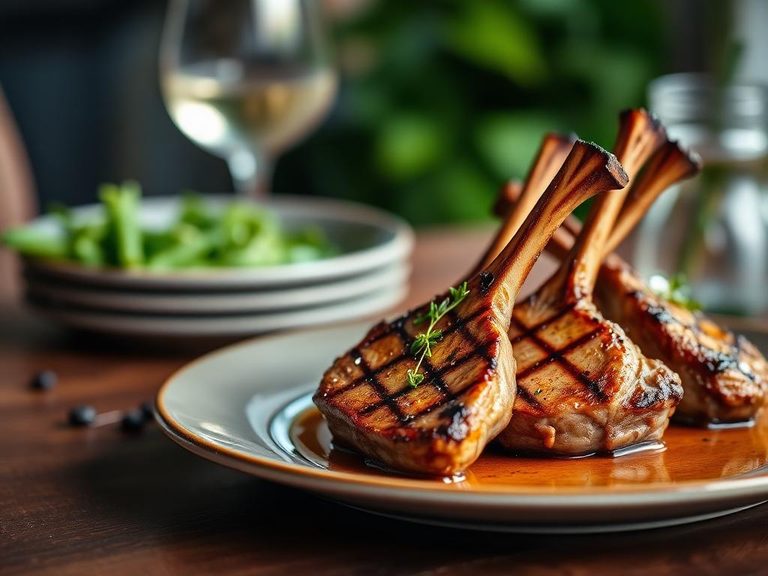
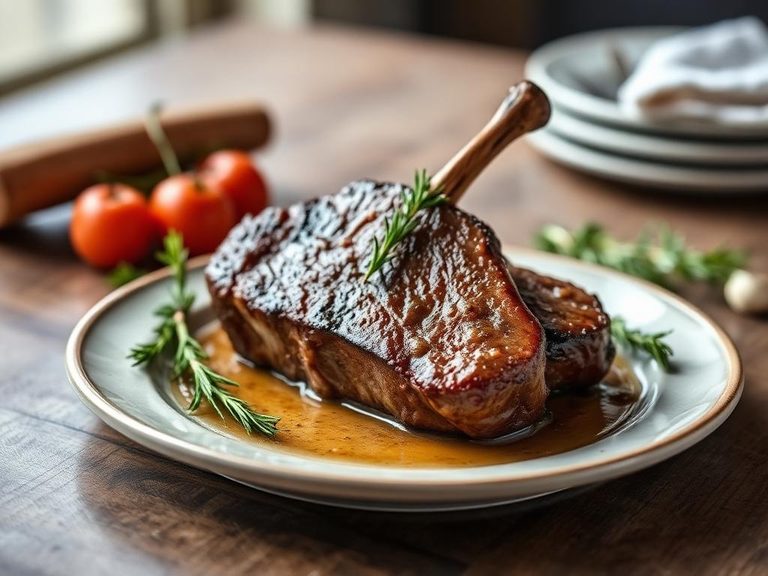
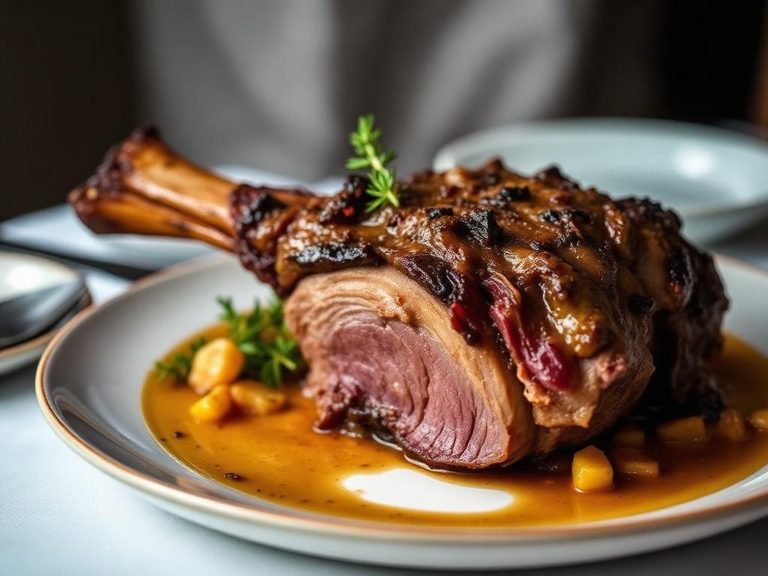
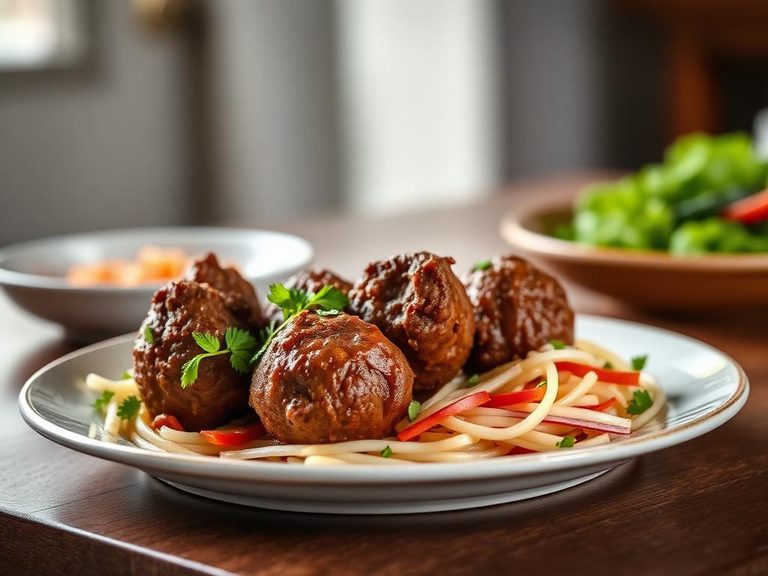
🍽️ Popular dishes

🌍 Where it's eaten
💡 Did you know?
New Zealand lamb is often considered 'spring lamb' due to the country's opposite seasons, meaning it is typically younger and more tender than lamb from the Northern Hemisphere.
Full nutrition (USDA data · scales with serving)
| Water | 74.3 g |
| Energy | 126 kcal |
| Energy | 528 kj |
| Protein | 21.1 g |
| Total lipid (fat) | 4.6 g |
| Ash | 1.1 g |
| Carbohydrate, by difference | 0.00 g |
| Fiber, total dietary | 0.00 g |
| Total Sugars | 0.00 g |
| Calcium, Ca | 11.0 mg |
| Iron, Fe | 1.6 mg |
| Magnesium, Mg | 24.0 mg |
| Phosphorus, P | 198 mg |
| Potassium, K | 350 mg |
| Sodium, Na | 64.0 mg |
| Zinc, Zn | 3.2 mg |
| Copper, Cu | 0.12 mg |
| Manganese, Mn | 0.01 mg |
| Selenium, Se | 3.2 ug |
| Vitamin C, total ascorbic acid | 0.00 mg |
| Thiamin | 0.17 mg |
| Riboflavin | 0.17 mg |
| Niacin | 5.2 mg |
| Pantothenic acid | 0.55 mg |
| Vitamin B-6 | 0.14 mg |
| Folic acid | 0.00 ug |
| Vitamin B-12 | 1.6 ug |
| Vitamin A, RAE | 3.0 ug |
| Retinol | 3.0 ug |
| Carotene, beta | 0.00 ug |
| Carotene, alpha | 0.00 ug |
| Cryptoxanthin, beta | 0.00 ug |
| Vitamin A, IU | 9.0 iu |
| Lycopene | 0.00 ug |
| Lutein + zeaxanthin | 0.00 ug |
| Vitamin E (alpha-tocopherol) | 0.14 mg |
| Vitamin D (D2 + D3), International Units | 1.0 iu |
| Vitamin D (D2 + D3) | 0.00 ug |
| Vitamin D3 (cholecalciferol) | 0.00 ug |
| Alcohol, ethyl | 0.00 g |
| Caffeine | 0.00 mg |
| Theobromine | 0.00 mg |
Fat & fatty acid profile (per 100g)
| Fatty acids, total saturated | 1.5 g |
| SFA 4:0 | 0.00 g |
| SFA 6:0 | 0.00 g |
| SFA 8:0 | 0.00 g |
| SFA 10:0 | 0.01 g |
| SFA 12:0 | 0.01 g |
| SFA 14:0 | 0.13 g |
| SFA 16:0 | 0.76 g |
| SFA 17:0 | 0.06 g |
| SFA 18:0 | 0.54 g |
| SFA 20:0 | 0.00 g |
| SFA 22:0 | 0.00 g |
| SFA 24:0 | 0.00 g |
| Fatty acids, total monounsaturated | 1.4 g |
| MUFA 14:1 | 0.01 g |
| MUFA 15:1 | 0.00 g |
| MUFA 16:1 | 0.07 g |
| MUFA 16:1 c | 0.05 g |
| MUFA 17:1 | 0.00 g |
| MUFA 18:1 | 1.3 g |
| MUFA 18:1 c | 1.1 g |
| MUFA 20:1 | 0.00 g |
| MUFA 22:1 | 0.00 g |
| MUFA 22:1 c | 0.00 g |
| MUFA 24:1 c | 0.00 g |
| Fatty acids, total polyunsaturated | 0.33 g |
| PUFA 18:2 | 0.18 g |
| PUFA 18:2 n-6 c,c | 0.10 g |
| PUFA 18:2 CLAs | 0.08 g |
| PUFA 18:3 | 0.07 g |
| PUFA 18:3 n-3 c,c,c (ALA) | 0.07 g |
| PUFA 18:3 n-6 c,c,c | 0.00 g |
| PUFA 18:4 | 0.00 g |
| PUFA 20:2 n-6 c,c | 0.00 g |
| PUFA 20:3 | 0.00 g |
| PUFA 20:3 n-3 | 0.00 g |
| PUFA 20:3 n-6 | 0.00 g |
| PUFA 20:4 | 0.03 g |
| PUFA 20:4 n-6 | 0.03 g |
| PUFA 20:5 n-3 (EPA) | 0.02 g |
| PUFA 22:5 n-3 (DPA) | 0.02 g |
| PUFA 22:6 n-3 (DHA) | 0.01 g |
| Fatty acids, total trans | 0.17 g |
| Fatty acids, total trans-monoenoic | 0.17 g |
| TFA 16:1 t | 0.01 g |
| TFA 18:1 t | 0.16 g |
| TFA 18:2 t,t | 0.00 g |
| Fatty acids, total trans-polyenoic | 0.00 g |
| Cholesterol | 66.0 mg |
Amino acid profile (per 100g)
| Tryptophan | 0.23 g |
| Threonine | 1.0 g |
| Isoleucine | 0.94 g |
| Leucine | 1.6 g |
| Lysine | 1.8 g |
| Methionine | 0.69 g |
| Cystine | 0.28 g |
| Phenylalanine | 0.83 g |
| Tyrosine | 0.73 g |
| Valine | 1.1 g |
| Arginine | 1.4 g |
| Histidine | 0.45 g |
| Alanine | 1.0 g |
| Glutamic acid | 2.9 g |
| Glycine | 0.90 g |
| Proline | 0.68 g |
| Serine | 0.72 g |
FAQ
How do I prevent a lean lamb leg chop from drying out?
Avoid overcooking; aim for an internal temperature of 145°F (63°C) for medium-rare. Let it rest for 5-10 minutes after cooking to allow juices to redistribute. Marinating beforehand can also add moisture and flavor.
Is this cut suitable for a low-fat diet?
Yes, with only 4.64g of fat per 100g, it is one of the leaner red meat options. However, it still contains some saturated fat, so it should be consumed in moderation as part of a balanced diet.
What is the best way to cook a bone-in lamb leg steak?
Pan-searing or grilling are excellent methods. For a thicker steak, sear it first, then finish in the oven at 375°F (190°C) until it reaches your desired doneness. The bone helps conduct heat and adds flavor.
Nutrient density (calculated · NRF9.3)
Nutrient Rich Foods index: beneficial nutrients (protein, fiber, vitamins, minerals) minus saturated fat, added sugar & sodium, per 100 kcal.
NRF9.3 index — Fulgoni, Keast & Drewnowski, 2009. Computed from USDA nutrients.
Weight-loss friendliness (composite index)
Energy density 1.26 kcal/g · 67% calories from protein · 0.0 g fiber · 0.0 g sugar per 100 g.
Composite of energy density (Rolls et al., 1999), protein & fiber satiety, minus sugar. A calculated heuristic — ranks satiety-per-calorie, not a clinical measure.
Dietary load (calculated from USDA values)
Potential renal acid load. Positive = acid-forming, negative = alkaline-forming.
Sodium-to-potassium ratio: 0.18 (lower is better — aim for ≤ 1)
Sodium:potassium per WHO potassium guidance. Computed from USDA nutrients.