

Elk, free range, ground, cooked patties (Shoshone Bannock)
Whole food · American Indian/Alaska Native Foods

Photo: Wikipedia
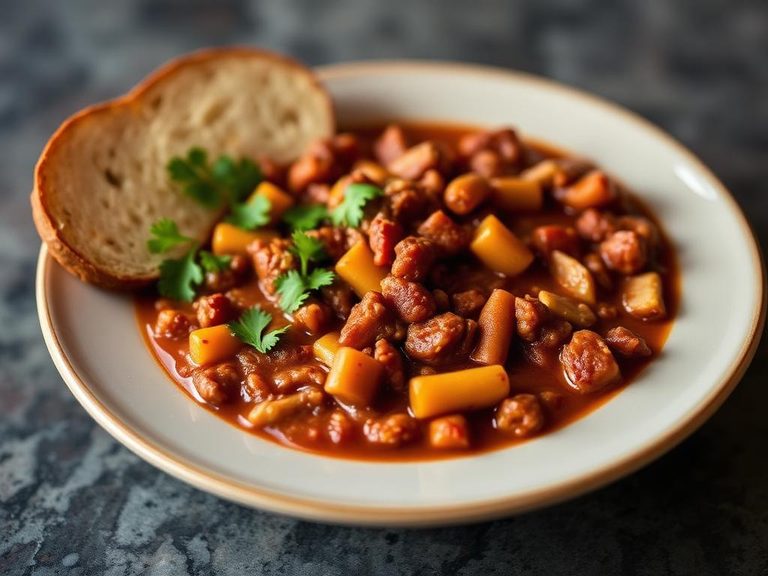
This is lean, free-range ground elk formed into cooked patties, a specialty of the Shoshone-Bannock tribes. It has a rich, clean, slightly sweet game flavor and a dense, fine-grained texture, distinct from beef. Nutritionally, it is exceptionally high in protein and very low in fat, making it a powerhouse of lean nutrition.
Calorie split: 82% protein · 0% carbs · 18% fat
↓ Full nutrition💚 Why it's loved
People love it for its deep, savory flavor that's more complex than beef but without being gamey, and its incredible versatility in both traditional and modern recipes. It's a prized, sustainable protein that connects diners to a heritage of wild game harvesting.
⚠️ Watch-outs & how to enjoy it better
The very leanness can lead to dry, tough patties if overcooked, which is a common pitfall. To counteract this, mix in a small amount of fat (like suet or olive oil) before cooking, or ensure you don't cook past medium. Those with iron overload conditions should also be mindful of its high iron content.
Key benefits
- Extremely high in complete protein (29.45g per 100g)
- Very low in fat and calories, supporting lean muscle maintenance
- Source of iron and B vitamins, particularly B12
- Free-range sourcing often implies a more natural diet and lifestyle
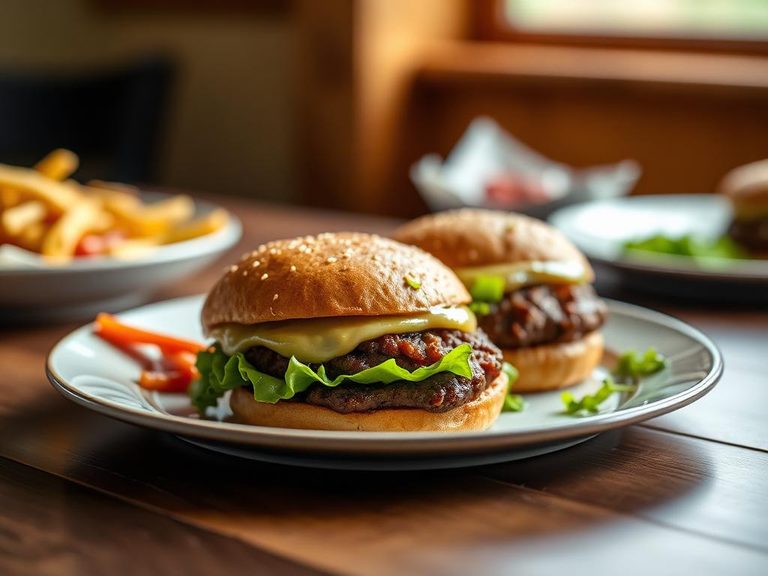
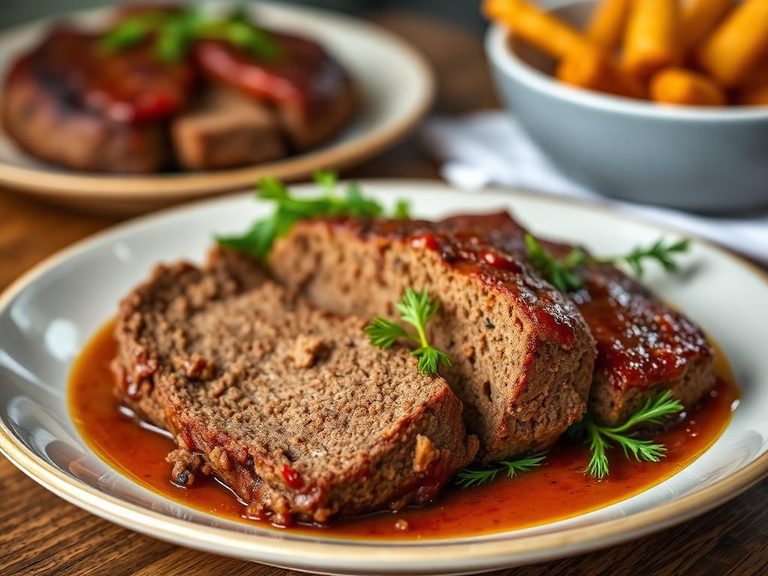
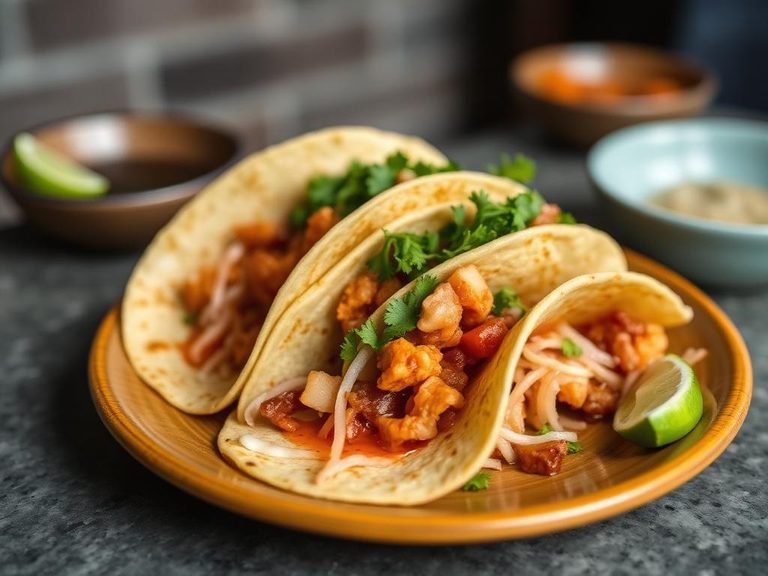
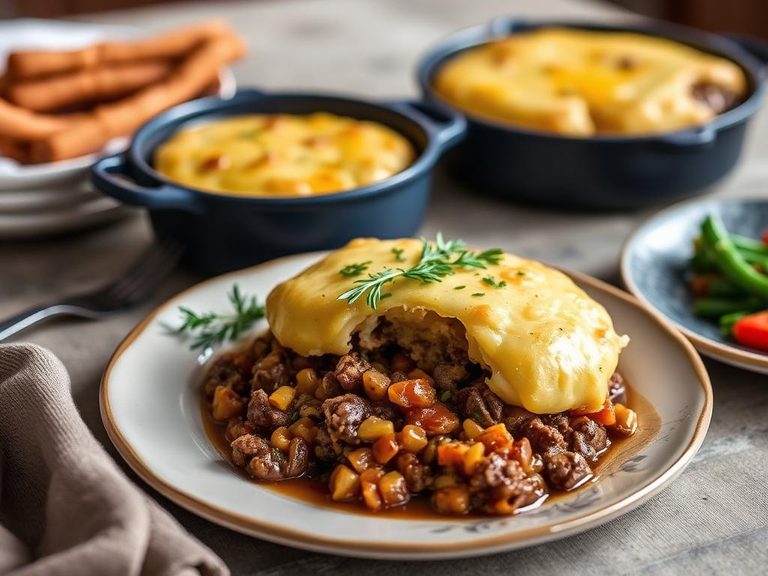
🍽️ Popular dishes
🌍 Where it's eaten
💡 Did you know?
Elk meat is so lean that it's often compared to skinless chicken breast in fat content, yet it delivers a robust, beef-like flavor that's much more intense.
Full nutrition (USDA data · scales with serving)
| Water | 67.8 g |
| Energy | 143 kcal |
| Energy | 598 kj |
| Protein | 29.4 g |
| Total lipid (fat) | 2.8 g |
| Ash | 0.78 g |
| Carbohydrate, by difference | 0.00 g |
| Total Sugars | 0.00 g |
| Sucrose | 0.00 g |
| Glucose | 0.00 g |
| Fructose | 0.00 g |
| Lactose | 0.00 g |
| Maltose | 0.00 g |
| Galactose | 0.00 g |
| Starch | 0.00 g |
| Calcium, Ca | 5.0 mg |
| Iron, Fe | 9.1 mg |
| Magnesium, Mg | 26.0 mg |
| Phosphorus, P | 236 mg |
| Potassium, K | 379 mg |
| Sodium, Na | 56.0 mg |
| Zinc, Zn | 7.8 mg |
| Copper, Cu | 0.20 mg |
| Manganese, Mn | 0.04 mg |
| Selenium, Se | 23.5 ug |
| Vitamin C, total ascorbic acid | 0.00 mg |
| Thiamin | 0.17 mg |
| Riboflavin | 0.50 mg |
| Niacin | 7.8 mg |
| Pantothenic acid | 1.0 mg |
| Vitamin B-6 | 0.78 mg |
| Folate, total | 1.0 ug |
| Folic acid | 0.00 ug |
| Folate, food | 1.0 ug |
| Folate, DFE | 1.0 ug |
| Vitamin B-12 | 4.3 ug |
| Vitamin B-12, added | 0.00 ug |
| Vitamin A, RAE | 0.00 ug |
| Carotene, beta | 0.00 ug |
| Carotene, alpha | 0.00 ug |
| Cryptoxanthin, beta | 0.00 ug |
| Vitamin A, IU | 0.00 iu |
| Lycopene | 0.00 ug |
| Lutein + zeaxanthin | 0.00 ug |
| Vitamin E (alpha-tocopherol) | 0.79 mg |
| Vitamin E, added | 0.00 mg |
| Tocopherol, beta | 0.00 mg |
| Tocopherol, gamma | 0.00 mg |
| Tocopherol, delta | 0.00 mg |
| Tocotrienol, alpha | 0.00 mg |
| Tocotrienol, beta | 0.00 mg |
| Tocotrienol, gamma | 0.00 mg |
| Tocotrienol, delta | 0.00 mg |
| Alcohol, ethyl | 0.00 g |
Fat & fatty acid profile (per 100g)
| Fatty acids, total saturated | 1.1 g |
| SFA 8:0 | 0.00 g |
| SFA 10:0 | 0.00 g |
| SFA 12:0 | 0.00 g |
| SFA 14:0 | 0.09 g |
| SFA 15:0 | 0.02 g |
| SFA 16:0 | 0.71 g |
| SFA 17:0 | 0.02 g |
| SFA 18:0 | 0.29 g |
| SFA 20:0 | 0.00 g |
| SFA 22:0 | 0.00 g |
| Fatty acids, total monounsaturated | 0.95 g |
| MUFA 14:1 | 0.04 g |
| MUFA 15:1 | 0.00 g |
| MUFA 16:1 | 0.29 g |
| MUFA 17:1 | 0.00 g |
| MUFA 18:1 | 0.62 g |
| MUFA 18:1 c | 0.59 g |
| MUFA 20:1 | 0.01 g |
| Fatty acids, total polyunsaturated | 0.24 g |
| PUFA 18:2 | 0.15 g |
| PUFA 18:2 n-6 c,c | 0.12 g |
| PUFA 18:3 | 0.05 g |
| PUFA 18:3 n-3 c,c,c (ALA) | 0.05 g |
| PUFA 18:3 n-6 c,c,c | 0.00 g |
| PUFA 20:2 n-6 c,c | 0.00 g |
| PUFA 20:3 | 0.01 g |
| PUFA 20:4 | 0.03 g |
| Fatty acids, total trans | 0.07 g |
| Fatty acids, total trans-monoenoic | 0.03 g |
| TFA 18:1 t | 0.03 g |
| TFA 18:2 t,t | 0.03 g |
| Fatty acids, total trans-polyenoic | 0.03 g |
| Cholesterol | 70.0 mg |
Amino acid profile (per 100g)
| Tryptophan | 0.27 g |
| Threonine | 1.2 g |
| Isoleucine | 1.4 g |
| Leucine | 2.6 g |
| Lysine | 2.3 g |
| Methionine | 0.91 g |
| Cystine | 0.36 g |
| Phenylalanine | 1.3 g |
| Tyrosine | 1.1 g |
| Valine | 1.5 g |
| Arginine | 2.0 g |
| Histidine | 1.00 g |
| Alanine | 1.9 g |
| Aspartic acid | 2.9 g |
| Glutamic acid | 4.9 g |
| Glycine | 1.5 g |
| Proline | 1.3 g |
| Serine | 1.4 g |
FAQ
How does elk taste compared to beef?
Elk has a cleaner, slightly sweeter, and more pronounced 'meaty' flavor than beef. It's often described as richer and less fatty, without the strong gamey taste some associate with venison.
Why is my elk burger always dry?
Because it's extremely low in fat (2.8g per 100g), it cooks very quickly and can dry out. Mix in a tablespoon of olive oil or grated frozen butter per pound of meat, and cook only to medium (160°F/71°C) for juicy results.
Is free-range elk more nutritious?
Free-range elk typically have a more varied natural diet, which can result in a slightly different fatty acid profile (more omega-3s) and potentially higher levels of certain antioxidants compared to farm-raised elk on a controlled grain diet.
Nutrient density (calculated · NRF9.3)
Nutrient Rich Foods index: beneficial nutrients (protein, fiber, vitamins, minerals) minus saturated fat, added sugar & sodium, per 100 kcal.
NRF9.3 index — Fulgoni, Keast & Drewnowski, 2009. Computed from USDA nutrients.
Weight-loss friendliness (composite index)
Energy density 1.43 kcal/g · 82% calories from protein · 0.0 g fiber · 0.0 g sugar per 100 g.
Composite of energy density (Rolls et al., 1999), protein & fiber satiety, minus sugar. A calculated heuristic — ranks satiety-per-calorie, not a clinical measure.
Dietary load (calculated from USDA values)
Potential renal acid load. Positive = acid-forming, negative = alkaline-forming.
Sodium-to-potassium ratio: 0.15 (lower is better — aim for ≤ 1)
Sodium:potassium per WHO potassium guidance. Computed from USDA nutrients.