

Beef, variety meats and by-products, kidneys, cooked, simmered
Whole food · Beef Products

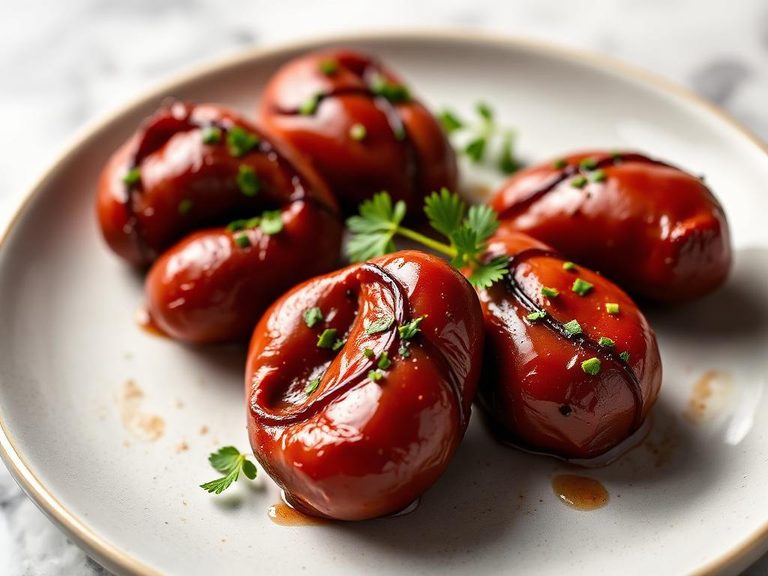
Photo: Wikipedia
Beef kidneys are a nutrient-dense organ meat with a distinct, slightly mineral flavor and a tender, smooth texture when properly simmered. They are exceptionally high in protein while being virtually carbohydrate-free, making them a powerful choice for low-carb or high-protein diets. Their unique taste and texture set them apart from muscle meats, offering a rich, savory experience.
Calorie split: 72% protein · 0% carbs · 28% fat
↓ Full nutrition💚 Why it's loved
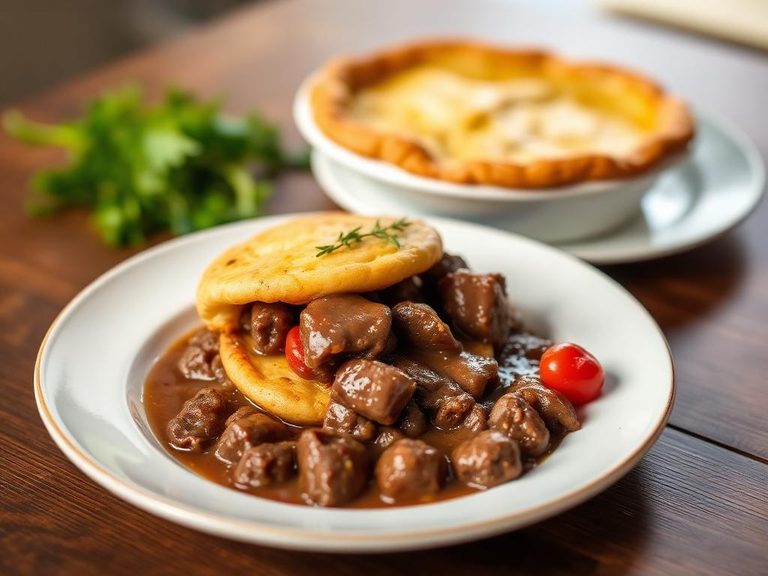
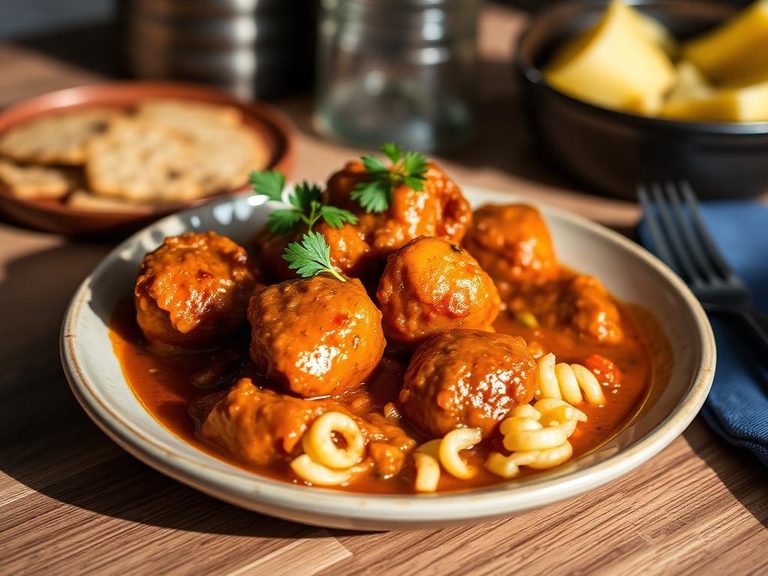
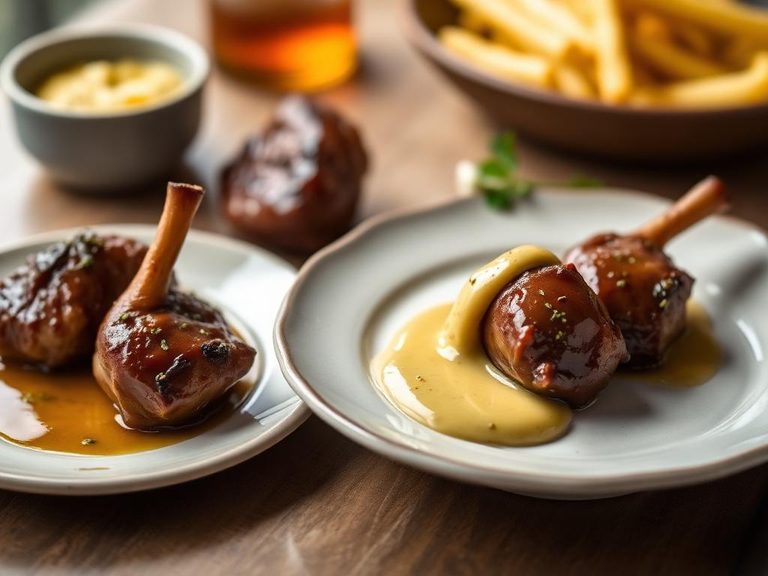
People love beef kidneys for their intense, savory umami flavor and satisfying, melt-in-the-mouth texture when cooked correctly. They are prized in many cuisines as a hearty, affordable, and nutrient-packed centerpiece for dishes like stews and curries.
⚠️ Watch-outs & how to enjoy it better
The primary drawback is their strong, distinctive flavor and aroma, which can be off-putting to those accustomed to milder meats. They also contain purines, which individuals with gout or certain kidney conditions may need to limit. To mitigate flavor, soak sliced kidneys in milk or salted water before cooking; for purines, ensure proper portion control and avoid consuming large amounts frequently.
Key benefits
- Extremely high in complete protein per calorie.
- Excellent source of B vitamins, especially B12 and riboflavin.
- Rich in selenium, an important antioxidant mineral.
- Contains significant amounts of iron and zinc.
- Very low in carbohydrates and sugars.
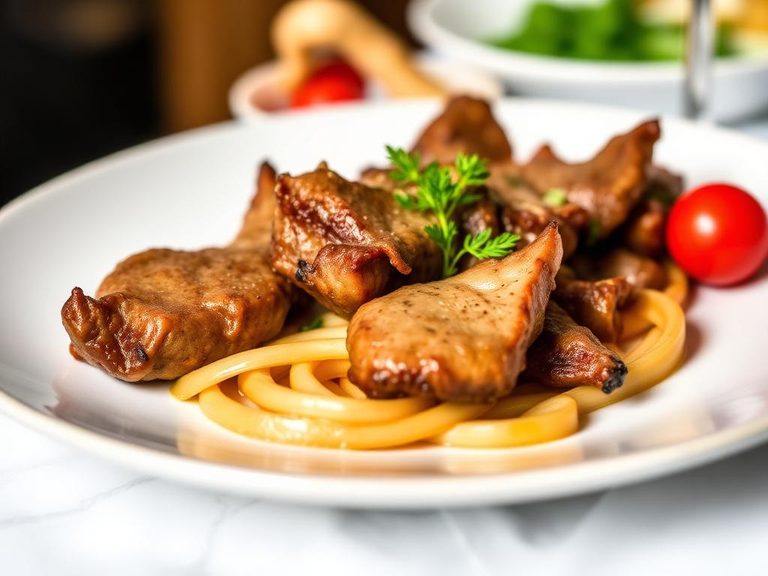
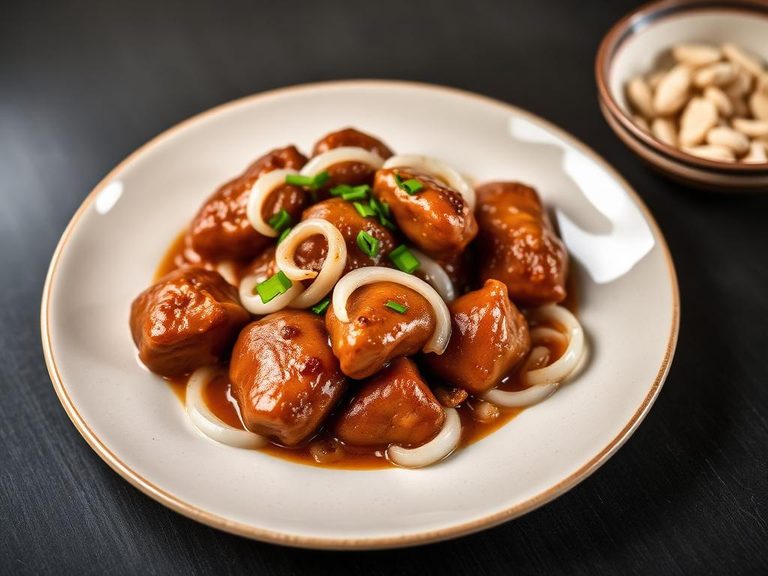
🍽️ Popular dishes
🌍 Where it's eaten
💡 Did you know?
A single beef kidney is naturally divided into two distinct lobes, each with its own set of filtration units, making it look like two separate organs fused together.
Full nutrition (USDA data · scales with serving)
| Water | 66.9 g |
| Energy | 158 kcal |
| Energy | 663 kj |
| Protein | 27.3 g |
| Total lipid (fat) | 4.7 g |
| Ash | 1.3 g |
| Carbohydrate, by difference | 0.00 g |
| Fiber, total dietary | 0.00 g |
| Total Sugars | 0.00 g |
| Calcium, Ca | 19.0 mg |
| Iron, Fe | 5.8 mg |
| Magnesium, Mg | 12.0 mg |
| Phosphorus, P | 304 mg |
| Potassium, K | 135 mg |
| Sodium, Na | 94.0 mg |
| Zinc, Zn | 2.8 mg |
| Copper, Cu | 0.56 mg |
| Manganese, Mn | 0.18 mg |
| Selenium, Se | 168 ug |
| Vitamin C, total ascorbic acid | 0.00 mg |
| Thiamin | 0.16 mg |
| Riboflavin | 3.0 mg |
| Niacin | 3.9 mg |
| Pantothenic acid | 1.6 mg |
| Vitamin B-6 | 0.39 mg |
| Folate, total | 83.0 ug |
| Folic acid | 0.00 ug |
| Folate, food | 83.0 ug |
| Folate, DFE | 83.0 ug |
| Choline, total | 513 mg |
| Vitamin B-12 | 24.9 ug |
| Vitamin B-12, added | 0.00 ug |
| Vitamin A, RAE | 0.00 ug |
| Retinol | 0.00 ug |
| Carotene, beta | 0.00 ug |
| Carotene, alpha | 0.00 ug |
| Cryptoxanthin, beta | 0.00 ug |
| Vitamin A, IU | 0.00 iu |
| Lycopene | 23.0 ug |
| Lutein + zeaxanthin | 0.00 ug |
| Vitamin E (alpha-tocopherol) | 0.08 mg |
| Vitamin E, added | 0.00 mg |
| Tocopherol, beta | 0.00 mg |
| Tocopherol, gamma | 0.00 mg |
| Tocopherol, delta | 0.00 mg |
| Tocotrienol, alpha | 0.03 mg |
| Tocotrienol, beta | 0.00 mg |
| Tocotrienol, gamma | 0.00 mg |
| Tocotrienol, delta | 0.00 mg |
| Vitamin D (D2 + D3), International Units | 45.0 iu |
| Vitamin D (D2 + D3) | 1.1 ug |
| Vitamin D3 (cholecalciferol) | 1.1 ug |
| Vitamin K (phylloquinone) | 0.00 ug |
| Alcohol, ethyl | 0.00 g |
| Caffeine | 0.00 mg |
| Theobromine | 0.00 mg |
Fat & fatty acid profile (per 100g)
| Fatty acids, total saturated | 1.4 g |
| SFA 4:0 | 0.00 g |
| SFA 6:0 | 0.00 g |
| SFA 8:0 | 0.00 g |
| SFA 10:0 | 0.00 g |
| SFA 12:0 | 0.00 g |
| SFA 14:0 | 0.02 g |
| SFA 15:0 | 0.02 g |
| SFA 16:0 | 0.65 g |
| SFA 17:0 | 0.04 g |
| SFA 18:0 | 0.62 g |
| SFA 20:0 | 0.02 g |
| SFA 22:0 | 0.08 g |
| Fatty acids, total monounsaturated | 0.96 g |
| MUFA 14:1 | 0.00 g |
| MUFA 15:1 | 0.00 g |
| MUFA 16:1 | 0.07 g |
| MUFA 18:1 | 0.87 g |
| MUFA 20:1 | 0.02 g |
| MUFA 22:1 | 0.00 g |
| Fatty acids, total polyunsaturated | 1.1 g |
| PUFA 18:2 | 0.63 g |
| PUFA 18:3 | 0.02 g |
| PUFA 18:3 n-3 c,c,c (ALA) | 0.01 g |
| PUFA 18:3 n-6 c,c,c | 0.01 g |
| PUFA 18:4 | 0.00 g |
| PUFA 20:2 n-6 c,c | 0.03 g |
| PUFA 20:3 | 0.00 g |
| PUFA 20:4 | 0.44 g |
| PUFA 20:5 n-3 (EPA) | 0.00 g |
| PUFA 22:5 n-3 (DPA) | 0.00 g |
| PUFA 22:6 n-3 (DHA) | 0.00 g |
| Fatty acids, total trans | 0.27 g |
| Cholesterol | 716 mg |
Amino acid profile (per 100g)
Estimated from Beef, variety meats and by-products, mechanically separated beef, raw — USDA does not publish this profile for Beef.
| Tryptophan | 0.17 g |
| Threonine | 0.47 g |
| Isoleucine | 0.58 g |
| Leucine | 1.2 g |
| Lysine | 1.2 g |
| Methionine | 0.43 g |
| Cystine | 0.23 g |
| Phenylalanine | 0.64 g |
| Tyrosine | 0.38 g |
| Valine | 0.92 g |
| Arginine | 1.2 g |
| Histidine | 0.44 g |
| Alanine | 1.0 g |
| Aspartic acid | 1.3 g |
| Glutamic acid | 2.1 g |
| Glycine | 1.2 g |
| Proline | 0.92 g |
| Serine | 0.57 g |
FAQ
How do I prepare beef kidneys to reduce their strong flavor?
Soaking sliced kidneys in cold milk, salted water, or water with a splash of vinegar for 1-2 hours before cooking helps draw out impurities and milder the taste. Patting them dry thoroughly before searing is also key.
Are beef kidneys safe to eat?
Yes, when sourced from healthy animals and cooked to a safe internal temperature (160°F or 71°C). As an organ meat, they can concentrate certain nutrients and compounds, so moderation is advised for a balanced diet.
What's the best cooking method for tender kidneys?
Quick, high-heat methods like sautéing, grilling, or pan-frying are ideal for tender cuts. For tougher kidneys, slow simmering in stews or curries breaks down connective tissue, resulting in a tender texture.
Nutrient density (calculated · NRF9.3)
Nutrient Rich Foods index: beneficial nutrients (protein, fiber, vitamins, minerals) minus saturated fat, added sugar & sodium, per 100 kcal.
NRF9.3 index — Fulgoni, Keast & Drewnowski, 2009. Computed from USDA nutrients.
Weight-loss friendliness (composite index)
Energy density 1.58 kcal/g · 69% calories from protein · 0.0 g fiber · 0.0 g sugar per 100 g.
Composite of energy density (Rolls et al., 1999), protein & fiber satiety, minus sugar. A calculated heuristic — ranks satiety-per-calorie, not a clinical measure.
Dietary load (calculated from USDA values)
Potential renal acid load. Positive = acid-forming, negative = alkaline-forming.
Sodium-to-potassium ratio: 0.70 (lower is better — aim for ≤ 1)
Sodium:potassium per WHO potassium guidance. Computed from USDA nutrients.