

Beef, New Zealand, imported, manufacturing beef, cooked, boiled
Whole food · Beef Products

Photo: Wikipedia
New Zealand manufacturing beef, boiled, is a lean, protein-dense cut with a mild, savory flavor and a firm, slightly chewy texture. Its minimal fat content (3.26g per 100g) makes it a clean, versatile ingredient for soups, stews, and stir-fries. With 24.21g of protein per 100g, it's a powerhouse for muscle maintenance and satiety.
Calorie split: 77% protein · 0% carbs · 23% fat
↓ Full nutrition💚 Why it's loved
People love it for its clean, meaty flavor that absorbs sauces and spices beautifully, making it a staple in hearty, comforting dishes. Its high protein and low fat content also appeal to those seeking a lean, satisfying meal without excess calories.
⚠️ Watch-outs & how to enjoy it better
The lean texture can become dry or tough if overcooked, and it may lack the rich marbling some prefer for tenderness. To counteract dryness, cook it slowly in liquid (like in a stew) or slice it thinly against the grain for stir-fries; pair with a sauce or fat like olive oil to enhance moisture and flavor.
Key benefits
- High-quality protein for muscle repair and growth
- Very low in carbohydrates and sugar
- Low in fat, especially saturated fat
- Rich in iron and B vitamins
- Minimal processing when boiled
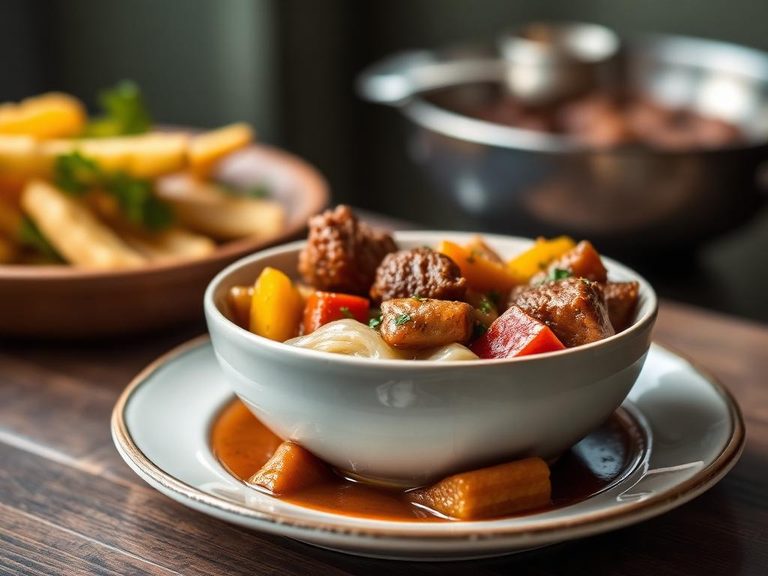
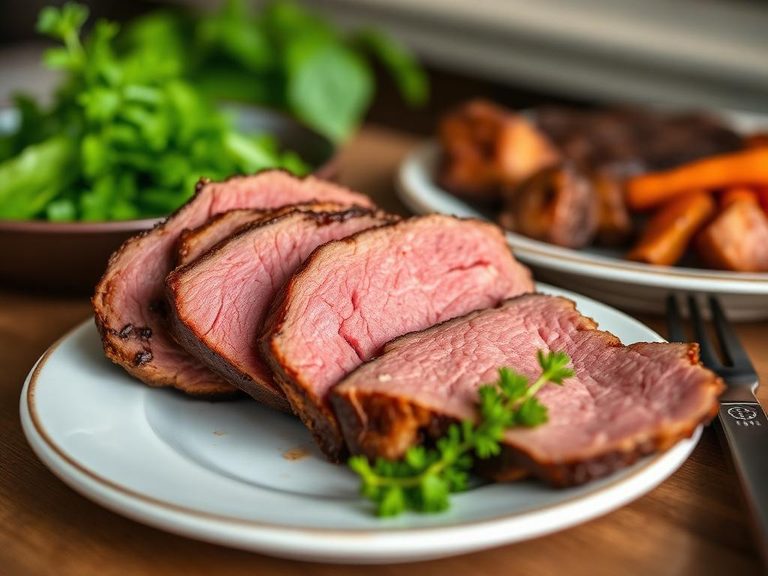
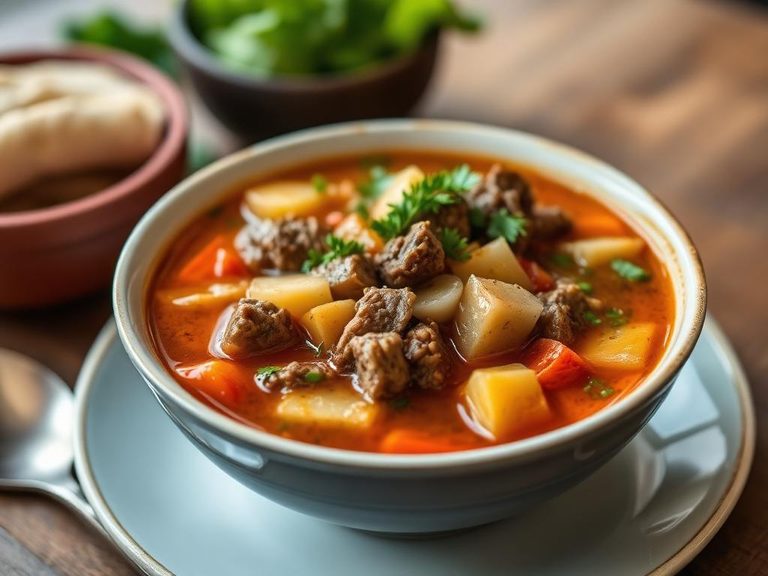
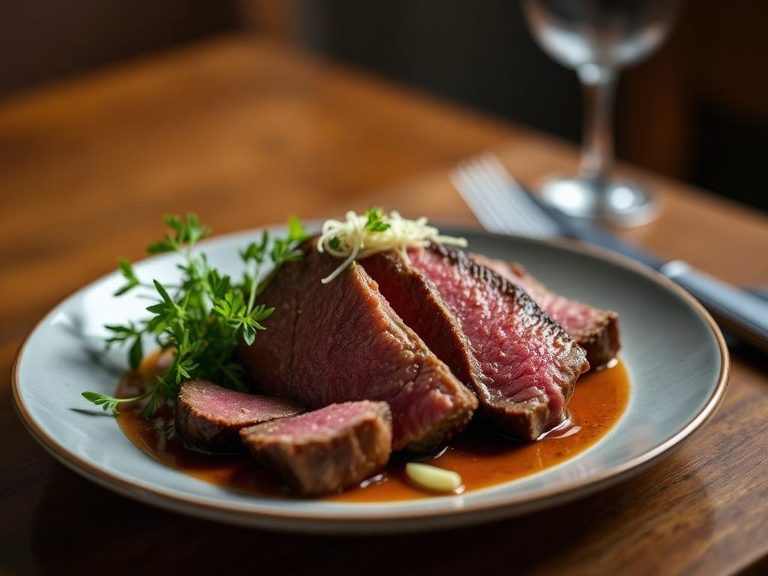
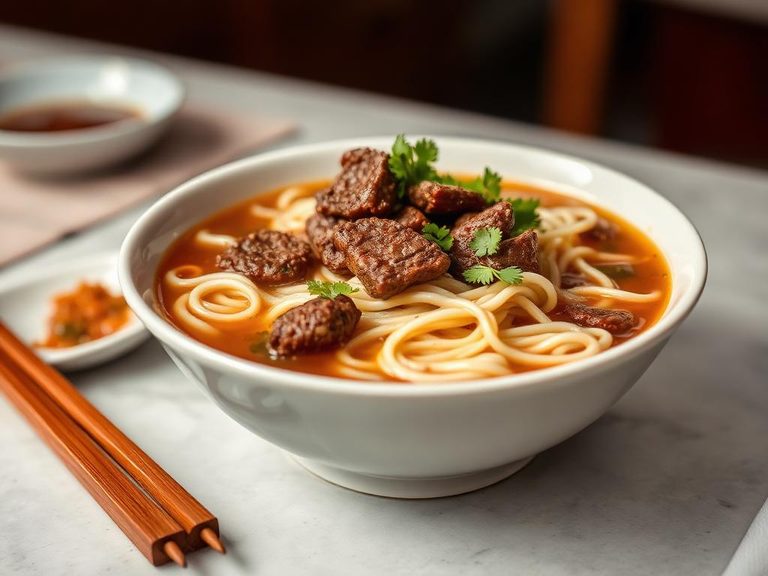
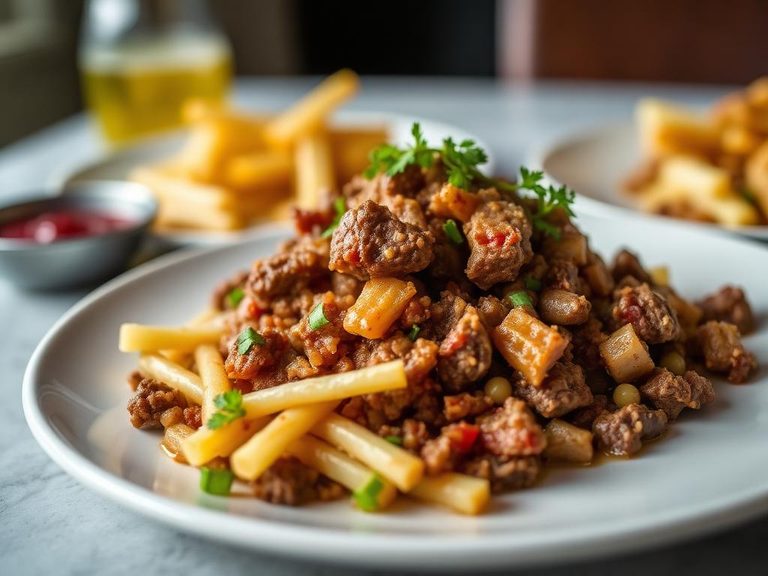
🍽️ Popular dishes
🌍 Where it's eaten
💡 Did you know?
New Zealand's grass-fed beef is often lower in saturated fat and higher in omega-3 fatty acids compared to grain-fed beef from other countries, due to the country's lush pastures and strict farming standards.
Full nutrition (USDA data · scales with serving)
| Water | 73.1 g |
| Energy | 126 kcal |
| Energy | 528 kj |
| Protein | 24.2 g |
| Total lipid (fat) | 3.3 g |
| Ash | 0.63 g |
| Carbohydrate, by difference | 0.00 g |
| Fiber, total dietary | 0.00 g |
| Total Sugars | 0.00 g |
| Calcium, Ca | 6.0 mg |
| Iron, Fe | 1.8 mg |
| Magnesium, Mg | 16.0 mg |
| Phosphorus, P | 129 mg |
| Potassium, K | 193 mg |
| Sodium, Na | 32.0 mg |
| Zinc, Zn | 5.0 mg |
| Copper, Cu | 0.11 mg |
| Manganese, Mn | 0.01 mg |
| Selenium, Se | 1.1 ug |
| Vitamin C, total ascorbic acid | 0.00 mg |
| Thiamin | 0.04 mg |
| Riboflavin | 0.10 mg |
| Niacin | 1.8 mg |
| Pantothenic acid | 0.29 mg |
| Vitamin B-6 | 0.16 mg |
| Vitamin B-12 | 1.0 ug |
| Vitamin B-12, added | 0.00 ug |
| Vitamin A, RAE | 8.0 ug |
| Retinol | 8.0 ug |
| Carotene, beta | 0.00 ug |
| Carotene, alpha | 0.00 ug |
| Cryptoxanthin, beta | 0.00 ug |
| Vitamin A, IU | 27.0 iu |
| Lycopene | 0.00 ug |
| Lutein + zeaxanthin | 0.00 ug |
| Vitamin E (alpha-tocopherol) | 0.57 mg |
| Vitamin E, added | 0.00 mg |
| Vitamin D (D2 + D3), International Units | 5.0 iu |
| Vitamin D (D2 + D3) | 0.10 ug |
| Vitamin D3 (cholecalciferol) | 0.10 ug |
| Alcohol, ethyl | 0.00 g |
| Caffeine | 0.00 mg |
| Theobromine | 0.00 mg |
Fat & fatty acid profile (per 100g)
| Fatty acids, total saturated | 1.2 g |
| SFA 4:0 | 0.00 g |
| SFA 6:0 | 0.00 g |
| SFA 8:0 | 0.00 g |
| SFA 10:0 | 0.00 g |
| SFA 12:0 | 0.00 g |
| SFA 14:0 | 0.05 g |
| SFA 16:0 | 0.51 g |
| SFA 17:0 | 0.04 g |
| SFA 18:0 | 0.54 g |
| SFA 20:0 | 0.00 g |
| SFA 22:0 | 0.00 g |
| SFA 24:0 | 0.00 g |
| Fatty acids, total monounsaturated | 0.90 g |
| MUFA 14:1 | 0.01 g |
| MUFA 15:1 | 0.00 g |
| MUFA 16:1 | 0.07 g |
| MUFA 16:1 c | 0.05 g |
| MUFA 17:1 | 0.00 g |
| MUFA 18:1 | 0.81 g |
| MUFA 18:1 c | 0.75 g |
| MUFA 20:1 | 0.00 g |
| MUFA 22:1 | 0.00 g |
| MUFA 22:1 c | 0.00 g |
| MUFA 24:1 c | 0.00 g |
| Fatty acids, total polyunsaturated | 0.25 g |
| PUFA 18:2 | 0.11 g |
| PUFA 18:2 n-6 c,c | 0.09 g |
| PUFA 18:2 CLAs | 0.02 g |
| PUFA 18:3 | 0.06 g |
| PUFA 18:3 n-3 c,c,c (ALA) | 0.06 g |
| PUFA 18:3 n-6 c,c,c | 0.00 g |
| PUFA 18:4 | 0.00 g |
| PUFA 20:2 n-6 c,c | 0.00 g |
| PUFA 20:3 | 0.01 g |
| PUFA 20:3 n-3 | 0.00 g |
| PUFA 20:3 n-6 | 0.01 g |
| PUFA 20:4 | 0.02 g |
| PUFA 20:4 n-6 | 0.02 g |
| PUFA 20:5 n-3 (EPA) | 0.02 g |
| PUFA 22:5 n-3 (DPA) | 0.02 g |
| PUFA 22:6 n-3 (DHA) | 0.00 g |
| Fatty acids, total trans | 0.08 g |
| Fatty acids, total trans-monoenoic | 0.08 g |
| TFA 16:1 t | 0.01 g |
| TFA 18:1 t | 0.06 g |
| TFA 18:2 t,t | 0.00 g |
| Fatty acids, total trans-polyenoic | 0.00 g |
| Cholesterol | 67.0 mg |
Amino acid profile (per 100g)
| Tryptophan | 0.25 g |
| Threonine | 0.88 g |
| Isoleucine | 1.0 g |
| Leucine | 1.8 g |
| Lysine | 1.9 g |
| Methionine | 0.80 g |
| Phenylalanine | 0.94 g |
| Tyrosine | 0.81 g |
| Valine | 1.1 g |
| Arginine | 1.6 g |
| Histidine | 0.87 g |
| Alanine | 1.3 g |
| Glutamic acid | 3.4 g |
| Glycine | 1.3 g |
| Proline | 0.78 g |
| Serine | 0.85 g |
FAQ
Is boiled beef healthy?
Yes, boiled beef is a healthy option as it retains most nutrients while reducing fat content. It's high in protein and low in calories, making it suitable for weight management and muscle building.
How do I prevent boiled beef from becoming tough?
To keep boiled beef tender, cook it at a low simmer (not a rolling boil) and avoid overcooking. Slicing against the grain and using moist cooking methods like stews can also help maintain tenderness.
Can I use this beef in salads?
Absolutely. Once cooled, boiled beef can be shredded or sliced and added to salads for a protein boost. It pairs well with greens, vinaigrettes, and other vegetables.
Nutrient density (calculated · NRF9.3)
Nutrient Rich Foods index: beneficial nutrients (protein, fiber, vitamins, minerals) minus saturated fat, added sugar & sodium, per 100 kcal.
NRF9.3 index — Fulgoni, Keast & Drewnowski, 2009. Computed from USDA nutrients.
Weight-loss friendliness (composite index)
Energy density 1.26 kcal/g · 77% calories from protein · 0.0 g fiber · 0.0 g sugar per 100 g.
Composite of energy density (Rolls et al., 1999), protein & fiber satiety, minus sugar. A calculated heuristic — ranks satiety-per-calorie, not a clinical measure.
Dietary load (calculated from USDA values)
Potential renal acid load. Positive = acid-forming, negative = alkaline-forming.
Sodium-to-potassium ratio: 0.17 (lower is better — aim for ≤ 1)
Sodium:potassium per WHO potassium guidance. Computed from USDA nutrients.