

Beef, New Zealand, imported, brisket point end, separable lean only, raw
Whole food · Beef Products

Photo: Wikipedia
This is the lean, point-end portion of a raw beef brisket from New Zealand, prized for its deep red color and fine-grained texture. When cooked low and slow, it transforms into tender, succulent meat with a rich, beefy flavor. Nutritionally, it's a powerhouse of protein with minimal fat and zero carbohydrates.
Calorie split: 67% protein · 0% carbs · 33% fat
↓ Full nutrition💚 Why it's loved
People love it for its robust, clean beef flavor and remarkable tenderness when braised or smoked, making it a centerpiece for hearty meals. Its leanness also makes it a versatile canvas for bold marinades and spice rubs in global cuisines.
⚠️ Watch-outs & how to enjoy it better
As a very lean cut, it can become dry and tough if overcooked or prepared with high-heat methods like grilling. To counteract this, use moist-heat cooking (braising, stewing) or a marinade with oil or acidic components to add moisture and tenderize the fibers.
Key benefits
- Excellent source of complete protein for muscle maintenance.
- Very low in fat, especially saturated fat.
- Zero carbohydrates, suitable for ketogenic and low-carb diets.
- Rich in essential minerals like zinc and iron.
- Naturally free from sugars and fiber.
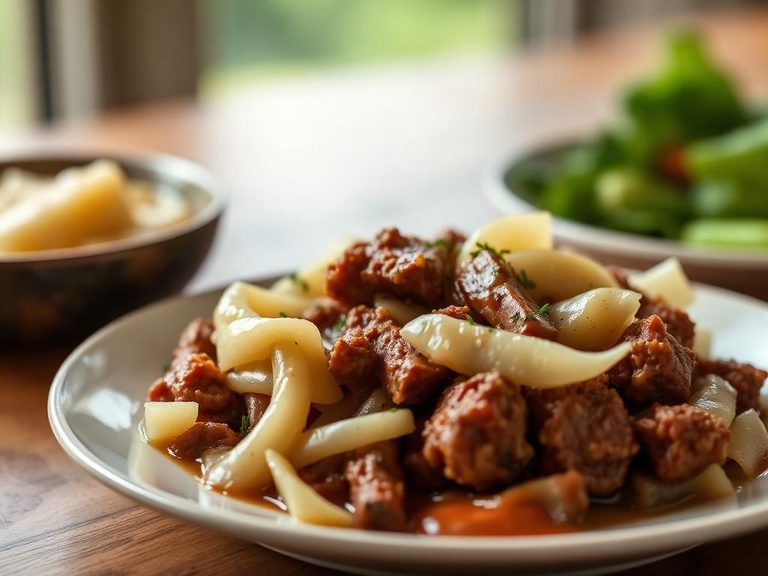
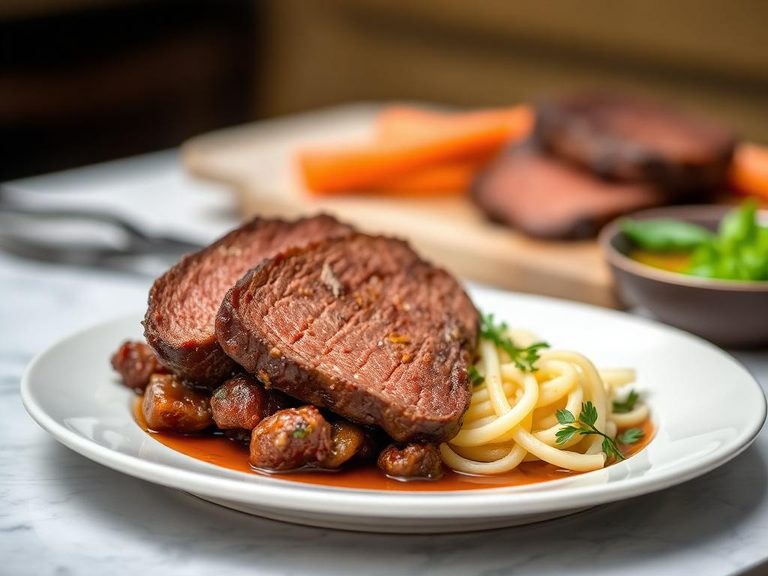
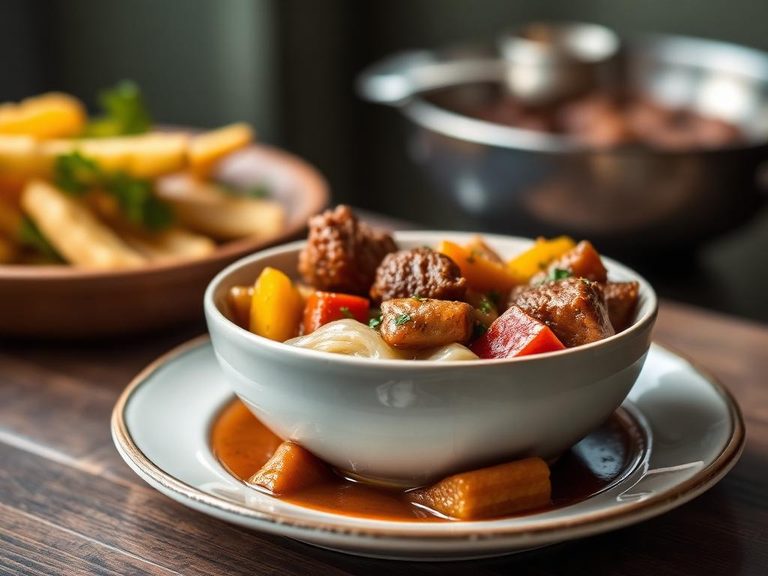
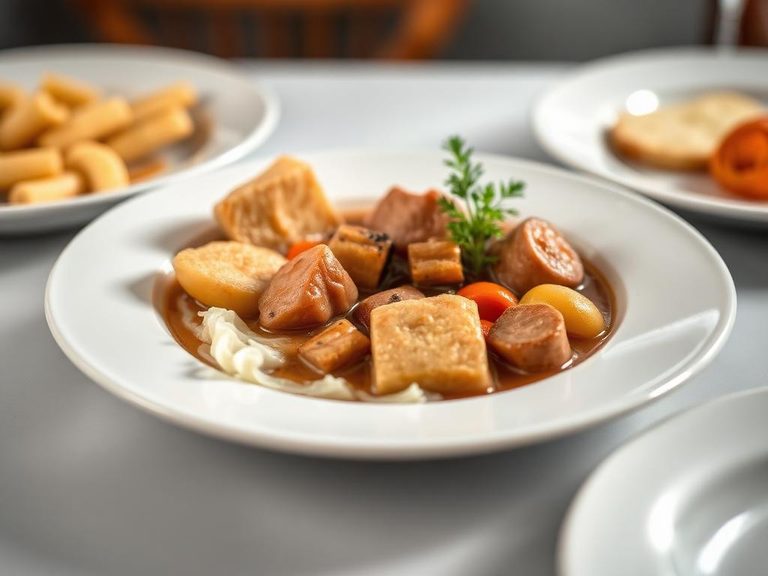
🍽️ Popular dishes
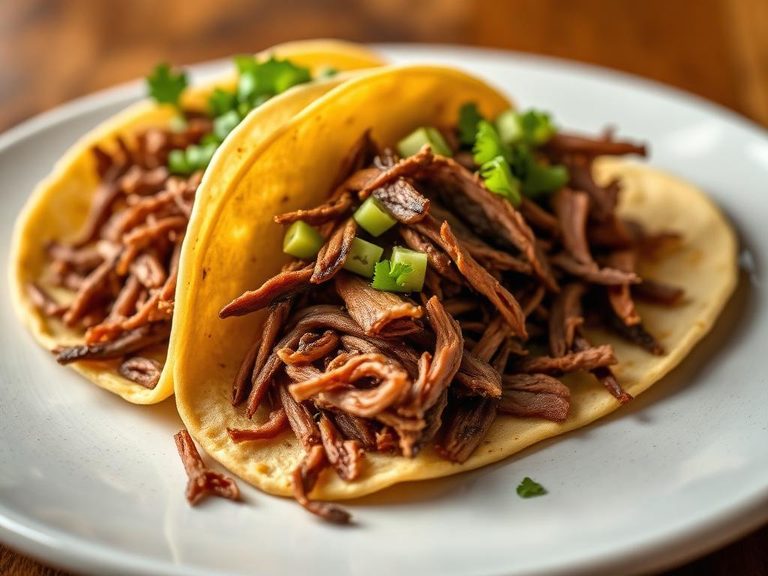
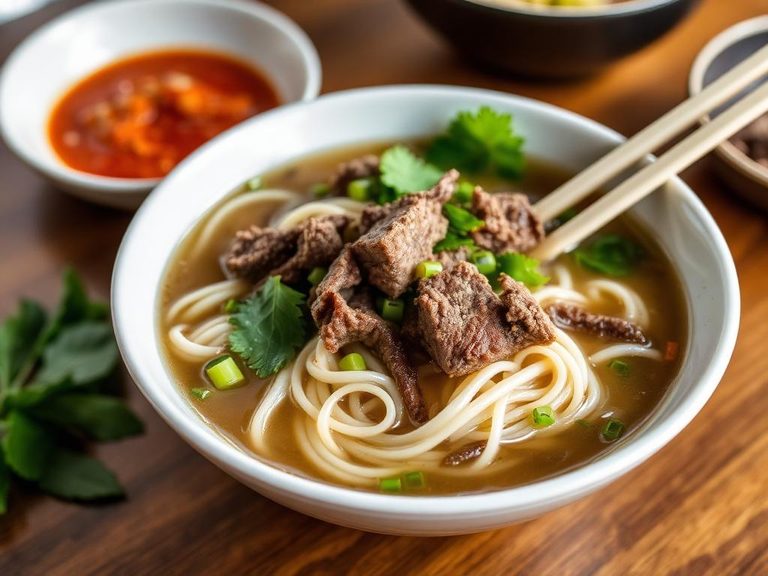
🌍 Where it's eaten
💡 Did you know?
The 'point end' of the brisket comes from the smaller, more tapered half of the breast, which traditionally has slightly more marbling and connective tissue than the 'flat end,' making it exceptionally flavorful for slow cooking.
Full nutrition (USDA data · scales with serving)
| Water | 73.8 g |
| Energy | 125 kcal |
| Energy | 524 kj |
| Protein | 20.9 g |
| Total lipid (fat) | 4.6 g |
| Ash | 0.96 g |
| Carbohydrate, by difference | 0.00 g |
| Fiber, total dietary | 0.00 g |
| Total Sugars | 0.00 g |
| Calcium, Ca | 4.0 mg |
| Iron, Fe | 2.1 mg |
| Magnesium, Mg | 21.0 mg |
| Phosphorus, P | 189 mg |
| Potassium, K | 321 mg |
| Sodium, Na | 51.0 mg |
| Zinc, Zn | 2.7 mg |
| Copper, Cu | 0.10 mg |
| Manganese, Mn | 0.01 mg |
| Selenium, Se | 2.7 ug |
| Vitamin C, total ascorbic acid | 0.00 mg |
| Thiamin | 0.04 mg |
| Riboflavin | 0.05 mg |
| Niacin | 4.3 mg |
| Pantothenic acid | 0.27 mg |
| Vitamin B-6 | 0.32 mg |
| Vitamin B-12 | 1.4 ug |
| Vitamin B-12, added | 0.00 ug |
| Vitamin A, RAE | 9.0 ug |
| Retinol | 9.0 ug |
| Carotene, beta | 0.00 ug |
| Carotene, alpha | 0.00 ug |
| Cryptoxanthin, beta | 0.00 ug |
| Vitamin A, IU | 28.0 iu |
| Lycopene | 0.00 ug |
| Lutein + zeaxanthin | 0.00 ug |
| Vitamin E (alpha-tocopherol) | 0.48 mg |
| Vitamin E, added | 0.00 mg |
| Vitamin D (D2 + D3), International Units | 5.0 iu |
| Vitamin D (D2 + D3) | 0.10 ug |
| Vitamin D3 (cholecalciferol) | 0.10 ug |
| Alcohol, ethyl | 0.00 g |
| Caffeine | 0.00 mg |
| Theobromine | 0.00 mg |
Fat & fatty acid profile (per 100g)
| Fatty acids, total saturated | 1.6 g |
| SFA 4:0 | 0.00 g |
| SFA 6:0 | 0.00 g |
| SFA 8:0 | 0.00 g |
| SFA 10:0 | 0.00 g |
| SFA 12:0 | 0.00 g |
| SFA 14:0 | 0.10 g |
| SFA 16:0 | 0.98 g |
| SFA 17:0 | 0.06 g |
| SFA 18:0 | 0.50 g |
| SFA 20:0 | 0.00 g |
| SFA 22:0 | 0.00 g |
| SFA 24:0 | 0.00 g |
| Fatty acids, total monounsaturated | 2.3 g |
| MUFA 14:1 | 0.04 g |
| MUFA 15:1 | 0.00 g |
| MUFA 16:1 | 0.23 g |
| MUFA 16:1 c | 0.22 g |
| MUFA 17:1 | 0.00 g |
| MUFA 18:1 | 2.0 g |
| MUFA 18:1 c | 1.9 g |
| MUFA 20:1 | 0.01 g |
| MUFA 22:1 | 0.00 g |
| MUFA 22:1 c | 0.00 g |
| MUFA 24:1 c | 0.00 g |
| Fatty acids, total polyunsaturated | 0.26 g |
| PUFA 18:2 | 0.12 g |
| PUFA 18:2 n-6 c,c | 0.09 g |
| PUFA 18:2 CLAs | 0.03 g |
| PUFA 18:3 | 0.05 g |
| PUFA 18:3 n-3 c,c,c (ALA) | 0.05 g |
| PUFA 18:3 n-6 c,c,c | 0.00 g |
| PUFA 18:4 | 0.00 g |
| PUFA 20:2 n-6 c,c | 0.00 g |
| PUFA 20:3 | 0.01 g |
| PUFA 20:3 n-3 | 0.00 g |
| PUFA 20:3 n-6 | 0.01 g |
| PUFA 20:4 | 0.03 g |
| PUFA 20:4 n-6 | 0.03 g |
| PUFA 20:5 n-3 (EPA) | 0.02 g |
| PUFA 22:5 n-3 (DPA) | 0.03 g |
| PUFA 22:6 n-3 (DHA) | 0.00 g |
| Fatty acids, total trans | 0.07 g |
| Fatty acids, total trans-monoenoic | 0.07 g |
| TFA 16:1 t | 0.02 g |
| TFA 18:1 t | 0.06 g |
| TFA 18:2 t,t | 0.00 g |
| Fatty acids, total trans-polyenoic | 0.00 g |
| Cholesterol | 54.0 mg |
Amino acid profile (per 100g)
| Tryptophan | 0.22 g |
| Threonine | 0.76 g |
| Isoleucine | 0.87 g |
| Leucine | 1.6 g |
| Lysine | 1.7 g |
| Methionine | 0.69 g |
| Phenylalanine | 0.81 g |
| Tyrosine | 0.70 g |
| Valine | 0.92 g |
| Arginine | 1.4 g |
| Histidine | 0.75 g |
| Alanine | 1.1 g |
| Glutamic acid | 2.9 g |
| Glycine | 1.1 g |
| Proline | 0.67 g |
| Serine | 0.74 g |
FAQ
What's the difference between brisket point and flat?
The point end is the smaller, thicker portion with more fat and connective tissue, ideal for braising and smoking. The flat is the larger, leaner, and more uniform slice, often used for corned beef or pastrami.
How do I prevent this lean brisket from drying out?
Cook it low and slow in liquid (braise, stew) or use a marinade with oil. Avoid high-heat dry methods like grilling unless it's sliced very thin.
Is New Zealand beef grass-fed?
The vast majority of New Zealand beef is grass-fed, as cattle are raised on pasture year-round, which can contribute to a distinct flavor profile and nutritional composition.
Nutrient density (calculated · NRF9.3)
Nutrient Rich Foods index: beneficial nutrients (protein, fiber, vitamins, minerals) minus saturated fat, added sugar & sodium, per 100 kcal.
NRF9.3 index — Fulgoni, Keast & Drewnowski, 2009. Computed from USDA nutrients.
Weight-loss friendliness (composite index)
Energy density 1.25 kcal/g · 67% calories from protein · 0.0 g fiber · 0.0 g sugar per 100 g.
Composite of energy density (Rolls et al., 1999), protein & fiber satiety, minus sugar. A calculated heuristic — ranks satiety-per-calorie, not a clinical measure.
Dietary load (calculated from USDA values)
Potential renal acid load. Positive = acid-forming, negative = alkaline-forming.
Sodium-to-potassium ratio: 0.16 (lower is better — aim for ≤ 1)
Sodium:potassium per WHO potassium guidance. Computed from USDA nutrients.