

Beef, New Zealand, imported, brisket navel end, separable lean and fat, raw
Whole food · Beef Products

Photo: Wikipedia
This is the richly marbled, fatty portion from the lower abdomen of New Zealand grass-fed cattle, prized for its intense beefy flavor and succulent, melt-in-your-mouth texture when slow-cooked. Nutritionally, it's a powerhouse of energy and protein, delivering over 300 calories and nearly 16 grams of protein per 100g, with virtually no carbohydrates. Its high fat content, particularly the intramuscular fat, is what gives it unparalleled tenderness and juiciness.
Calorie split: 18% protein · 0% carbs · 82% fat
↓ Full nutrition💚 Why it's loved
People love it for its profound, savory umami flavor and the luxurious, tender texture it develops after slow cooking, making it the star of hearty, comforting meals. Its versatility in braising, stewing, and smoking allows it to absorb complex flavors while remaining incredibly juicy.
⚠️ Watch-outs & how to enjoy it better
Its high fat and calorie density can be a concern for those monitoring calorie intake or managing certain heart health conditions. To enjoy it mindfully, practice strict portion control (e.g., a 3-4 oz serving) and pair it with large portions of fibrous vegetables like roasted broccoli or a vinegar-based slaw to add volume and balance the richness.
Key benefits
- Excellent source of high-quality complete protein for muscle maintenance.
- Rich in iron (heme iron) which is highly bioavailable.
- Provides essential B vitamins like B12 and niacin for energy metabolism.
- Contains conjugated linoleic acid (CLA), a fatty acid studied for various health aspects.
- Grass-fed origin often means a higher omega-3 fatty acid profile.
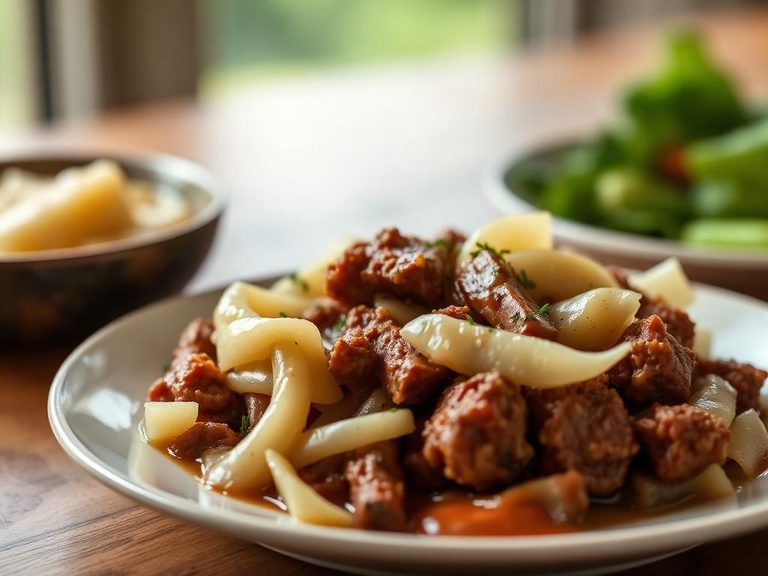
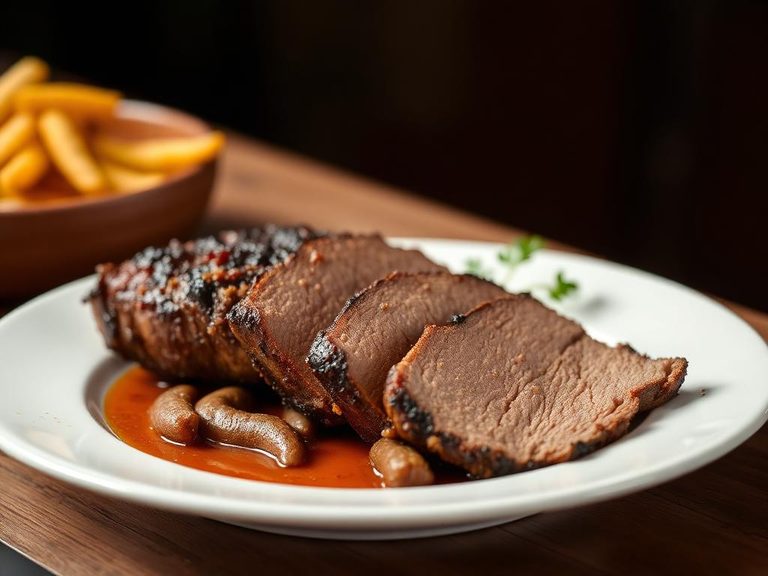
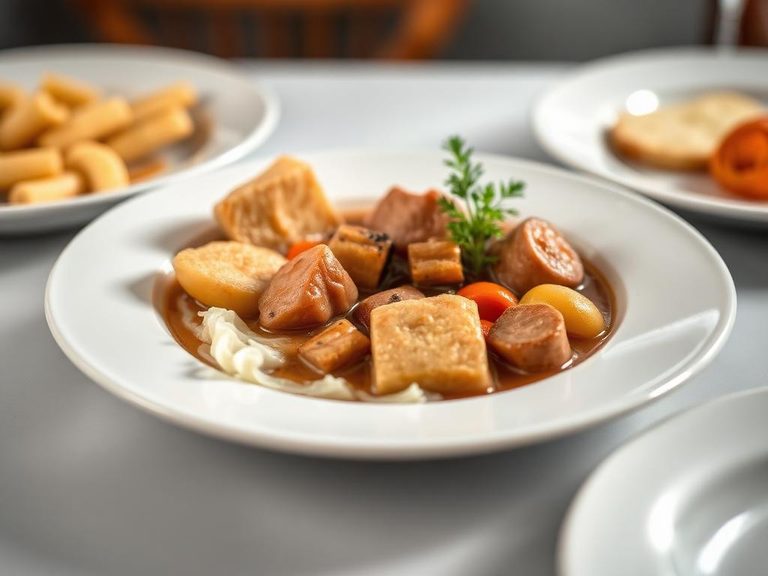
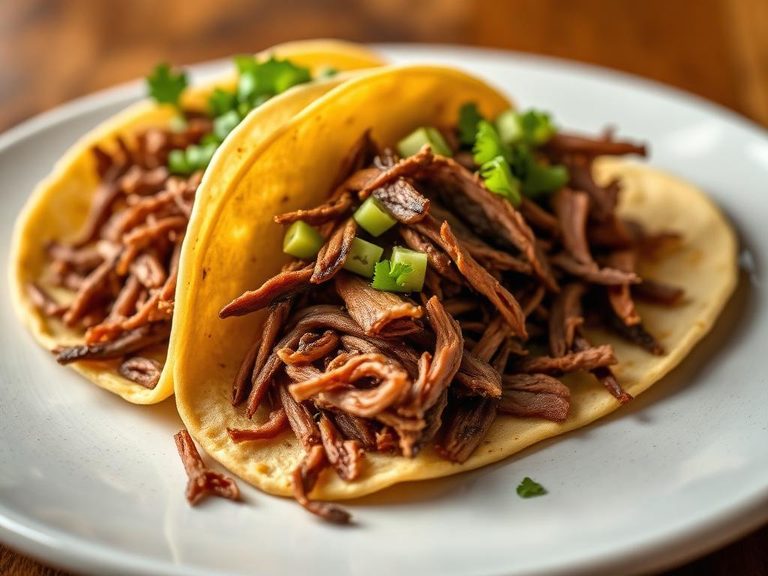
🍽️ Popular dishes

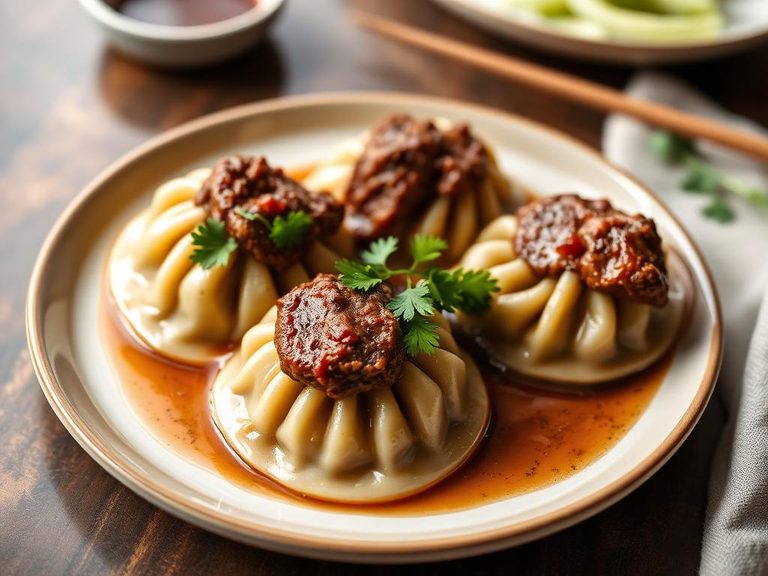
🌍 Where it's eaten
💡 Did you know?
The 'navel end' of the brisket is anatomically adjacent to the cow's navel (belly button), and its specific muscle structure and fat distribution make it distinct from the leaner 'point' or 'flat' cuts often sold separately.
Full nutrition (USDA data · scales with serving)
| Water | 53.3 g |
| Energy | 345 kcal |
| Energy | 1442 kj |
| Protein | 15.8 g |
| Total lipid (fat) | 31.3 g |
| Ash | 0.61 g |
| Carbohydrate, by difference | 0.00 g |
| Fiber, total dietary | 0.00 g |
| Total Sugars | 0.00 g |
| Calcium, Ca | 9.0 mg |
| Iron, Fe | 1.1 mg |
| Magnesium, Mg | 13.0 mg |
| Phosphorus, P | 118 mg |
| Potassium, K | 223 mg |
| Sodium, Na | 54.0 mg |
| Zinc, Zn | 2.7 mg |
| Copper, Cu | 0.04 mg |
| Manganese, Mn | 0.00 mg |
| Selenium, Se | 2.5 ug |
| Vitamin C, total ascorbic acid | 0.00 mg |
| Thiamin | 0.06 mg |
| Riboflavin | 0.08 mg |
| Niacin | 2.7 mg |
| Pantothenic acid | 0.26 mg |
| Vitamin B-6 | 0.18 mg |
| Vitamin B-12 | 1.4 ug |
| Vitamin B-12, added | 0.00 ug |
| Vitamin A, RAE | 9.0 ug |
| Retinol | 9.0 ug |
| Carotene, beta | 0.00 ug |
| Carotene, alpha | 0.00 ug |
| Cryptoxanthin, beta | 0.00 ug |
| Vitamin A, IU | 29.0 iu |
| Lycopene | 0.00 ug |
| Lutein + zeaxanthin | 0.00 ug |
| Vitamin E (alpha-tocopherol) | 0.29 mg |
| Vitamin E, added | 0.00 mg |
| Vitamin D (D2 + D3), International Units | 8.0 iu |
| Vitamin D (D2 + D3) | 0.20 ug |
| Vitamin D3 (cholecalciferol) | 0.20 ug |
| Alcohol, ethyl | 0.00 g |
| Caffeine | 0.00 mg |
| Theobromine | 0.00 mg |
Fat & fatty acid profile (per 100g)
| Fatty acids, total saturated | 12.9 g |
| SFA 4:0 | 0.00 g |
| SFA 6:0 | 0.00 g |
| SFA 8:0 | 0.00 g |
| SFA 10:0 | 0.01 g |
| SFA 12:0 | 0.02 g |
| SFA 14:0 | 0.78 g |
| SFA 16:0 | 6.2 g |
| SFA 17:0 | 0.45 g |
| SFA 18:0 | 5.4 g |
| SFA 20:0 | 0.04 g |
| SFA 22:0 | 0.02 g |
| SFA 24:0 | 0.00 g |
| Fatty acids, total monounsaturated | 10.9 g |
| MUFA 14:1 | 0.19 g |
| MUFA 15:1 | 0.00 g |
| MUFA 16:1 | 0.91 g |
| MUFA 16:1 c | 0.86 g |
| MUFA 17:1 | 0.00 g |
| MUFA 18:1 | 9.8 g |
| MUFA 18:1 c | 8.8 g |
| MUFA 20:1 | 0.03 g |
| MUFA 22:1 | 0.00 g |
| MUFA 22:1 c | 0.00 g |
| MUFA 24:1 c | 0.00 g |
| Fatty acids, total polyunsaturated | 0.77 g |
| PUFA 18:2 | 0.50 g |
| PUFA 18:2 n-6 c,c | 0.23 g |
| PUFA 18:2 CLAs | 0.26 g |
| PUFA 18:3 | 0.21 g |
| PUFA 18:3 n-3 c,c,c (ALA) | 0.21 g |
| PUFA 18:3 n-6 c,c,c | 0.00 g |
| PUFA 18:4 | 0.00 g |
| PUFA 20:2 n-6 c,c | 0.00 g |
| PUFA 20:3 | 0.01 g |
| PUFA 20:3 n-3 | 0.00 g |
| PUFA 20:3 n-6 | 0.01 g |
| PUFA 20:4 | 0.01 g |
| PUFA 20:4 n-6 | 0.01 g |
| PUFA 20:5 n-3 (EPA) | 0.01 g |
| PUFA 22:5 n-3 (DPA) | 0.03 g |
| PUFA 22:6 n-3 (DHA) | 0.00 g |
| Fatty acids, total trans | 0.98 g |
| Fatty acids, total trans-monoenoic | 0.96 g |
| TFA 16:1 t | 0.05 g |
| TFA 18:1 t | 0.91 g |
| TFA 18:2 t,t | 0.01 g |
| Fatty acids, total trans-polyenoic | 0.01 g |
| Cholesterol | 62.0 mg |
Amino acid profile (per 100g)
| Tryptophan | 0.17 g |
| Threonine | 0.57 g |
| Isoleucine | 0.66 g |
| Leucine | 1.2 g |
| Lysine | 1.3 g |
| Methionine | 0.52 g |
| Phenylalanine | 0.61 g |
| Tyrosine | 0.53 g |
| Valine | 0.70 g |
| Arginine | 1.0 g |
| Histidine | 0.57 g |
| Alanine | 0.82 g |
| Glutamic acid | 2.2 g |
| Glycine | 0.86 g |
| Proline | 0.51 g |
| Serine | 0.56 g |
FAQ
What's the difference between brisket and brisket navel end?
The navel end is the fattier, more marbled portion from the lower brisket, while the 'flat' is the leaner, more uniform rectangular cut from the upper part. The navel end is often preferred for slow cooking due to its superior tenderness and flavor.
How should I cook this cut to make it tender?
This cut is tough if cooked quickly. It requires low-and-slow moist heat methods like braising, stewing, or smoking for several hours to break down the collagen into gelatin, resulting in fork-tender meat.
Is New Zealand beef grass-fed?
Yes, the vast majority of cattle in New Zealand are raised on pasture, grass-fed year-round, which contributes to the distinct flavor and fatty acid profile of the meat.
Nutrient density (calculated · NRF9.3)
Nutrient Rich Foods index: beneficial nutrients (protein, fiber, vitamins, minerals) minus saturated fat, added sugar & sodium, per 100 kcal.
NRF9.3 index — Fulgoni, Keast & Drewnowski, 2009. Computed from USDA nutrients.
Weight-loss friendliness (composite index)
Energy density 3.45 kcal/g · 18% calories from protein · 0.0 g fiber · 0.0 g sugar per 100 g.
Composite of energy density (Rolls et al., 1999), protein & fiber satiety, minus sugar. A calculated heuristic — ranks satiety-per-calorie, not a clinical measure.
Dietary load (calculated from USDA values)
Potential renal acid load. Positive = acid-forming, negative = alkaline-forming.
Sodium-to-potassium ratio: 0.24 (lower is better — aim for ≤ 1)
Sodium:potassium per WHO potassium guidance. Computed from USDA nutrients.