

Beef brisket
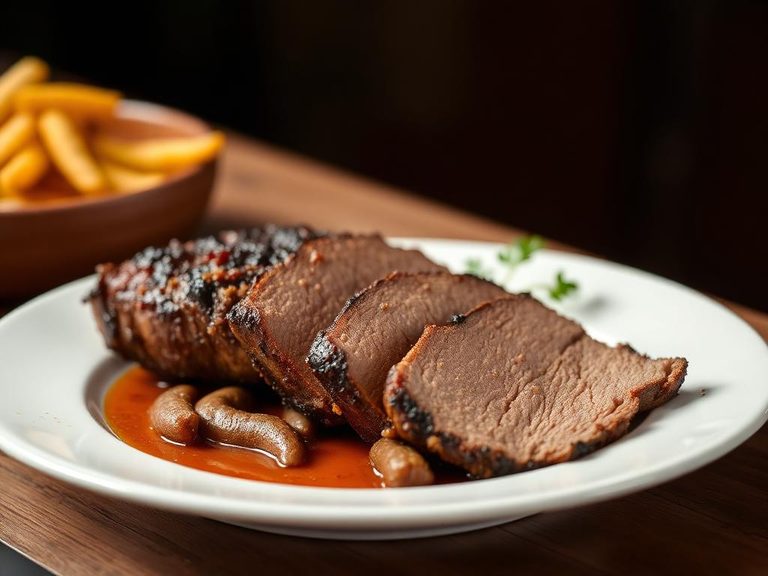
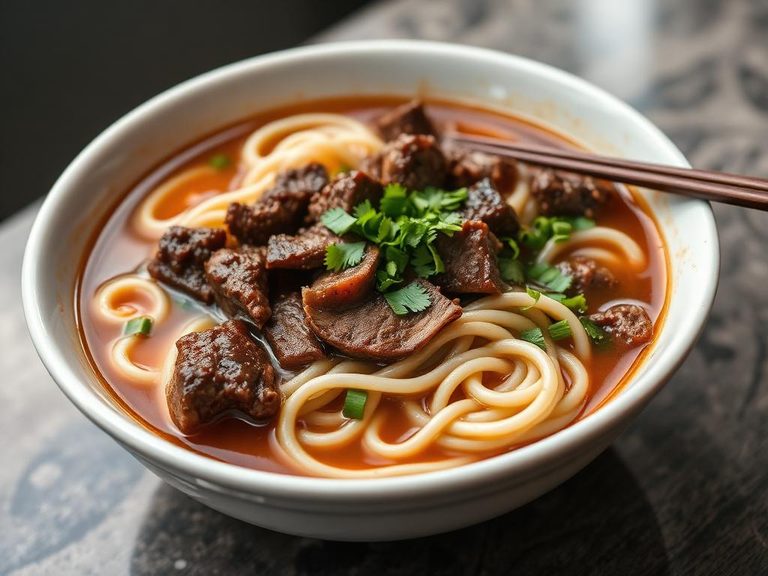
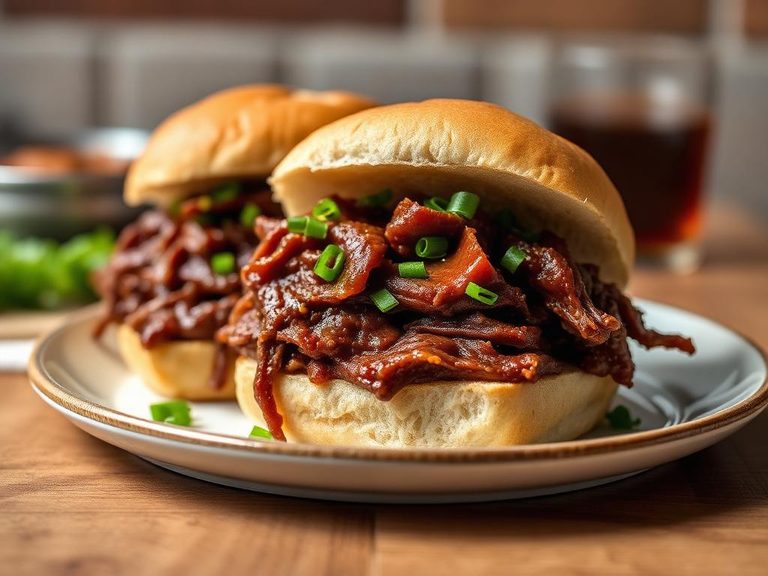
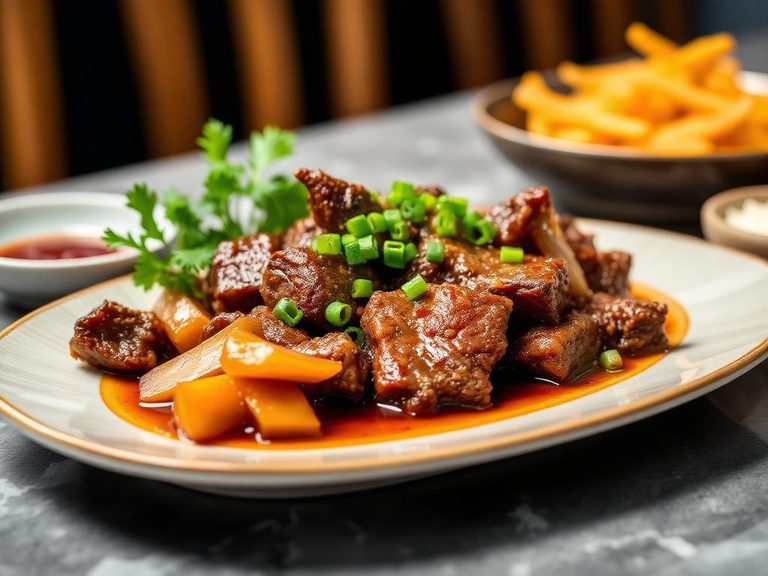
Beef brisket is a flavorful cut of meat from the lower chest of the cow, known for its rich taste and tender texture when cooked slowly. It's a staple in many cuisines, often braised or smoked, and is the star of classic dishes like Jewish-style pastrami, Texas barbecue, and Chinese red-braised brisket. The dish typically involves low-and-slow cooking methods with a blend of spices, herbs, and sometimes a savory or sweet sauce to break down the tough connective tissue.
🍳 View the full Beef brisket recipe →
🍽️ Nutrition at a glance
Beef brisket is a high-protein, high-fat dish with minimal carbohydrates, providing essential nutrients like iron, zinc, and B vitamins. A typical serving of about 3-4 ounces (85-113 grams) can range from 250 to 400 calories, depending on the cut (lean vs. fatty) and cooking method.
Nutrition breakdown
| Calories | 250 kcal |
| Protein | 25 g |
| Carbs | 0 g |
| Fat | 17 g |
| Fiber | 0 g |
| Sugar | 0 g |
| Sodium | 75 mg |
| Iron | 2.5 mg |
| Zinc | 6 mg |
| Vitamin B12 | 2.5 mcg |
| Niacin (B3) | 5 mg |
| Selenium | 30 mcg |
| Phosphorus | 180 mg |
| Potassium | 300 mg |
| Vitamin B6 | 0.4 mg |
Per 3 oz (85 g) · estimated, varies by recipe
💡 What's interesting
Culturally, beef brisket is a symbol of patience and celebration, often served at holiday meals and gatherings across diverse traditions. Nutritionally, its slow cooking process not only enhances flavor but also makes the protein more digestible and can increase the bioavailability of certain minerals.
🍽️ Related dishes

AI estimate may be inaccurate · Terms