

Beef, chuck, under blade center steak, boneless, Denver Cut, separable lean and fat, trimmed to 0" fat, select, raw
Whole food · Beef Products

Photo: Wikipedia
The Denver Cut, sourced from the chuck shoulder, is a marbled, boneless steak prized for its deep beefy flavor and tender texture when cooked properly. With 19.2g of protein and 10.5g of fat per 100g, it offers a robust, satisfying meal with virtually zero carbohydrates. Its rich marbling makes it a flavorful alternative to pricier cuts like ribeye, especially when grilled or pan-seared.
Calorie split: 45% protein · 0% carbs · 55% fat
↓ Full nutrition💚 Why it's loved
People love the Denver Cut for its intense, savory flavor and buttery texture that rivals premium steaks at a more accessible price point. It’s a favorite for backyard grilling and weeknight dinners because it cooks quickly and stays juicy with minimal effort.
⚠️ Watch-outs & how to enjoy it better
The relatively high fat content (10.5g per 100g) may concern those watching saturated fat intake, and it can be tough if overcooked. To counteract, slice against the grain and pair with fiber-rich vegetables like roasted broccoli or a side salad to balance the meal.
Key benefits
- High in complete protein for muscle maintenance
- Rich in iron and zinc for immune support
- Contains B vitamins for energy metabolism
- Provides conjugated linoleic acid (CLA) from grass-fed sources
- Versatile for various cooking methods
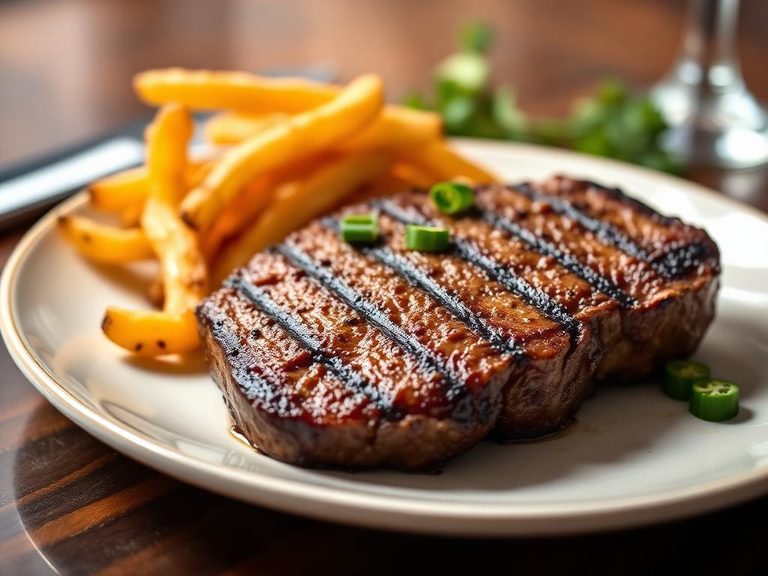
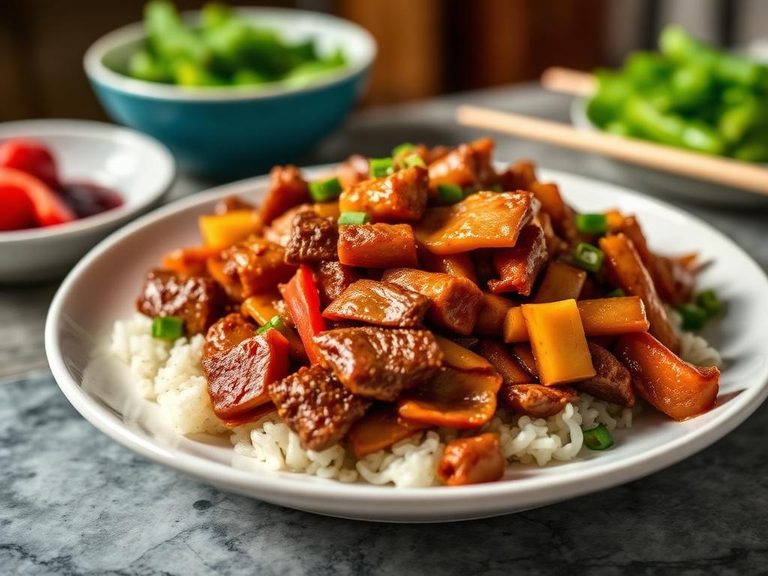
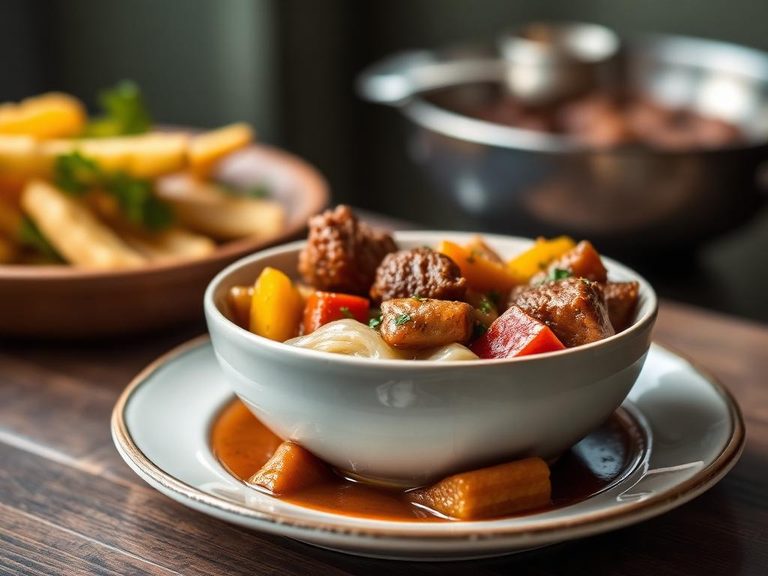
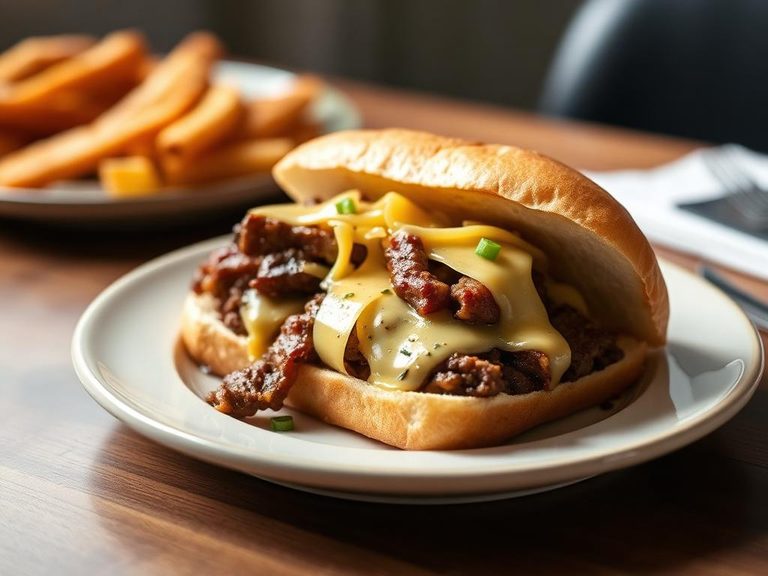
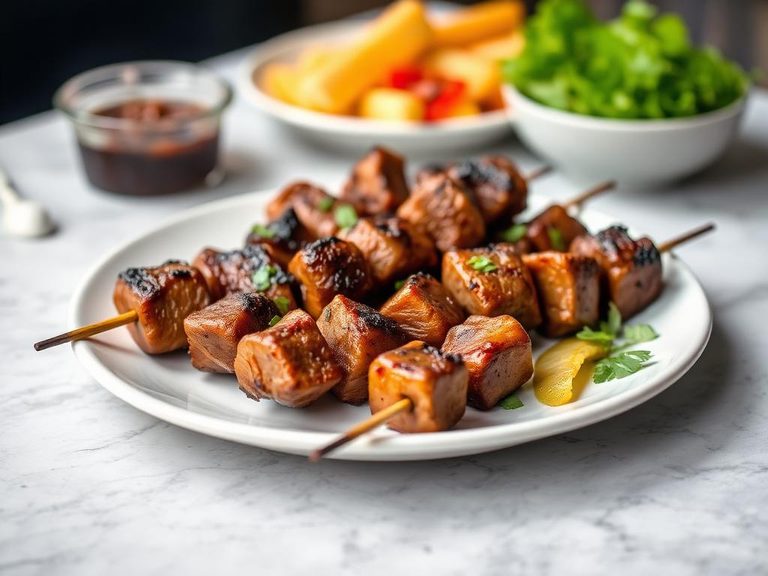
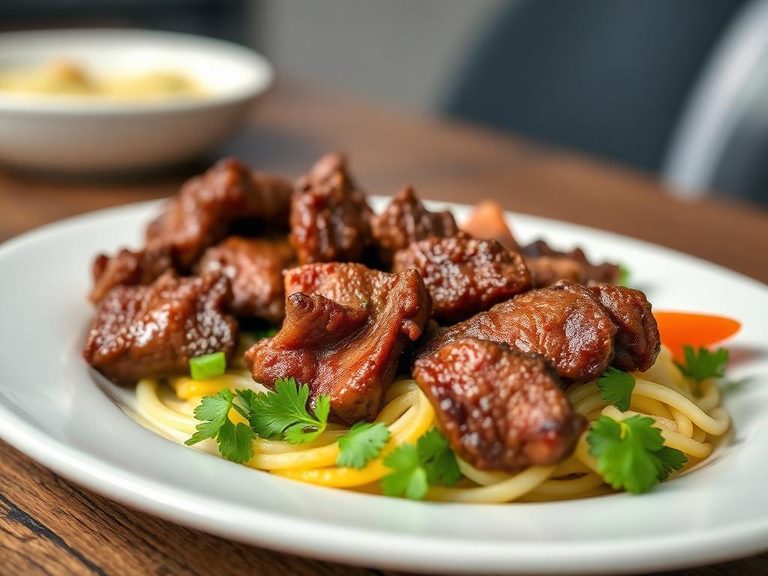
🍽️ Popular dishes
🌍 Where it's eaten
💡 Did you know?
The Denver Cut was officially named and marketed by the National Cattlemen's Beef Association in the early 2000s to utilize a previously underused portion of the chuck, turning it into a popular, affordable steak.
Full nutrition (USDA data · scales with serving)
| Water | 69.3 g |
| Energy | 172 kcal |
| Energy | 718 kj |
| Protein | 19.2 g |
| Total lipid (fat) | 10.5 g |
| Ash | 0.91 g |
| Carbohydrate, by difference | 0.09 g |
| Fiber, total dietary | 0.00 g |
| Total Sugars | 0.00 g |
| Calcium, Ca | 11.0 mg |
| Iron, Fe | 2.4 mg |
| Magnesium, Mg | 20.0 mg |
| Phosphorus, P | 181 mg |
| Potassium, K | 320 mg |
| Sodium, Na | 76.0 mg |
| Zinc, Zn | 7.5 mg |
| Copper, Cu | 0.08 mg |
| Manganese, Mn | 0.01 mg |
| Selenium, Se | 20.8 ug |
| Vitamin C, total ascorbic acid | 0.00 mg |
| Thiamin | 0.08 mg |
| Riboflavin | 0.18 mg |
| Niacin | 3.3 mg |
| Pantothenic acid | 0.72 mg |
| Vitamin B-6 | 0.42 mg |
| Folate, total | 3.0 ug |
| Folic acid | 0.00 ug |
| Folate, food | 3.0 ug |
| Folate, DFE | 3.0 ug |
| Choline, total | 70.4 mg |
| Betaine | 23.0 mg |
| Vitamin B-12 | 3.2 ug |
| Vitamin B-12, added | 0.00 ug |
| Vitamin A, RAE | 4.0 ug |
| Retinol | 4.0 ug |
| Carotene, beta | 0.00 ug |
| Carotene, alpha | 0.00 ug |
| Cryptoxanthin, beta | 0.00 ug |
| Vitamin A, IU | 13.0 iu |
| Lycopene | 0.00 ug |
| Lutein + zeaxanthin | 0.00 ug |
| Vitamin E (alpha-tocopherol) | 0.12 mg |
| Vitamin E, added | 0.00 mg |
| Vitamin D (D2 + D3), International Units | 4.0 iu |
| Vitamin D (D2 + D3) | 0.10 ug |
| Vitamin D3 (cholecalciferol) | 0.10 ug |
| Vitamin K (phylloquinone) | 1.5 ug |
| Alcohol, ethyl | 0.00 g |
| Caffeine | 0.00 mg |
| Theobromine | 0.00 mg |
Fat & fatty acid profile (per 100g)
| Fatty acids, total saturated | 4.4 g |
| SFA 4:0 | 0.00 g |
| SFA 6:0 | 0.00 g |
| SFA 8:0 | 0.00 g |
| SFA 10:0 | 0.00 g |
| SFA 12:0 | 0.00 g |
| SFA 14:0 | 0.29 g |
| SFA 16:0 | 2.4 g |
| SFA 17:0 | 0.13 g |
| SFA 18:0 | 1.6 g |
| SFA 20:0 | 0.00 g |
| SFA 24:0 | 0.01 g |
| Fatty acids, total monounsaturated | 5.0 g |
| MUFA 14:1 | 0.06 g |
| MUFA 16:1 | 0.32 g |
| MUFA 16:1 c | 0.32 g |
| MUFA 17:1 | 0.09 g |
| MUFA 18:1 | 4.6 g |
| MUFA 18:1 c | 3.9 g |
| MUFA 18:1-11 t (18:1t n-7) | 0.38 g |
| MUFA 20:1 | 0.02 g |
| MUFA 22:1 | 0.00 g |
| Fatty acids, total polyunsaturated | 0.52 g |
| PUFA 18:2 | 0.46 g |
| PUFA 18:2 n-6 c,c | 0.41 g |
| PUFA 18:2 CLAs | 0.04 g |
| PUFA 18:3 | 0.02 g |
| PUFA 18:3 n-3 c,c,c (ALA) | 0.02 g |
| PUFA 18:4 | 0.00 g |
| PUFA 20:2 n-6 c,c | 0.00 g |
| PUFA 20:4 | 0.05 g |
| PUFA 20:5 n-3 (EPA) | 0.00 g |
| PUFA 22:5 n-3 (DPA) | 0.00 g |
| PUFA 22:6 n-3 (DHA) | 0.00 g |
| Fatty acids, total trans | 0.67 g |
| Fatty acids, total trans-monoenoic | 0.67 g |
| TFA 18:1 t | 0.67 g |
| Cholesterol | 68.0 mg |
Amino acid profile (per 100g)
| Tryptophan | 0.22 g |
| Threonine | 0.84 g |
| Isoleucine | 0.82 g |
| Leucine | 1.5 g |
| Lysine | 1.7 g |
| Methionine | 0.55 g |
| Cystine | 0.20 g |
| Phenylalanine | 0.73 g |
| Tyrosine | 0.66 g |
| Valine | 0.87 g |
| Arginine | 1.3 g |
| Histidine | 0.62 g |
| Alanine | 1.1 g |
| Aspartic acid | 1.7 g |
| Glutamic acid | 3.0 g |
| Glycine | 0.88 g |
| Proline | 0.79 g |
| Serine | 0.74 g |
| Hydroxyproline | 0.13 g |
FAQ
What is the Denver Cut of beef?
The Denver Cut is a boneless steak from the chuck shoulder, known for its marbling and rich flavor, often used as a budget-friendly alternative to ribeye.
How should I cook a Denver Cut?
It’s best cooked quickly over high heat—grilling, pan-searing, or broiling—to medium-rare or medium, then sliced against the grain for tenderness.
Is the Denver Cut healthy?
It provides high protein and essential nutrients like iron and B vitamins, but its fat content means it should be enjoyed in moderation, especially by those monitoring saturated fat intake.
Nutrient density (calculated · NRF9.3)
Nutrient Rich Foods index: beneficial nutrients (protein, fiber, vitamins, minerals) minus saturated fat, added sugar & sodium, per 100 kcal.
NRF9.3 index — Fulgoni, Keast & Drewnowski, 2009. Computed from USDA nutrients.
Weight-loss friendliness (composite index)
Energy density 1.72 kcal/g · 45% calories from protein · 0.0 g fiber · 0.0 g sugar per 100 g.
Composite of energy density (Rolls et al., 1999), protein & fiber satiety, minus sugar. A calculated heuristic — ranks satiety-per-calorie, not a clinical measure.
Dietary load (calculated from USDA values)
Potential renal acid load. Positive = acid-forming, negative = alkaline-forming.
Sodium-to-potassium ratio: 0.24 (lower is better — aim for ≤ 1)
Sodium:potassium per WHO potassium guidance. Computed from USDA nutrients.