

Veal, leg, top round, cap off, cutlet, boneless, raw
Whole food · Lamb, Veal, and Game Products

Photo: Wikipedia
This is a lean, boneless cut from the top round of a veal leg, prized for its fine grain and mild, delicate flavor. When raw, it presents a pale pink hue and a tender texture that, when sliced thin for cutlets, cooks quickly to a soft, succulent bite. Its standout nutritional feature is its exceptionally high protein content (22g) paired with very low fat (2g) per 100g, making it a powerhouse for lean muscle support.
Calorie split: 83% protein · 0% carbs · 17% fat
↓ Full nutrition💚 Why it's loved
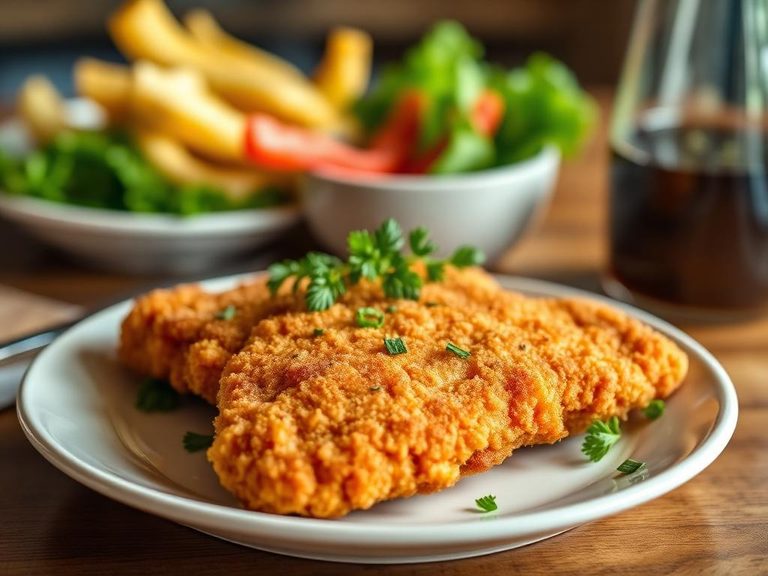
People love it for its subtle, non-gamey taste that acts as a blank canvas for sauces and seasonings, and its quick-cooking nature makes it ideal for elegant weeknight meals. It's a classic in European cuisines for dishes like Wiener Schnitzel, where its tenderness is paramount.
⚠️ Watch-outs & how to enjoy it better
Its leanness means it can dry out or become tough if overcooked, requiring careful attention to time and temperature. For those monitoring purine intake (e.g., with gout), organ meats and some game meats are higher, but moderate portions of this cut are generally manageable; pairing it with vegetables and whole grains can help balance the meal.
Key benefits
- Excellent source of high-quality, complete protein
- Very low in fat, especially saturated fat
- Naturally zero carbohydrates and sugar
- Rich in B vitamins like B12 and niacin for energy metabolism
- Provides essential minerals like zinc and selenium
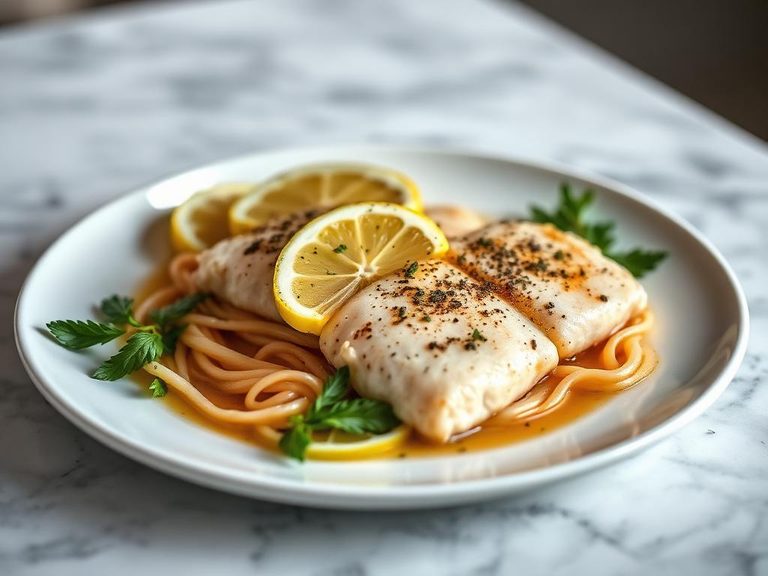
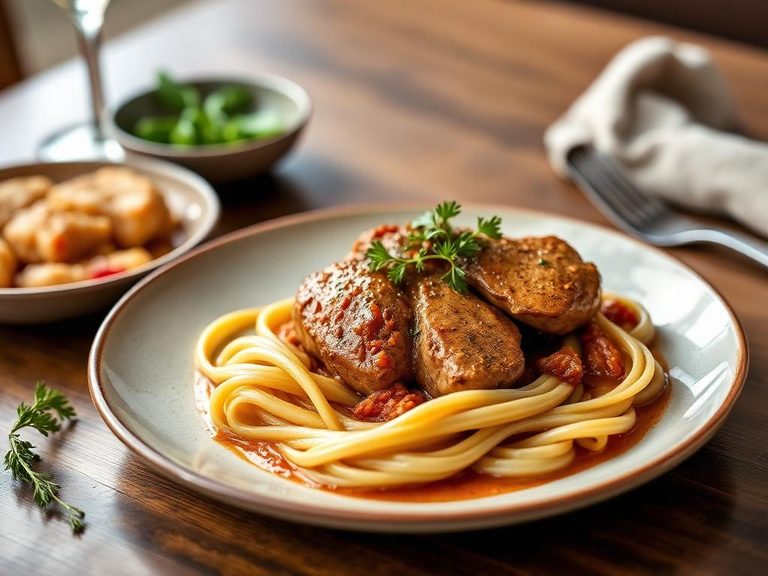
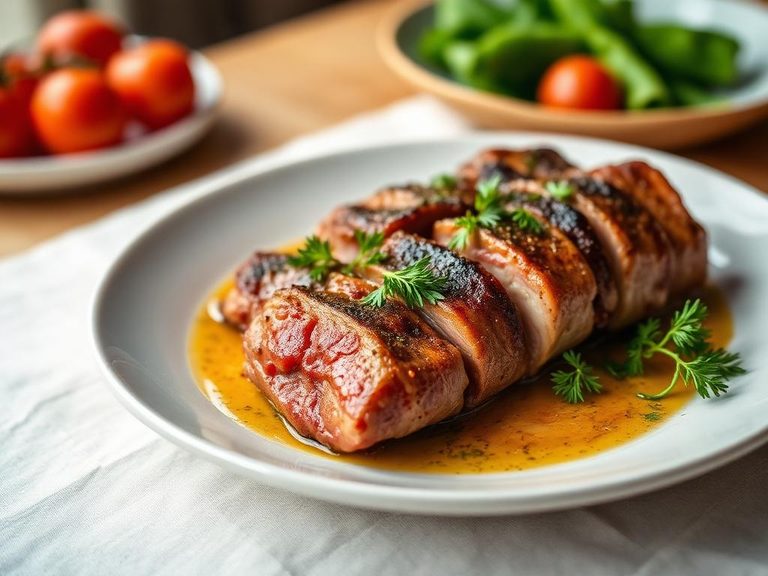
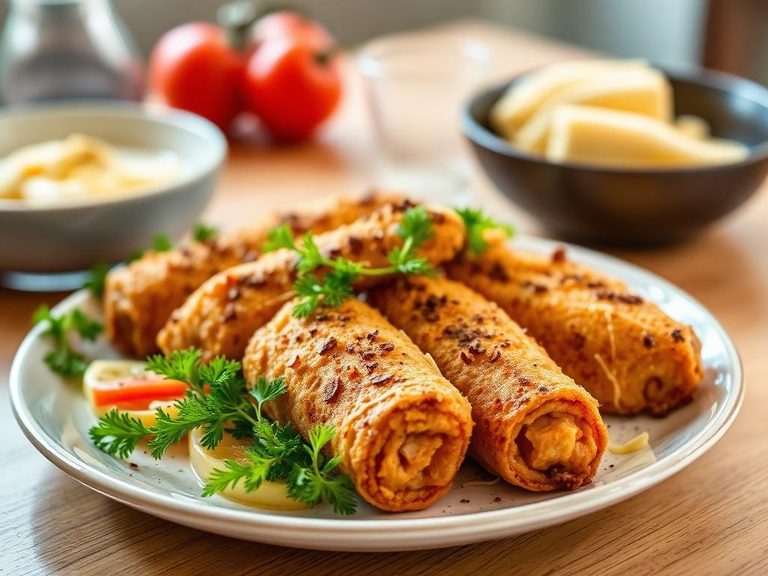
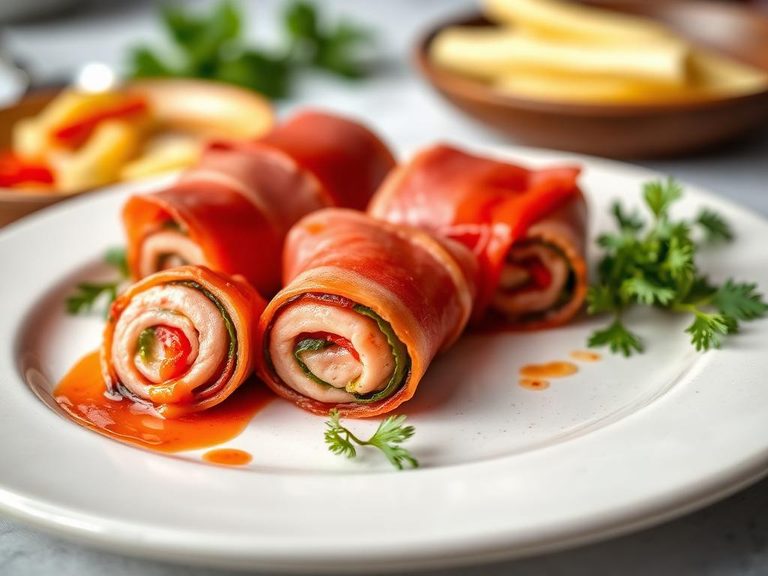
🍽️ Popular dishes
🌍 Where it's eaten
💡 Did you know?
The term 'cutlet' derives from the French 'côtelette,' which originally referred to a rib chop, but now commonly denotes a thin, boneless slice of meat like this top round cut, perfect for breading and pan-frying.
Full nutrition (USDA data · scales with serving)
| Water | 75.2 g |
| Energy | 107 kcal |
| Energy | 447 kj |
| Protein | 22.1 g |
| Total lipid (fat) | 2.1 g |
| Ash | 1.1 g |
| Carbohydrate, by difference | 0.00 g |
| Fiber, total dietary | 0.00 g |
| Total Sugars | 0.00 g |
| Calcium, Ca | 4.0 mg |
| Iron, Fe | 0.81 mg |
| Magnesium, Mg | 30.0 mg |
| Phosphorus, P | 212 mg |
| Potassium, K | 273 mg |
| Sodium, Na | 86.0 mg |
| Zinc, Zn | 2.0 mg |
| Copper, Cu | 0.09 mg |
| Manganese, Mn | 0.02 mg |
| Selenium, Se | 16.0 ug |
| Vitamin C, total ascorbic acid | 0.00 mg |
| Thiamin | 0.10 mg |
| Riboflavin | 0.34 mg |
| Niacin | 9.3 mg |
| Pantothenic acid | 0.58 mg |
| Vitamin B-6 | 0.60 mg |
| Folate, total | 4.0 ug |
| Folic acid | 0.00 ug |
| Folate, food | 4.0 ug |
| Folate, DFE | 4.0 ug |
| Choline, total | 120 mg |
| Betaine | 28.4 mg |
| Vitamin B-12 | 2.1 ug |
| Vitamin B-12, added | 0.00 ug |
| Vitamin A, RAE | 0.00 ug |
| Retinol | 0.00 ug |
| Carotene, beta | 0.00 ug |
| Carotene, alpha | 0.00 ug |
| Cryptoxanthin, beta | 0.00 ug |
| Vitamin A, IU | 0.00 iu |
| Lycopene | 0.00 ug |
| Lutein + zeaxanthin | 0.00 ug |
| Vitamin E (alpha-tocopherol) | 0.31 mg |
| Vitamin E, added | 0.00 mg |
| Tocopherol, beta | 0.00 mg |
| Tocopherol, gamma | 0.00 mg |
| Tocopherol, delta | 0.02 mg |
| Vitamin D (D2 + D3), International Units | 23.0 iu |
| Vitamin D (D2 + D3) | 0.60 ug |
| Vitamin D3 (cholecalciferol) | 0.60 ug |
| Vitamin K (phylloquinone) | 1.1 ug |
| Alcohol, ethyl | 0.00 g |
| Caffeine | 0.00 mg |
| Theobromine | 0.00 mg |
Fat & fatty acid profile (per 100g)
| Fatty acids, total saturated | 0.81 g |
| SFA 4:0 | 0.00 g |
| SFA 6:0 | 0.00 g |
| SFA 8:0 | 0.00 g |
| SFA 10:0 | 0.00 g |
| SFA 12:0 | 0.00 g |
| SFA 14:0 | 0.05 g |
| SFA 16:0 | 0.45 g |
| SFA 17:0 | 0.02 g |
| SFA 18:0 | 0.27 g |
| SFA 20:0 | 0.00 g |
| SFA 24:0 | 0.00 g |
| Fatty acids, total monounsaturated | 0.99 g |
| MUFA 14:1 | 0.01 g |
| MUFA 16:1 | 0.07 g |
| MUFA 16:1 c | 0.07 g |
| MUFA 17:1 | 0.02 g |
| MUFA 18:1 | 0.89 g |
| MUFA 18:1 c | 0.80 g |
| MUFA 20:1 | 0.00 g |
| MUFA 22:1 | 0.00 g |
| Fatty acids, total polyunsaturated | 0.11 g |
| PUFA 18:2 | 0.09 g |
| PUFA 18:2 n-6 c,c | 0.08 g |
| PUFA 18:2 CLAs | 0.01 g |
| PUFA 18:3 | 0.00 g |
| PUFA 18:4 | 0.00 g |
| PUFA 20:2 n-6 c,c | 0.00 g |
| PUFA 20:4 | 0.01 g |
| PUFA 20:5 n-3 (EPA) | 0.00 g |
| PUFA 22:5 n-3 (DPA) | 0.00 g |
| PUFA 22:6 n-3 (DHA) | 0.00 g |
| Fatty acids, total trans | 0.09 g |
| Fatty acids, total trans-monoenoic | 0.09 g |
| TFA 18:1 t | 0.09 g |
| Cholesterol | 56.0 mg |
Amino acid profile (per 100g)
| Tryptophan | 0.22 g |
| Threonine | 0.96 g |
| Isoleucine | 1.1 g |
| Leucine | 1.8 g |
| Lysine | 1.8 g |
| Methionine | 0.52 g |
| Cystine | 0.25 g |
| Phenylalanine | 0.89 g |
| Tyrosine | 0.70 g |
| Valine | 1.2 g |
| Arginine | 1.3 g |
| Histidine | 0.80 g |
| Alanine | 1.3 g |
| Aspartic acid | 1.9 g |
| Glutamic acid | 3.5 g |
| Glycine | 1.1 g |
| Proline | 0.92 g |
| Serine | 0.83 g |
| Hydroxyproline | 0.11 g |
FAQ
What's the best way to cook this cut to keep it tender?
Pound it to an even thinness (about 1/4-inch) with a meat mallet. This breaks down connective tissue and ensures quick, even cooking. Sear it in a hot pan for just 1-2 minutes per side, or use it in quick-cooking stir-fries or braises where it's sliced thin.
Is veal top round the same as beef top round?
They come from the same anatomical location (the leg), but veal is from young cattle, so the meat is paler, more tender, and milder in flavor. Beef top round is darker, denser, and often requires different cooking methods like slow roasting or braising to become tender.
How does the nutrition compare to chicken breast?
Per 100g, veal top round has slightly more protein (22g vs. ~21g for chicken breast) and significantly less fat (2g vs. ~3.6g for chicken breast). Both are excellent lean protein sources, but veal offers a different flavor profile and texture.
Nutrient density (calculated · NRF9.3)
Nutrient Rich Foods index: beneficial nutrients (protein, fiber, vitamins, minerals) minus saturated fat, added sugar & sodium, per 100 kcal.
NRF9.3 index — Fulgoni, Keast & Drewnowski, 2009. Computed from USDA nutrients.
Weight-loss friendliness (composite index)
Energy density 1.07 kcal/g · 83% calories from protein · 0.0 g fiber · 0.0 g sugar per 100 g.
Composite of energy density (Rolls et al., 1999), protein & fiber satiety, minus sugar. A calculated heuristic — ranks satiety-per-calorie, not a clinical measure.
Dietary load (calculated from USDA values)
Potential renal acid load. Positive = acid-forming, negative = alkaline-forming.
Sodium-to-potassium ratio: 0.32 (lower is better — aim for ≤ 1)
Sodium:potassium per WHO potassium guidance. Computed from USDA nutrients.