

Smelt, dried (Alaska Native)
Whole food · American Indian/Alaska Native Foods
Dried smelt is a traditional Alaska Native food made by air-drying small, whole fish until they become a brittle, savory snack with a concentrated, umami-rich flavor and a satisfyingly crunchy texture. Nutritionally, it's a powerhouse of protein and healthy fats, offering a dense, low-carb source of energy. The drying process intensifies its natural taste, making it a potent and shelf-stable staple.
Calorie split: 58% protein · 0% carbs · 42% fat
↓ Full nutrition💚 Why it's loved
People cherish dried smelt for its intense, savory fish flavor and the satisfying crunch it adds to meals and snacks. It's deeply valued in Alaska Native cultures as a traditional, nutrient-dense food that connects generations to subsistence practices.
⚠️ Watch-outs & how to enjoy it better
The strong, concentrated fish taste and chewy-crunchy texture can be an acquired taste for some. As a dried fish, it can be high in sodium, so those monitoring salt intake should consume it in moderation. To counteract this, pair it with fresh, water-rich vegetables or fruits to balance the sodium, and be mindful of portion sizes.
Key benefits
- Excellent source of complete protein (56g per 100g)
- Rich in omega-3 fatty acids for heart and brain health
- Zero carbohydrates, making it ideal for keto or low-carb diets
- Naturally preserved and shelf-stable without refrigeration
- Provides essential minerals like calcium and phosphorus from edible bones
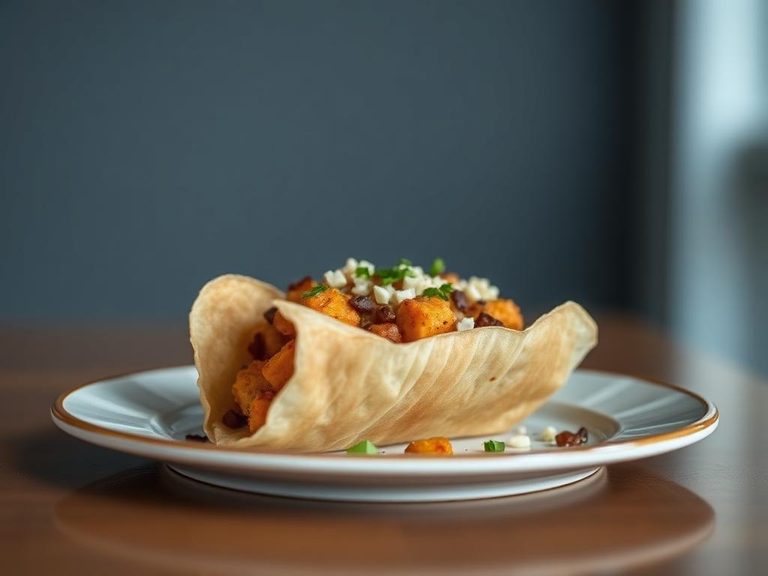
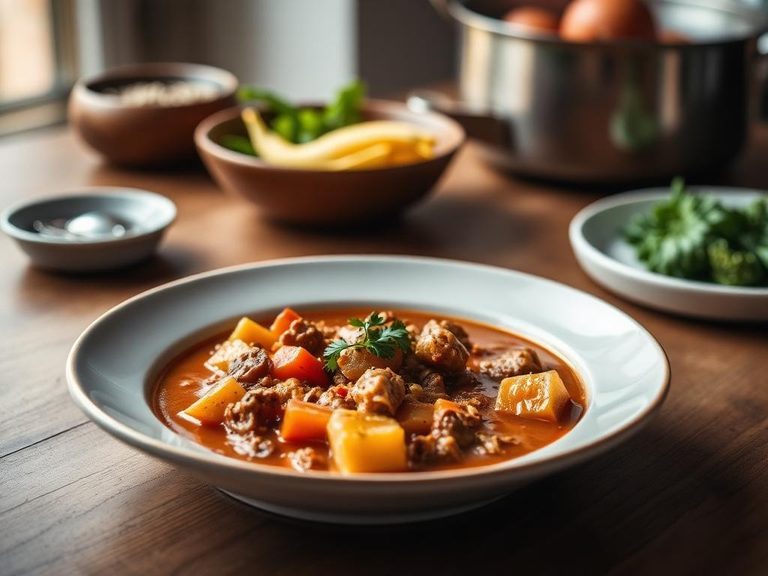
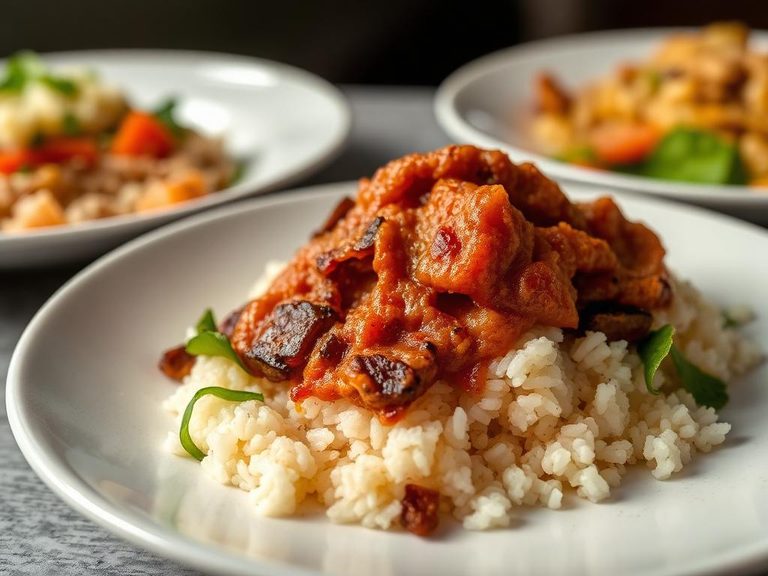
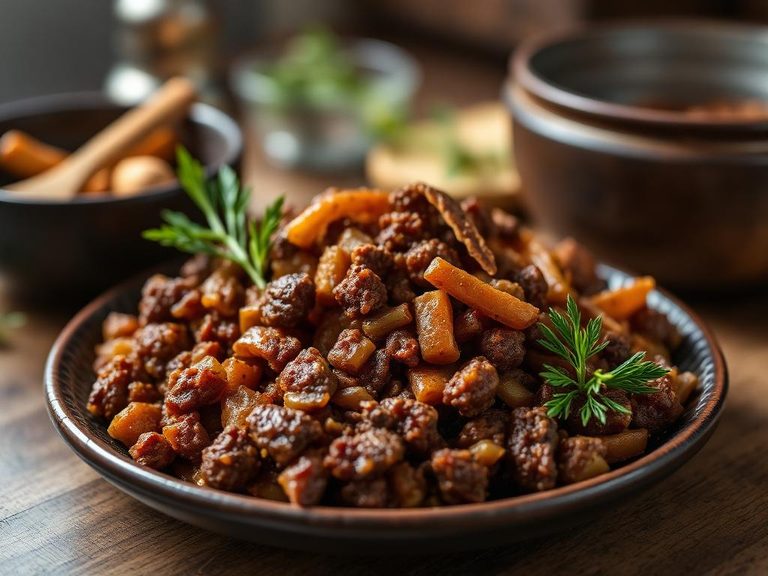
🍽️ Popular dishes
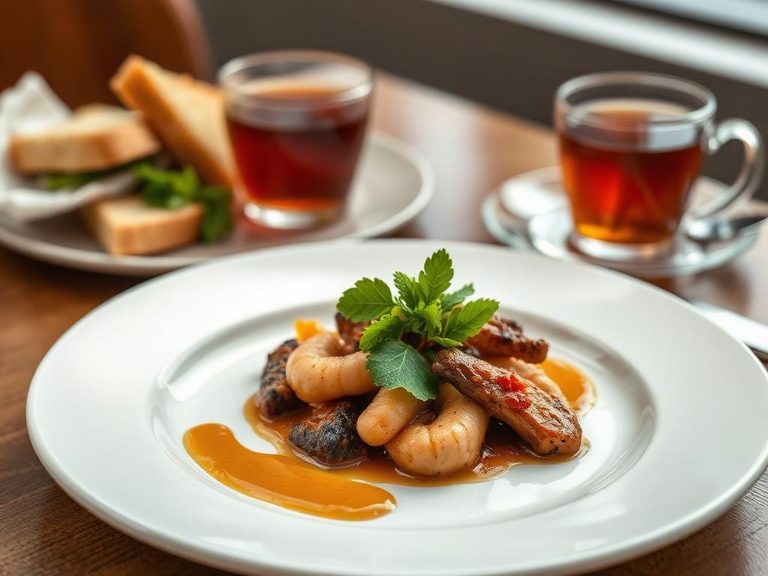
🌍 Where it's eaten
💡 Did you know?
The entire fish, including the head, bones, and tail, is typically eaten, making it a zero-waste food that provides a significant amount of dietary calcium.
Full nutrition (USDA data · scales with serving)
| Water | 16.9 g |
| Energy | 386 kcal |
| Energy | 1614 kj |
| Protein | 56.2 g |
| Total lipid (fat) | 17.9 g |
| Ash | 8.3 g |
| Carbohydrate, by difference | 0.00 g |
| Fiber, total dietary | 0.00 g |
| Total Sugars | 0.00 g |
| Sucrose | 0.00 g |
| Glucose | 0.00 g |
| Fructose | 0.00 g |
| Lactose | 0.00 g |
| Maltose | 0.00 g |
| Galactose | 0.00 g |
| Starch | 0.00 g |
| Calcium, Ca | 1600 mg |
| Iron, Fe | 5.4 mg |
| Magnesium, Mg | 89.0 mg |
| Phosphorus, P | 1400 mg |
| Potassium, K | 1000 mg |
| Sodium, Na | 420 mg |
| Zinc, Zn | 6.7 mg |
| Copper, Cu | 0.15 mg |
| Manganese, Mn | 0.72 mg |
| Selenium, Se | 194 ug |
| Thiamin | 0.07 mg |
| Riboflavin | 0.26 mg |
| Niacin | 6.0 mg |
| Pantothenic acid | 2.3 mg |
| Vitamin B-6 | 0.18 mg |
| Vitamin B-12 | 19.1 ug |
| Vitamin B-12, added | 0.00 ug |
| Vitamin A, RAE | 139 ug |
| Retinol | 139 ug |
| Carotene, beta | 0.00 ug |
| Carotene, alpha | 0.00 ug |
| Cryptoxanthin, beta | 0.00 ug |
| Vitamin A, IU | 463 iu |
| Lycopene | 0.00 ug |
| Lutein + zeaxanthin | 0.00 ug |
| Vitamin E (alpha-tocopherol) | 4.5 mg |
| Vitamin E, added | 0.00 mg |
| Tocopherol, beta | 0.00 mg |
| Tocopherol, gamma | 0.08 mg |
| Tocopherol, delta | 0.00 mg |
| Tocotrienol, alpha | 0.00 mg |
| Tocotrienol, beta | 0.00 mg |
| Tocotrienol, gamma | 0.00 mg |
| Tocotrienol, delta | 0.00 mg |
| Vitamin K (phylloquinone) | 0.00 ug |
| Vitamin K (Dihydrophylloquinone) | 0.00 ug |
| Vitamin K (Menaquinone-4) | 1.6 ug |
| Alcohol, ethyl | 0.00 g |
| Caffeine | 0.00 mg |
| Theobromine | 0.00 mg |
Fat & fatty acid profile (per 100g)
| Fatty acids, total saturated | 3.6 g |
| SFA 8:0 | 0.00 g |
| SFA 10:0 | 0.00 g |
| SFA 12:0 | 0.01 g |
| SFA 14:0 | 0.76 g |
| SFA 15:0 | 0.06 g |
| SFA 16:0 | 2.3 g |
| SFA 17:0 | 0.19 g |
| SFA 18:0 | 0.32 g |
| SFA 20:0 | 0.00 g |
| SFA 22:0 | 0.00 g |
| SFA 24:0 | 0.00 g |
| Fatty acids, total monounsaturated | 6.9 g |
| MUFA 14:1 | 0.03 g |
| MUFA 15:1 | 0.00 g |
| MUFA 16:1 | 2.1 g |
| MUFA 17:1 | 0.09 g |
| MUFA 18:1 | 3.6 g |
| MUFA 20:1 | 0.78 g |
| MUFA 22:1 | 0.25 g |
| MUFA 24:1 c | 0.00 g |
| Fatty acids, total polyunsaturated | 2.9 g |
| PUFA 18:2 | 0.19 g |
| PUFA 18:3 | 0.10 g |
| PUFA 18:4 | 0.13 g |
| PUFA 20:2 n-6 c,c | 0.02 g |
| PUFA 20:3 | 0.01 g |
| PUFA 20:4 | 0.15 g |
| PUFA 20:5 n-3 (EPA) | 0.91 g |
| PUFA 21:5 | 0.01 g |
| PUFA 22:4 | 0.01 g |
| PUFA 22:5 n-3 (DPA) | 0.14 g |
| PUFA 22:6 n-3 (DHA) | 1.2 g |
| Cholesterol | 249 mg |
Amino acid profile (per 100g)
| Tryptophan | 0.51 g |
| Threonine | 2.4 g |
| Isoleucine | 2.1 g |
| Leucine | 3.8 g |
| Lysine | 3.7 g |
| Methionine | 1.2 g |
| Cystine | 0.46 g |
| Phenylalanine | 2.0 g |
| Tyrosine | 1.6 g |
| Valine | 2.7 g |
| Arginine | 3.1 g |
| Histidine | 1.0 g |
| Alanine | 3.5 g |
| Aspartic acid | 4.8 g |
| Glutamic acid | 6.7 g |
| Glycine | 3.3 g |
| Proline | 2.4 g |
| Serine | 2.5 g |
FAQ
How do you eat dried smelt?
It's most commonly eaten as a ready-to-eat snack, but it can also be crumbled as a topping, rehydrated in soups, or incorporated into traditional dishes like pemmican.
Is dried smelt safe to eat raw?
Yes, it is a preserved food that is safe to eat as-is. The drying process reduces moisture content to a level that inhibits bacterial growth.
How should I store dried smelt?
Store it in a cool, dry, and dark place in an airtight container to maintain its texture and prevent it from absorbing odors or moisture.
Nutrient density (calculated · NRF9.3)
Nutrient Rich Foods index: beneficial nutrients (protein, fiber, vitamins, minerals) minus saturated fat, added sugar & sodium, per 100 kcal.
NRF9.3 index — Fulgoni, Keast & Drewnowski, 2009. Computed from USDA nutrients.
Weight-loss friendliness (composite index)
Energy density 3.86 kcal/g · 58% calories from protein · 0.0 g fiber · 0.0 g sugar per 100 g.
Composite of energy density (Rolls et al., 1999), protein & fiber satiety, minus sugar. A calculated heuristic — ranks satiety-per-calorie, not a clinical measure.
Dietary load (calculated from USDA values)
Potential renal acid load. Positive = acid-forming, negative = alkaline-forming.
Sodium-to-potassium ratio: 0.42 (lower is better — aim for ≤ 1)
Sodium:potassium per WHO potassium guidance. Computed from USDA nutrients.