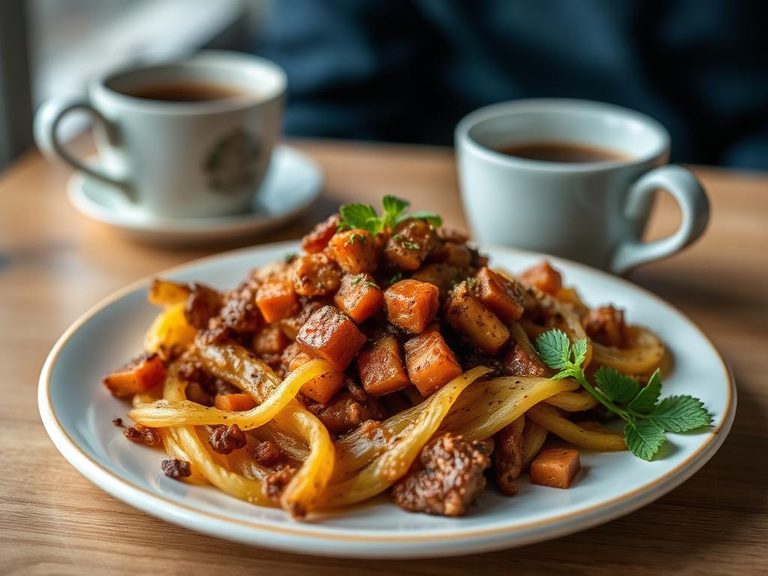
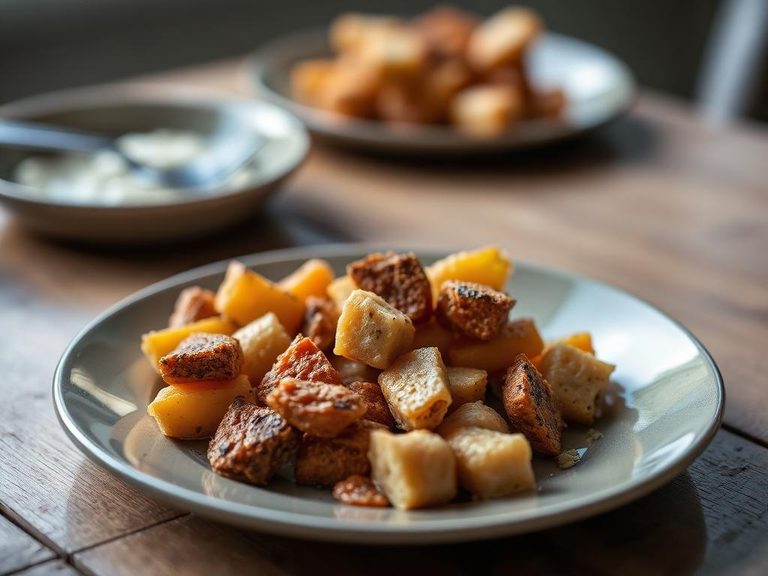
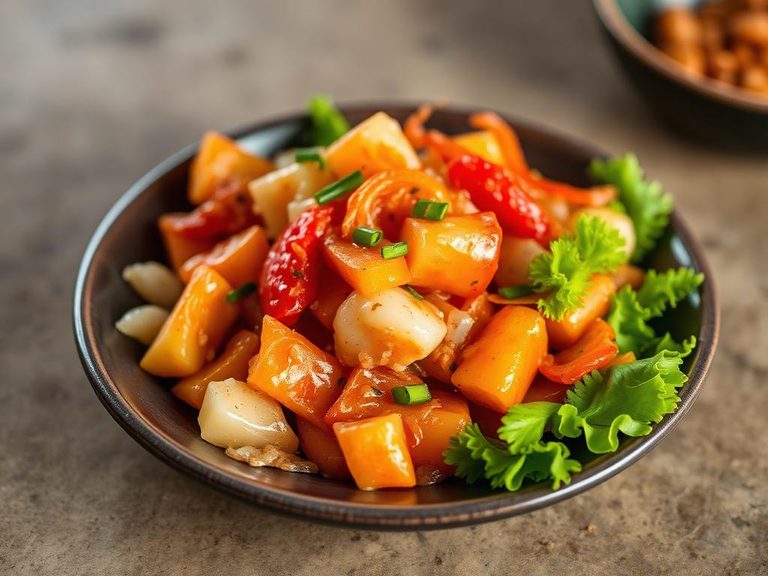
Eaten as a standalone snack
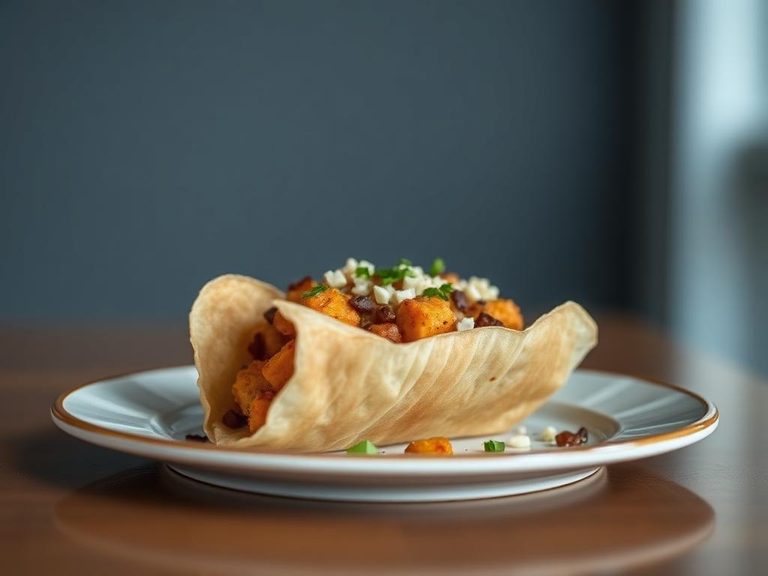
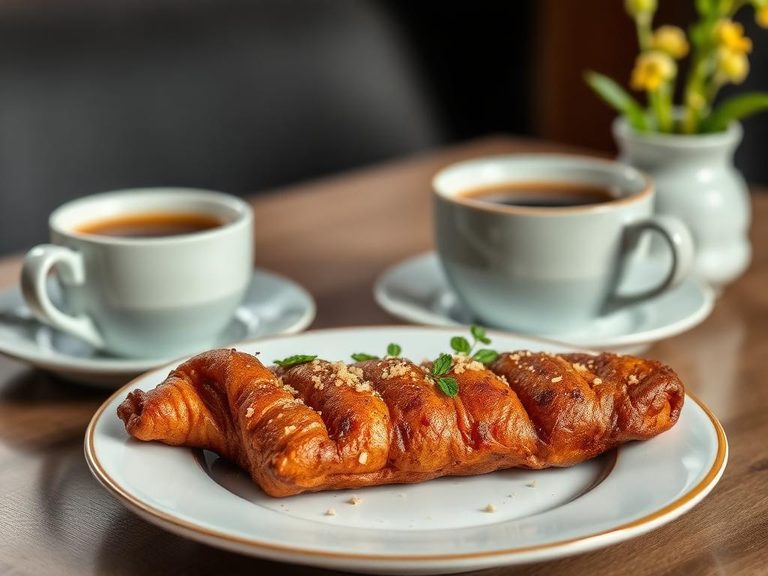
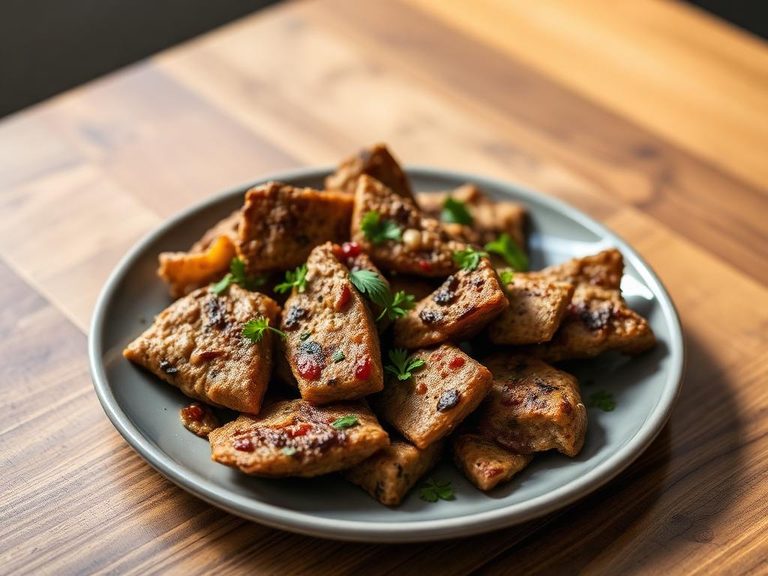
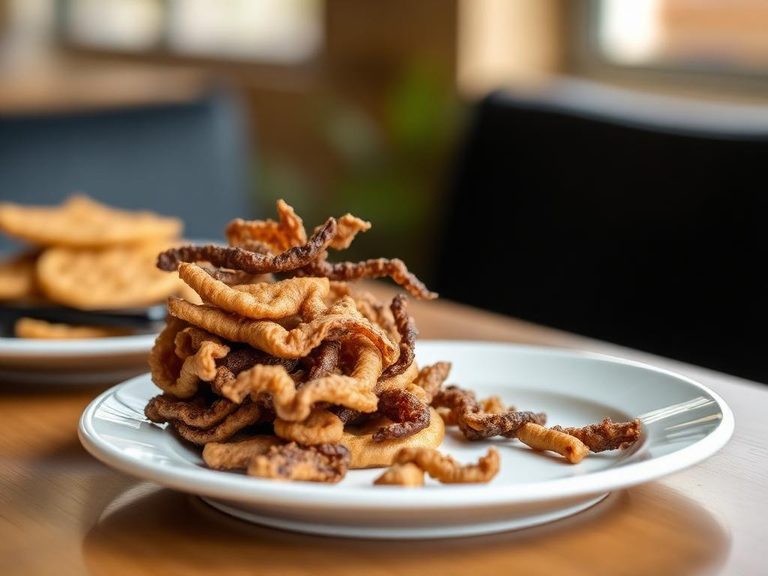
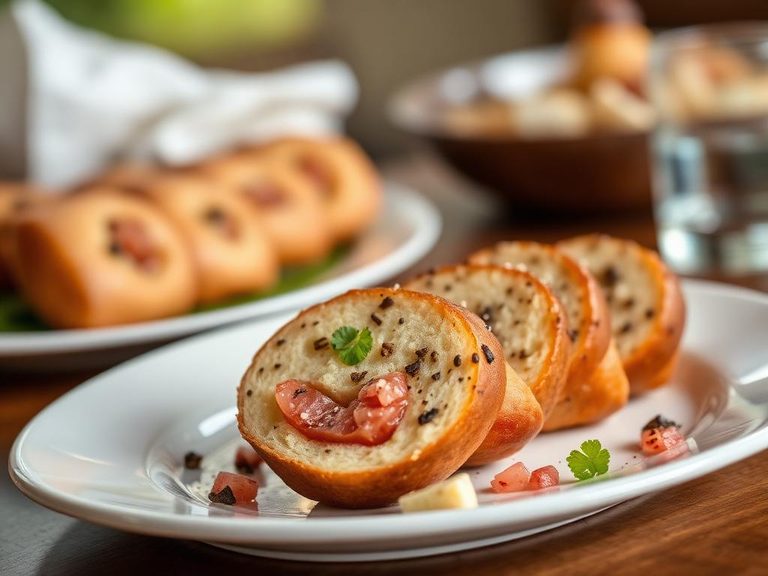
This is a broad category rather than a single dish, referring to foods specifically prepared and consumed as standalone snacks rather than as part of a main meal. Examples range from Japanese edamame and Indian chaat to American popcorn and Chinese sunflower seeds, typically featuring ingredients like legumes, grains, nuts, or vegetables seasoned for immediate eating. These snacks originate from culinary traditions worldwide, designed for convenience, socializing, or quick energy boosts.
🍽️ Nutrition at a glance
The nutritional profile varies widely: some are high in protein and fiber (like roasted chickpeas), others in healthy fats (like mixed nuts), and many in carbohydrates (like potato chips). Key nutrients can include plant-based protein, vitamins, minerals, and antioxidants, with calorie counts ranging from about 100 to 300 calories per typical serving, depending on the specific snack.
Nutrition breakdown
| Calories | 160 kcal |
| Protein | 3 g |
| Carbs | 15 g |
| Fat | 10 g |
| Fiber | 2 g |
| Sugar | 1 g |
| Sodium | 250 mg |
| Potassium | 120 mg |
| Iron | 1 mg |
| Magnesium | 30 mg |
| Phosphorus | 80 mg |
| Vitamin E | 2 mg |
| Thiamin (B1) | 0.1 mg |
| Niacin (B3) | 2 mg |
| Folate | 30 mcg |
Per 1 bag (28 g) · estimated, varies by recipe
💡 What's interesting
Culturally, standalone snacks often reflect local ingredients and social habits—like how sunflower seeds are a communal pastime in China, or how tapas in Spain encourage sharing. Nutritionally, they can be engineered for satiety or energy, with some traditional versions offering balanced macros that modern health trends now emulate.